Ivo Rigter Sr.
Founder & Co Owner of BAIV and Tracksandtrade
+31 6 518 22 502 ivosr.rigter@tracksandtrade.com


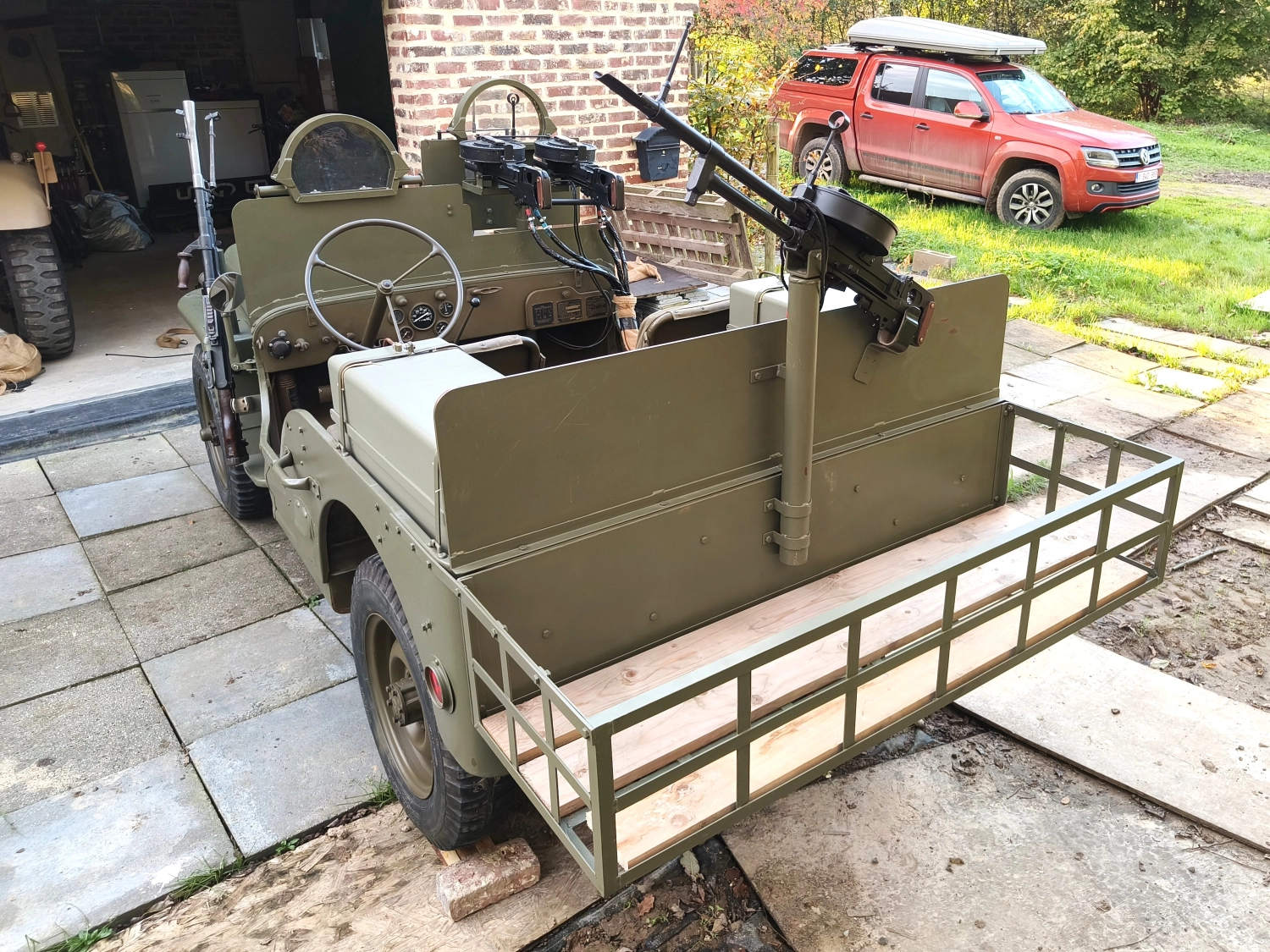










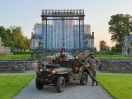
Everyone is familiar with the legendary SAS desert jeeps from the early days of WWII. Lesser known, but even more unique, are the SAS jeeps that were specially adapted for deployment in the European theater. These vehicles SAS ‘ETO’, frequently used by commandos or special operations, required an entirely new configuration.
The distinctive armament and armor make this jeep unique and truly standout at events. The gas-operated machine guns are sure to draw a crowd when activated—hands over ears are definitely recommended!
In 2018, the current owner acquired this Jeep from a seller in the UK. Since then, the Jeep has undergone a complete rebuild, transforming it into an SAS ETO version, the European adaptation of the SAS Jeep conversion. This conversion is exceptionally rare, especially the European model, which is much harder to find than its African counterpart.
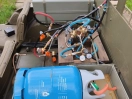
Adding to its uniqueness, this Jeep is equipped with three reproduction Vickers guns. These guns simulate gunfire sounds without firing actual projectiles, using a chemical gas-oxygen reaction for realistic effects. The gas and oxygen tanks are cleverly concealed within the auxiliary long-range fuel tanks mounted in the rear of this Jeep. This smart design ensures that the gas cylinders are hidden from view, preserving the authentic appearance of the SAS. (Note: Wearing ear protection when firing is highly recommended.)(Note: Wearing ear protection when firing is highly recommended.)
On the driver’s side, there’s a mounted Bren gun, as shown in the photos. The Bren, and also the BSA parabike, are not part of the sale but are available for separate purchase.
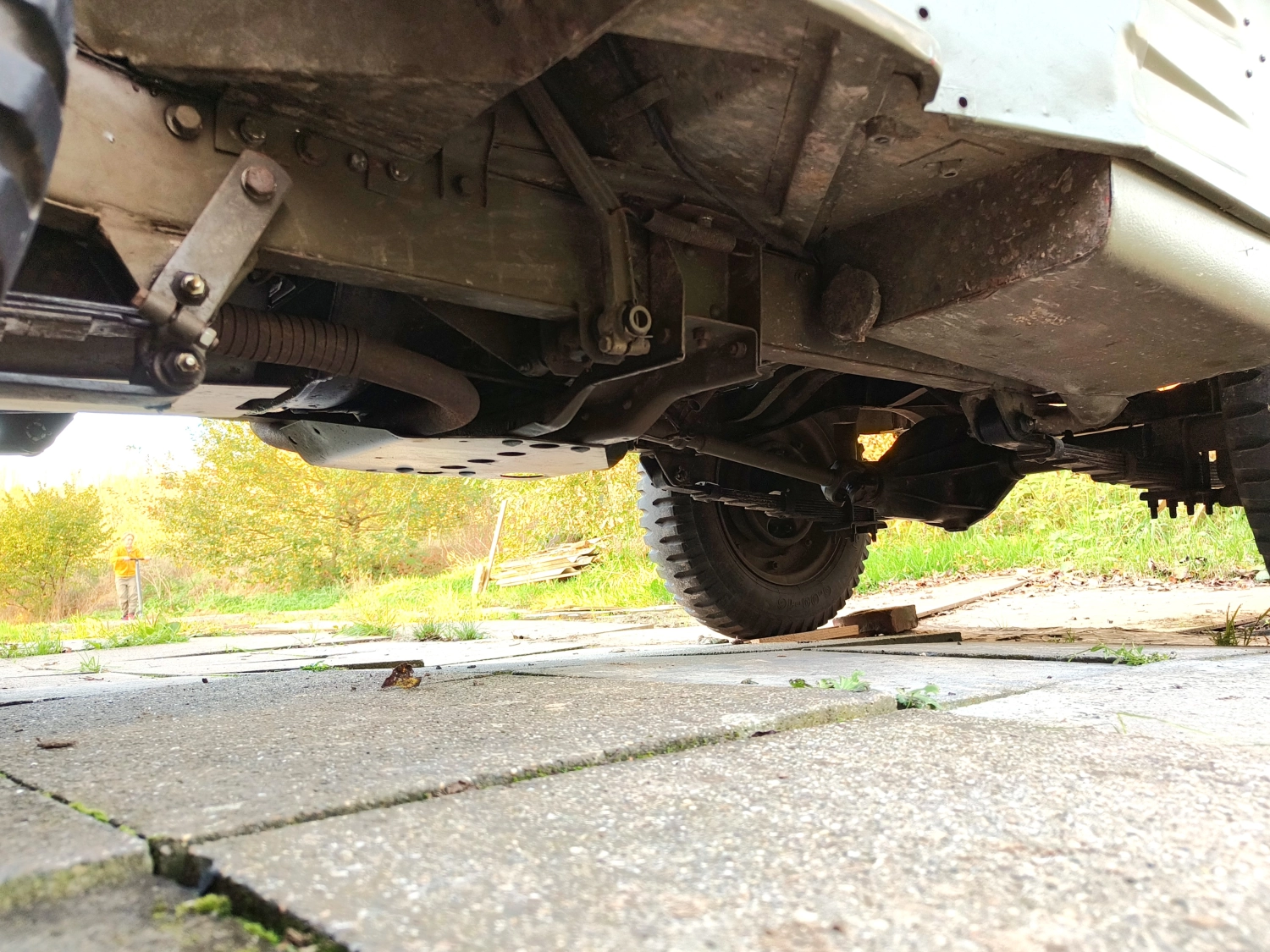
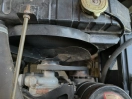
Mechanically, the engine has been fully rebuilt. In 2021/2022, the cylinder block was rebored, and the carburetor, fuel pump, and springs were all restored.
SAS ETO
"SAS ETO" stands for Special Air Service - European Theatre of Operations. The Special Air Service (SAS) is an elite unit of the British Army, and "ETO" refers to their deployment in the European Theater during World War II. This unit played a crucial role in special operations behind enemy lines in Europe, where they became well known for their guerrilla and sabotage missions.
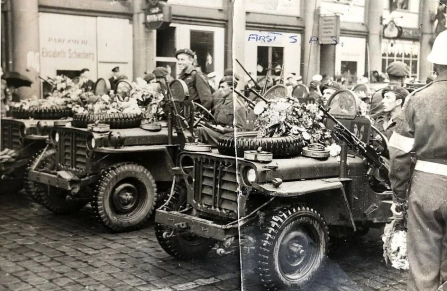
After the SAS moved to Europe, they were reportedly misused, and their capable commando jeeps were relegated to duties more fitting for regular combat troops or armored cars (the SAS jeeps were decidedly NOT armored, although they made a very limited move in that direction before the war ended). No longer were they as worried about weight - they weren't going a thousand miles behind enemy lines through the desert any more. Although the grille is still showing prior desert duty, you can see the addition of weight in the form of armor in front of the driver and gunner. The driver has a single Vickers so he could get in on the action, too. The multiple fuel cans have been replaced by large, permanent fuel tanks behind the driver and gunner. Usually the rear-facing Vickers machine gun was for anti-aircraft use or other higher targets.




Ivo Rigter Sr.
Founder & Co Owner of BAIV and Tracksandtrade
+31 6 518 22 502 ivosr.rigter@tracksandtrade.com