Ivo Rigter Sr.
Founder & Co Owner of BAIV and Tracksandtrade
+31 6 518 22 502 ivosr.rigter@tracksandtrade.com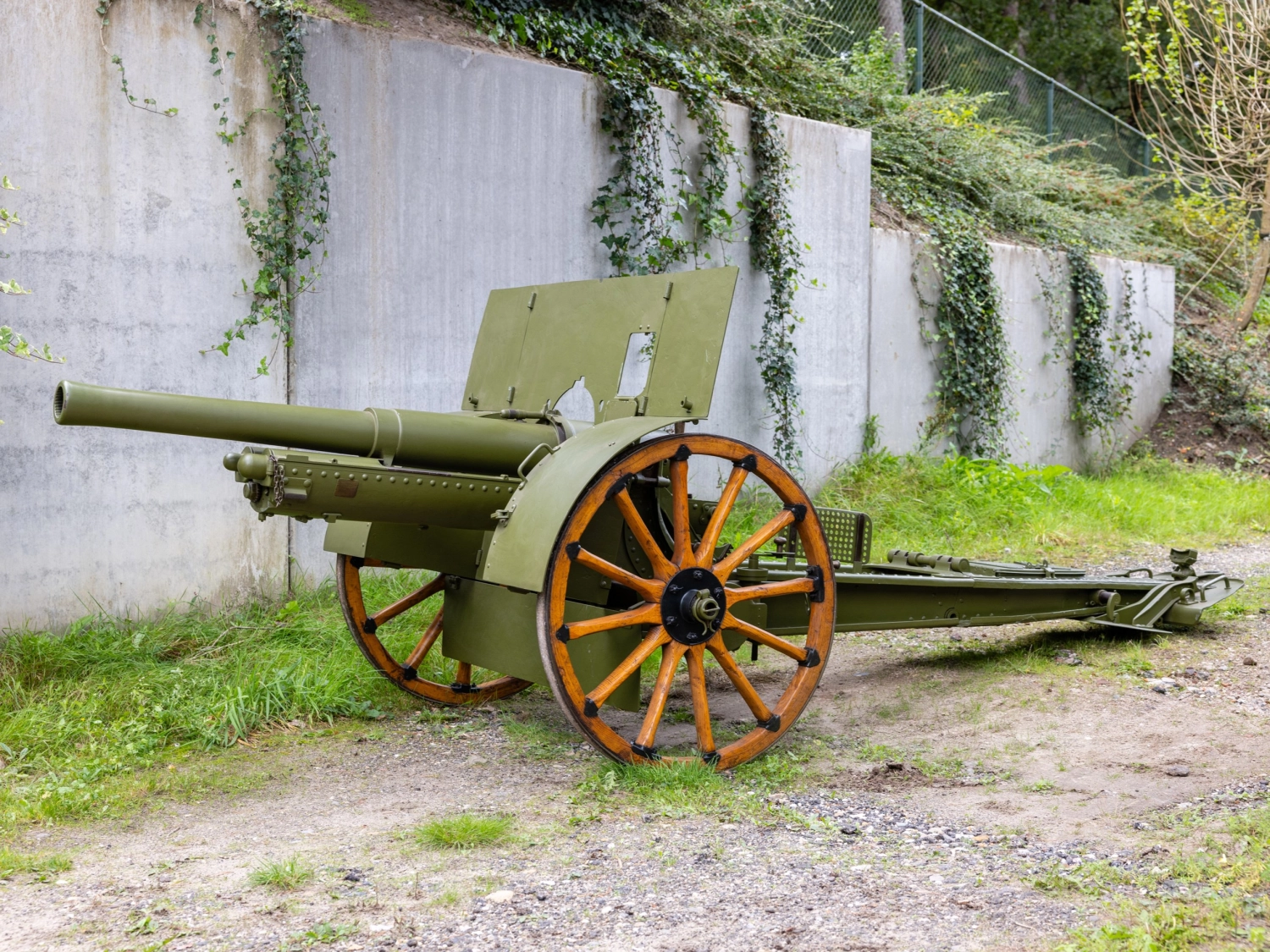
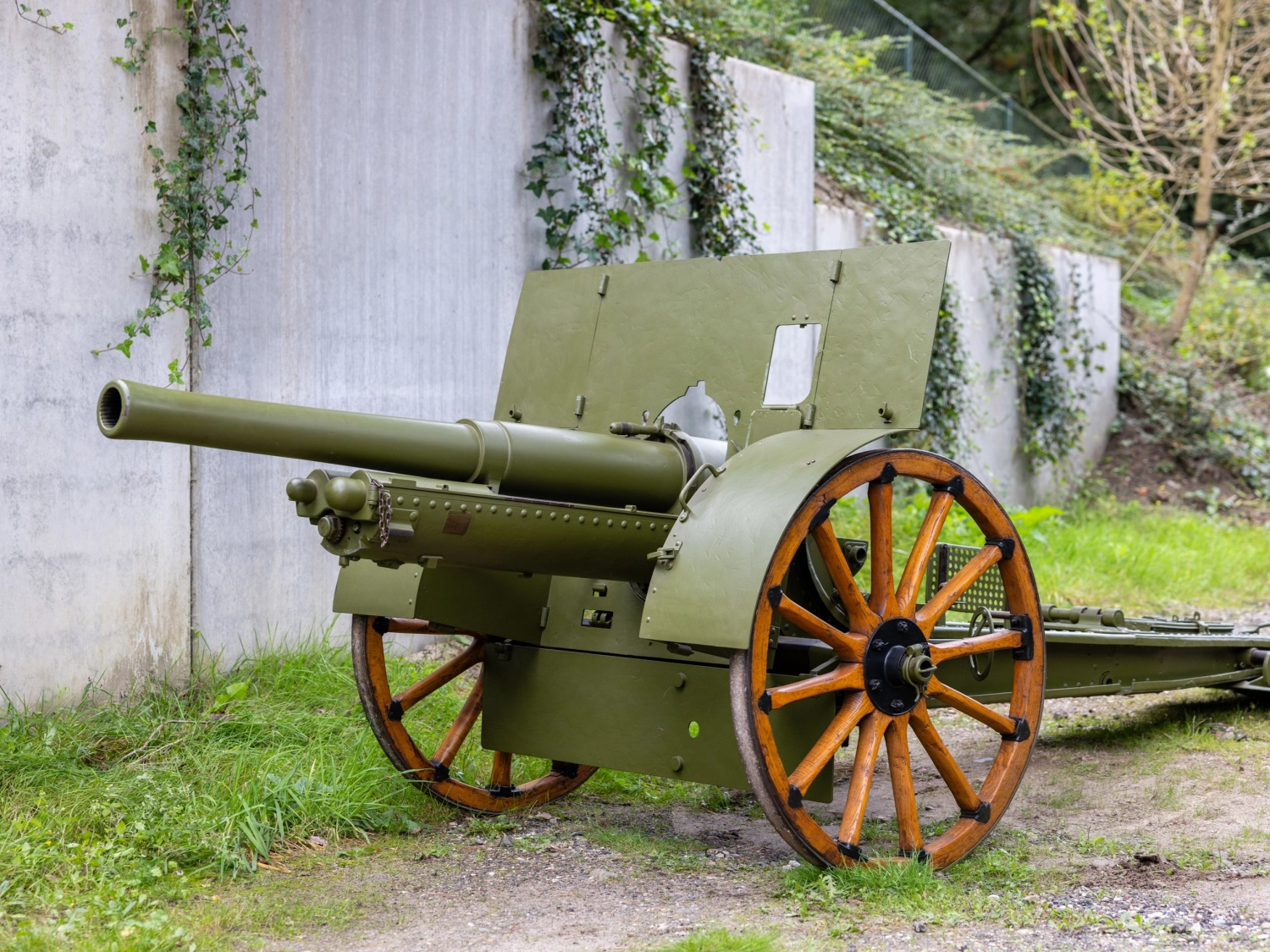
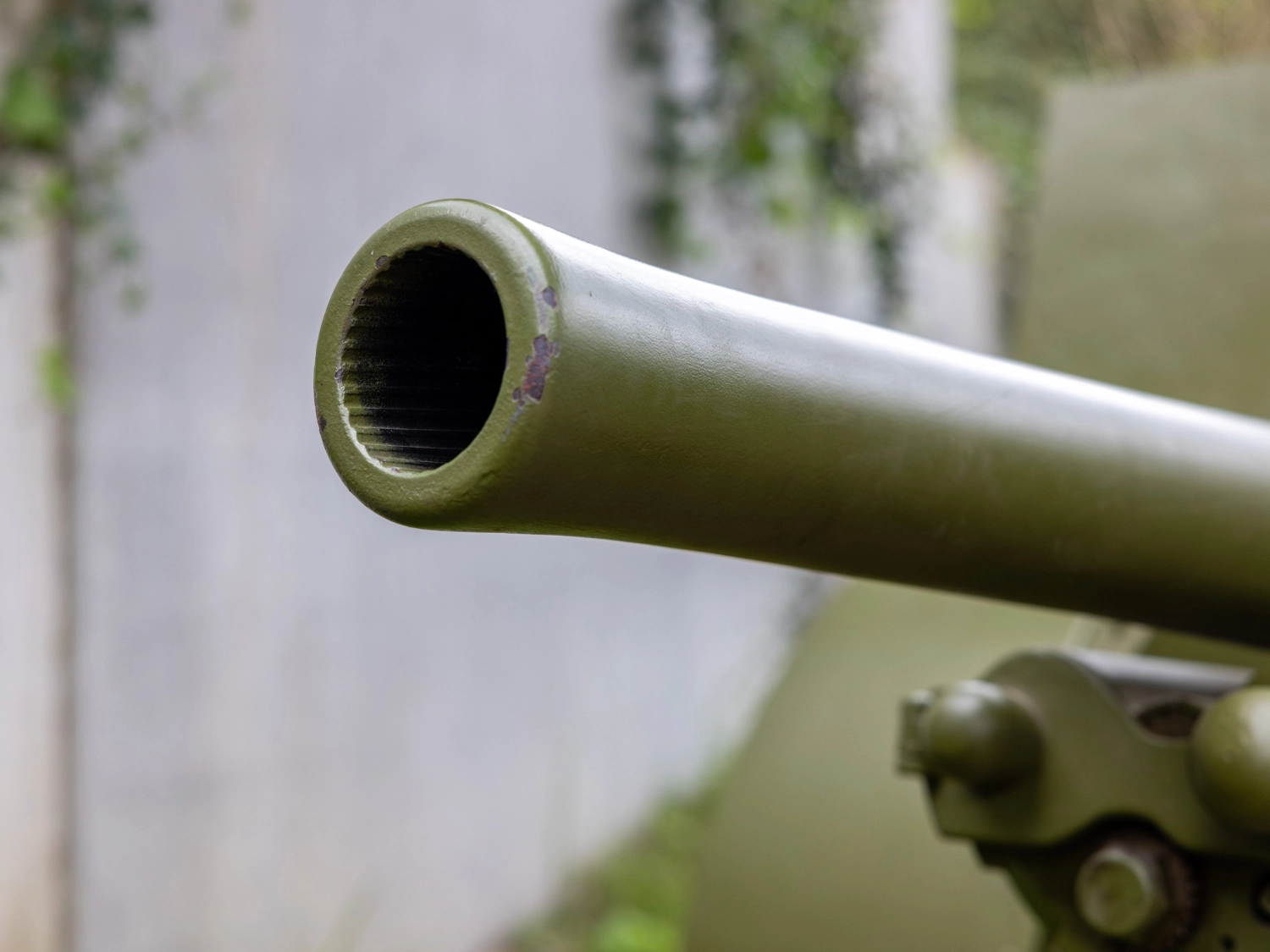
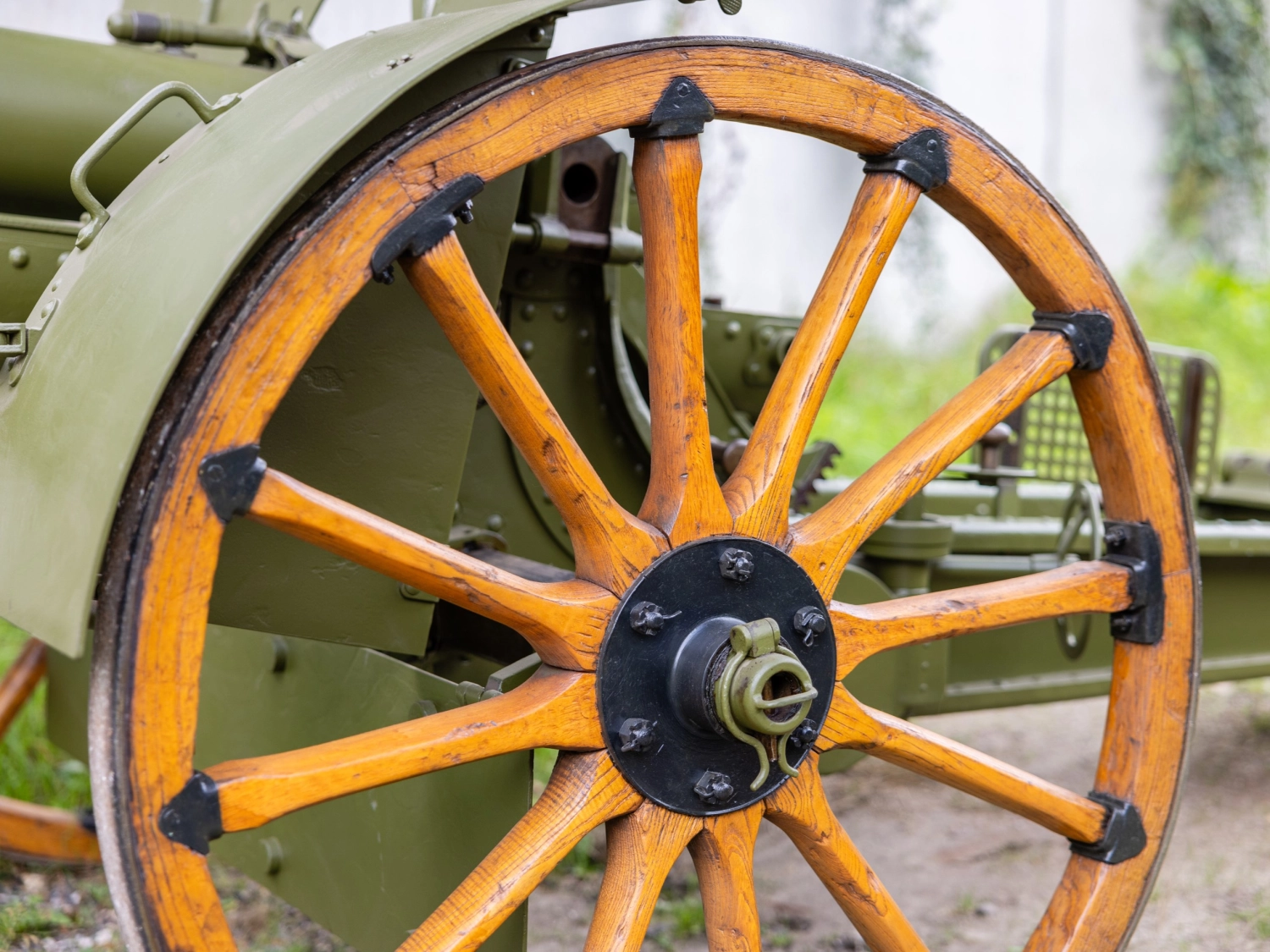
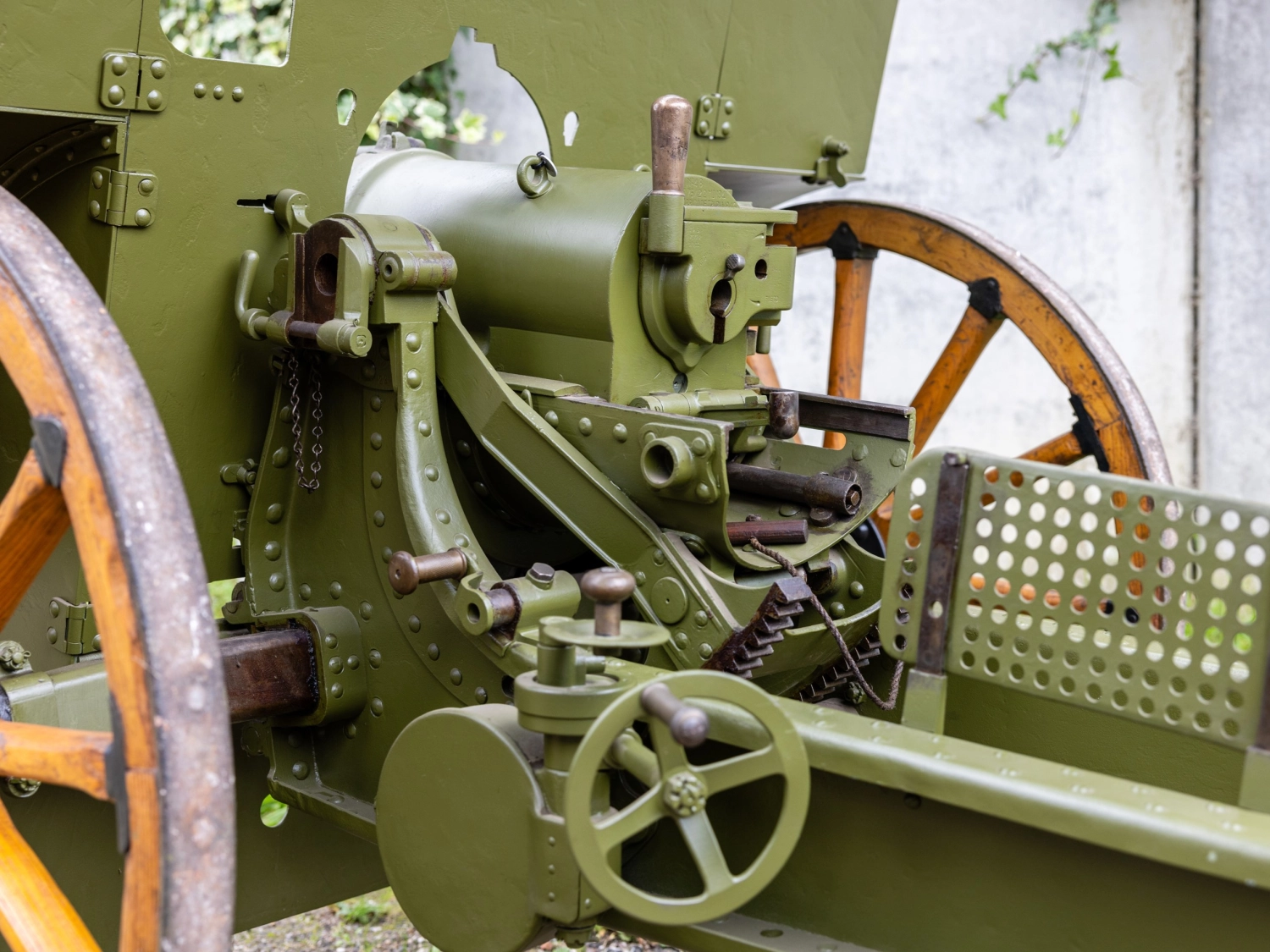
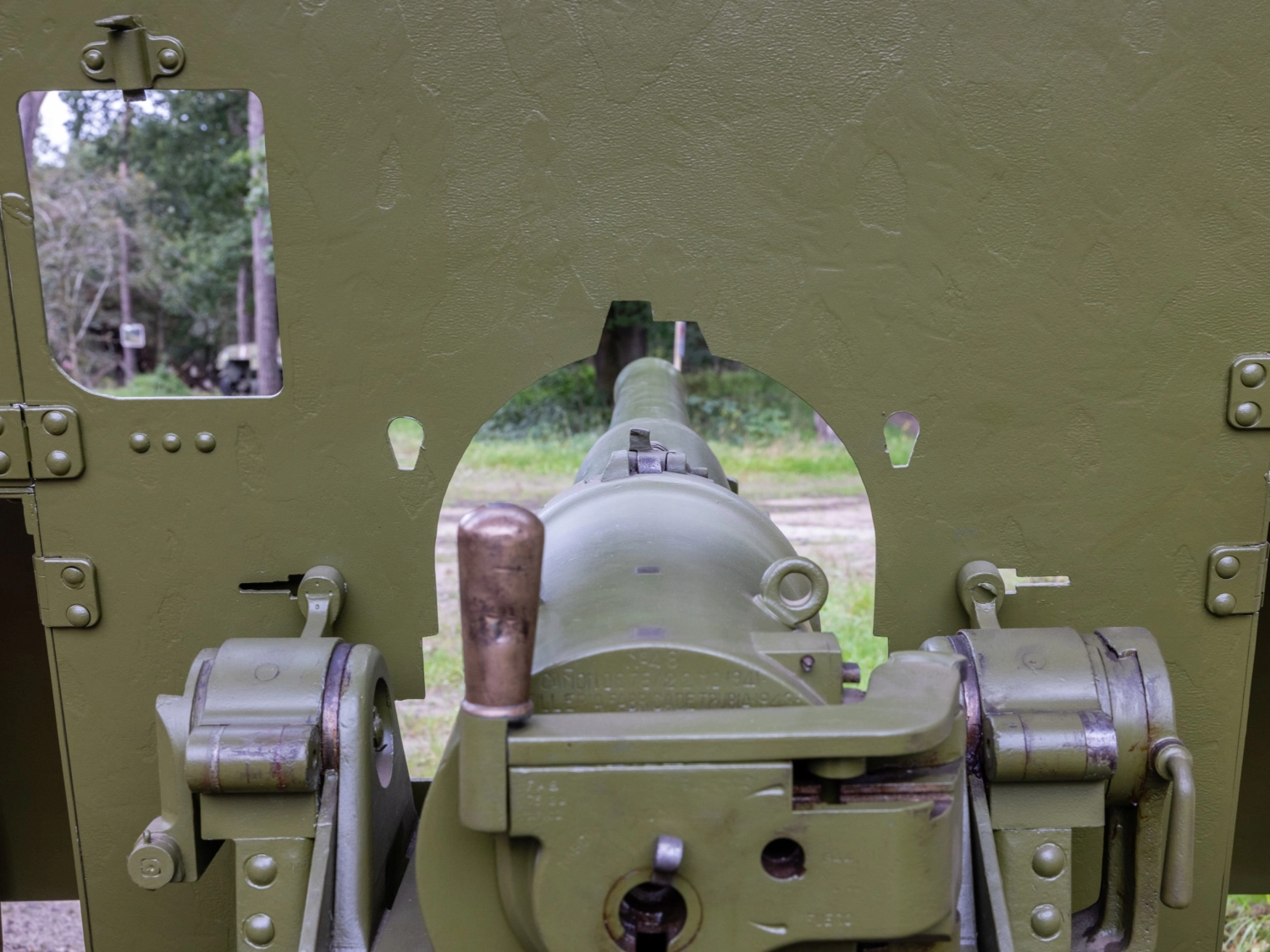
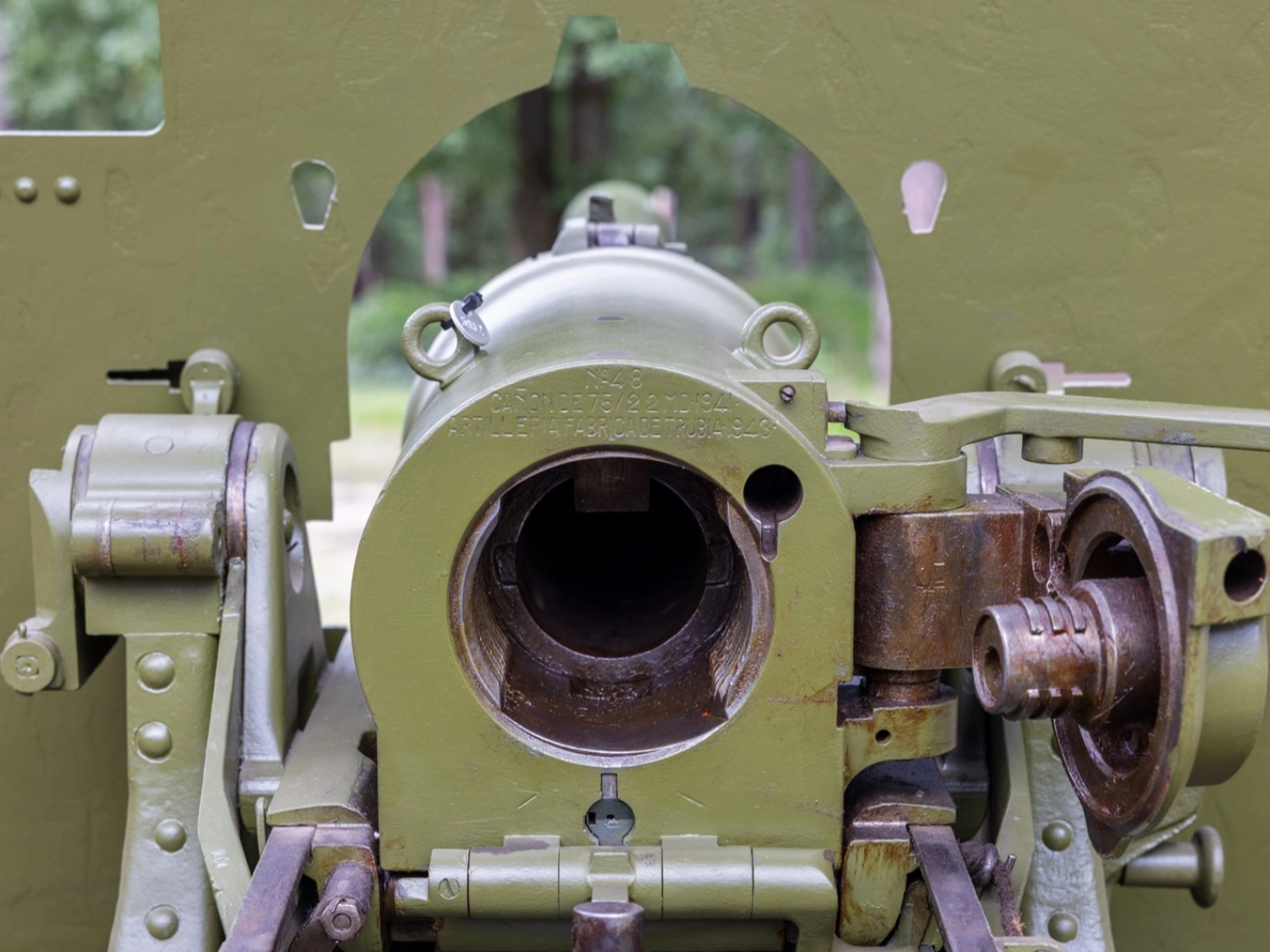
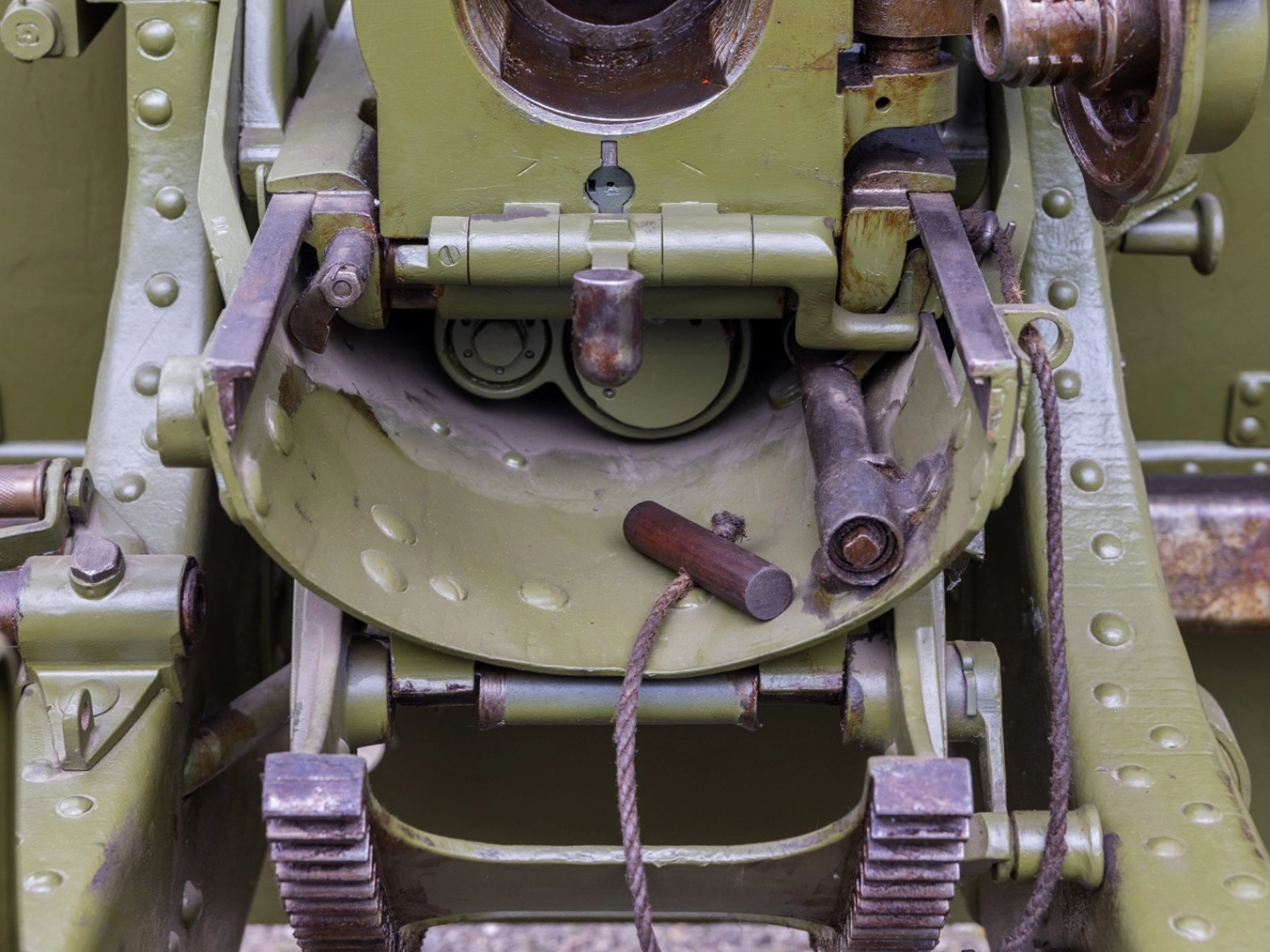
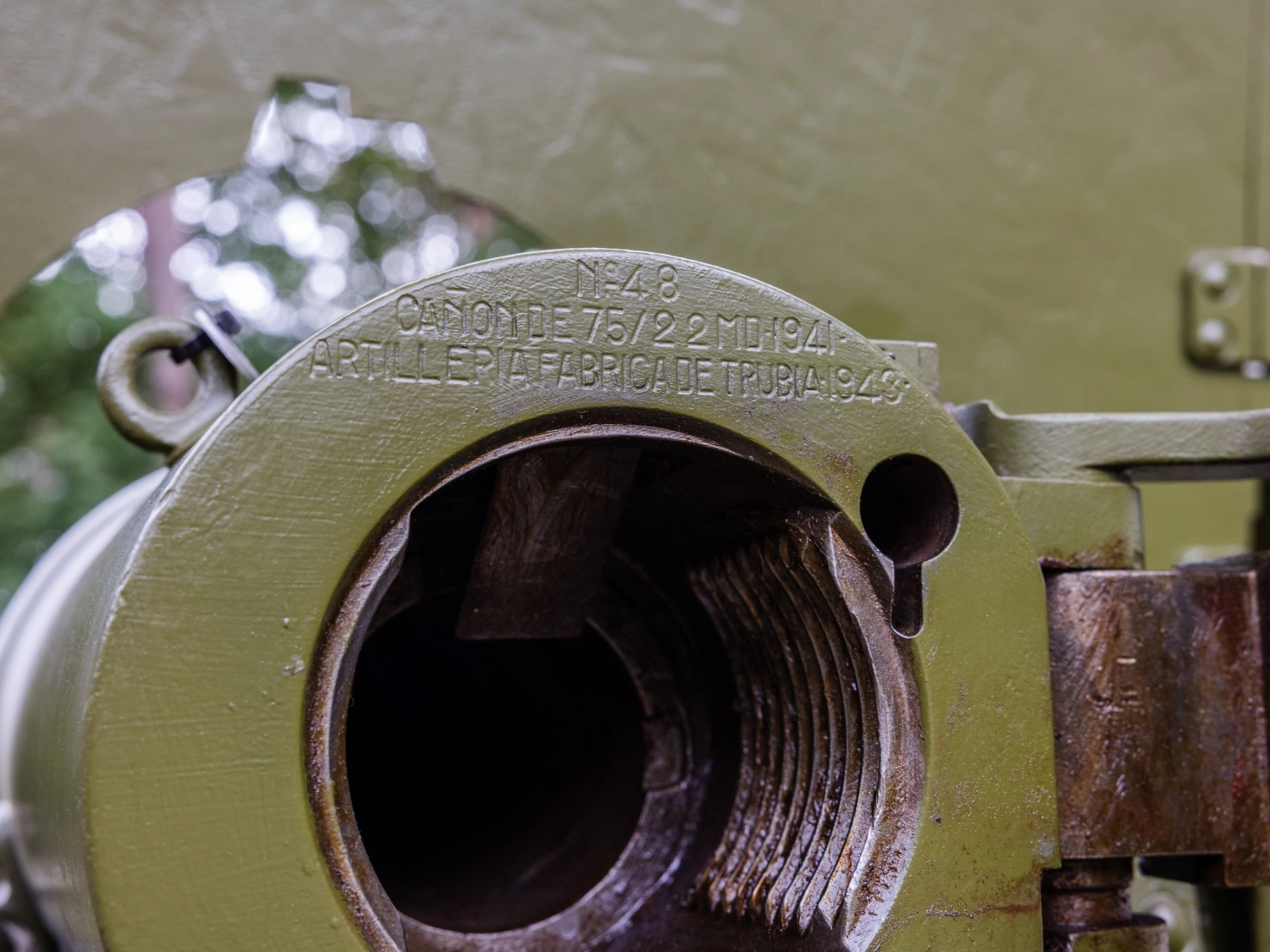
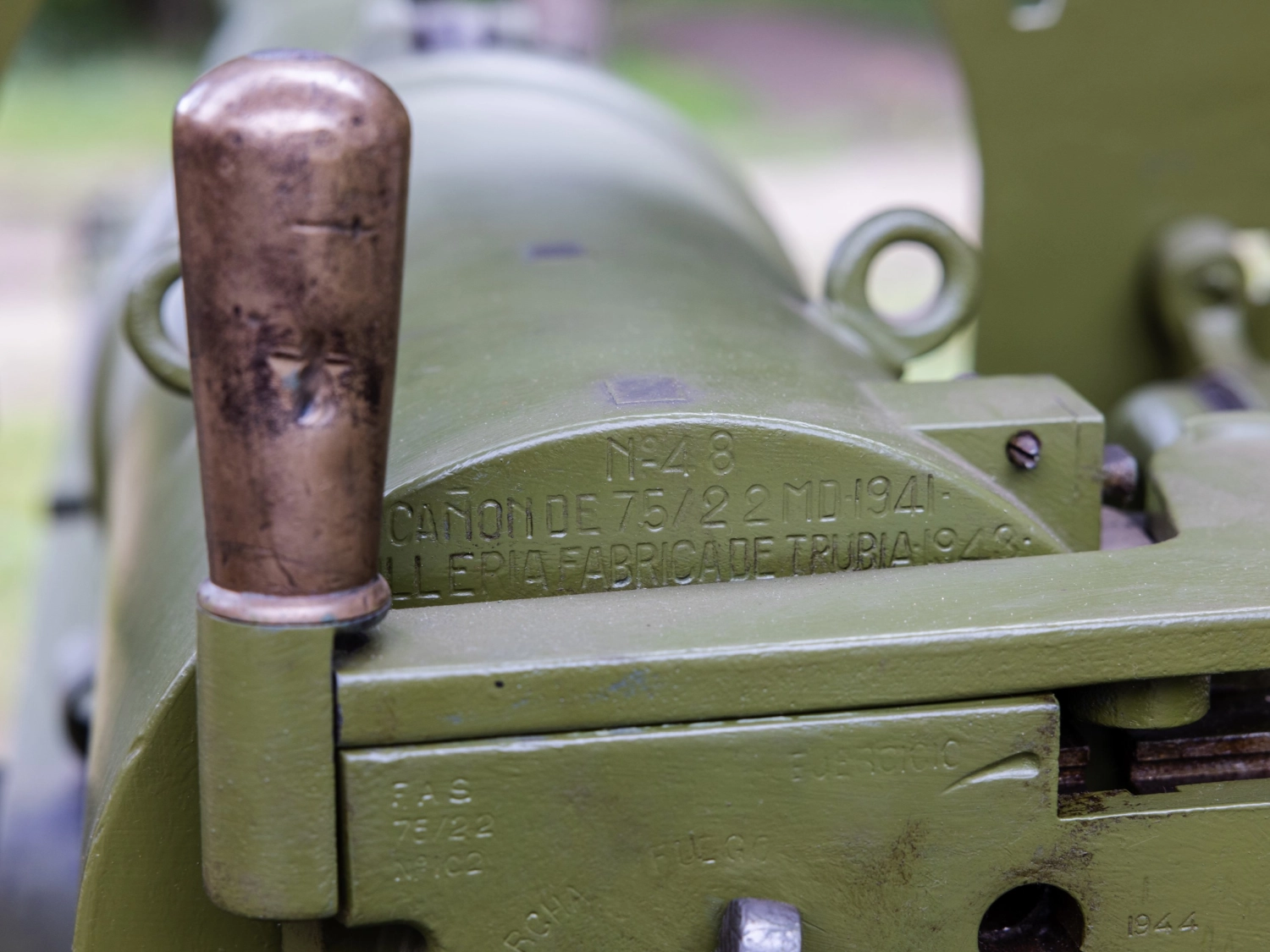
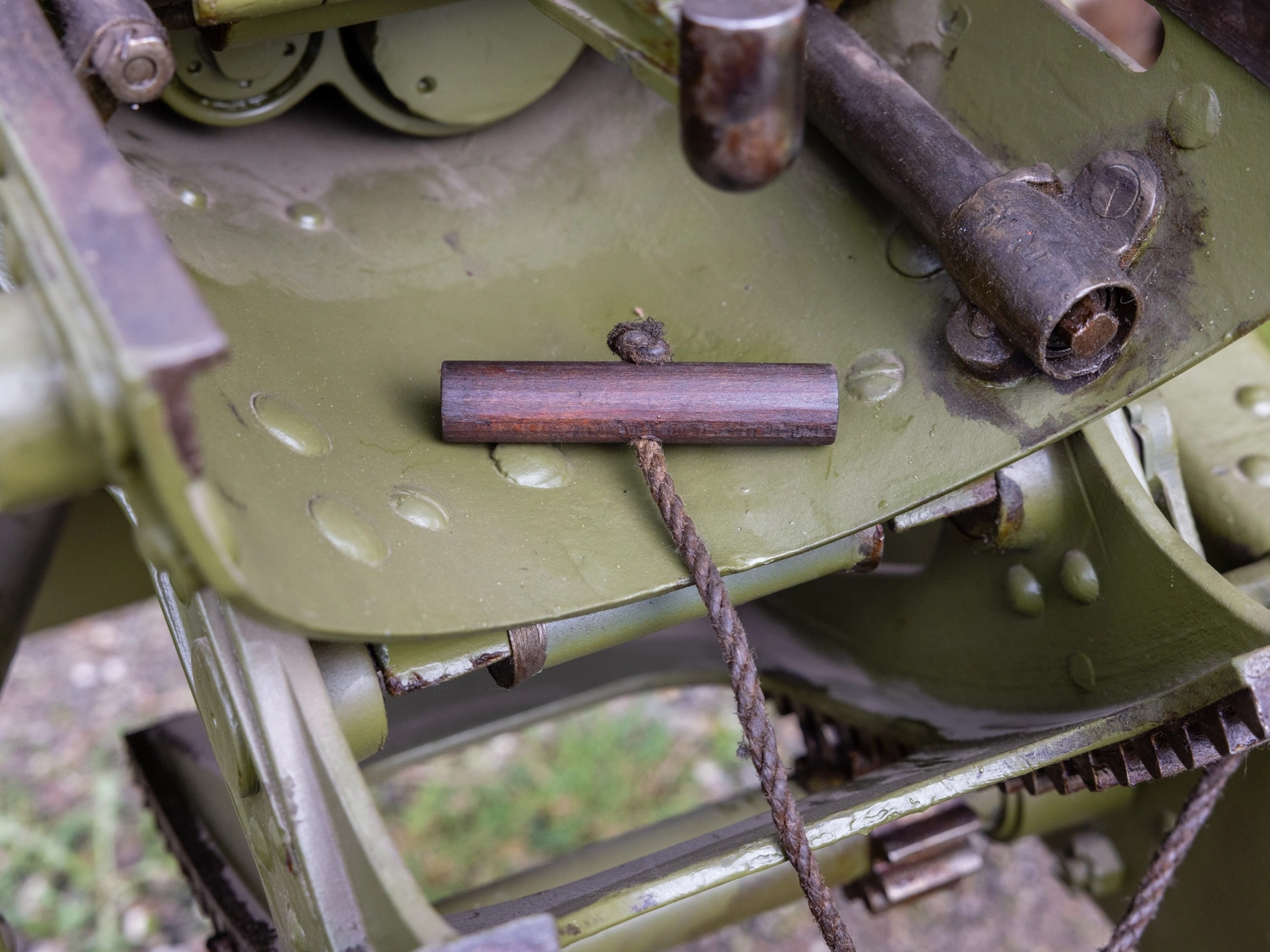
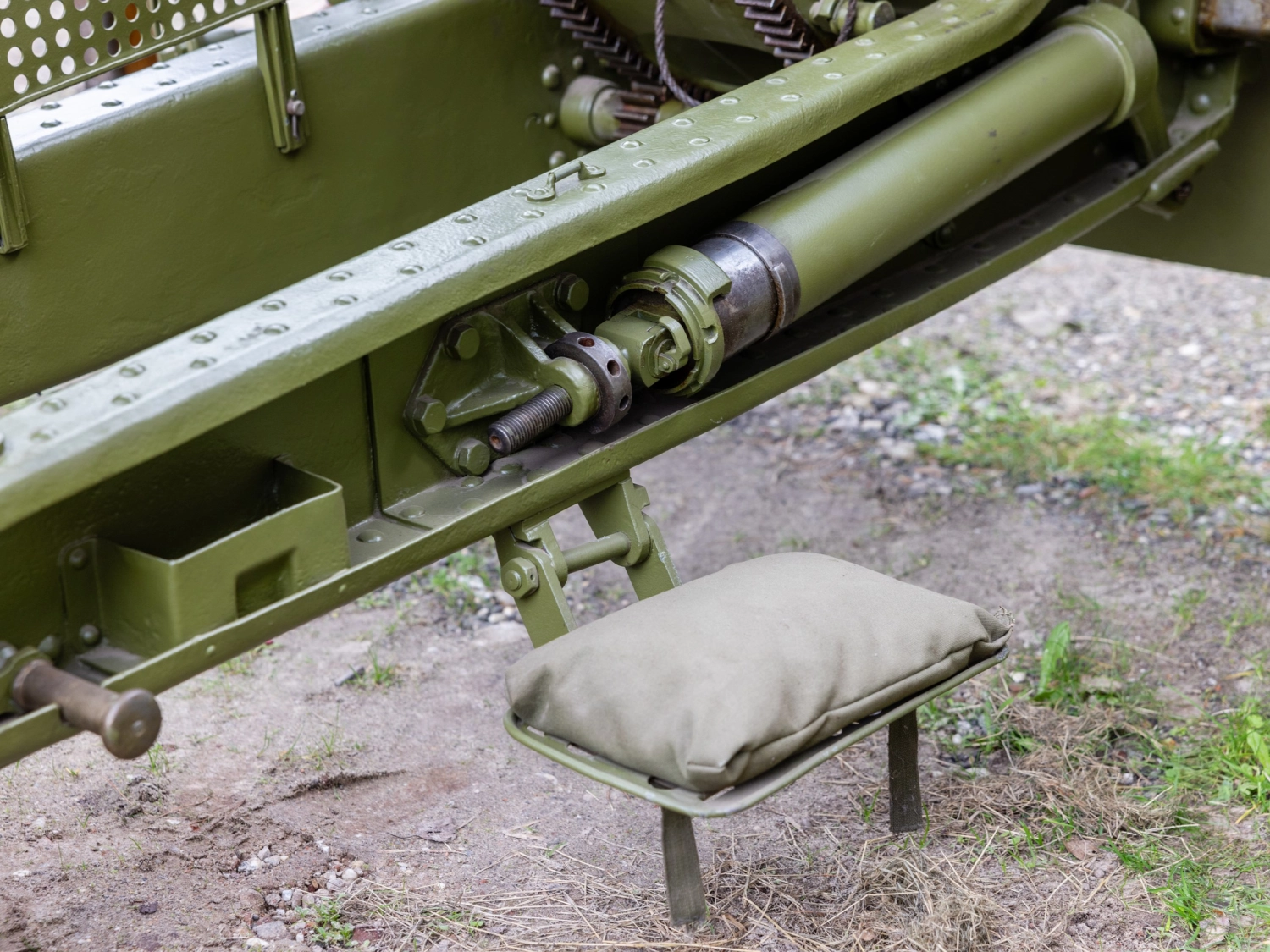
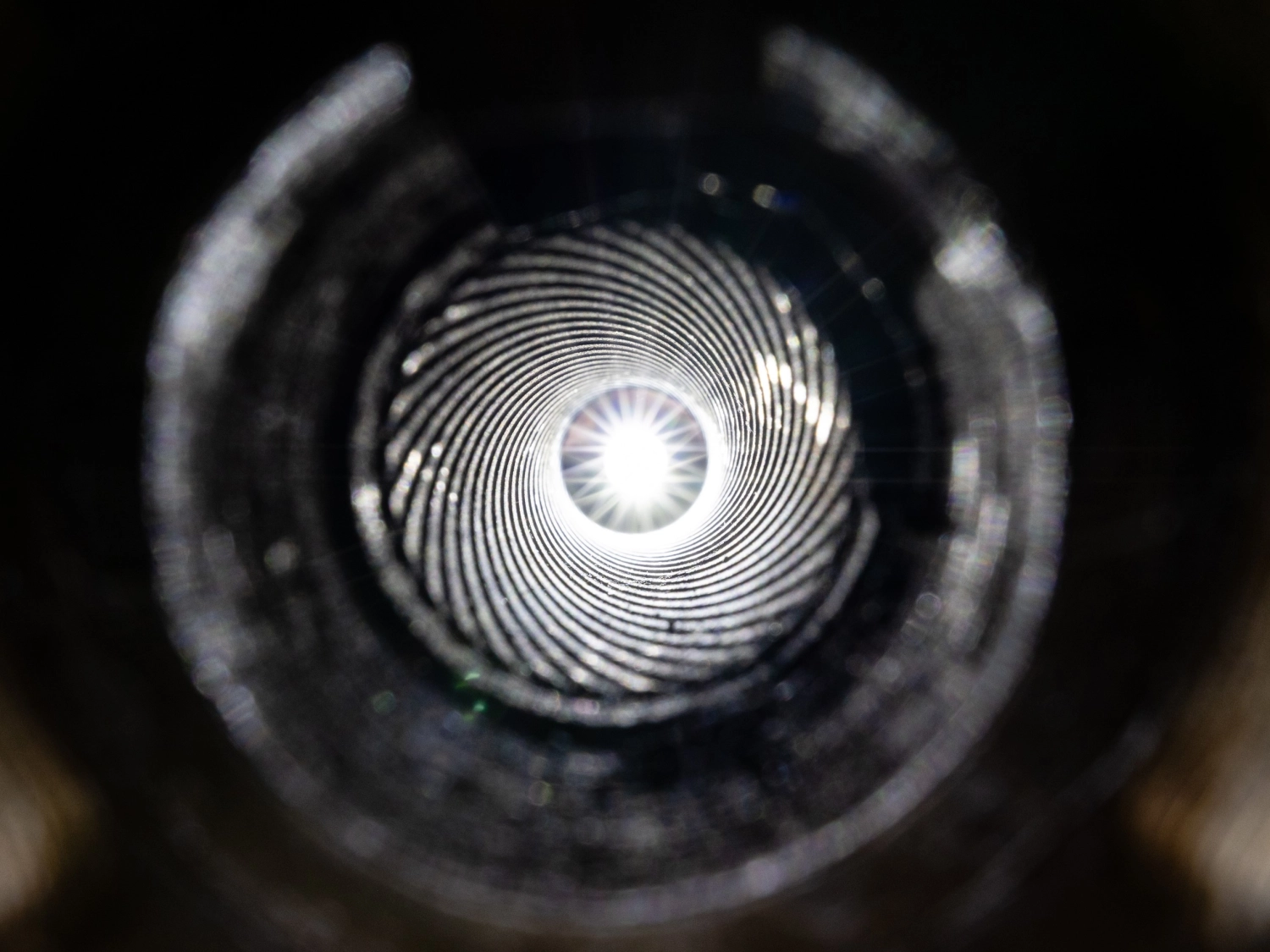


Owning this authentic and characterful Spanish cannon is a unique opportunity, especially since such pieces are almost always found in museums, making private ownership exceptionally rare. Completely original, in excellent condition, and stunning as a ceremonial or decorative piece.
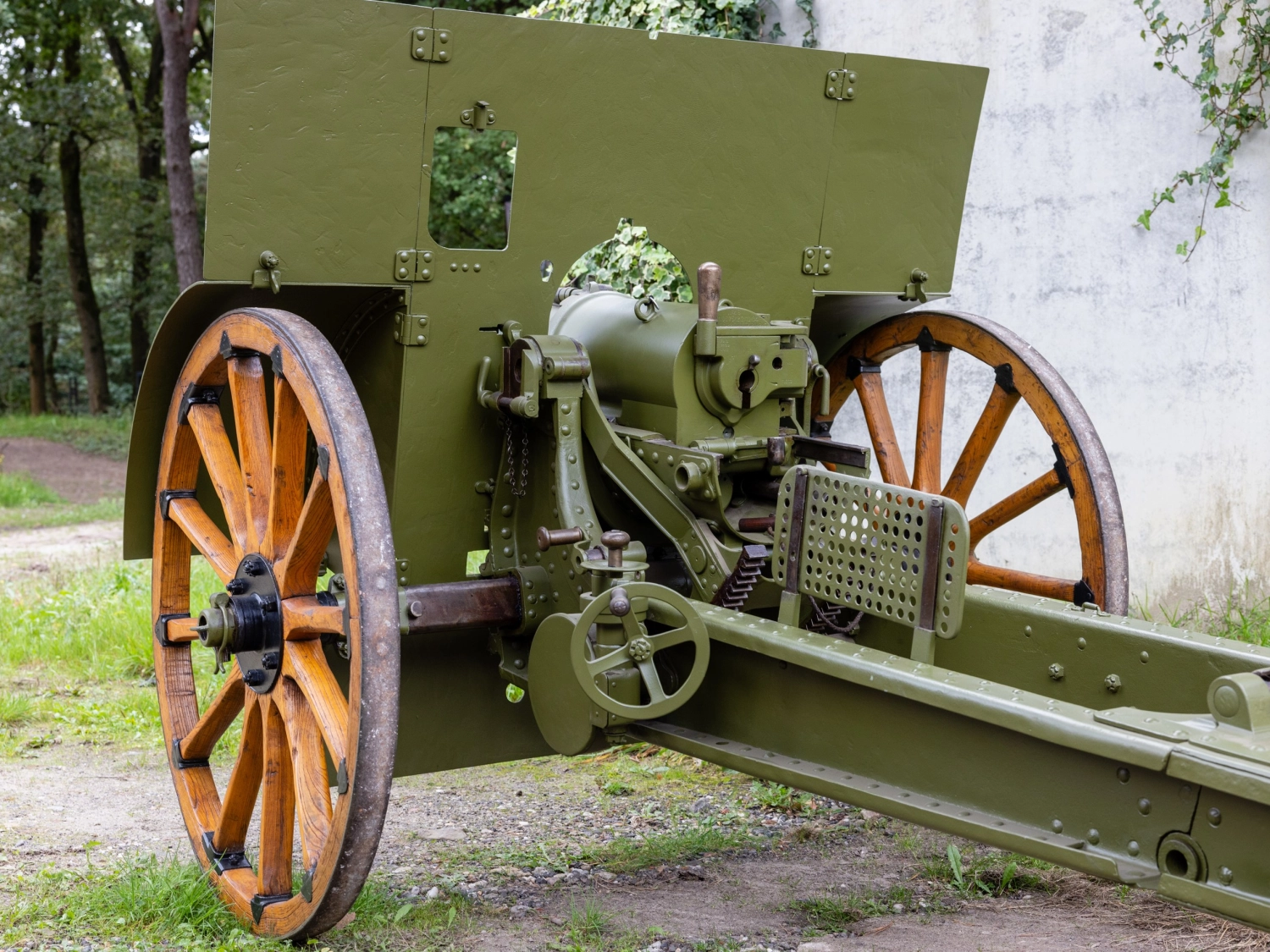
The cannon is complete, in original condition and has not been deactivated.
Note: Our partner, BAIV, is a certified arms dealer and an adaptive modifier of Category 2 weapons. They can assist with the deactivation process and, if necessary, the required (export) permits. Certain conditions apply. We advise you to contact Track & Trade before bidding to discuss options and potential costs.
This canon was designed and developed in the postwar period (1941) as a solution to the wear and fatigue issues of the Schneider 105/11 Mountain Howitzer. Thus, utilizing the carriages, a 75 mm and 22 caliber barrel was adopted, which, by design, was suitable for mountain units.
They were manufactured in Trubia until 1944, when production shifted to the Seville factory. Although ten years later another piece (75/22 M-1951 twin-trail) was built in Seville to replace it, it was hardly produced when the more versatile and powerful Oto Melara 105/14 M-56 howitzers arrived, effectively replacing the Schneider 75/22 M-1941.
Even so, it saw combat in 1944 during the UNE (PCE) invasion of the Aran Valley in the so-called "Reconquest of Spain" operation.
Design
The piece was a single-trail design, weighing 764 kg in firing position, with a length of 4.35 m and a width of 1.25 m.
Its firing arc was 124º, and the elevation angle was 711º. It mounted the same screw breech system as the Schneider 75/28 M-1906 (with modifications for the smaller caliber). It had metallic shell case obturation.
Like the 105/11, it could be broken down into 8 loads, but the breech carrier was not detachable from the sleeve, always remaining attached to it for transport on pack animals. The attached photos show the transport of a 75mm Pack Howitzer. Although a different cannon, the transportation method is the same, providing a clear illustration of how the Cañón de Montaña 75/22 model 41 was moved through mountainous terrain at the time.
Another difference from the 105/11 is that, due to its longer barrel, it had muzzle preponderance, requiring a balancing mechanism for the elevation and depression movement of the barrel. This system was attached to the right cheek plate and connected to the right trunnion by rods regulating movement.
Deployment
These canons were in service with the Spanish Army in the 1940s, 50s, and 60s in various mountain and field artillery units (RACA 20, RAMIX 30, RAMIX 32, RAMIX 93, etc.). They saw combat in 1944 during the UNE (PCE) invasion of the Aran Valley in the so-called "Reconquest of Spain" operation.
Today, it continues as a ceremonial piece in several locations and as decoration in many barracks. In Cartagena, there is an honors battery (assigned to RAAA 73) with at least 4 pieces. There are also salute pieces in the Canary Islands, Ceuta, and Melilla.


Ivo Rigter Sr.
Founder & Co Owner of BAIV and Tracksandtrade
+31 6 518 22 502 ivosr.rigter@tracksandtrade.com