Ivo Rigter Sr.
Founder & Co Owner of BAIV and Tracksandtrade
+31 6 518 22 502 ivosr.rigter@tracksandtrade.com


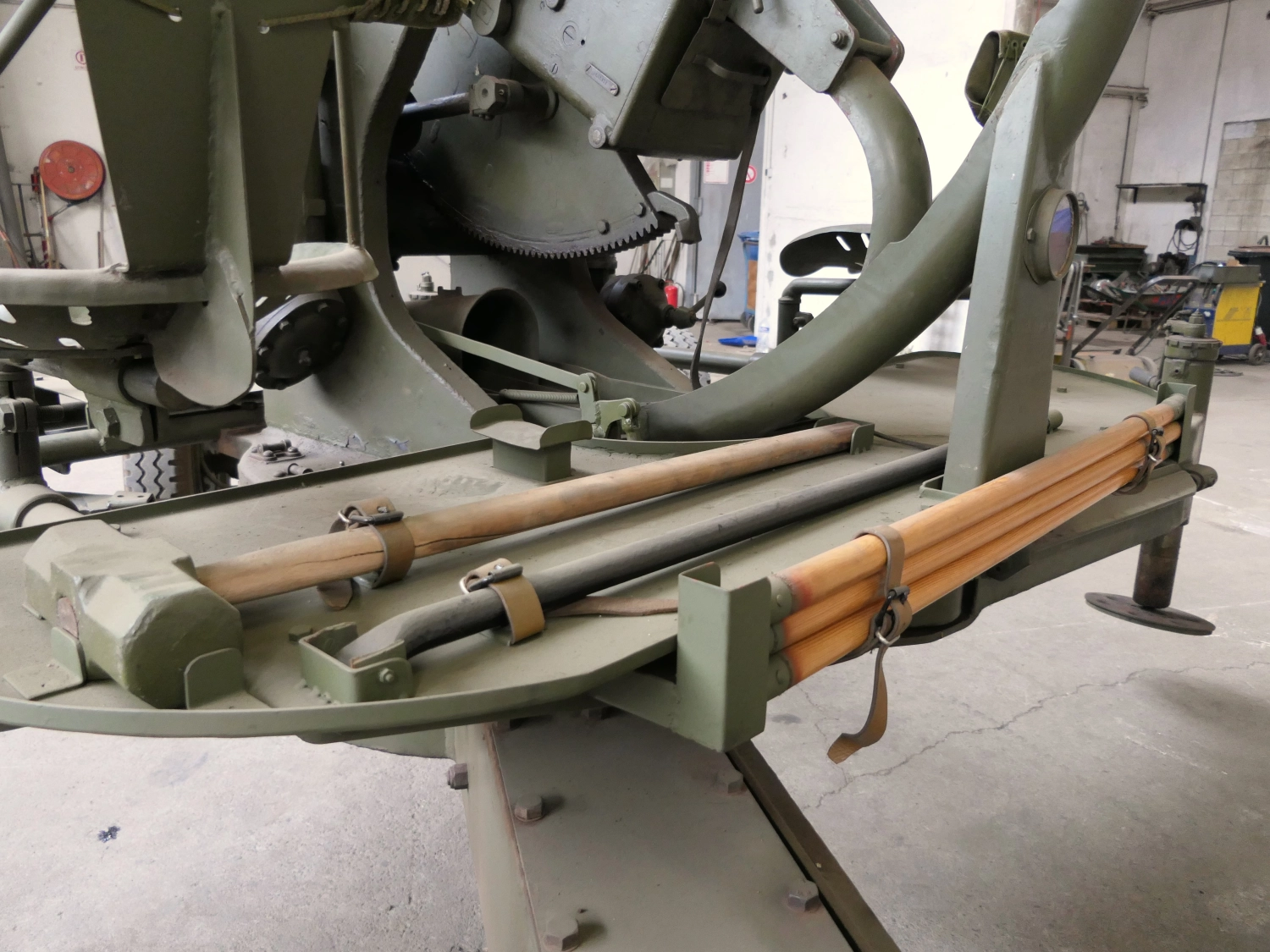




This WW II Bofors 40 mm AA cannon has been fully restored between 2003 and 2004. The restoration work has returned the cannon to full functionality, making it a true showpiece at any event and a impressive sight towed behind a truck during parades. It comes with several original items like the original toolbox.
This Bofors cannon, originally complete but cut into sections for demilitarization, has been expertly rewelded and fully restored between 2003 and 2004. The restoration work has returned the cannon to full functionality, making it a true showpiece at any event and a impressive sight towed behind a truck during parades. The gun has been deactivated, but not conform current French or international deactivation laws. So in any case, additional deactivation will be necessary. The Bofors will be sold 'as is'.
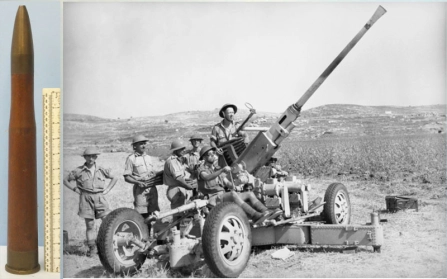
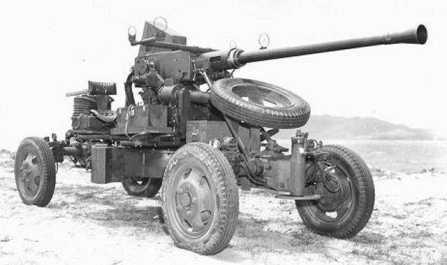
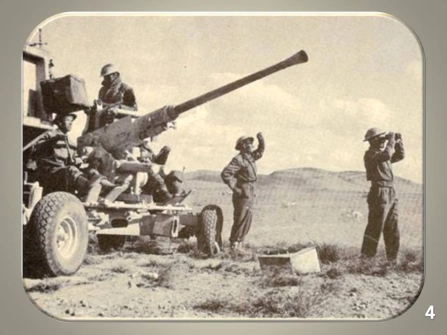
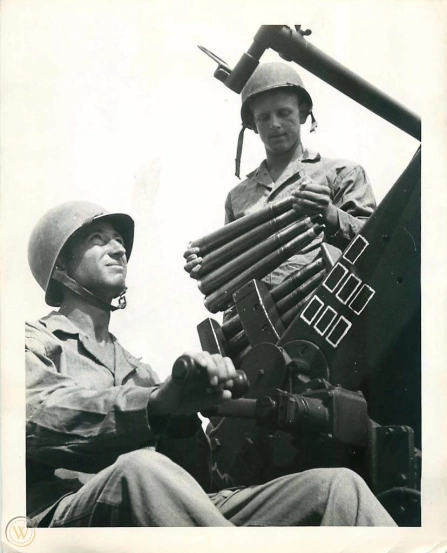
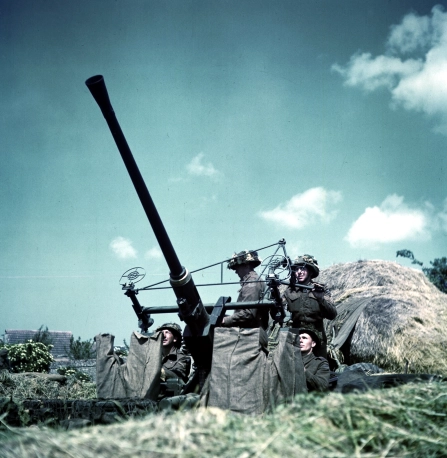
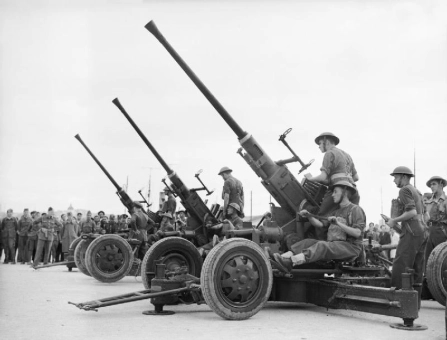
The 40 mm Bofors L/60 is an anti-aircraft gun developed by the Swedish company AB Bofors in the 1930s. The weapon quickly became one of the most successful and widely used anti-aircraft guns of the 20th century, primarily due to its effectiveness and reliability.
Development
The development of the Bofors 40 mm L/60 began in 1928 when the Swedish military needed a modern anti-aircraft gun to replace their outdated systems. The first prototype was completed in 1930, and after further testing and adjustments, the weapon entered production in 1936. The Bofors L/60 combined a relatively high rate of fire (up to 120 rounds per minute) with an effective 40 mm caliber, which allowed it to effectively target fast-moving aircraft at low and medium altitudes.
Use and Distribution
The Bofors 40 mm L/60 was quickly adopted by several countries due to its excellent performance. During World War II, the gun became a standard piece of anti-aircraft artillery for many Allied nations, including the United Kingdom, the United States, and the Soviet Union. The U.S. Navy, for example, installed the Bofors on a wide range of ships, from destroyers to battleships. The weapon played a crucial role in protecting Allied convoys from air attacks, particularly from the Luftwaffe and the Imperial Japanese Navy.
Use in Wars
The Bofors 40 mm L/60 saw extensive use during World War II and continued to be employed in later conflicts such as the Korean War, the Suez Crisis, the Vietnam War, and various other regional conflicts. Although it was eventually replaced by more modern anti-aircraft systems, such as guided missiles, the Bofors remained in use in various roles, including as naval anti-aircraft artillery and in armored vehicles.
Modernization and Replacement
Over time, the Bofors L/60 was modernized and adapted to meet the changing needs of armed forces. For instance, in the 1950s, the Bofors L/70 was introduced, an improved version with a longer barrel and a higher rate of fire. Despite its successor, the L/70, the original L/60 remained in service for many years, especially in smaller countries or as a secondary anti-aircraft system.



Ivo Rigter Sr.
Founder & Co Owner of BAIV and Tracksandtrade
+31 6 518 22 502 ivosr.rigter@tracksandtrade.com