Ivo Rigter Sr.
Founder & Co Owner of BAIV and Tracksandtrade
+31 6 518 22 502 ivosr.rigter@tracksandtrade.com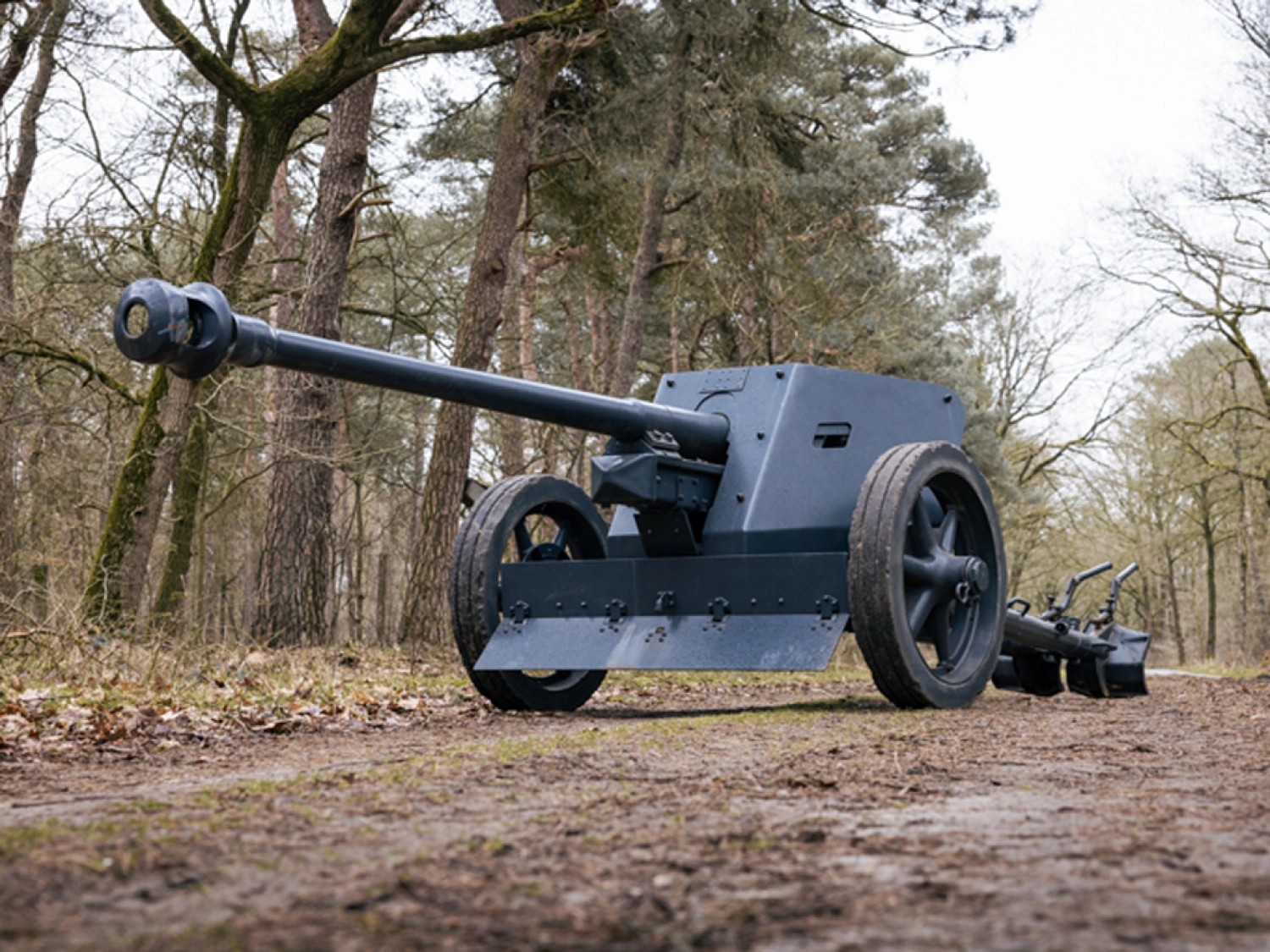

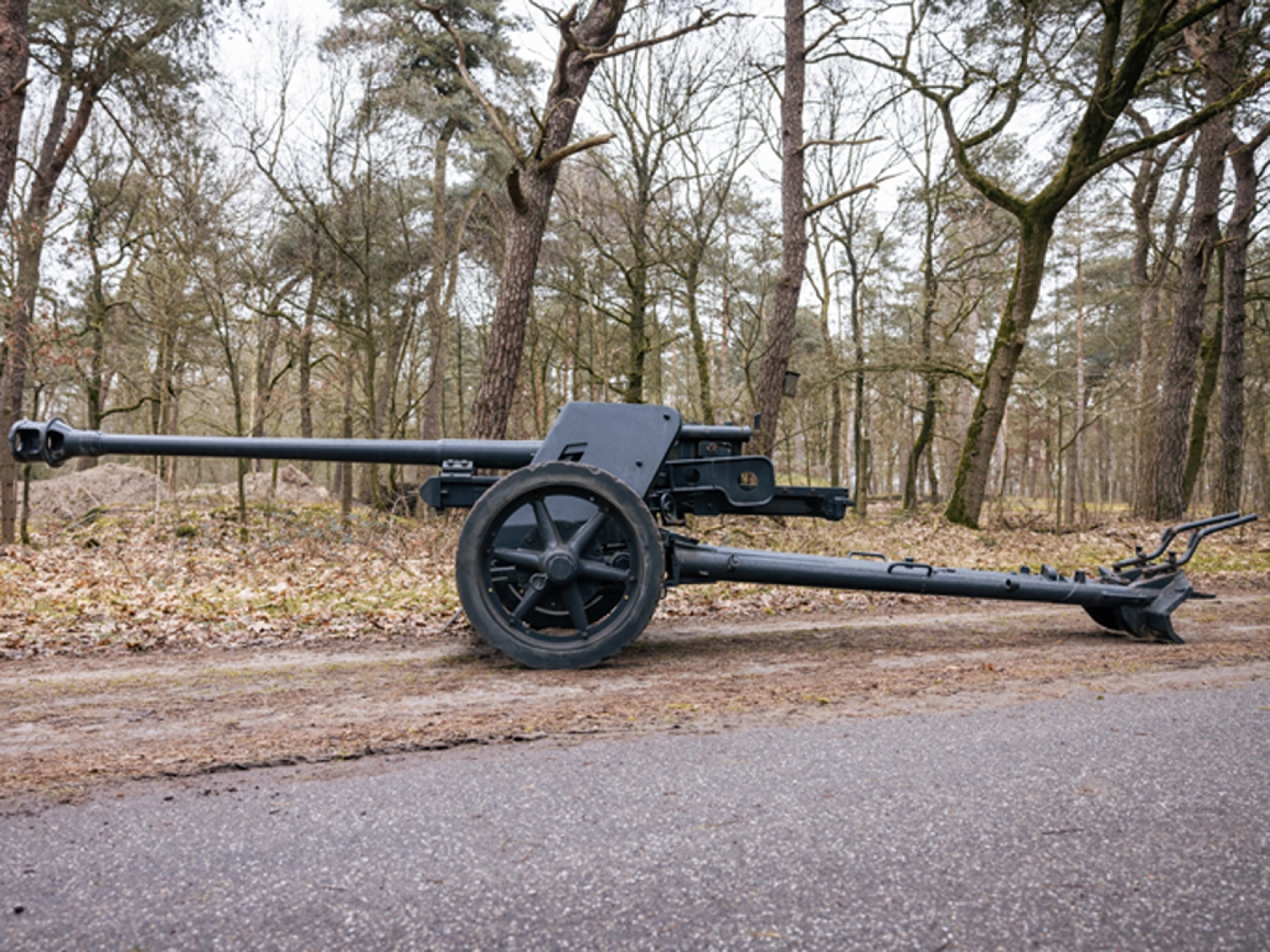


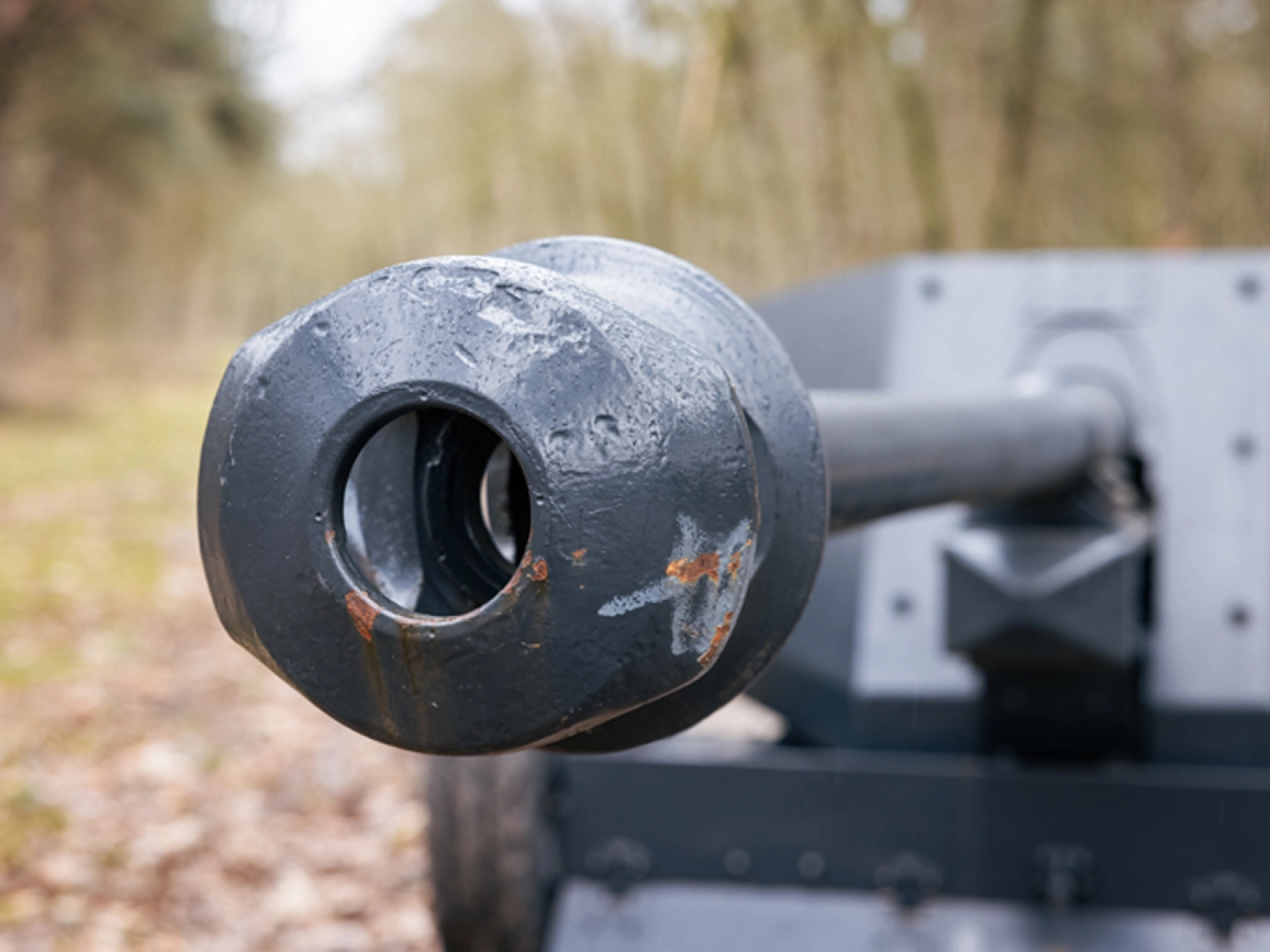


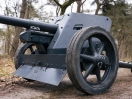

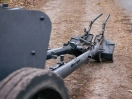


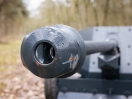


This PAK 40 is complete and historically authentic. While it is an older restoration, the cannon remains in good condition. It has been deactivated, making it an ideal display piece for collectors and military reenactment enthusiasts. Paired with a another German vehicle, for example a Sd.Kfz 251 or Saurer, this cannon creates a stunning presence at events.
This PAK 40 is complete and historically accurate. It is an older restoration but still in nice condition. The gun is deactivated, making it an excellent display piece at reenactment events for collectors and military enthusiasts.
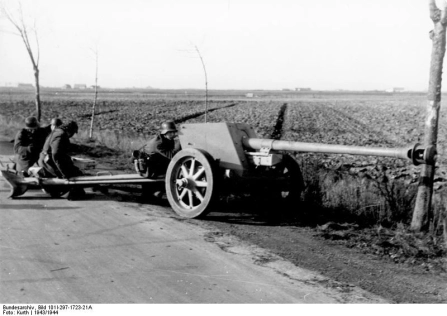
The 7,5 cm Panzerabwehrkanone 40 (Pak 40) was developed in 1939–1941 and entered service in 1942. With 23,303 examples produced, the Pak 40 formed the backbone of German anti-tank guns for the later part of World War II, mostly in towed form, but also on a number of self-propelled artillery such as the Marder series of Panzerjäger.
The Pak 40 was the standard German anti-tank gun until the end of the war, and was supplied by Germany to its allies. Some captured guns were used by the Soviet Red Army. The weapon was effective against almost every Allied tank until the end of the war, only struggling to penetrate heavier vehicles like the Russian IS tanks, the American M4A3E2 Sherman ‘Jumbo’ assault tank and M26 Pershing[a], and later variants of the British Churchill tank. The Pak 40 was much heavier than the Pak 38; its decreased mobility meant that it was difficult or even impossible to move without an artillery tractor on boggy ground.
After the war, the Pak 40 remained in service in several European armies, including Albania, Bulgaria, Czechoslovakia, Finland, Norway, Hungary and Romania.



Ivo Rigter Sr.
Founder & Co Owner of BAIV and Tracksandtrade
+31 6 518 22 502 ivosr.rigter@tracksandtrade.com