Ivo Rigter Sr.
Founder & Co Owner of BAIV and Tracksandtrade
+31 6 518 22 502 ivosr.rigter@tracksandtrade.com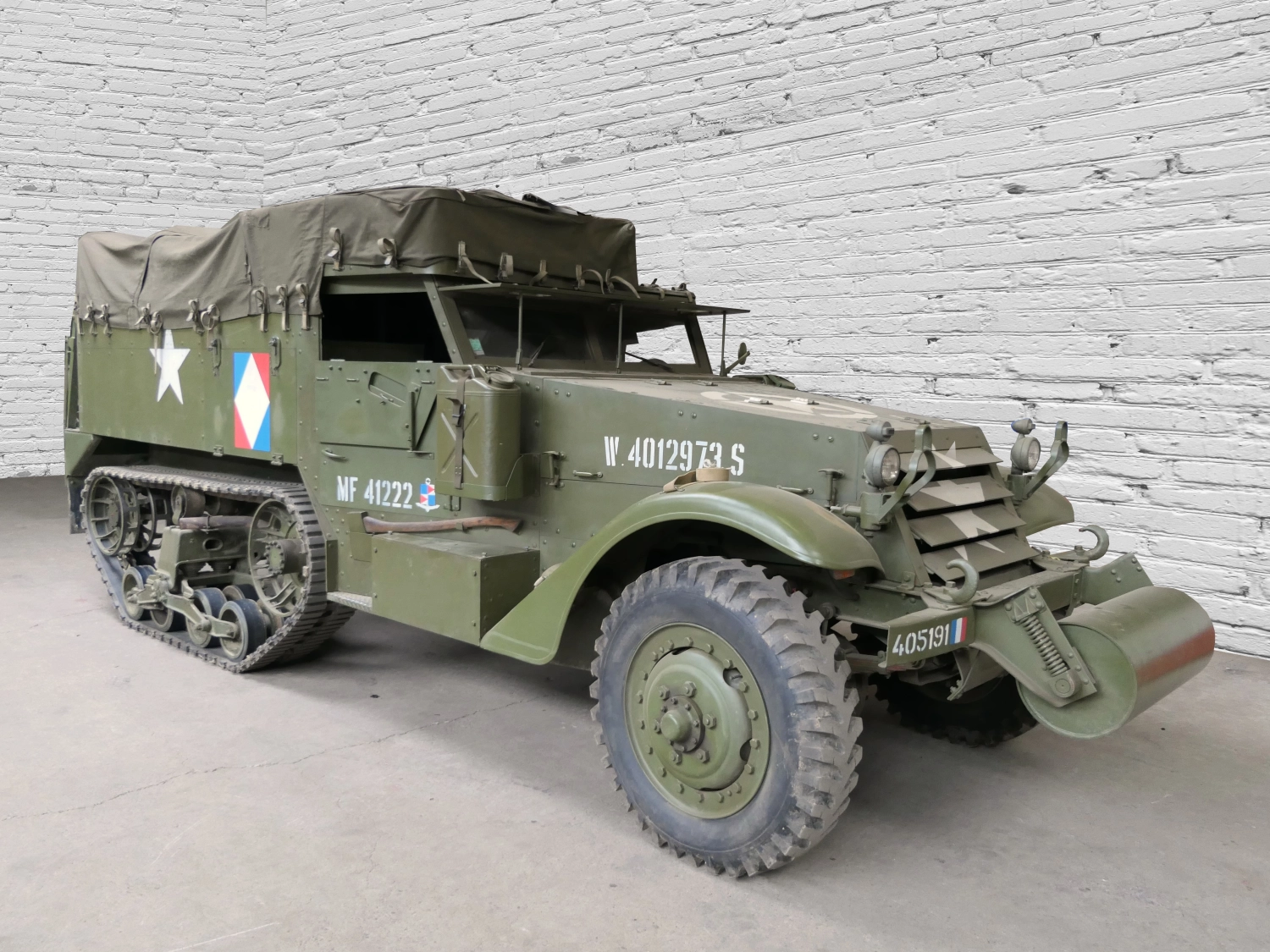


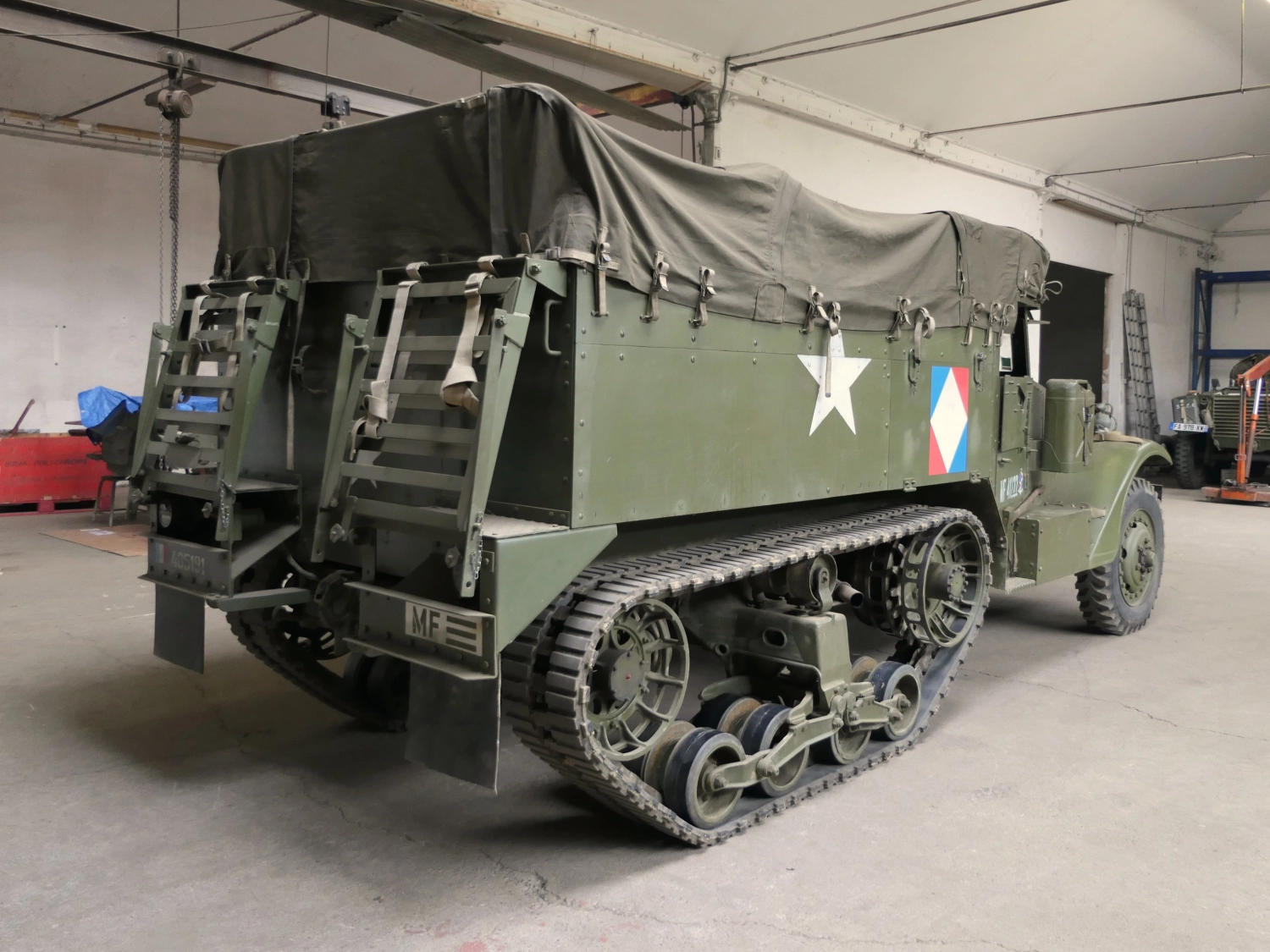
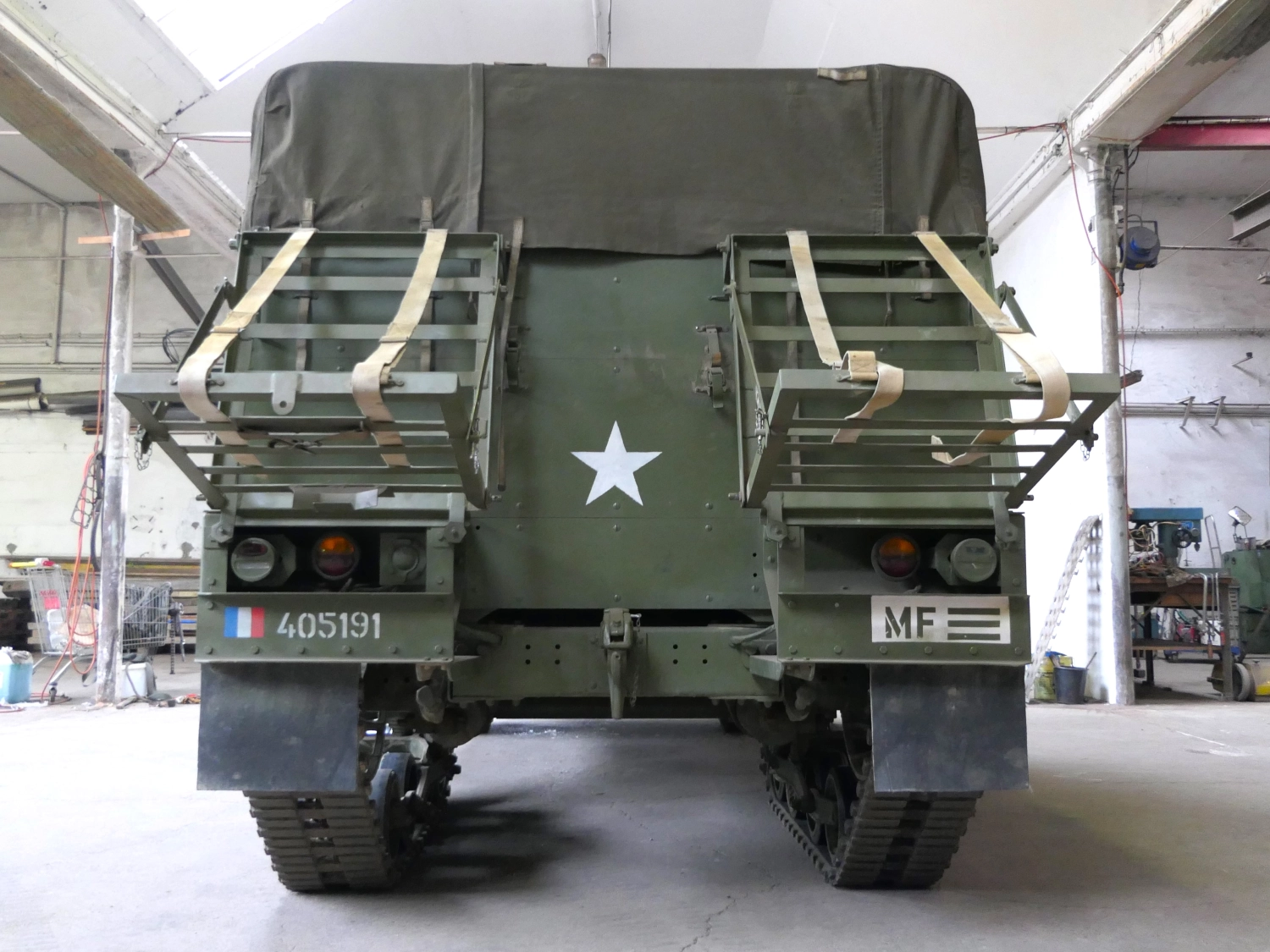
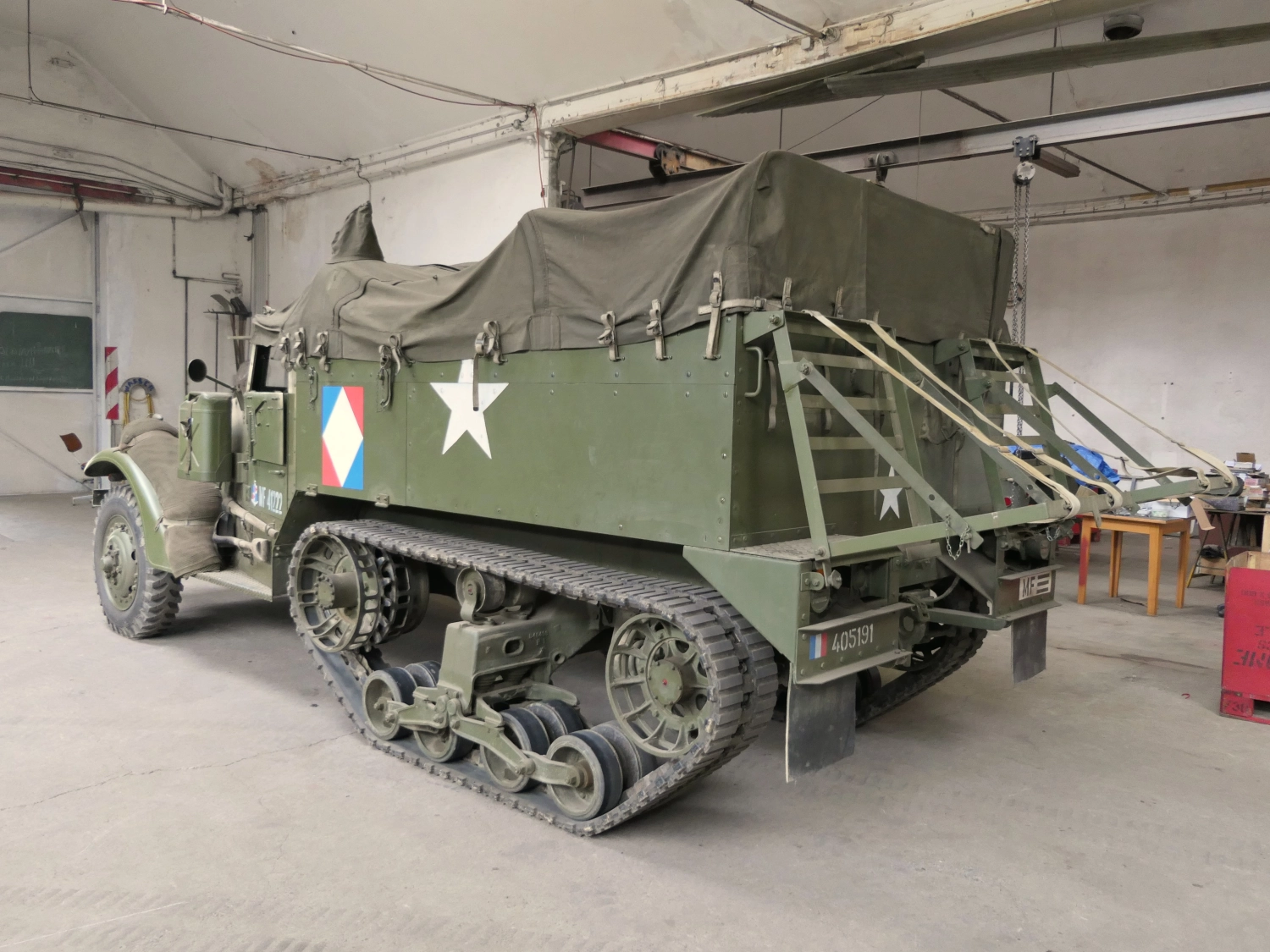
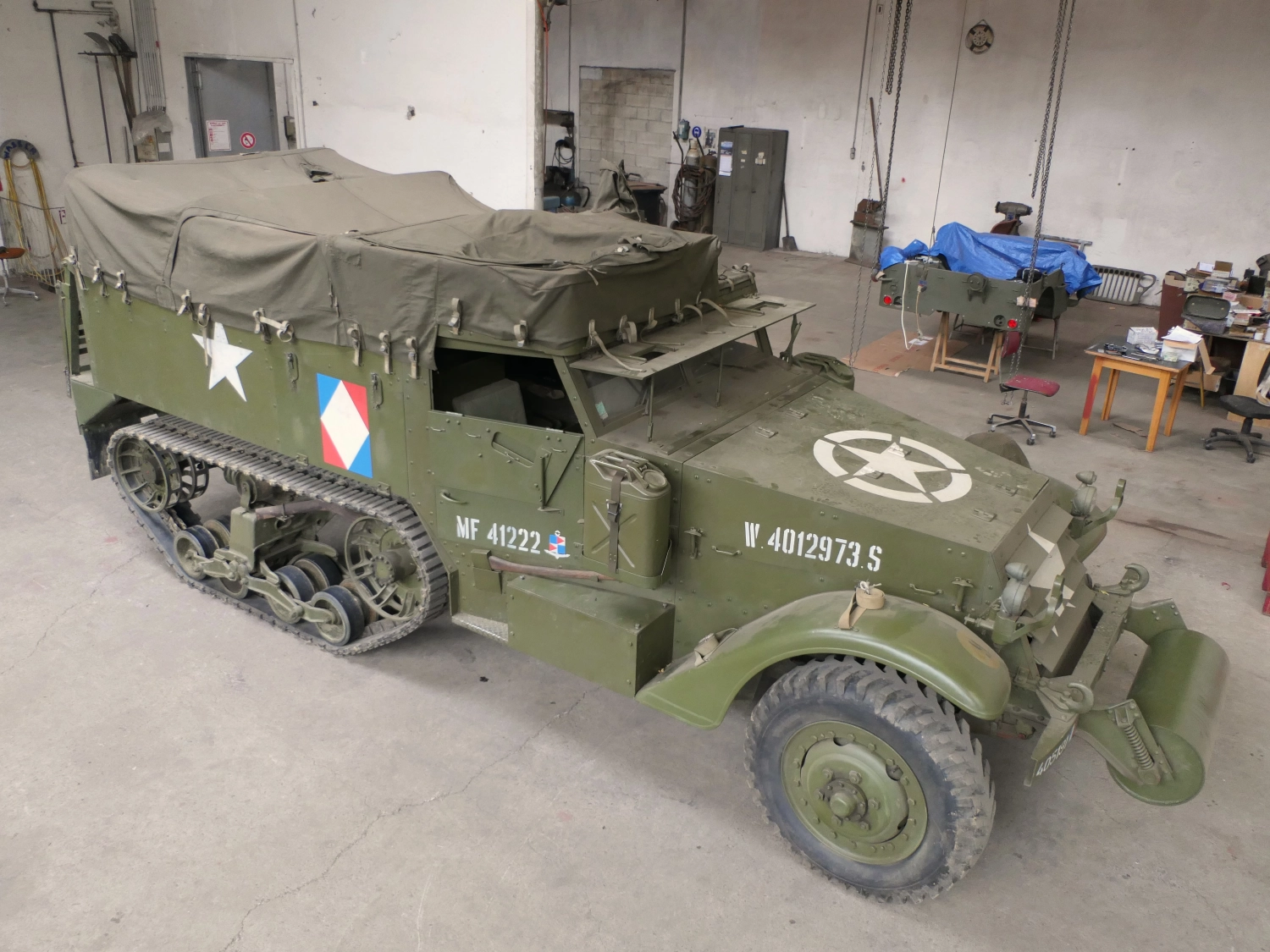

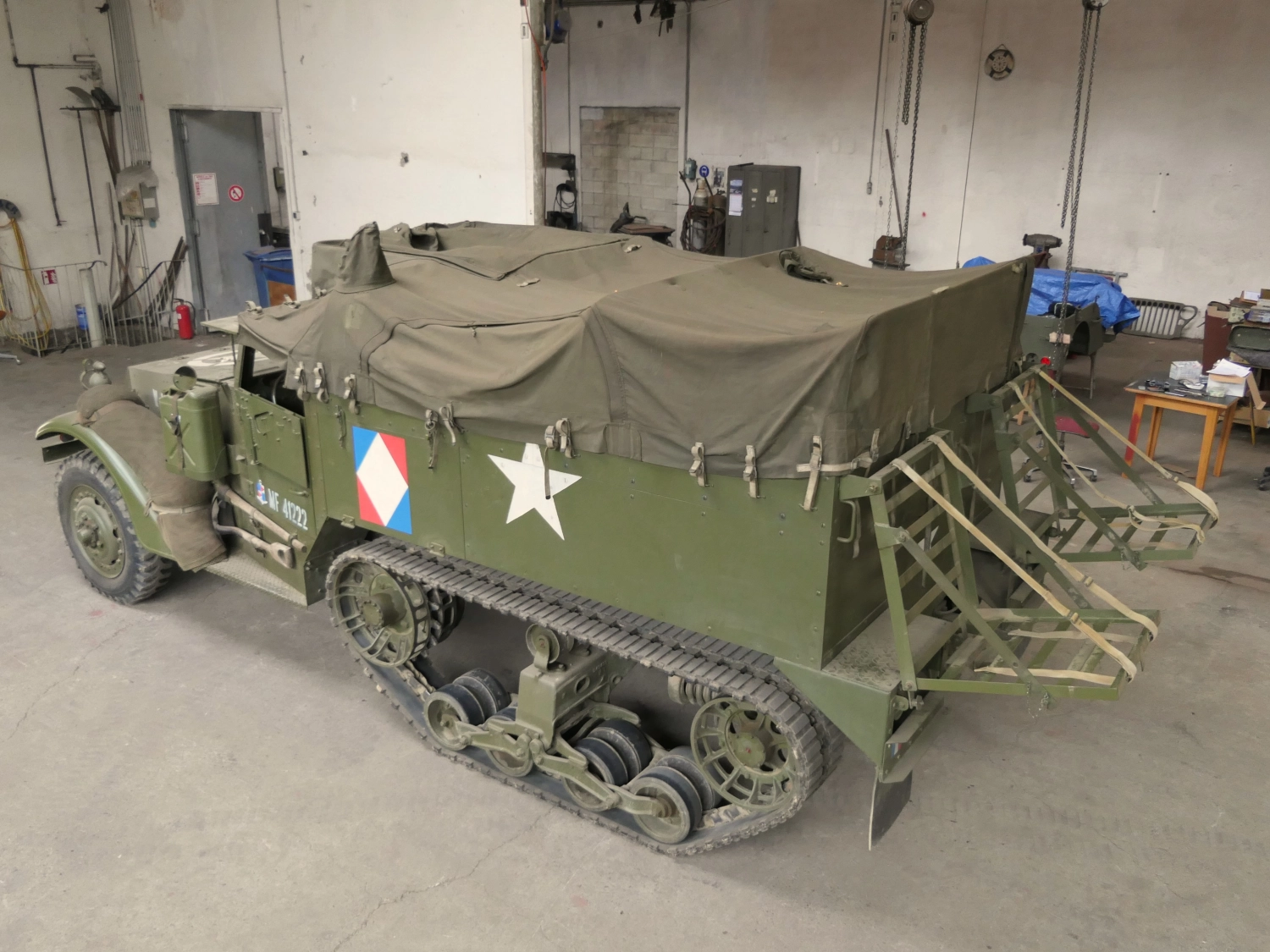
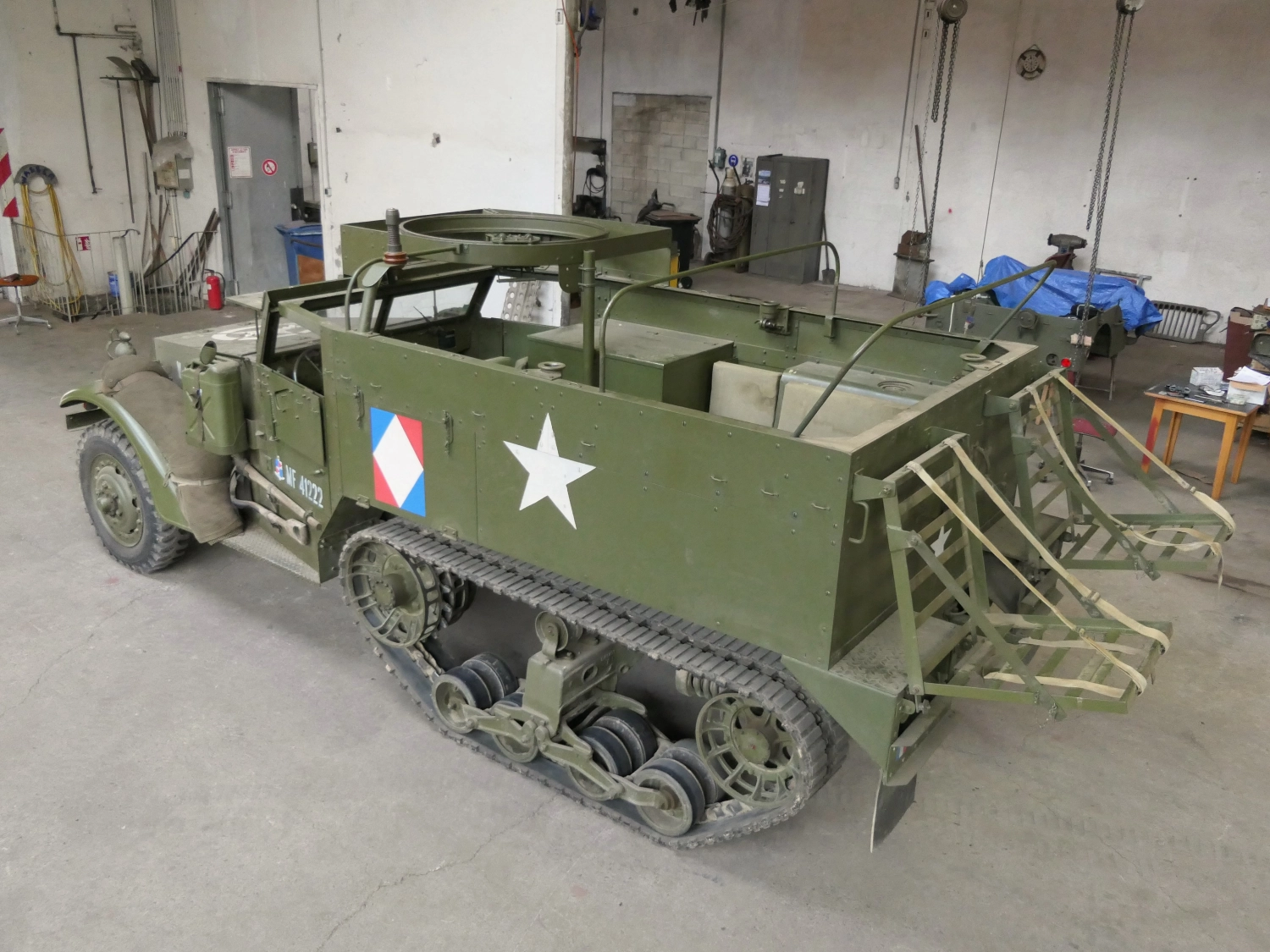

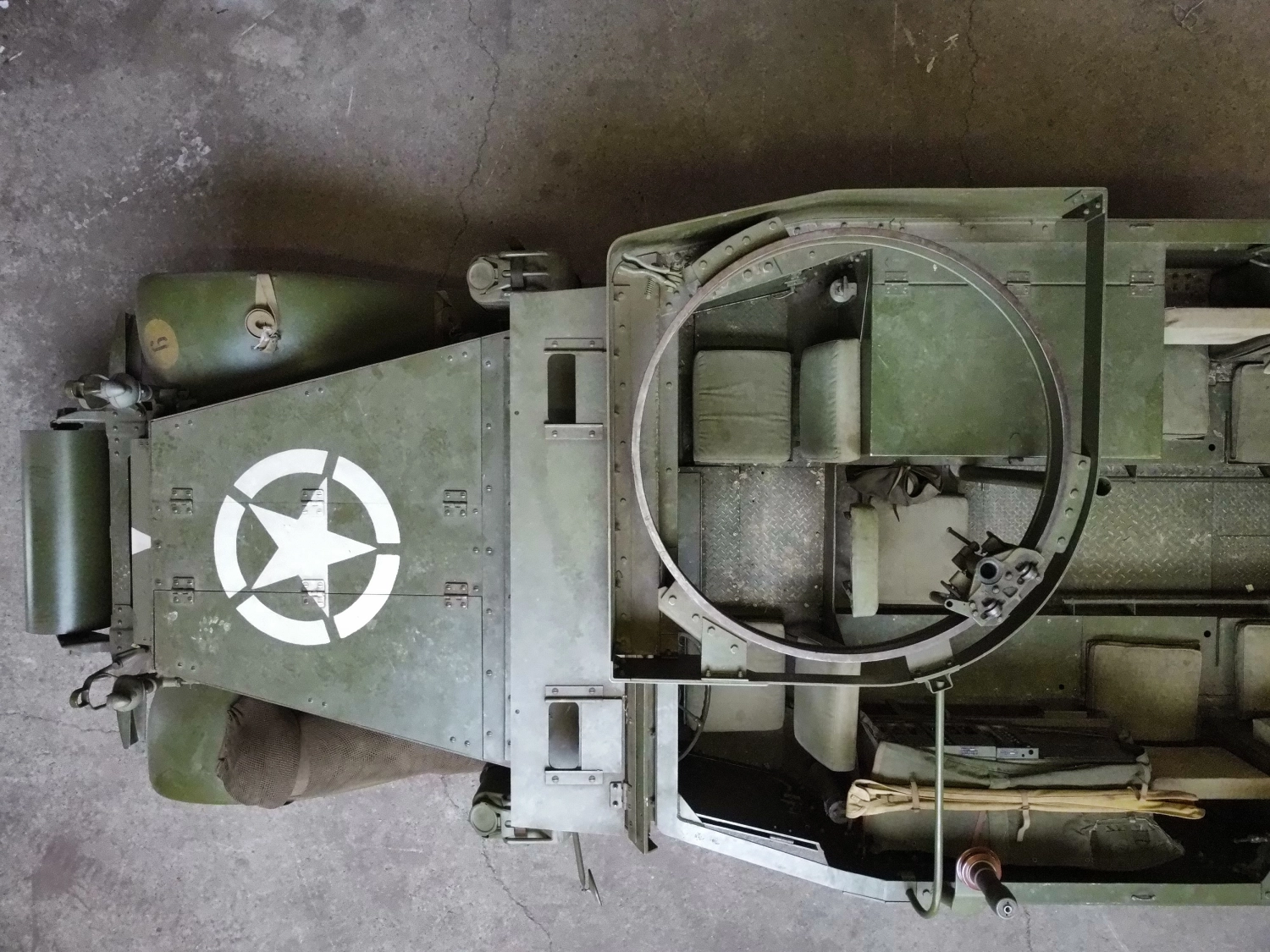


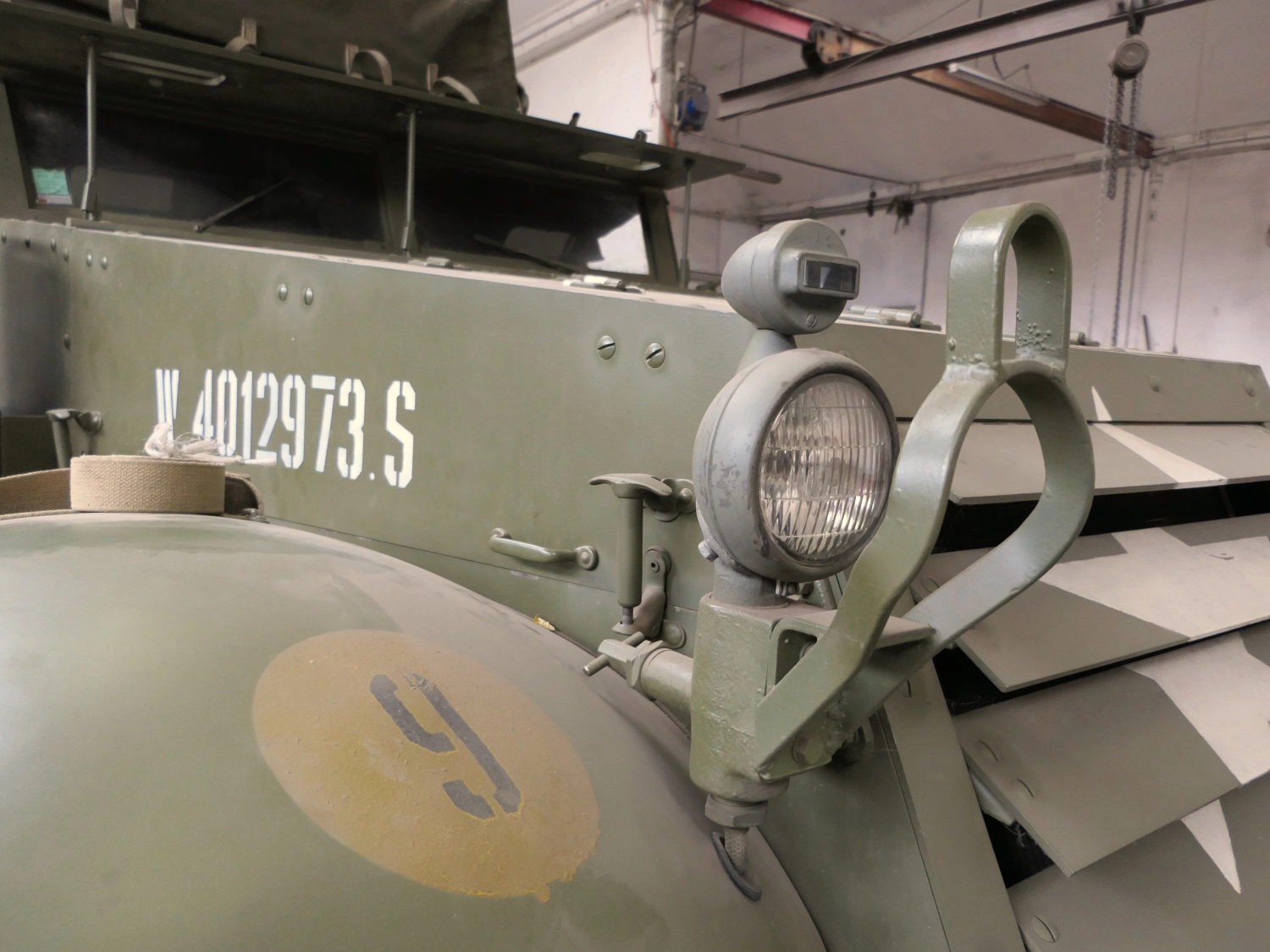


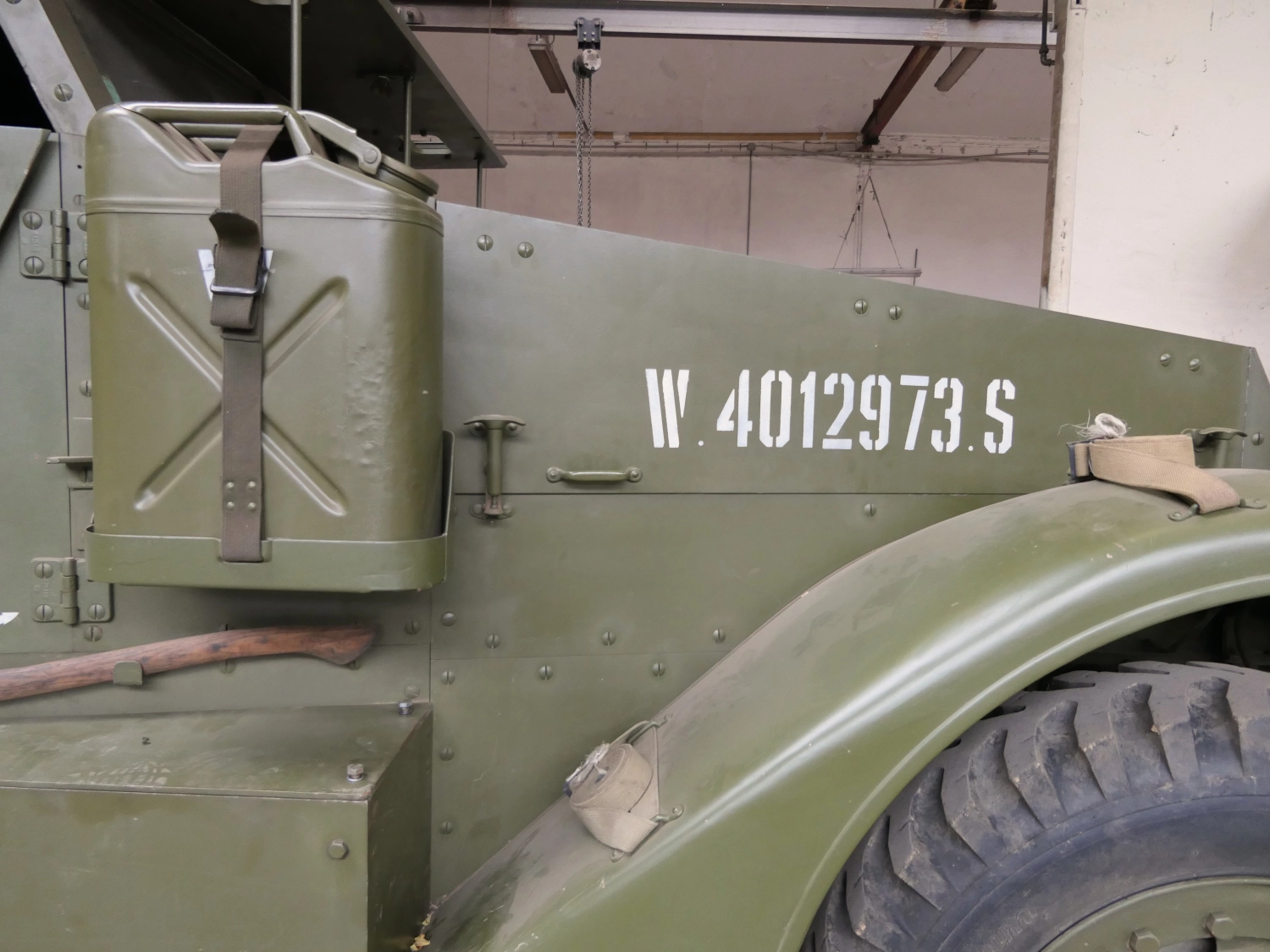
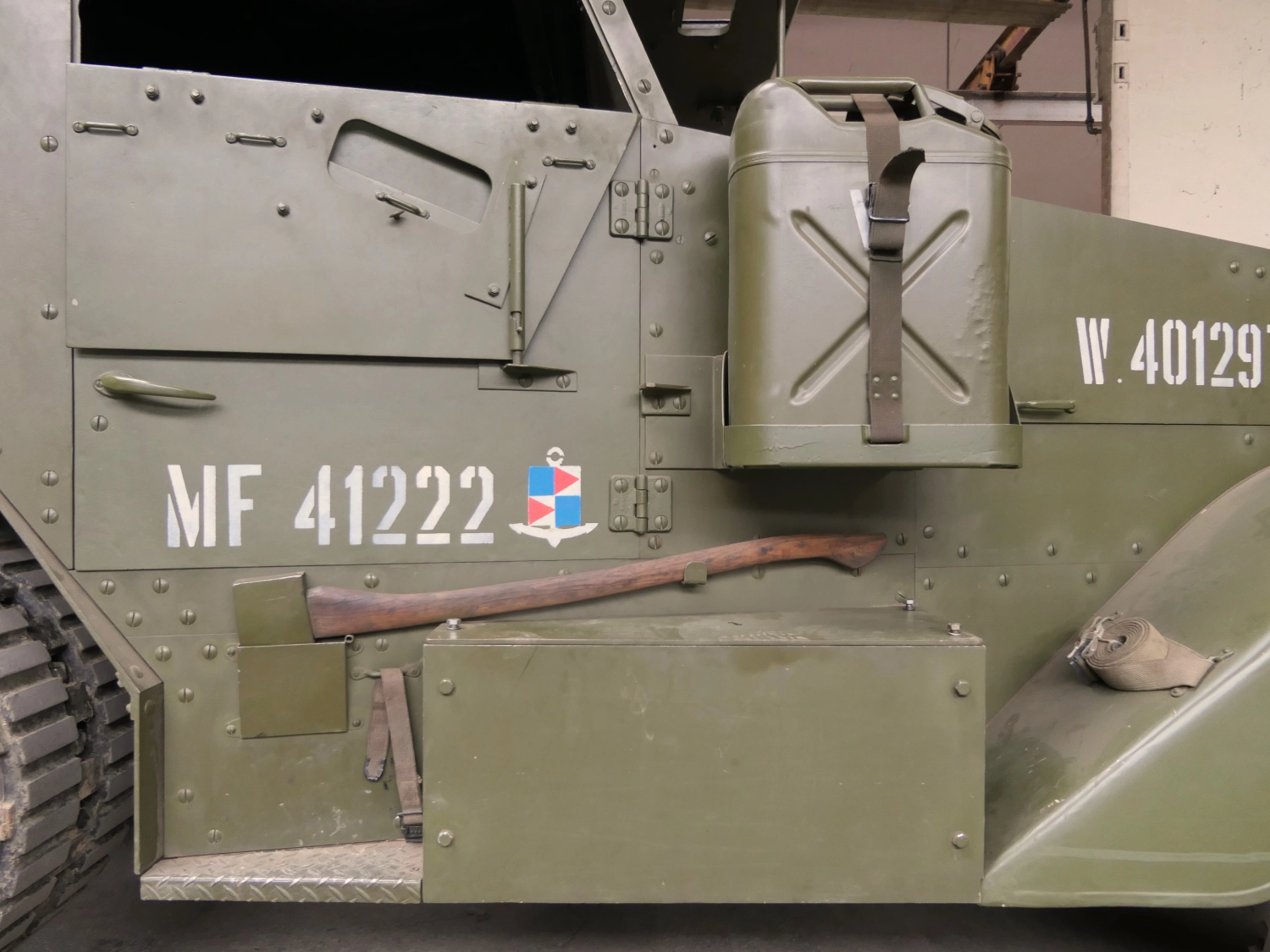


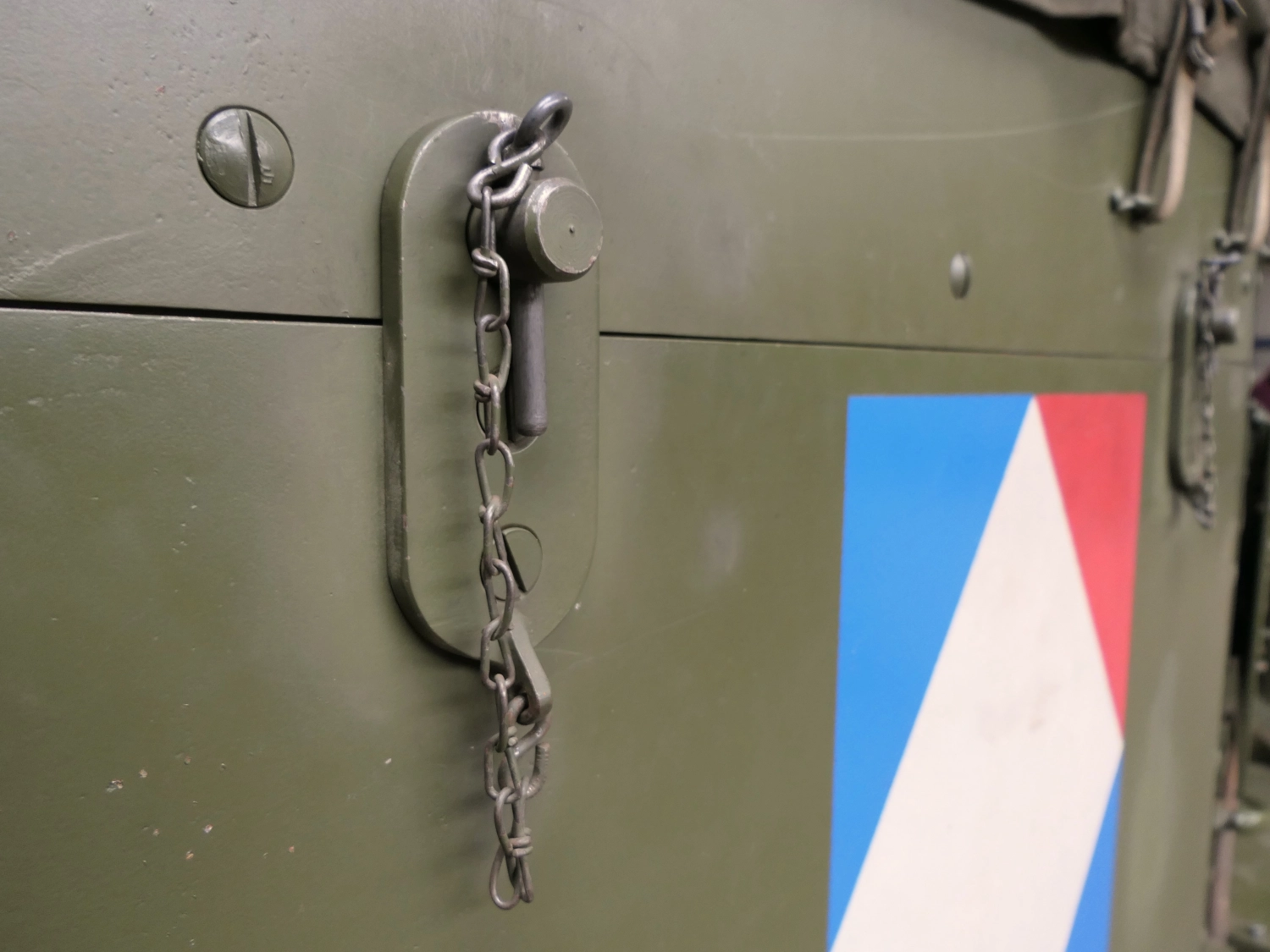

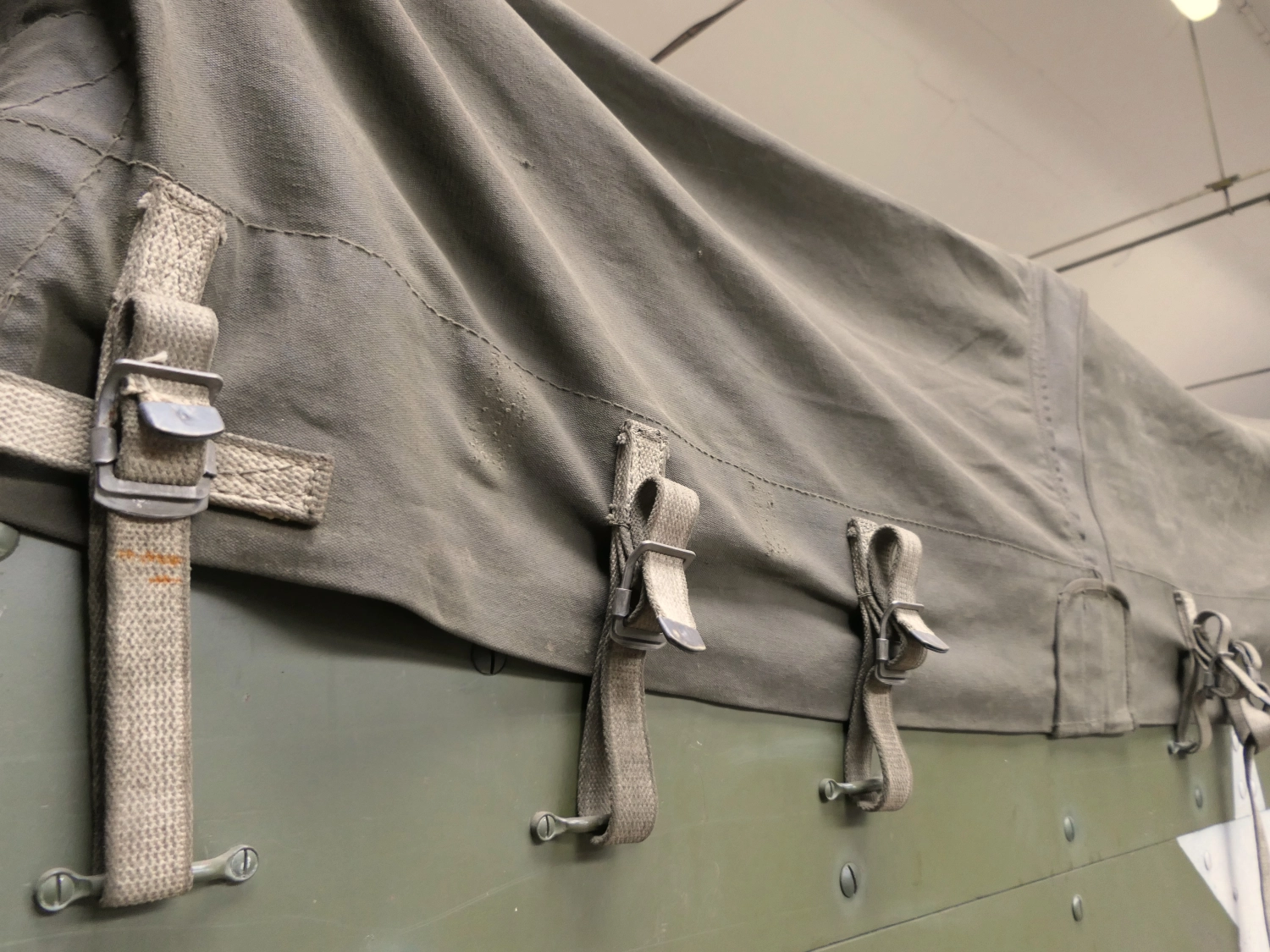
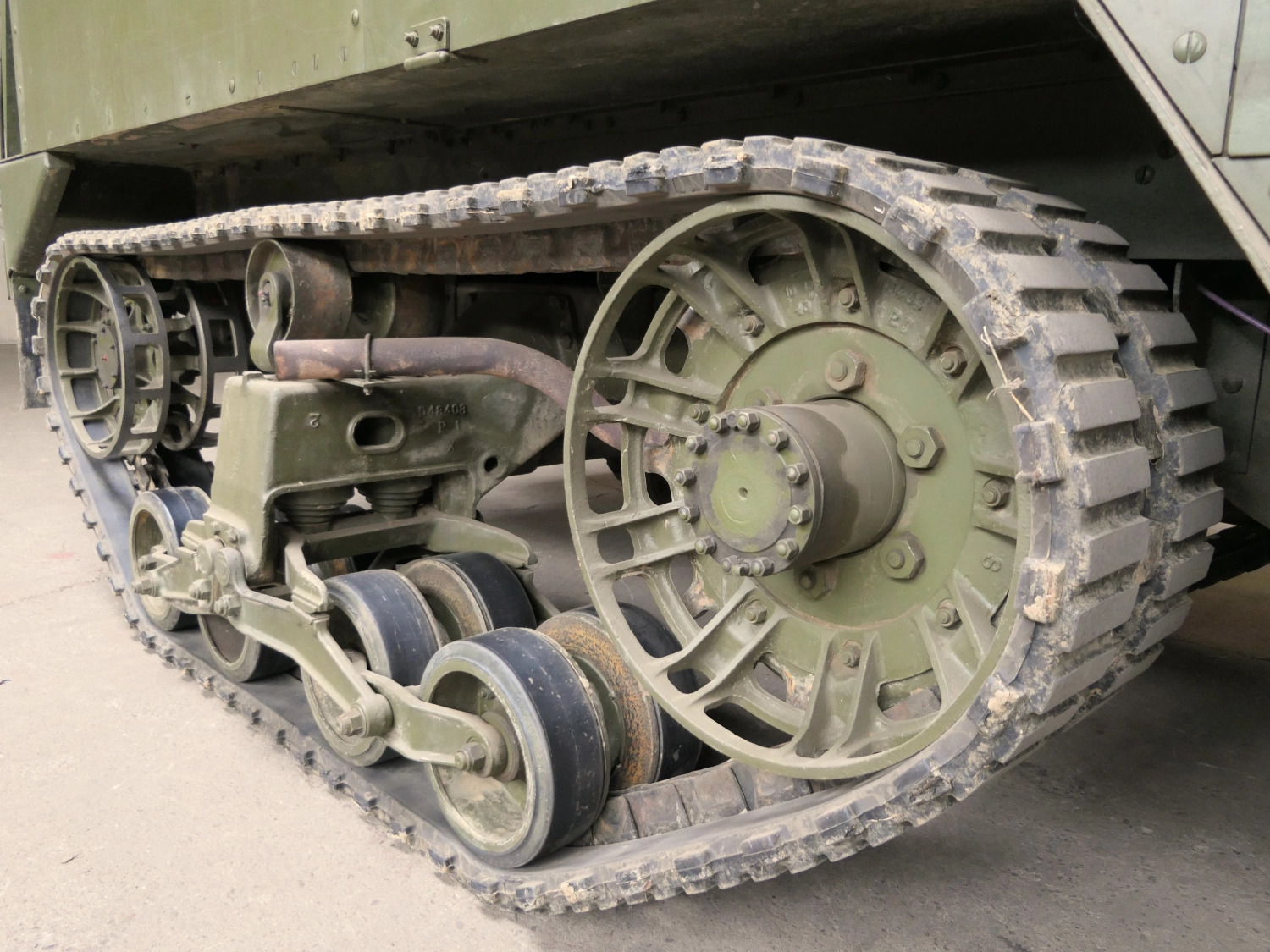

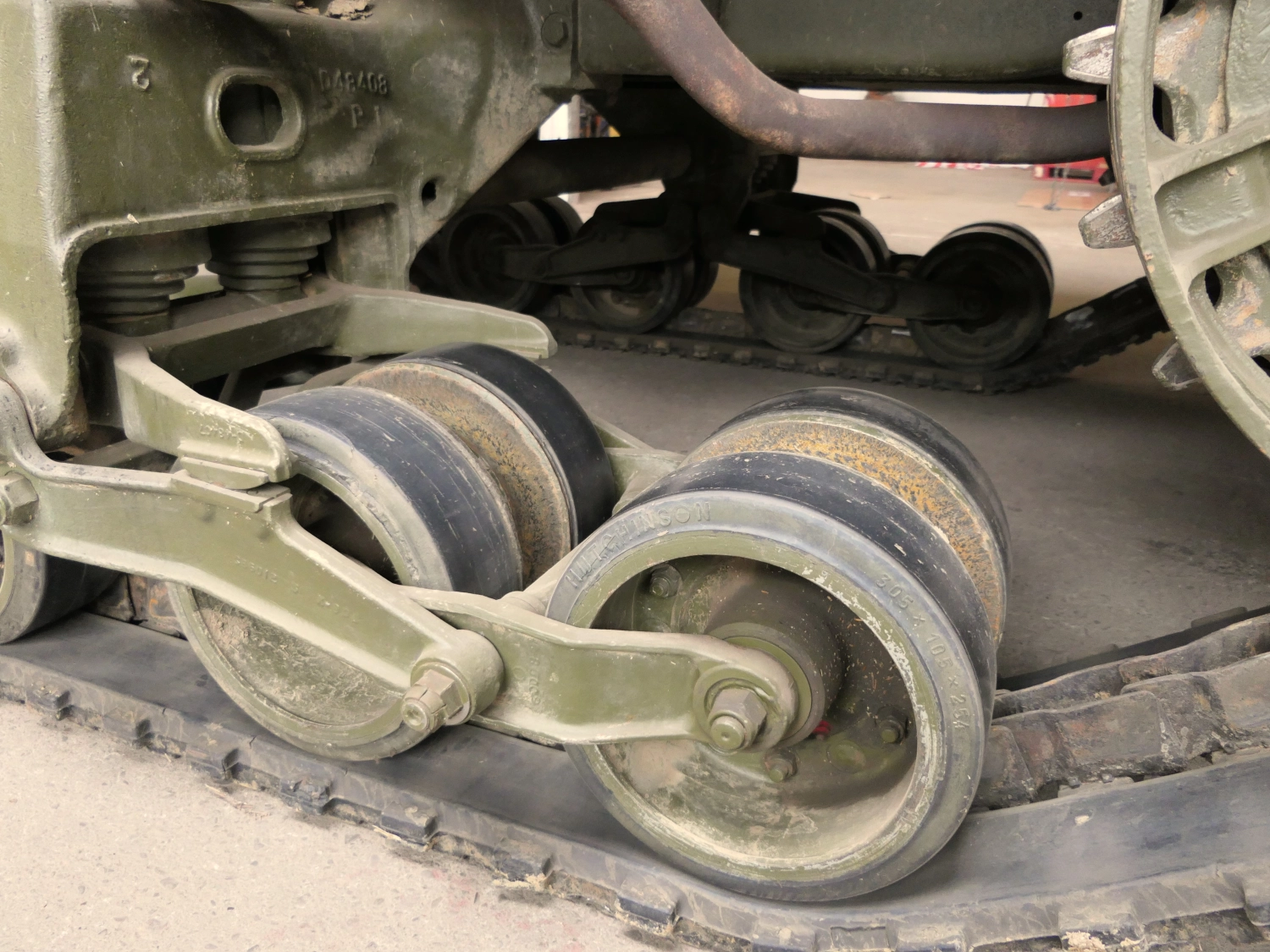


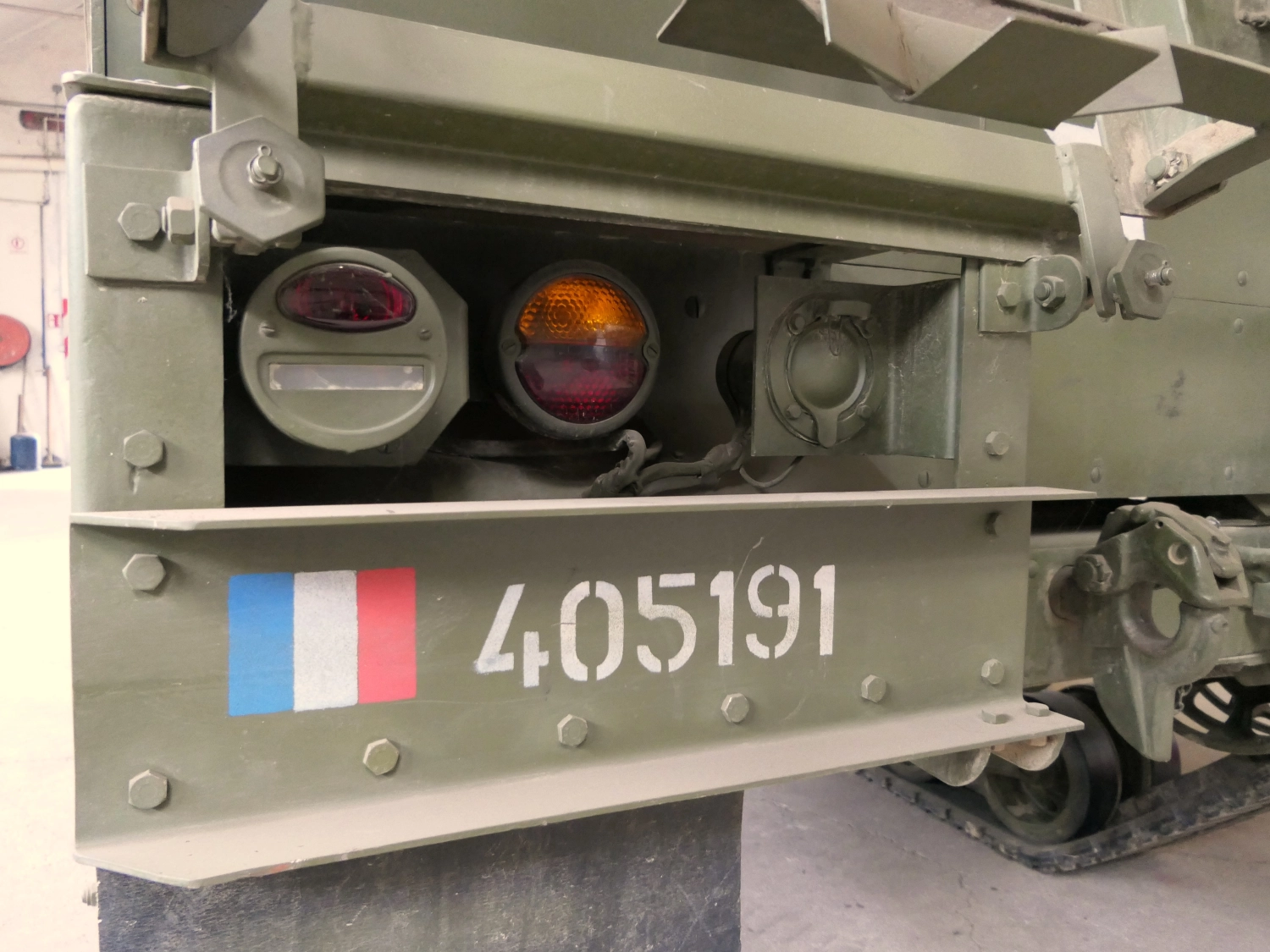


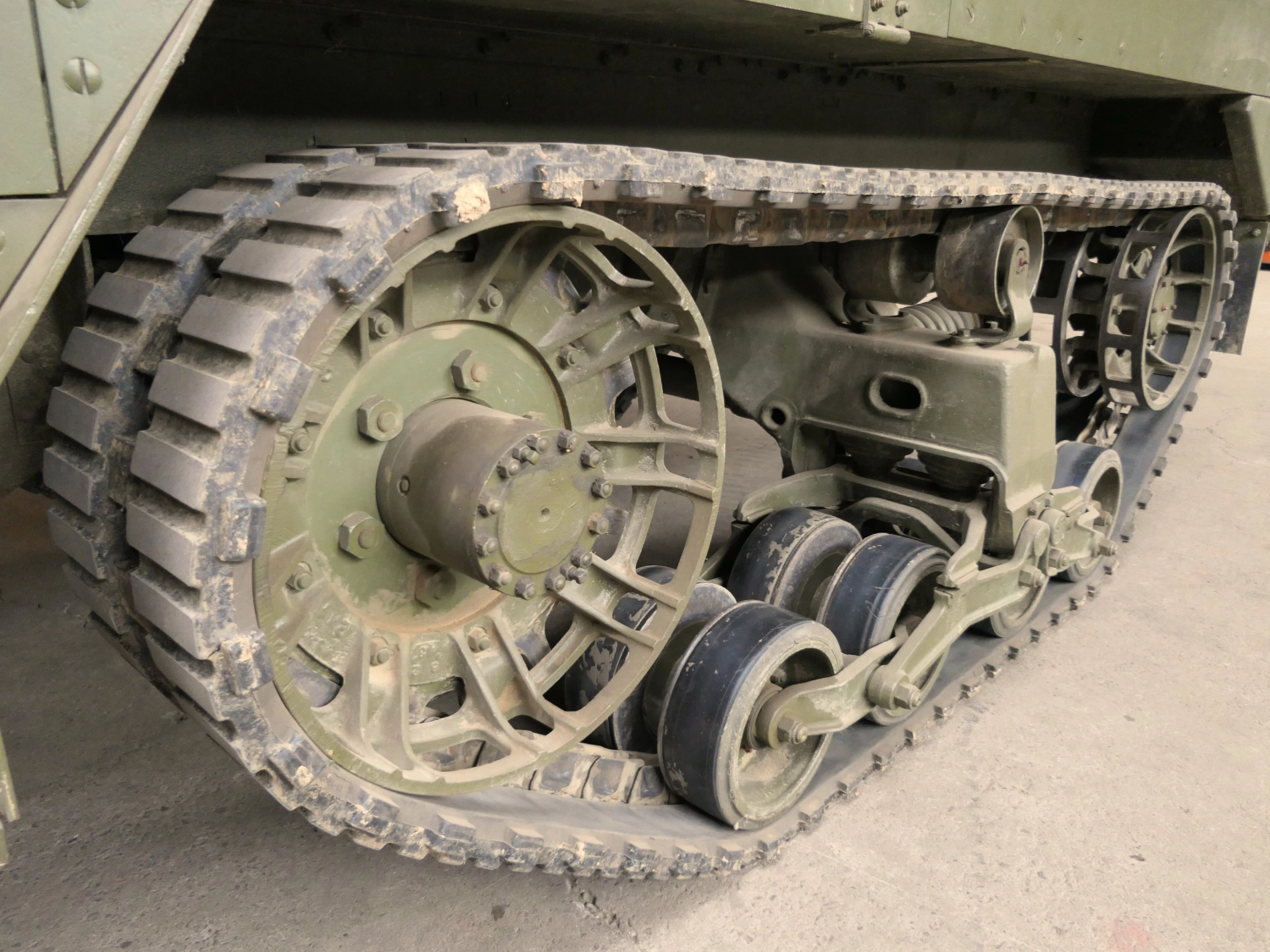


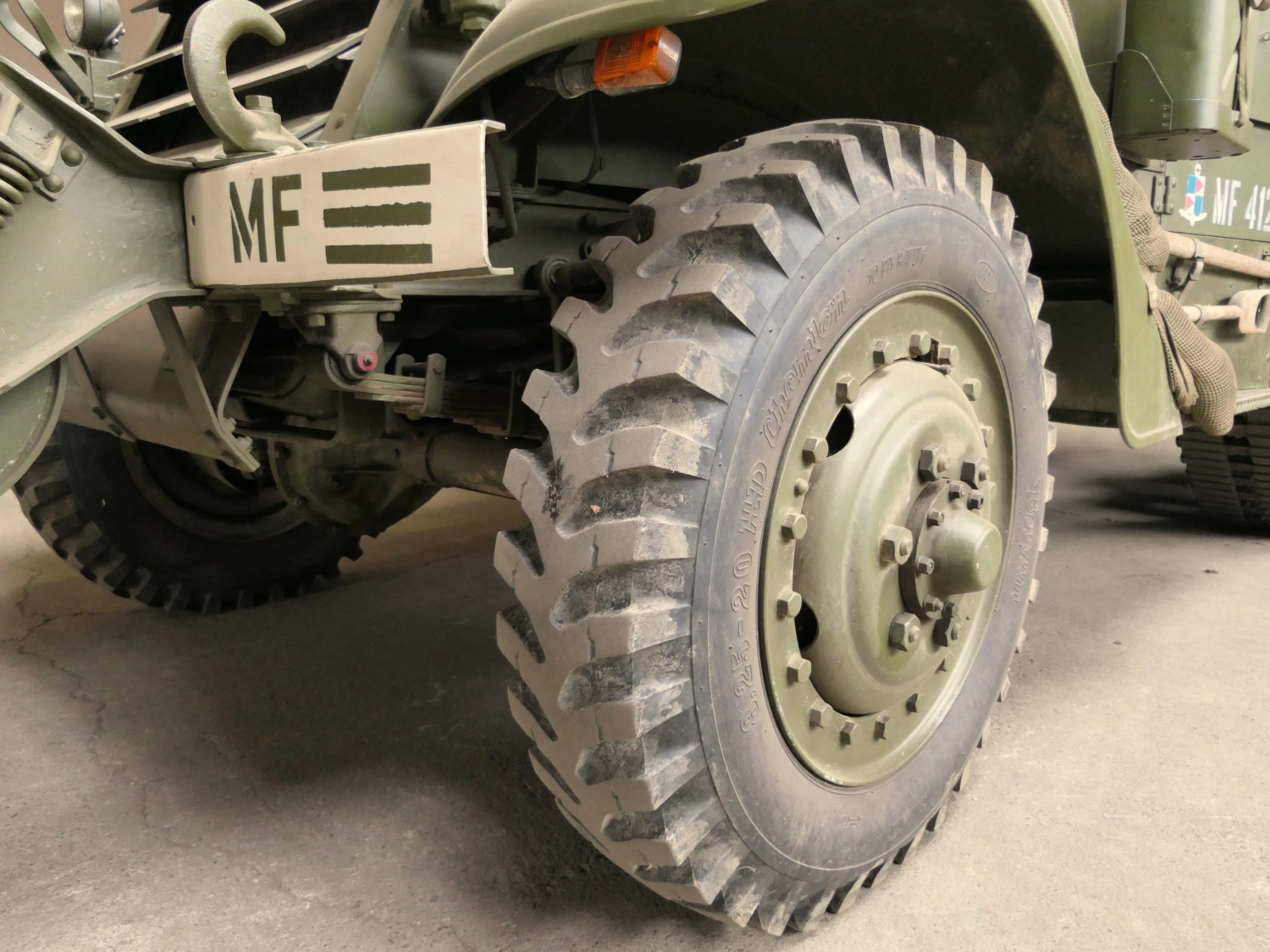

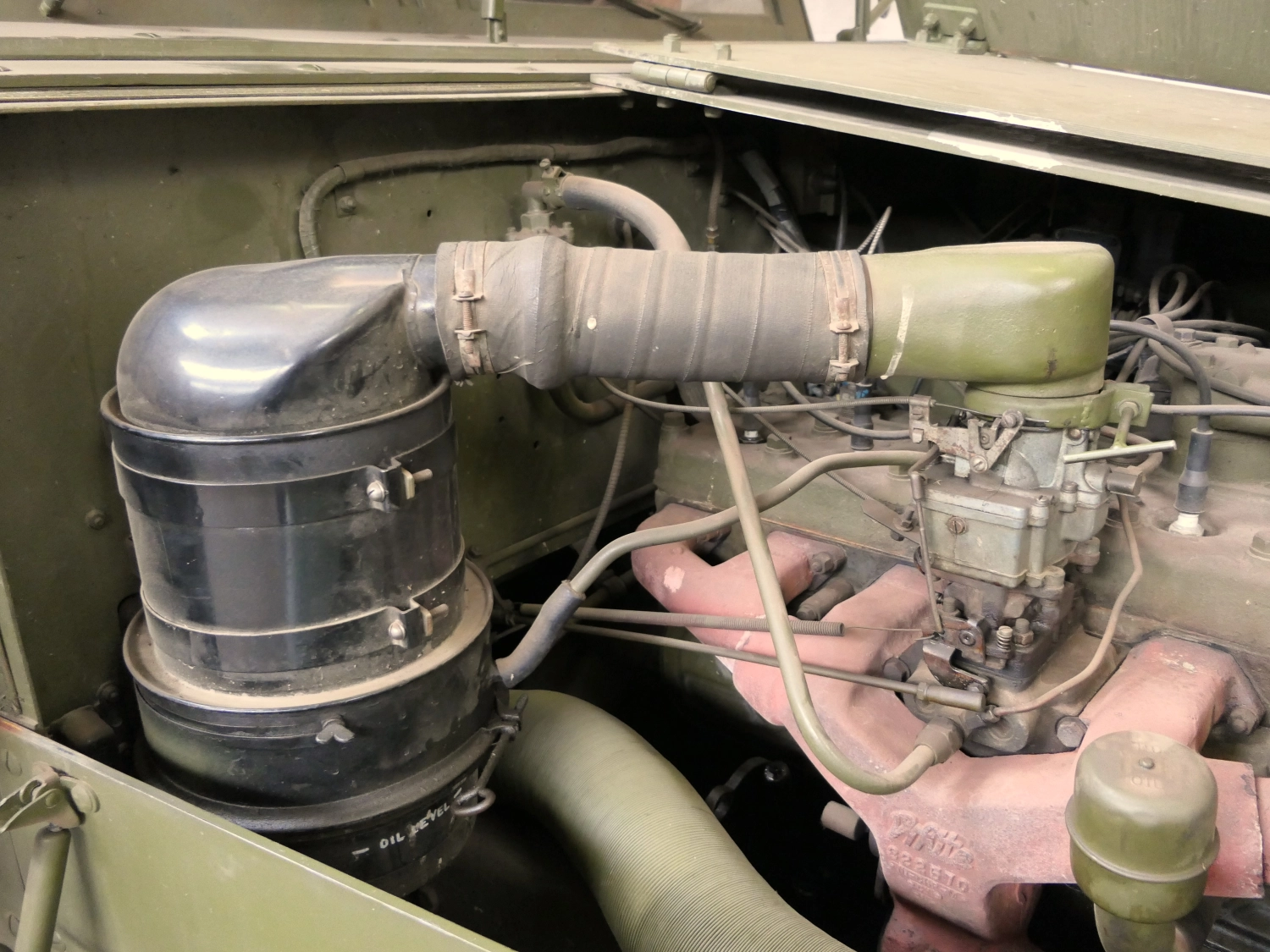


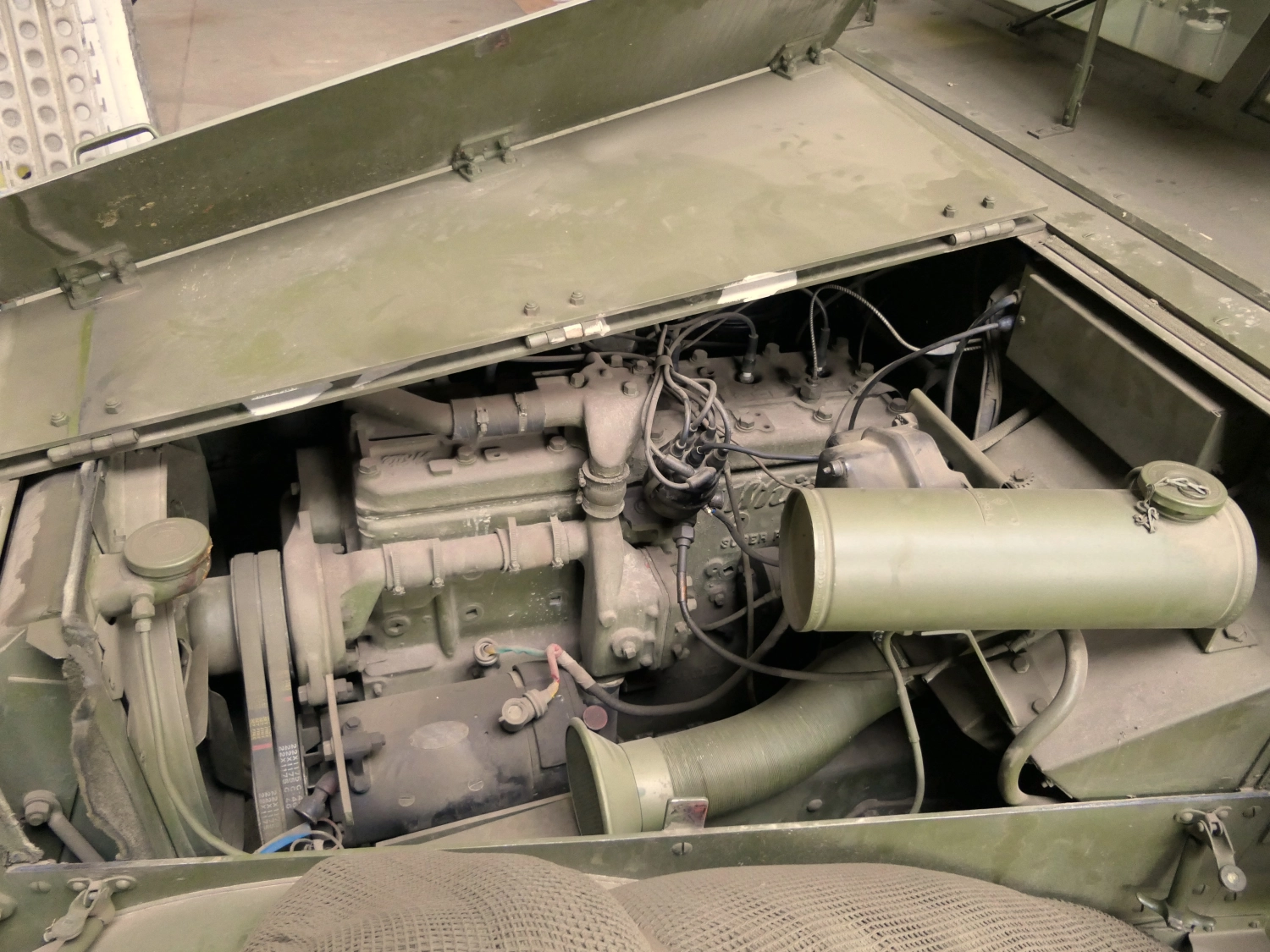

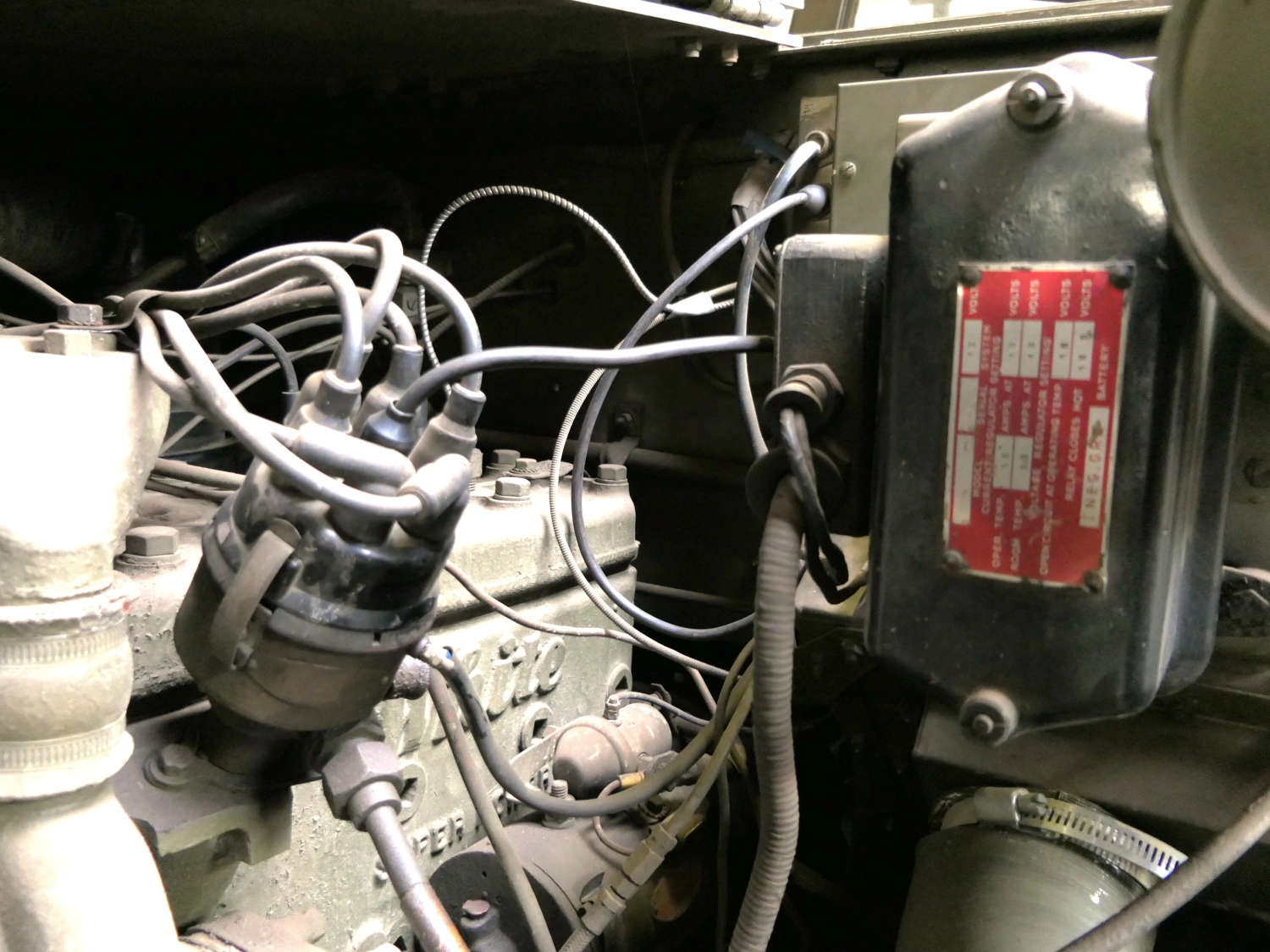
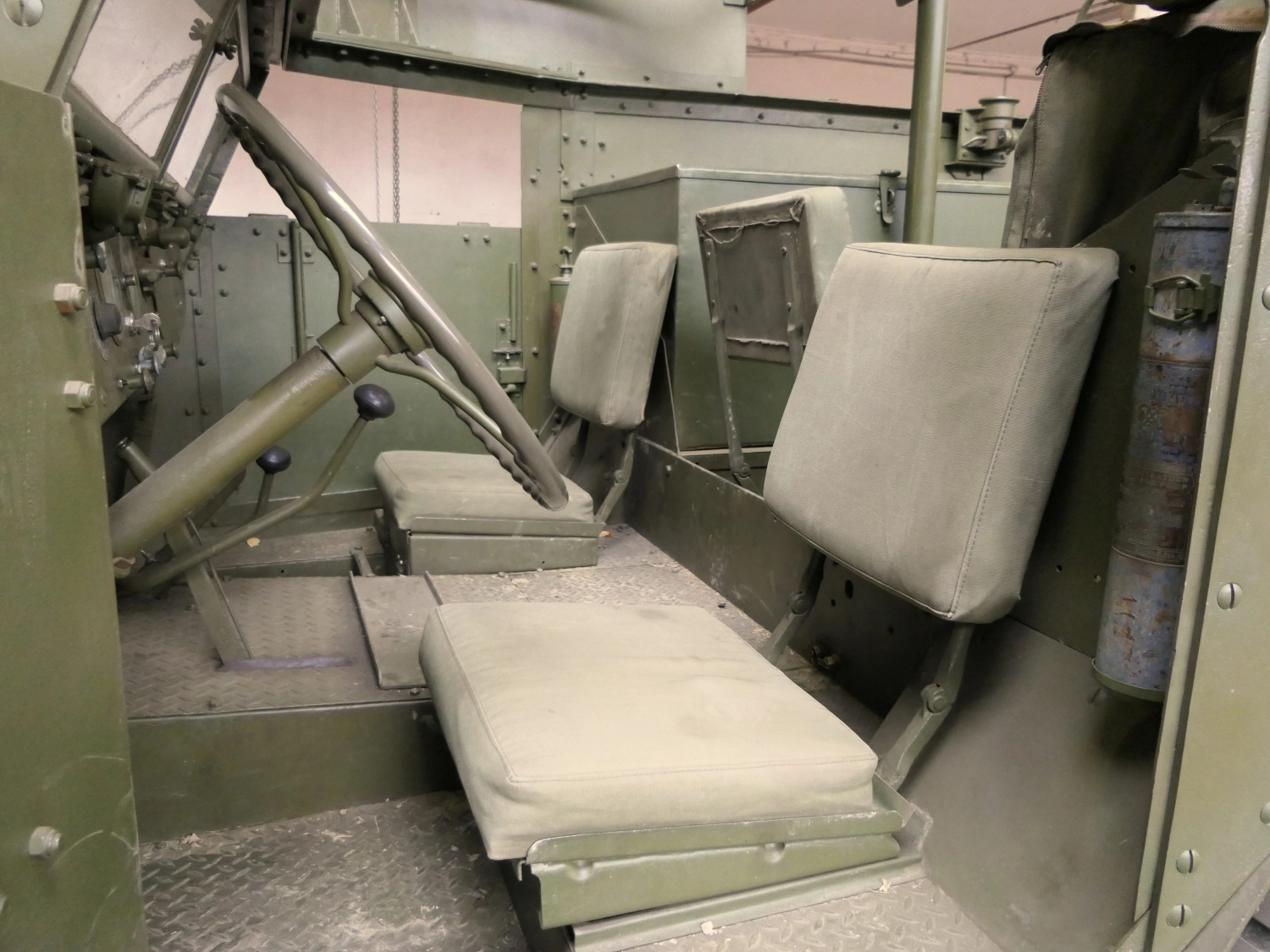

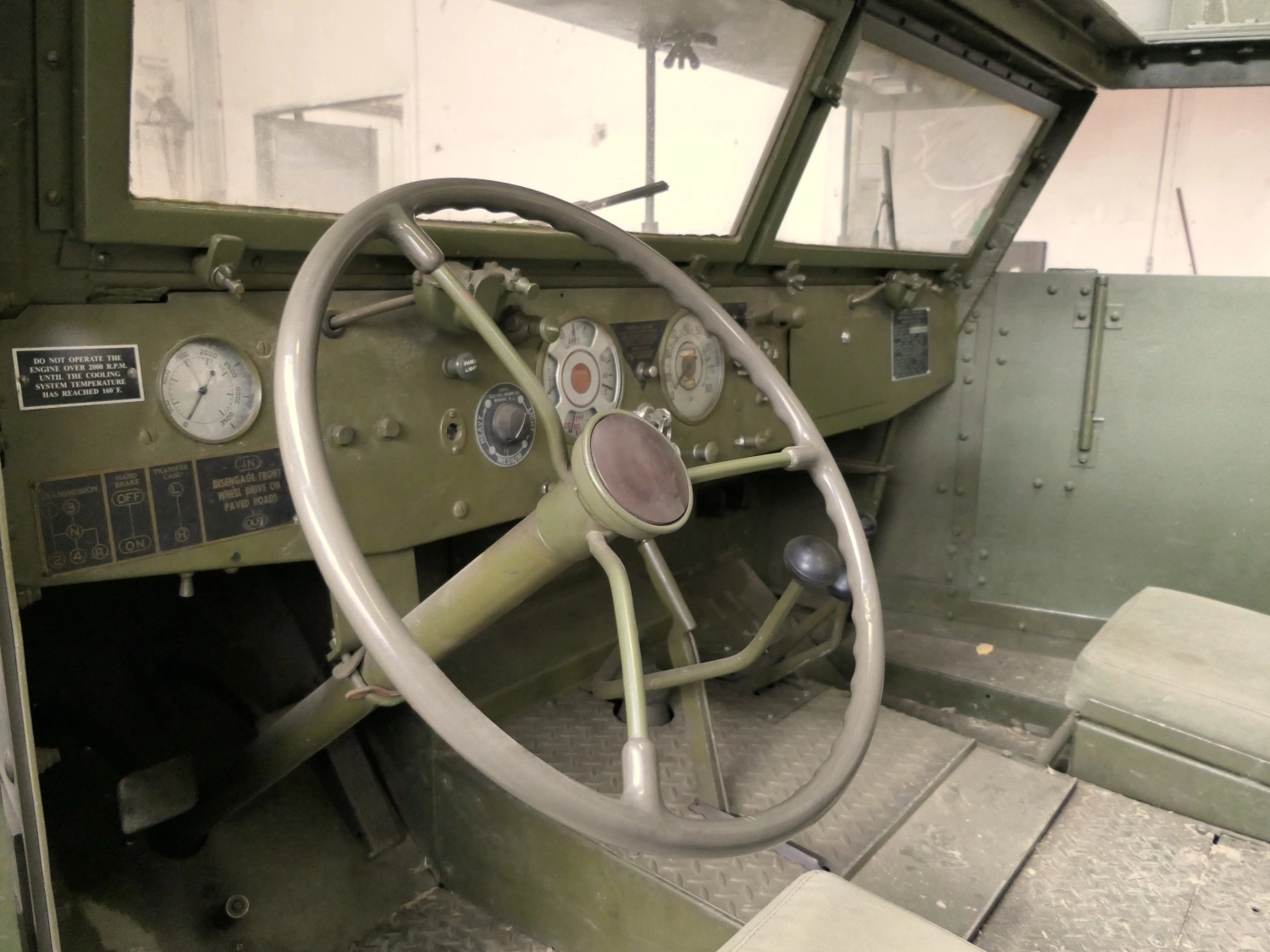
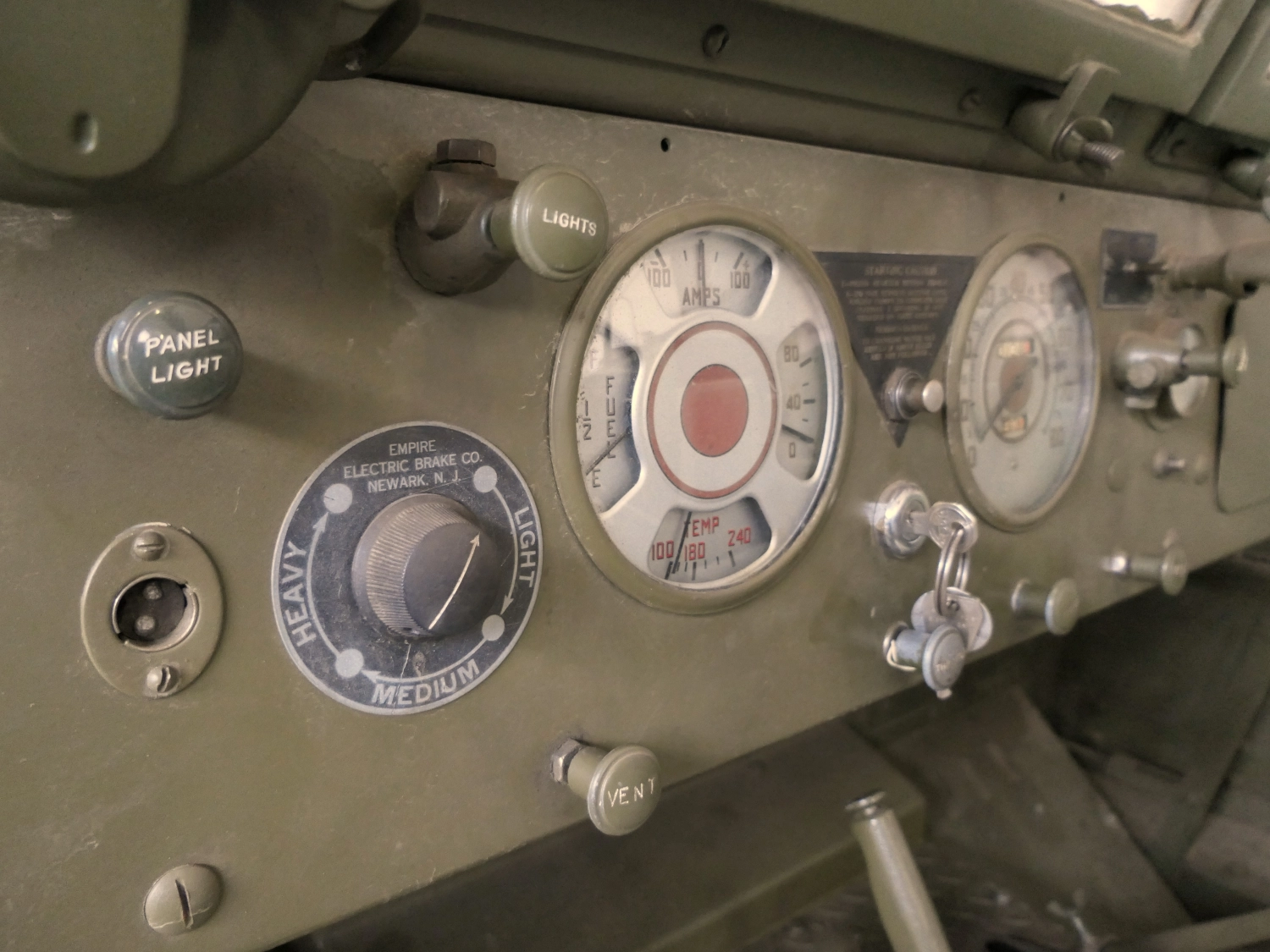
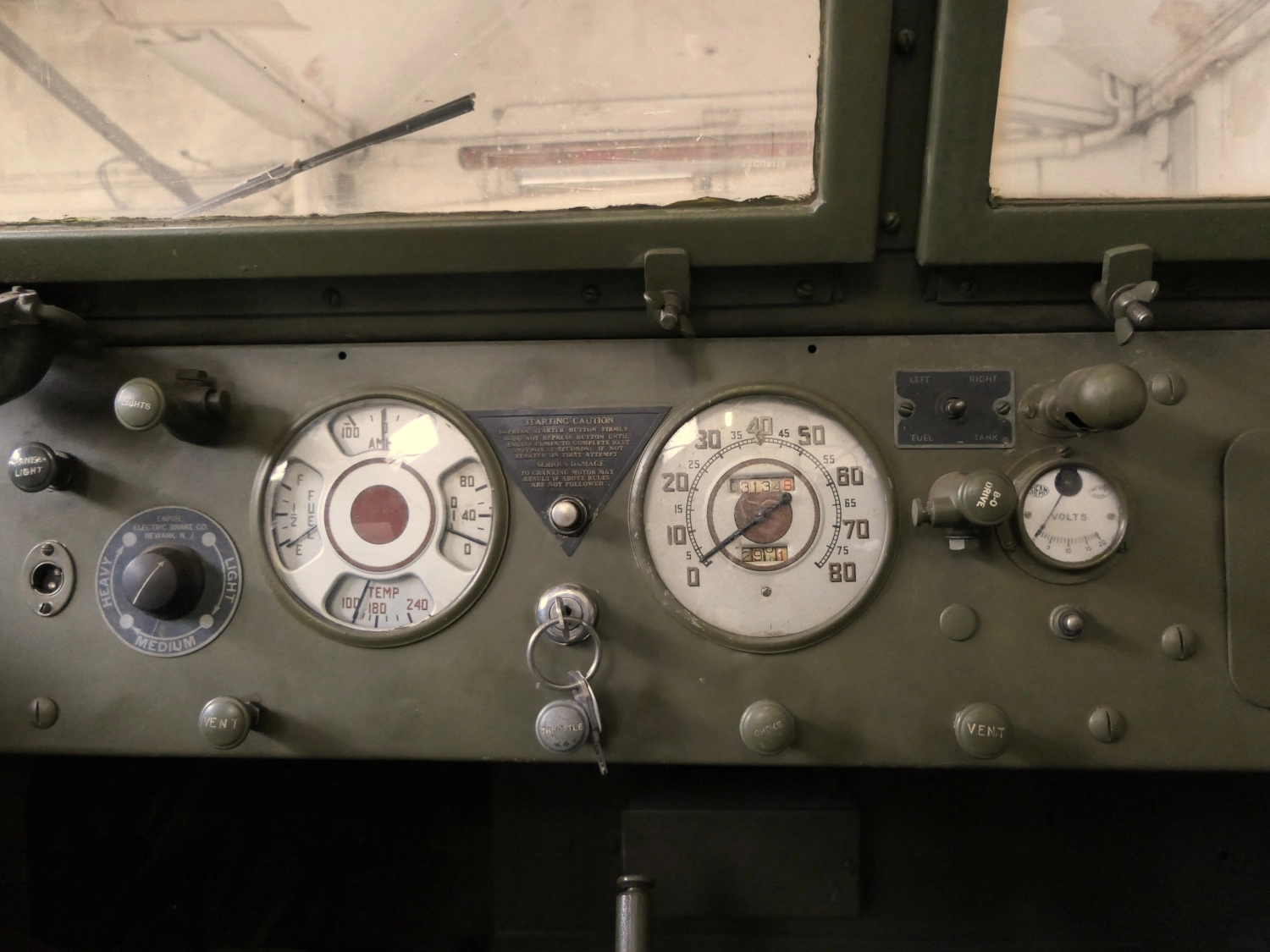


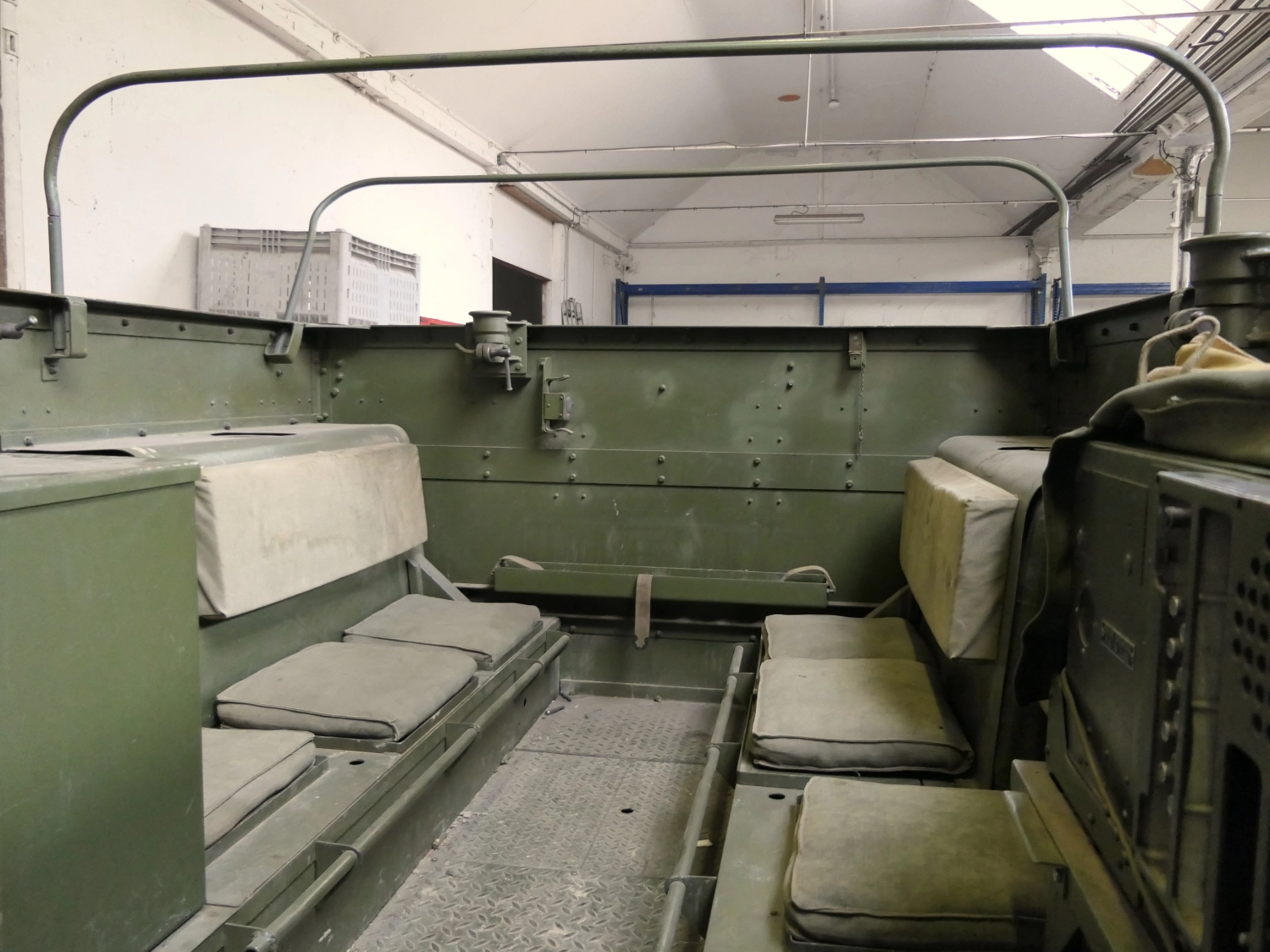
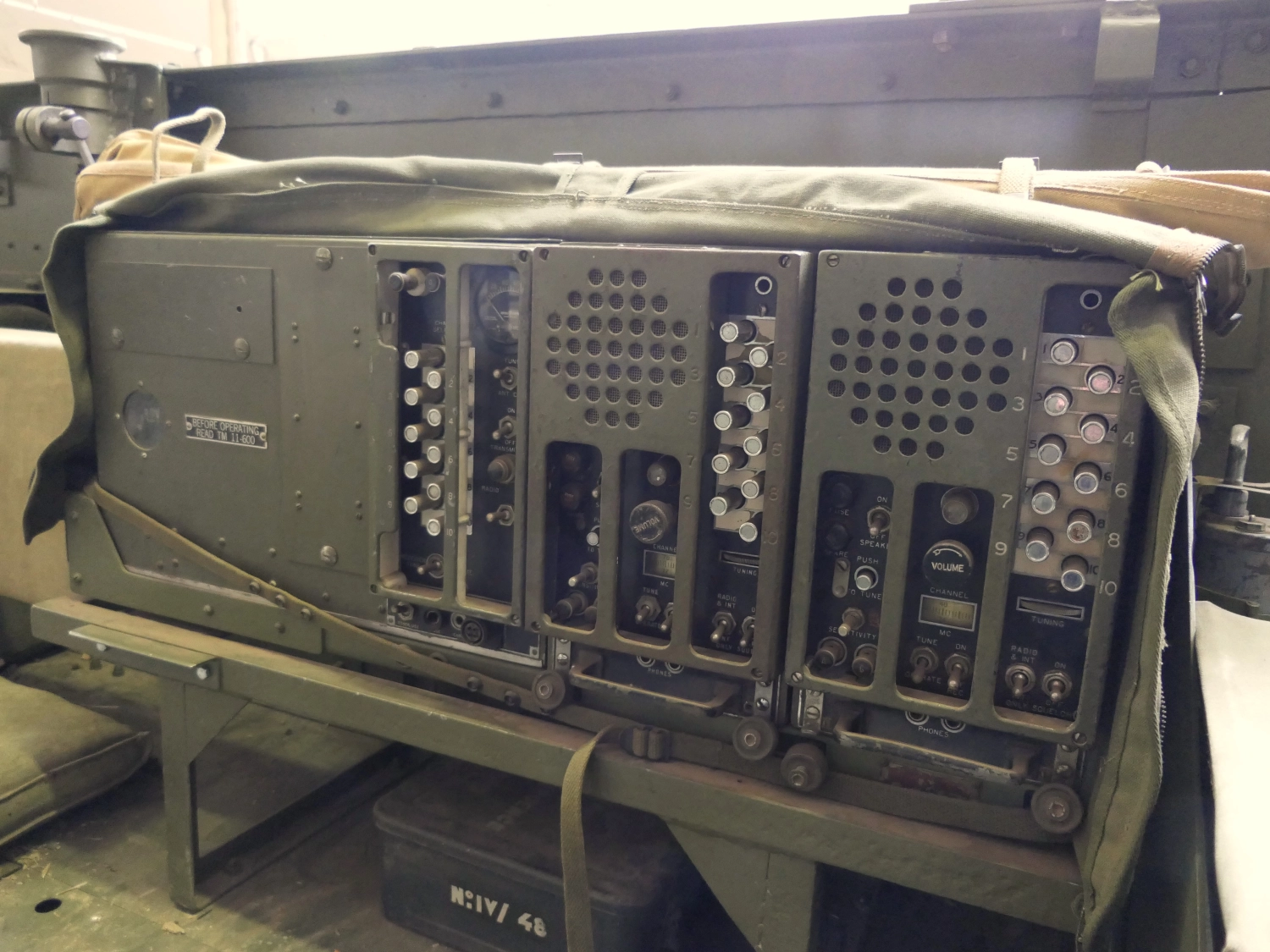
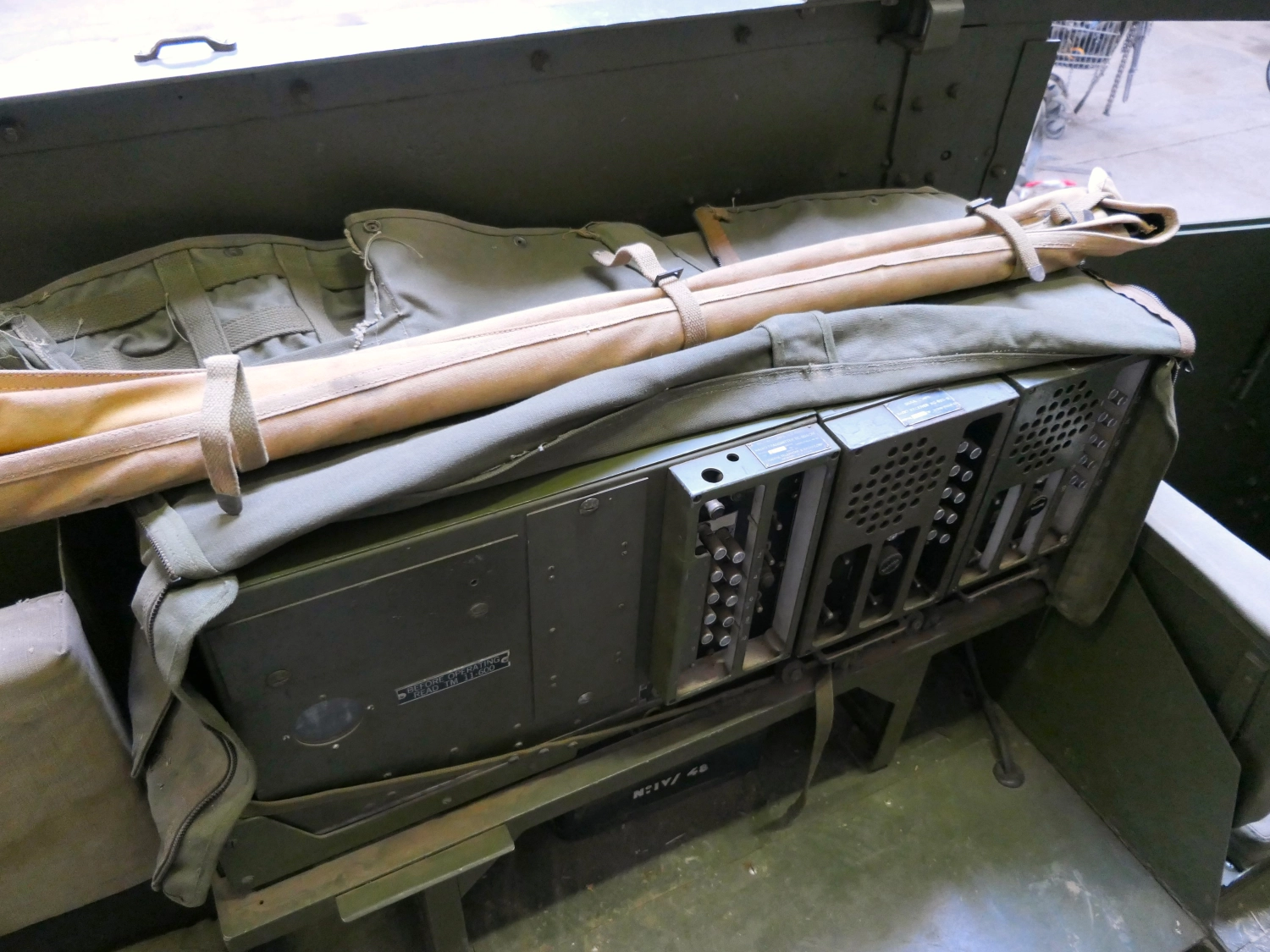
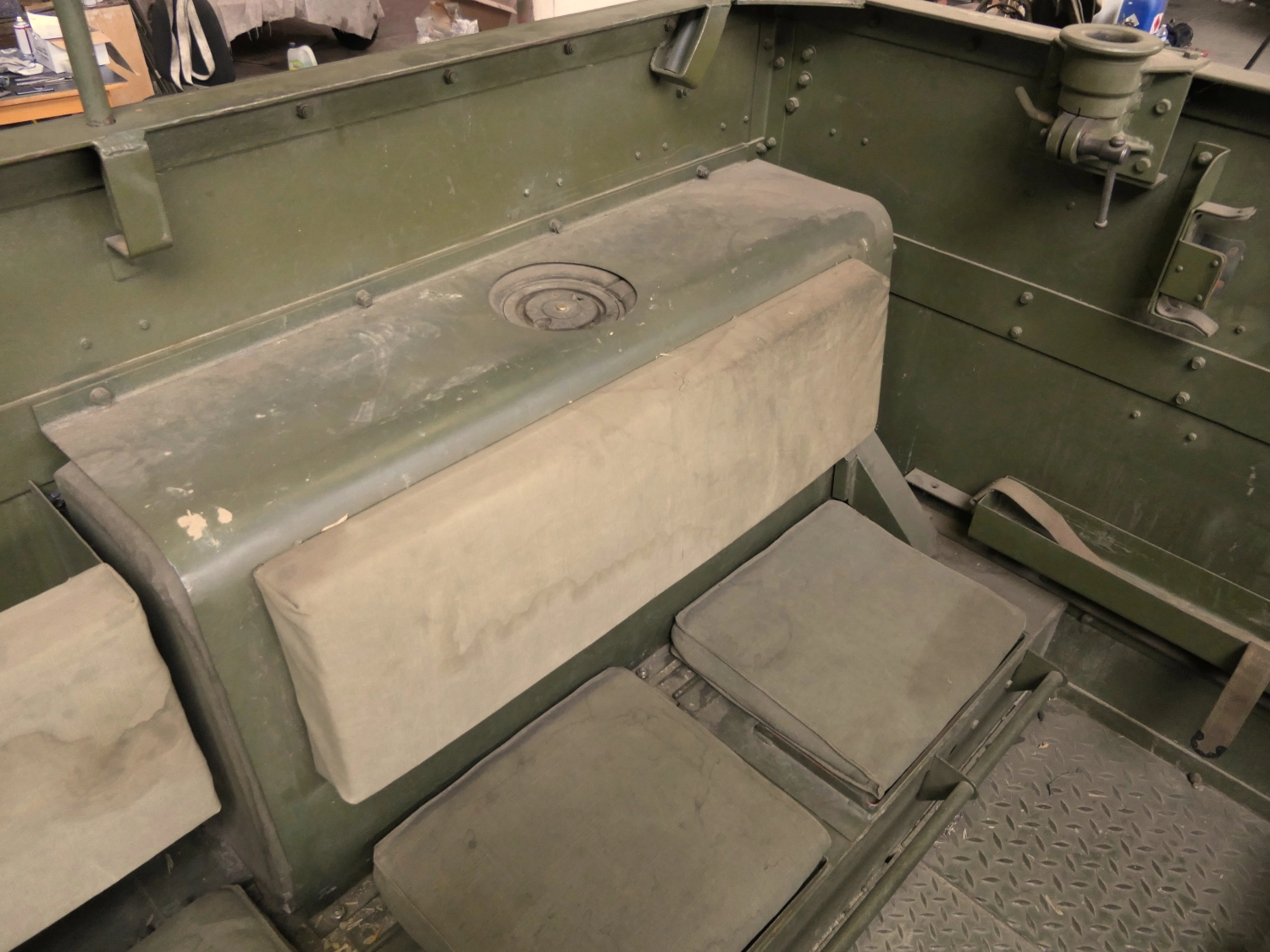
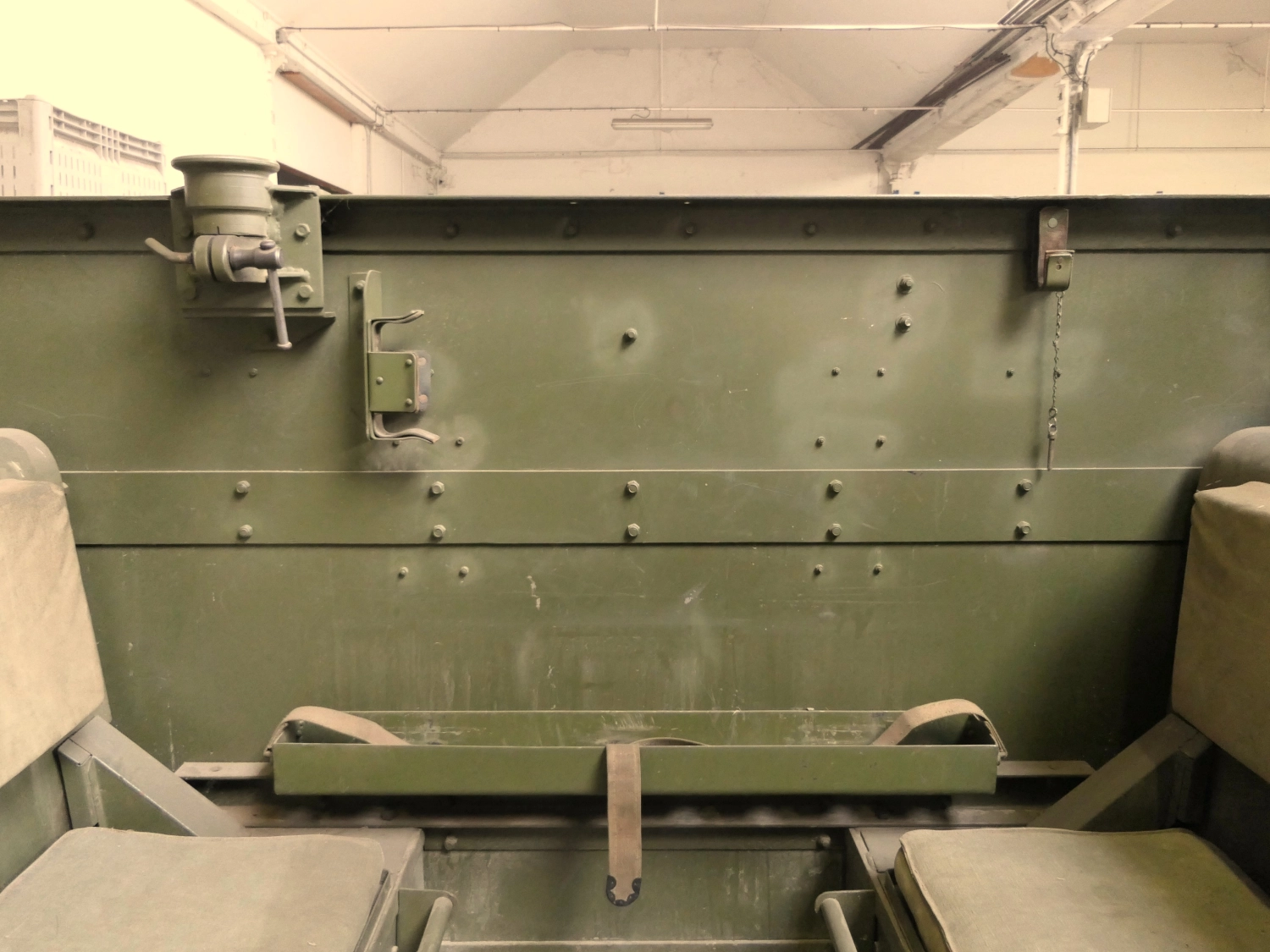
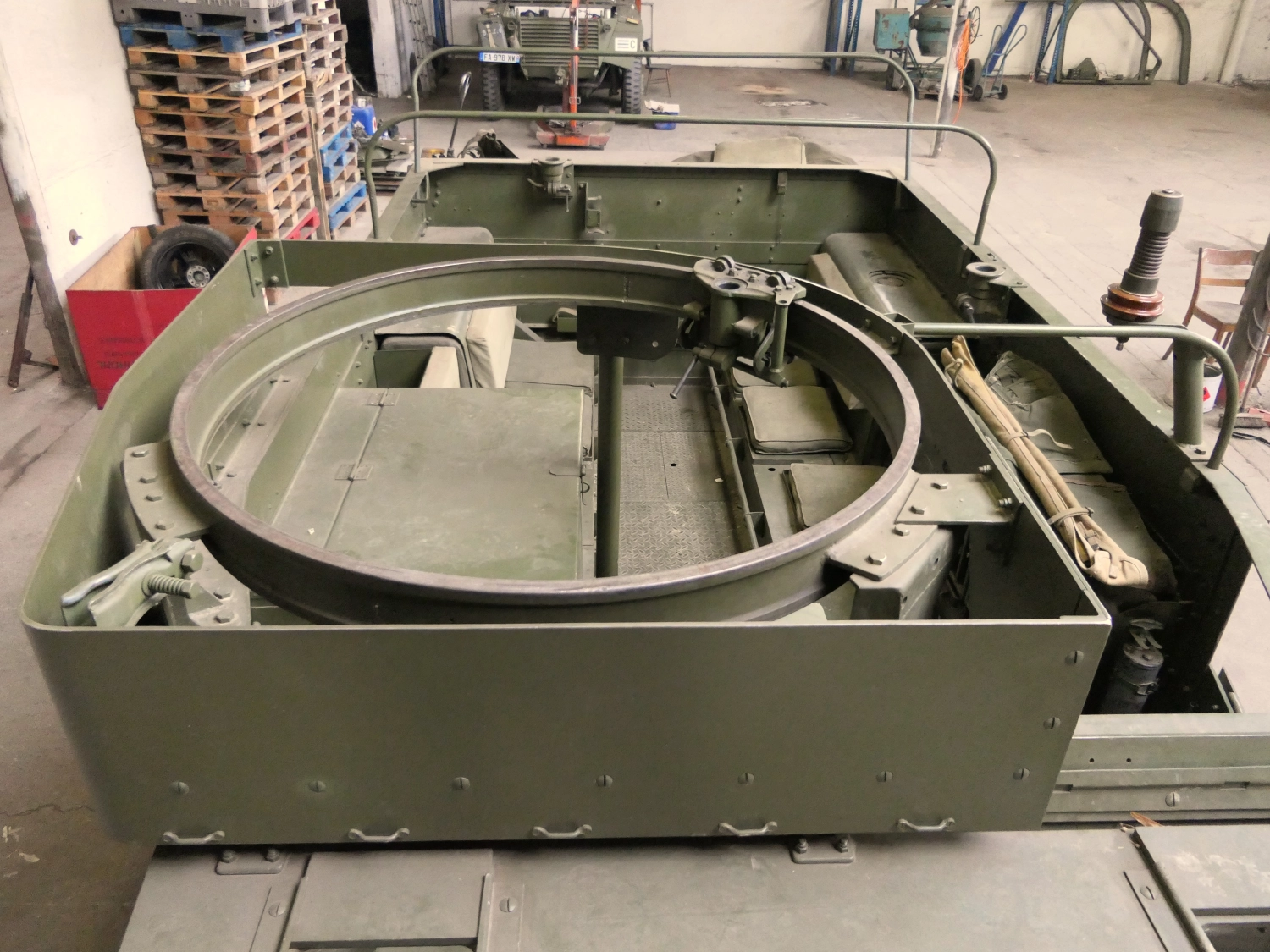
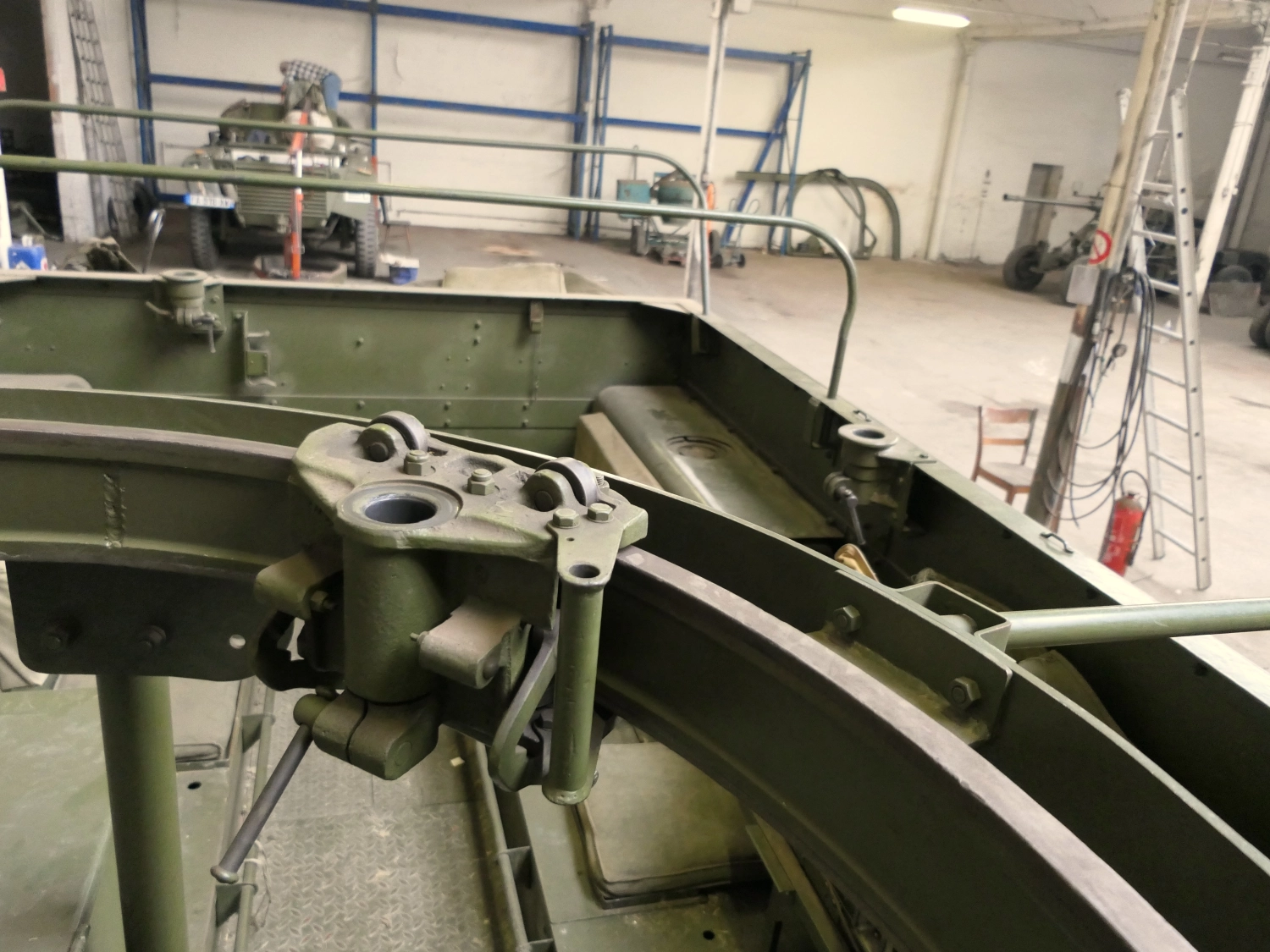

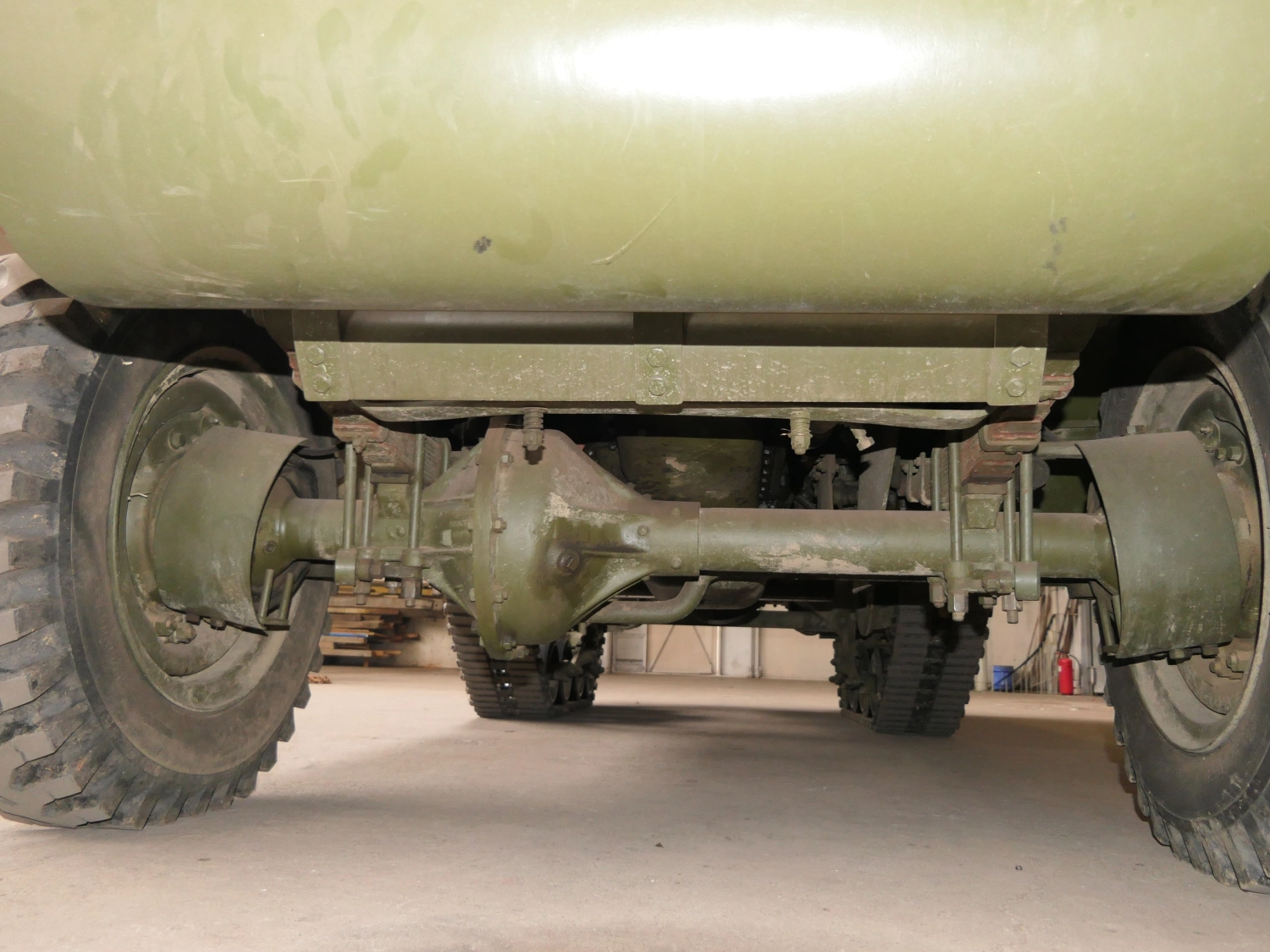


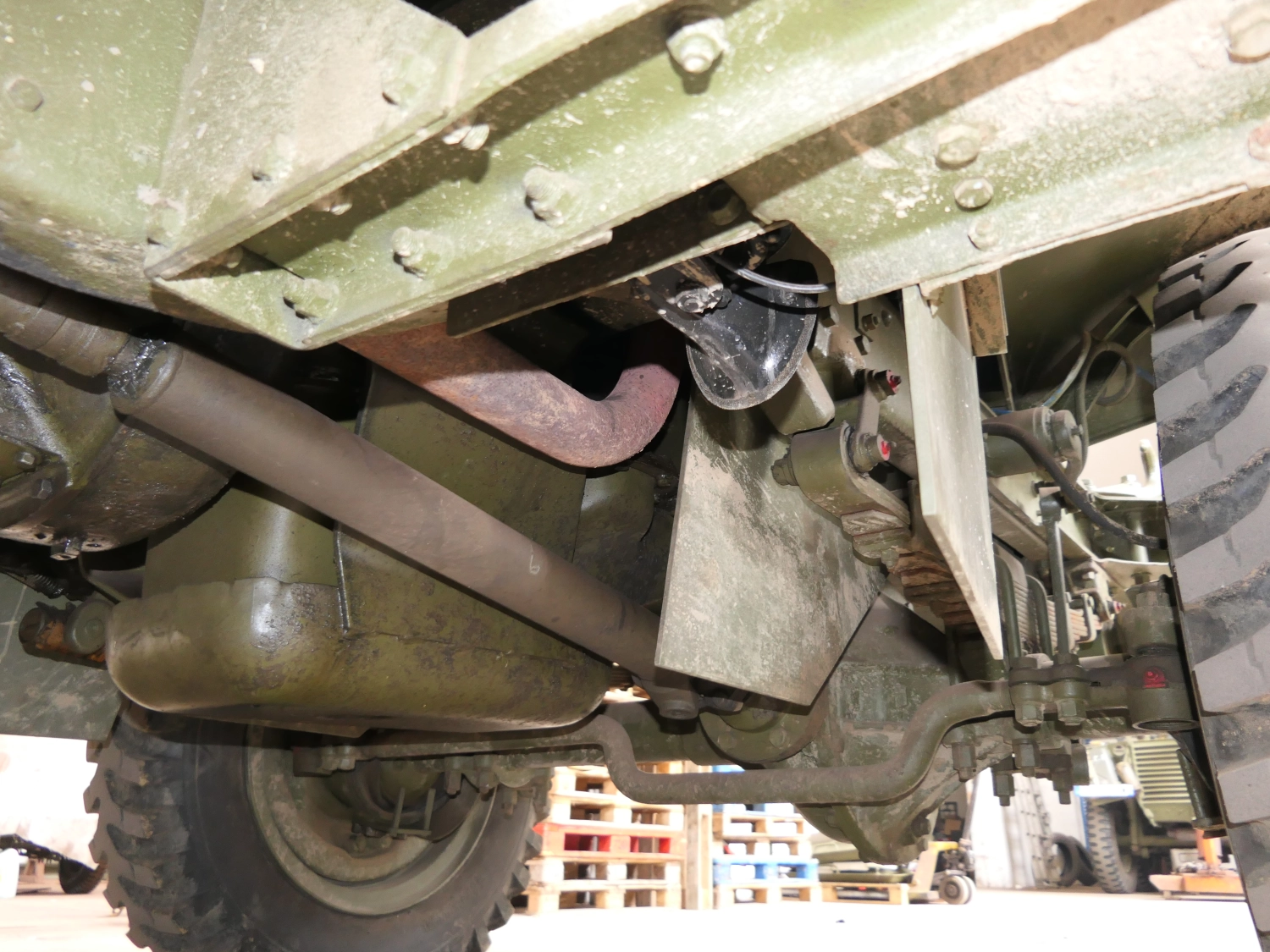

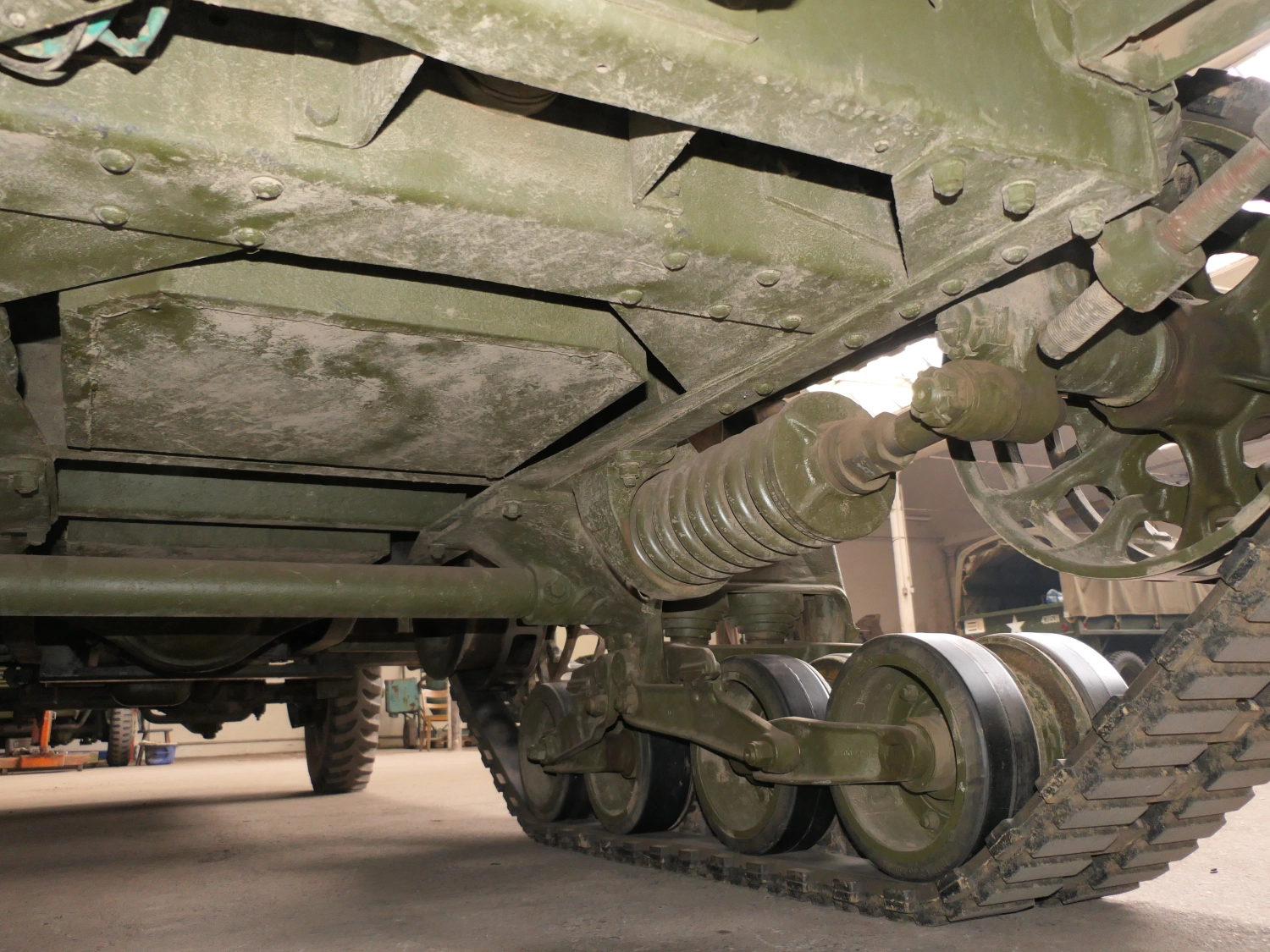
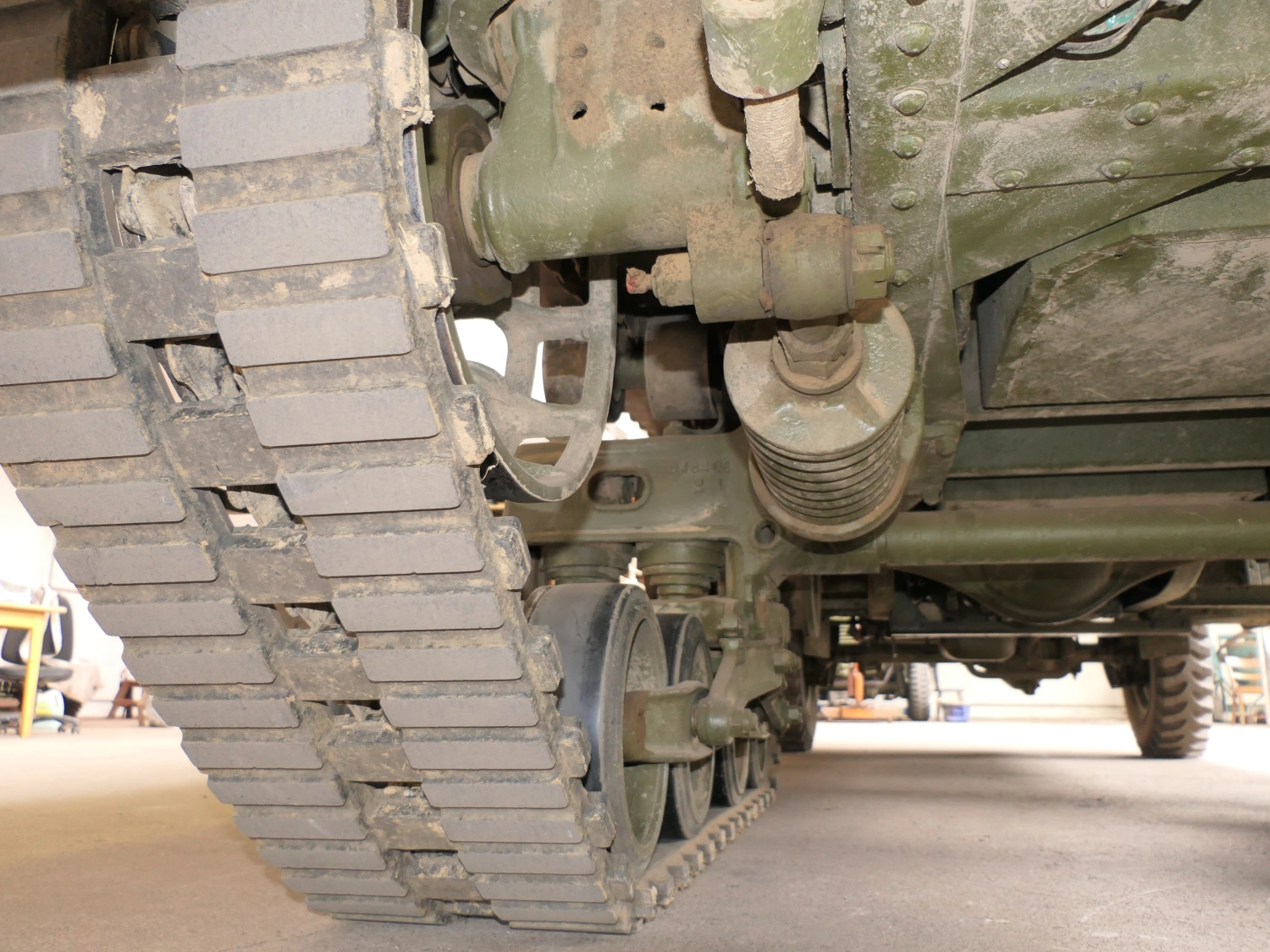


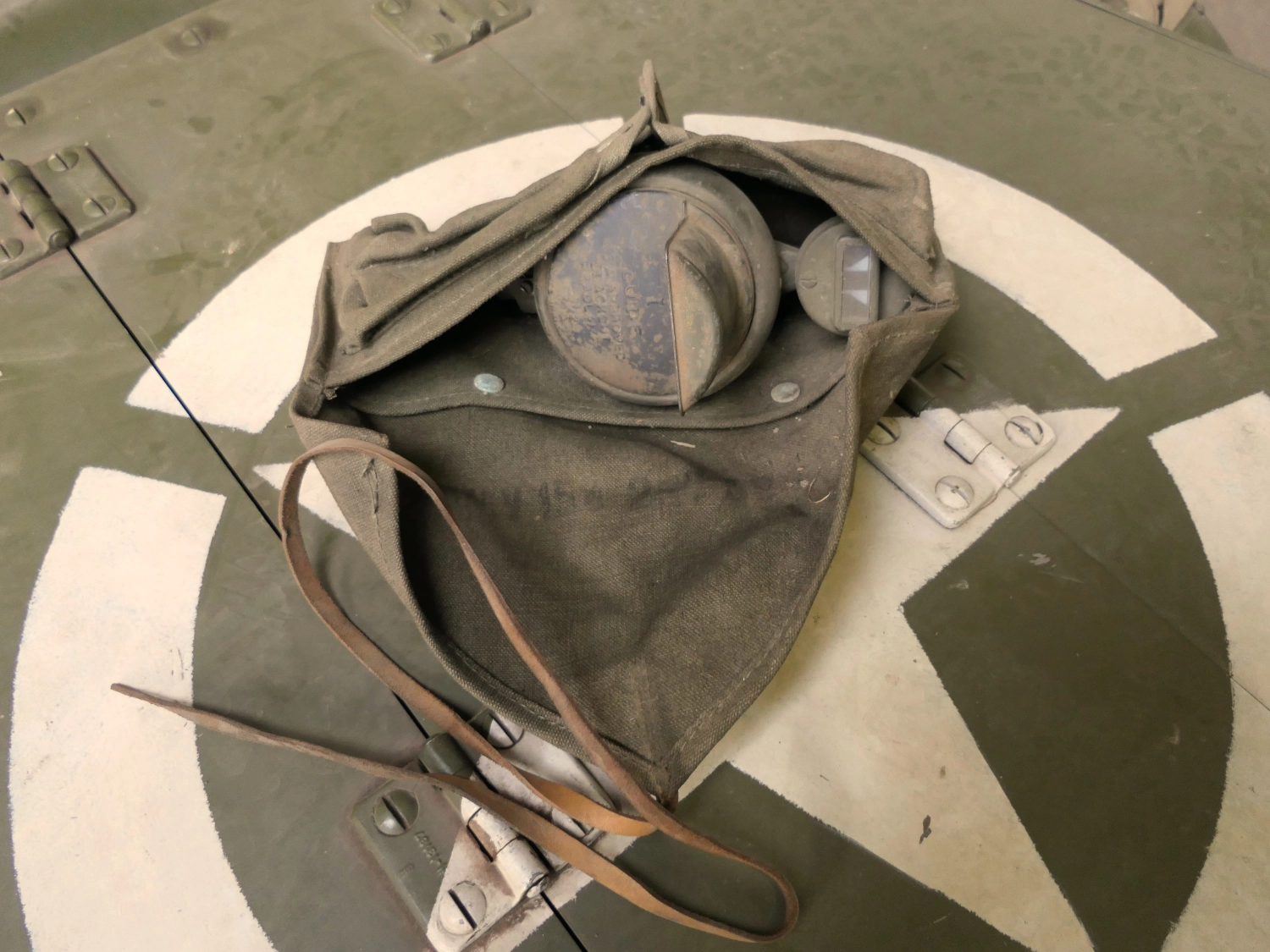
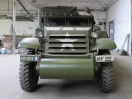
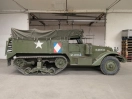
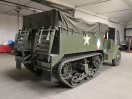
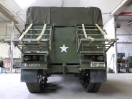
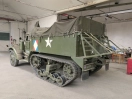
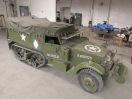
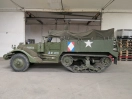
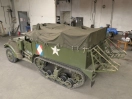
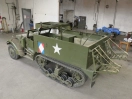
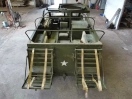
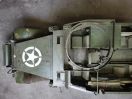
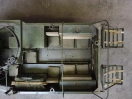
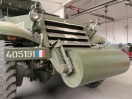
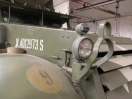
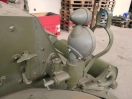
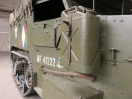
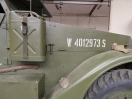
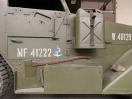
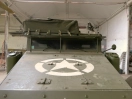
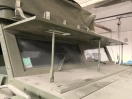
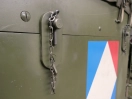
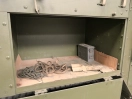
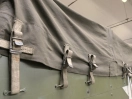
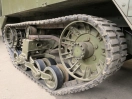
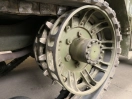
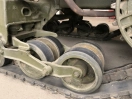
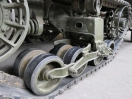
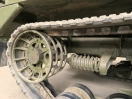
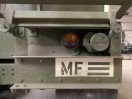
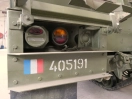
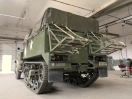
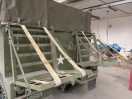
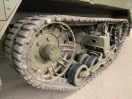
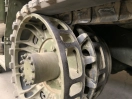
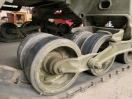
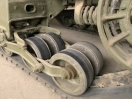
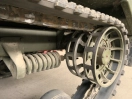
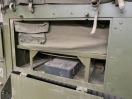
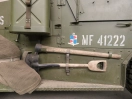
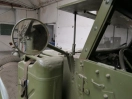
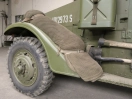
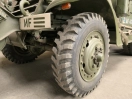
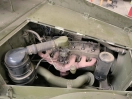
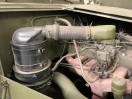
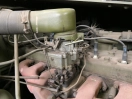
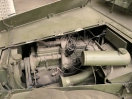
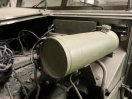
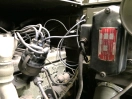
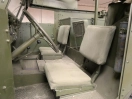
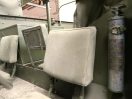
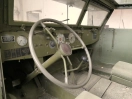
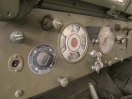
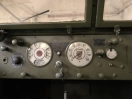
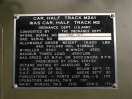
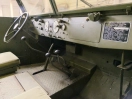
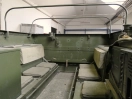
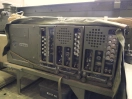
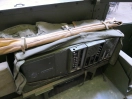
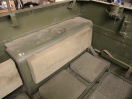
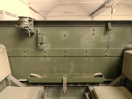
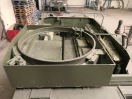
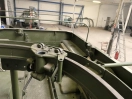
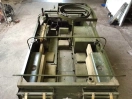
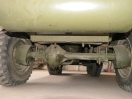
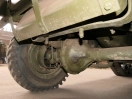
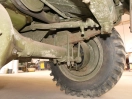
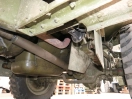
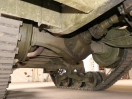
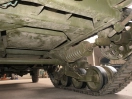
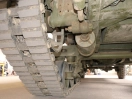
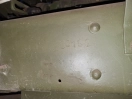
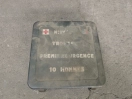
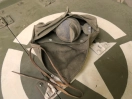
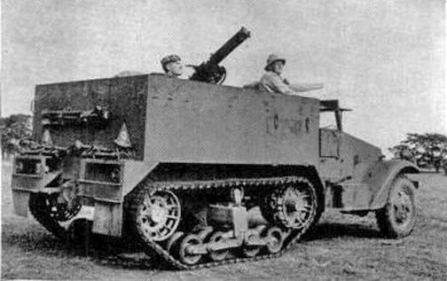
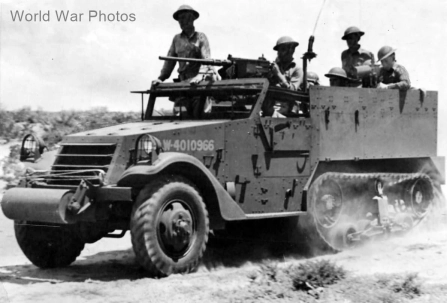
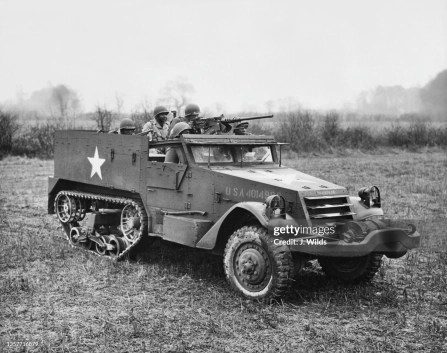
The White Halftrack, an iconic military vehicle from World War II, renowned for its durable armor and excellent off-road capabilities. This White Halftrack M2A1 accommodates multiple passengers, making it perfect for groups or reenactments.
This iconic World War II vehicle is fully ready for its next event. Just start driving!
The White Half-Track is in excellent, fully complete condition and starts at the push of a button. It underwent restoration between 2008 and 2009, though it was already quite original and complete when purchased. The dashboard instruments are all original and it's fitted with a radio (not working). The tracks remain in good condition, promising many more enjoyable kilometers, whether at events or off-road adventures.
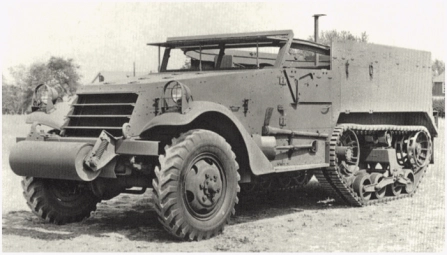
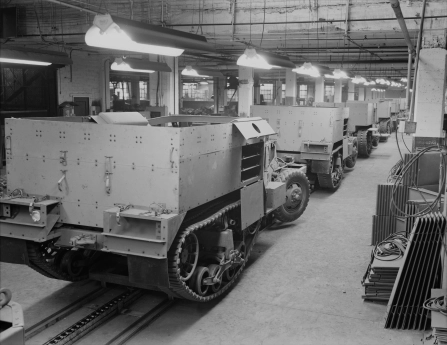
The M2 half-track car was an armored half-track produced by the United States during World War II. Its design drew upon half-tracks imported from France in the 1930s, employing standard components supplied by U.S. truck manufacturers to speed production and reduce costs. The concept was designed, and the pilot models manufactured by the Firestone Tire and Rubber Company (before the prototype was officially labeled M2.)[2] Production by the White Motor Company began in 1940 and was expanded to include Autocar.
History
The concept of a half-track vehicle had been evaluated by the US Army Ordnance Department using Citroën-Kégresse vehicles. The Cavalry branch of the US Army found that their wheeled armored scout cars had trouble in wet terrain due to their high ground pressure. In 1938, the White Motor Company took the Timken rear bogie assembly from a T9 half-track truck and added it to an M3 scout car, creating the T7 half-track car.
By 1940, the vehicle had been standardized as the M2 half-track car. The M2 design was recognized as having the potential for use by mechanized infantry, which spawned the larger-bodied M3 half-track. Both the M2 and M3 were ordered into production in late 1940, with M2 contracts let to Autocar, White and Diamond T. The first vehicles were received by the Army in 1941.
M2
The M2 was supplied to armored artillery units as the prime mover and ammunition carrier for the 105mm howitzer, and to armored infantry units for carrying machine gun squads. It was also issued to armored reconnaissance units[4] as an interim solution until more specialized vehicles could be fielded. Between 1942 and 1943, both the M2 and M3 would receive a number of modifications to the drive train, engine, and stowage, among other upgrades.
Deployment
The first M2s were fielded in 1941, and would be used in the Philippines, North Africa, and Europe by the U.S. Army, and around the Pacific by the Marines. About 800 M2 and M9 half-tracks were sent to the Soviet Union. Many remaining vehicles initially destined for Lend-Lease were transferred to other U.S. allies, primarily in South America. These vehicles often received a number of upgrades designed at extending service life. The Nicaraguan National Guard received 10 M2s in 1942, which saw heavy action during the 1978-79 Nicaraguan Revolution. The Argentine Army retired its last upgraded M9 in 2006 and donated them to Bolivia.




Ivo Rigter Sr.
Founder & Co Owner of BAIV and Tracksandtrade
+31 6 518 22 502 ivosr.rigter@tracksandtrade.com