Ivo Rigter Sr.
Founder & Co Owner of BAIV and Tracksandtrade
+31 6 518 22 502 ivosr.rigter@tracksandtrade.com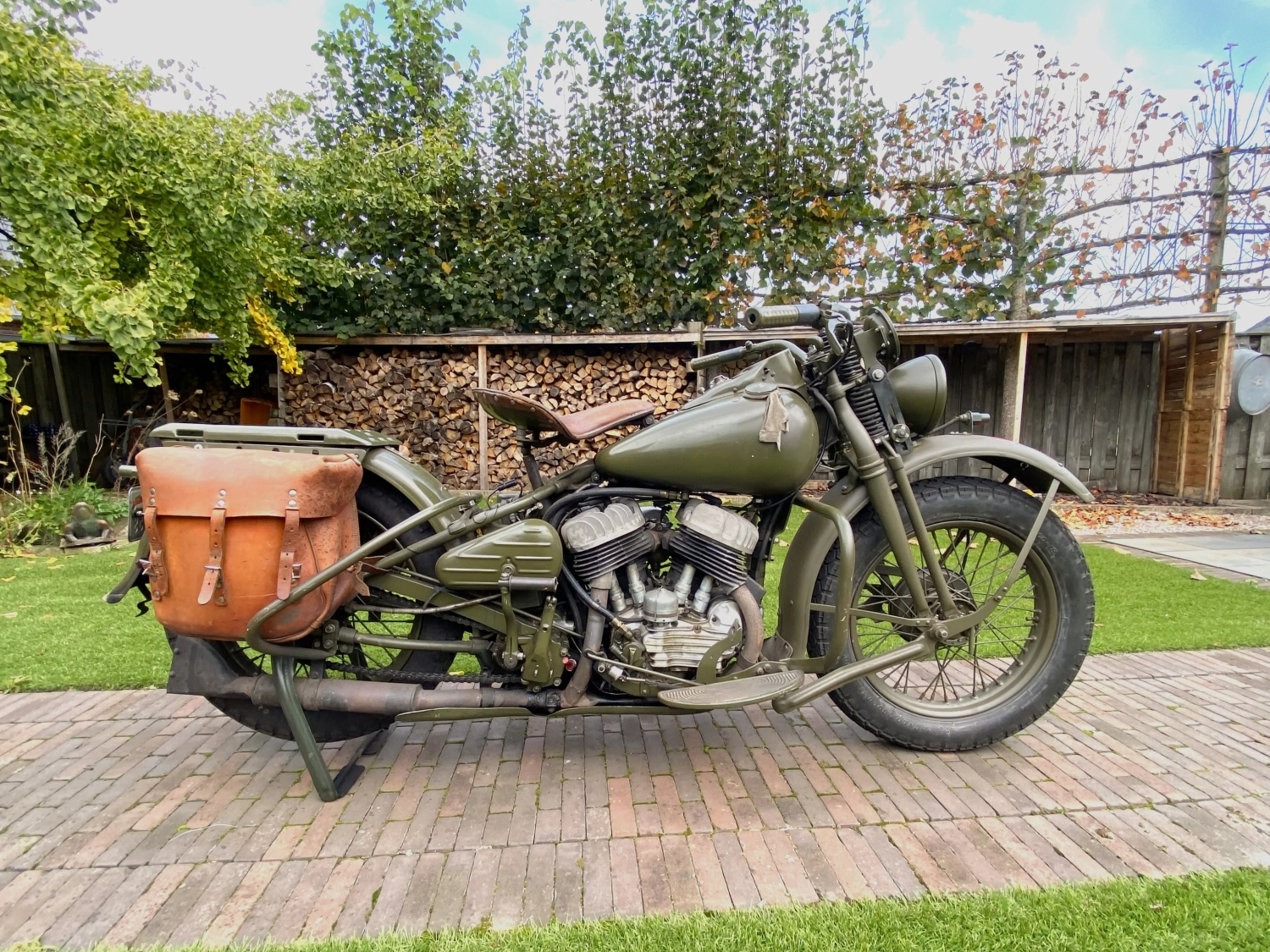
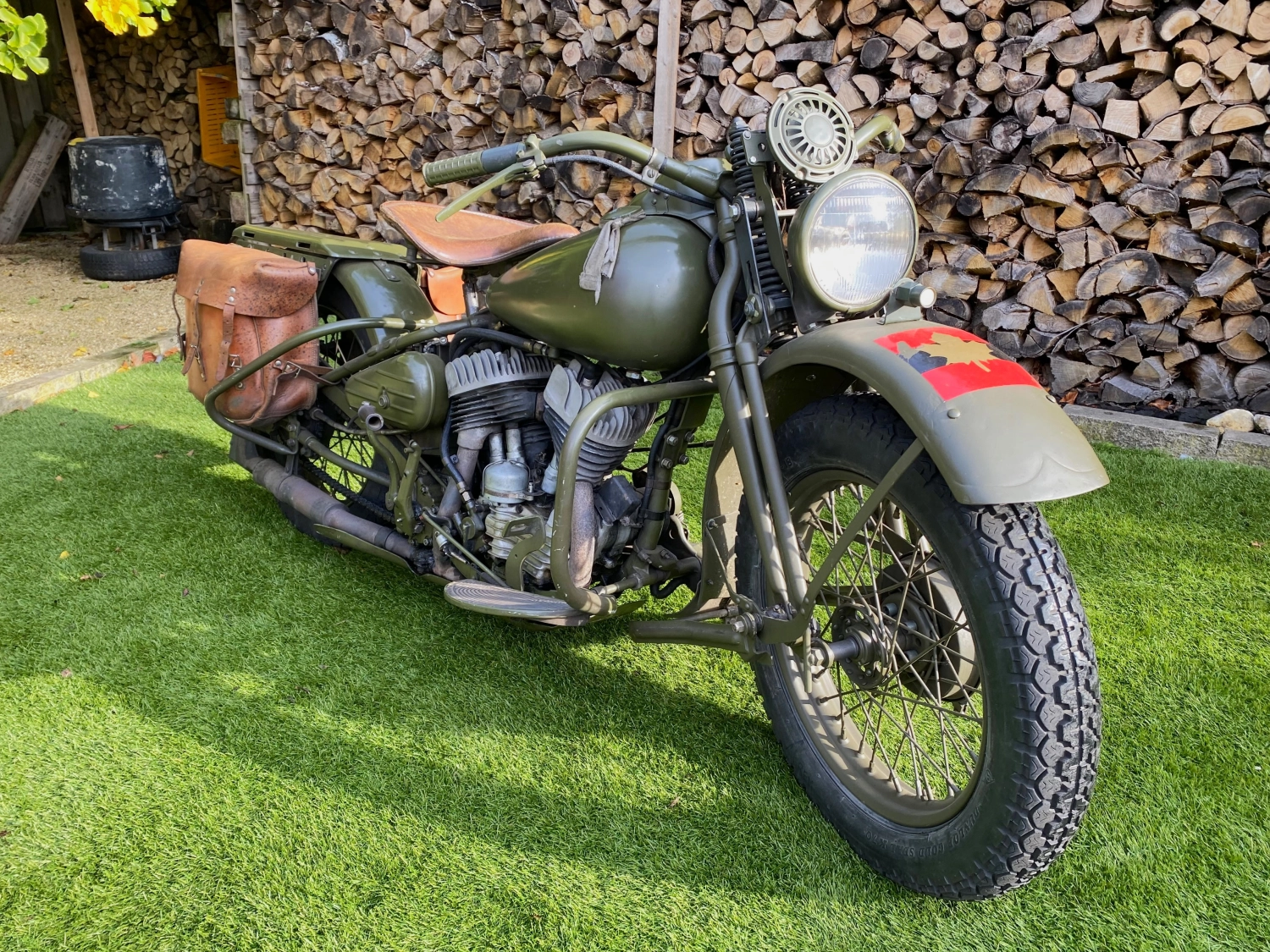
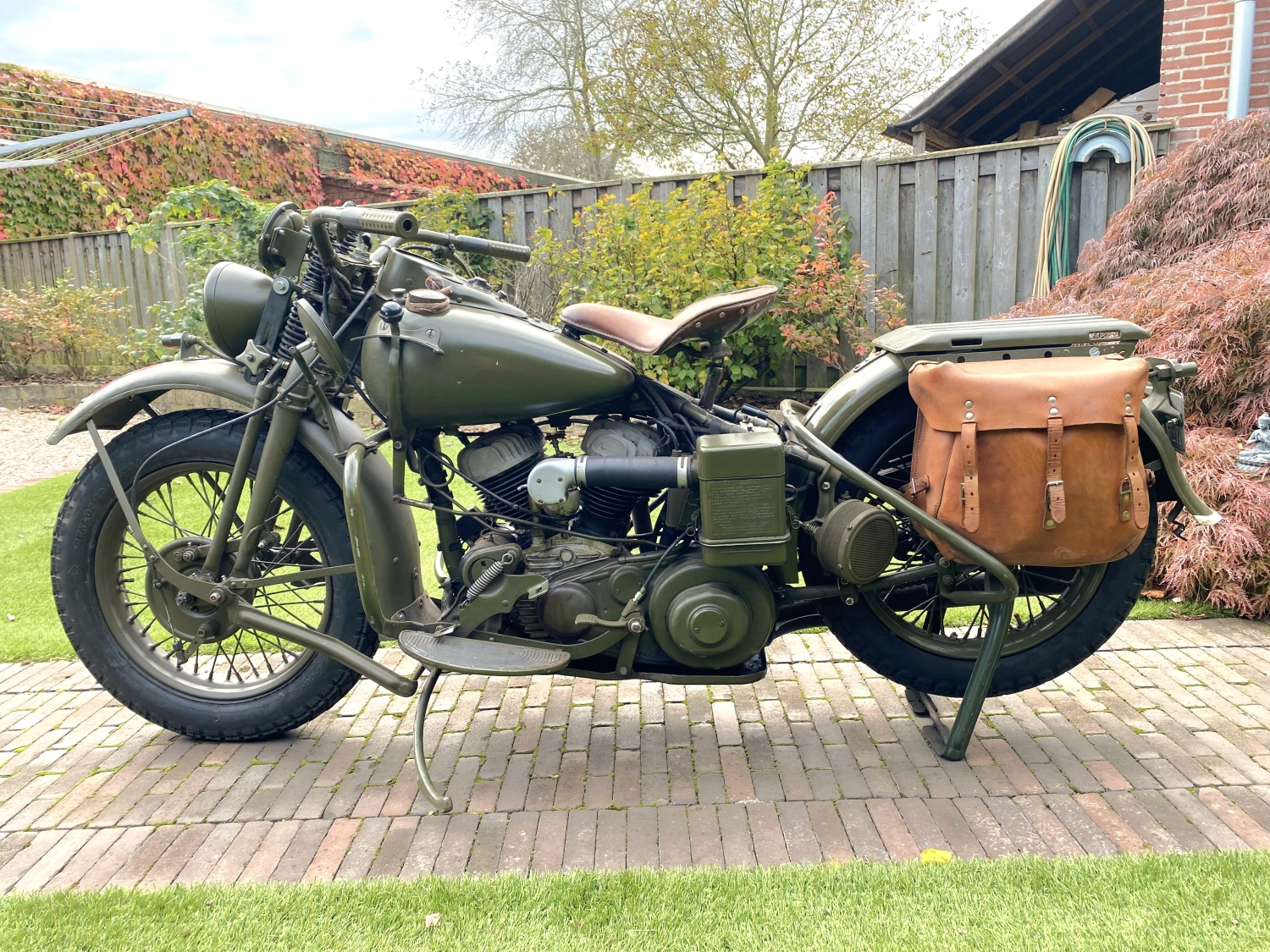
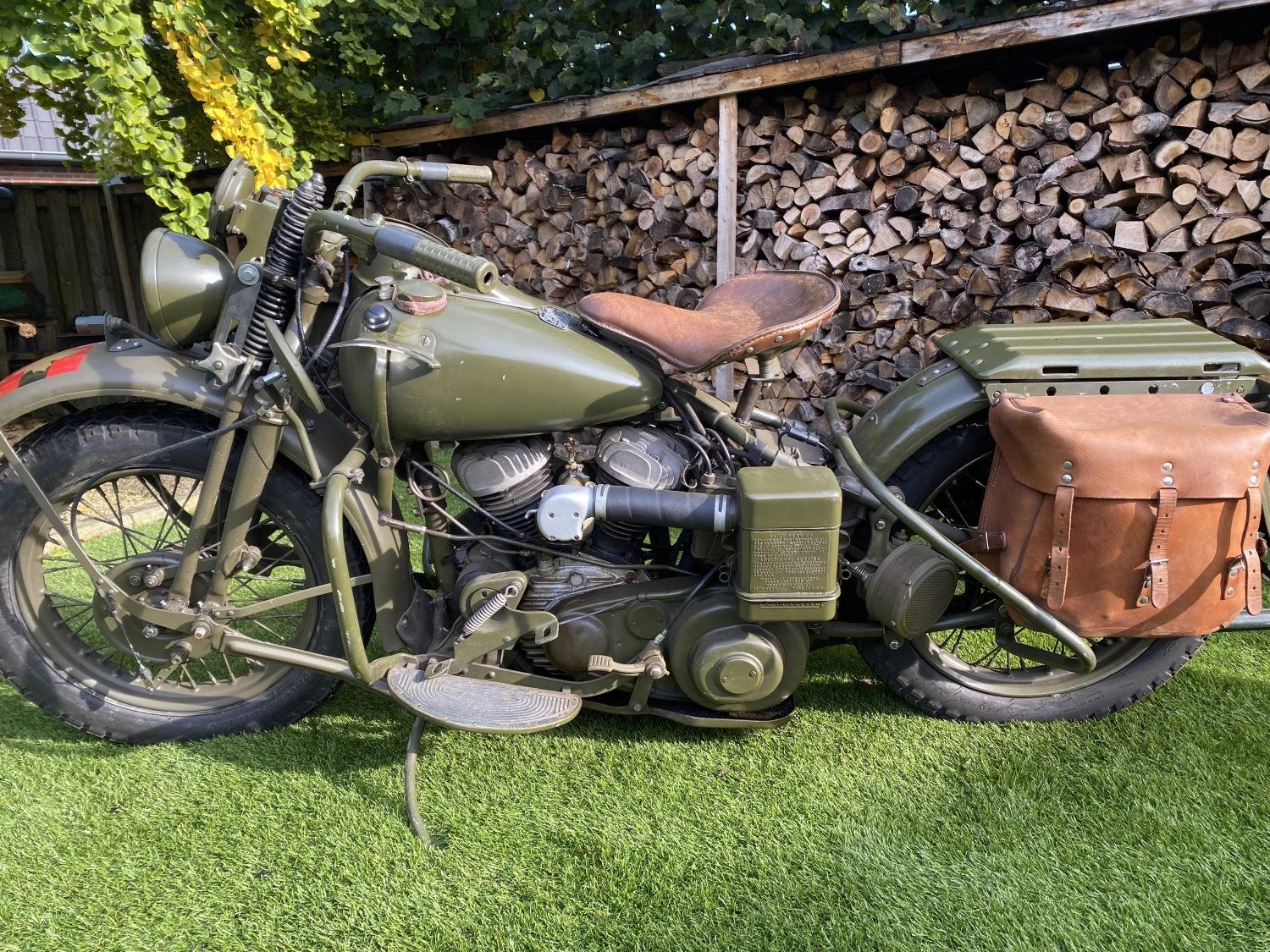
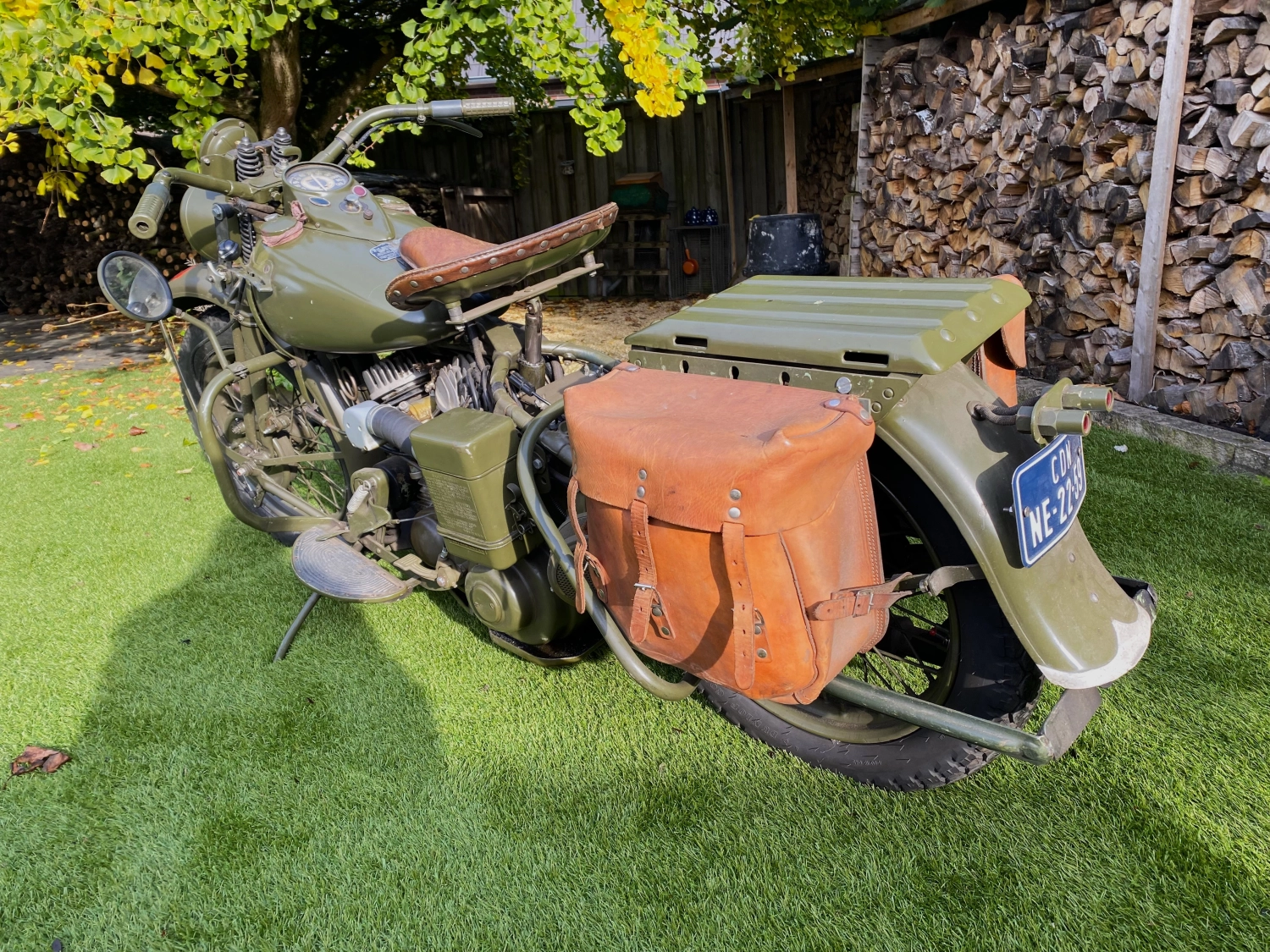
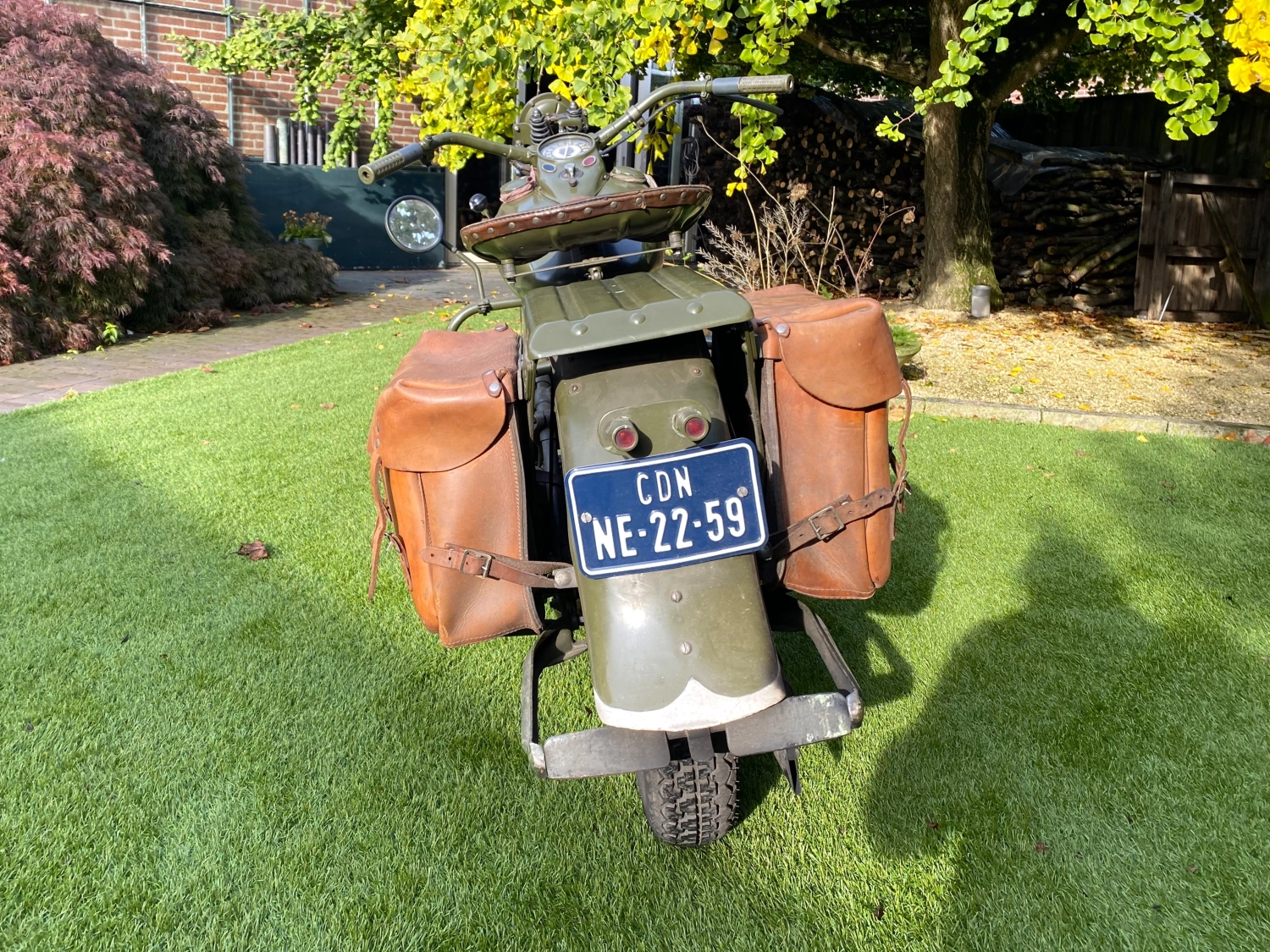
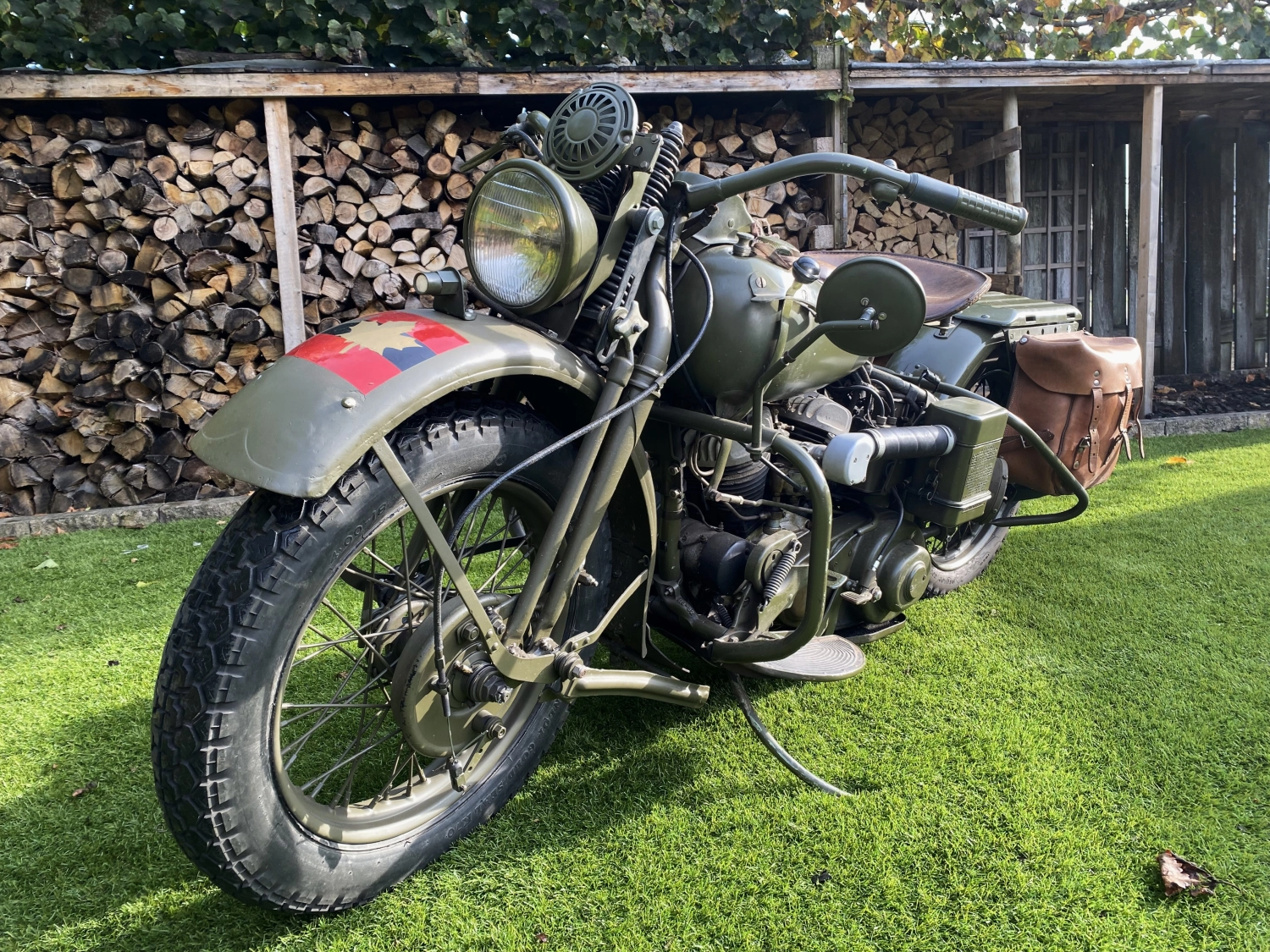
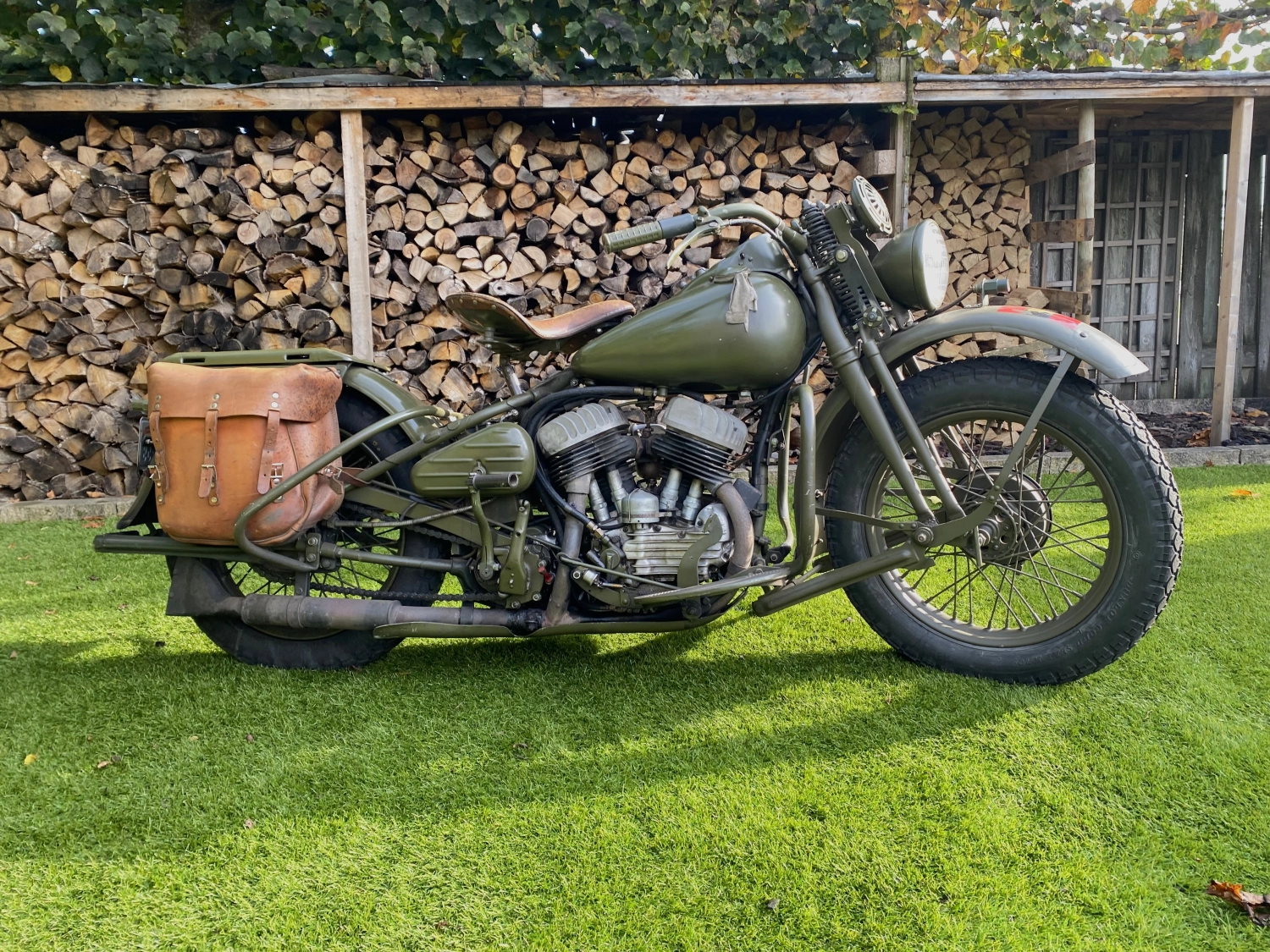
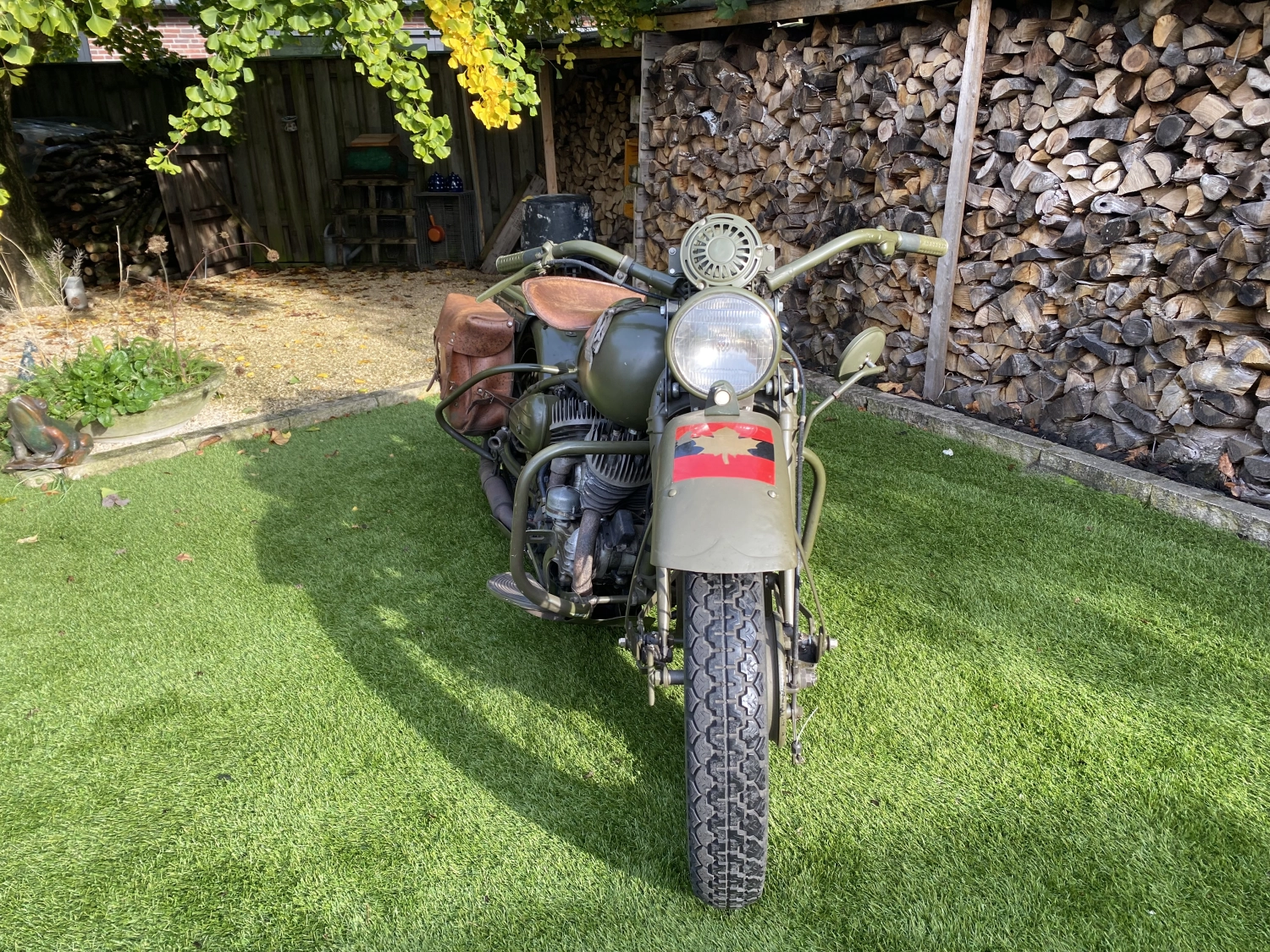
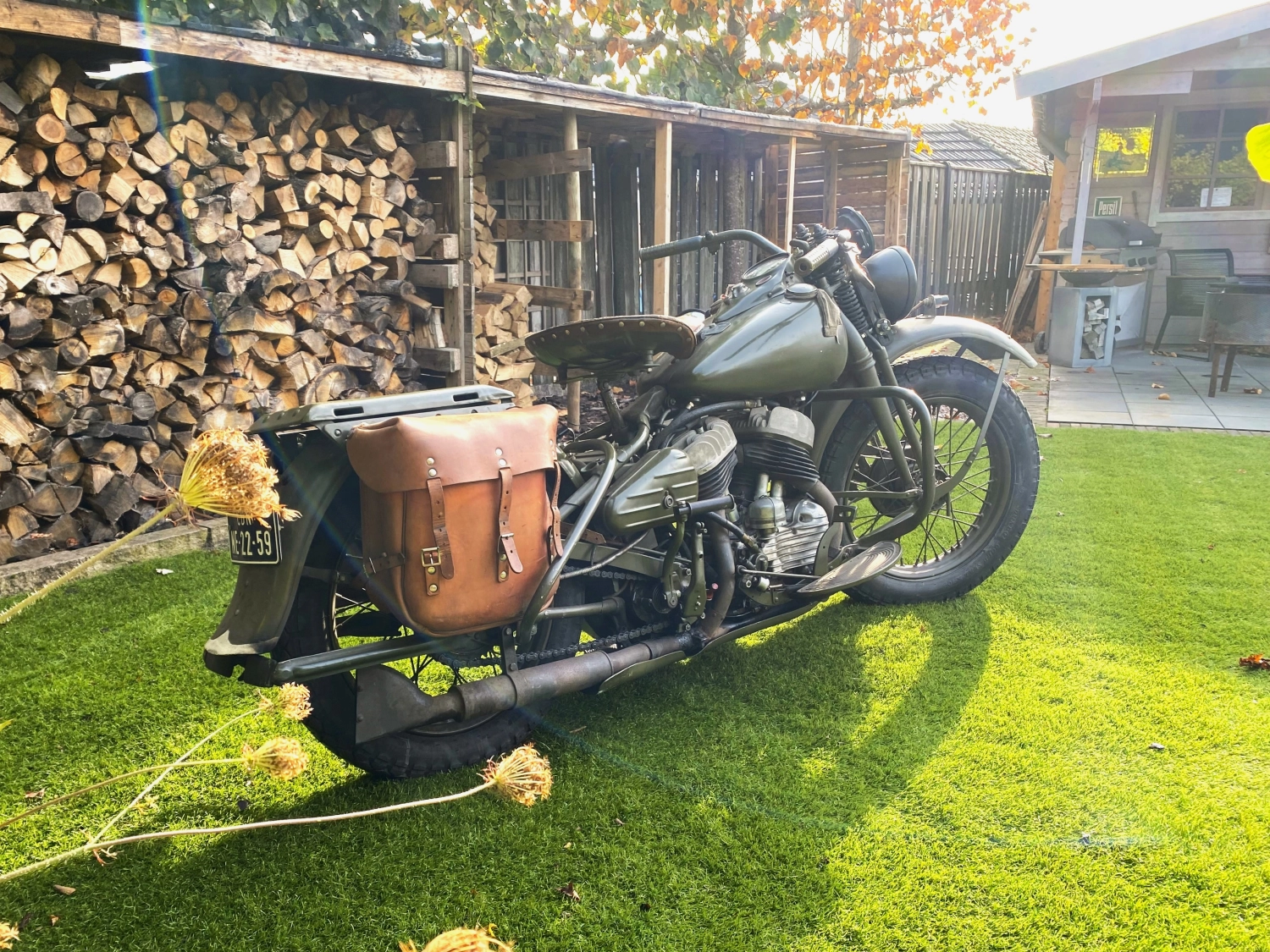
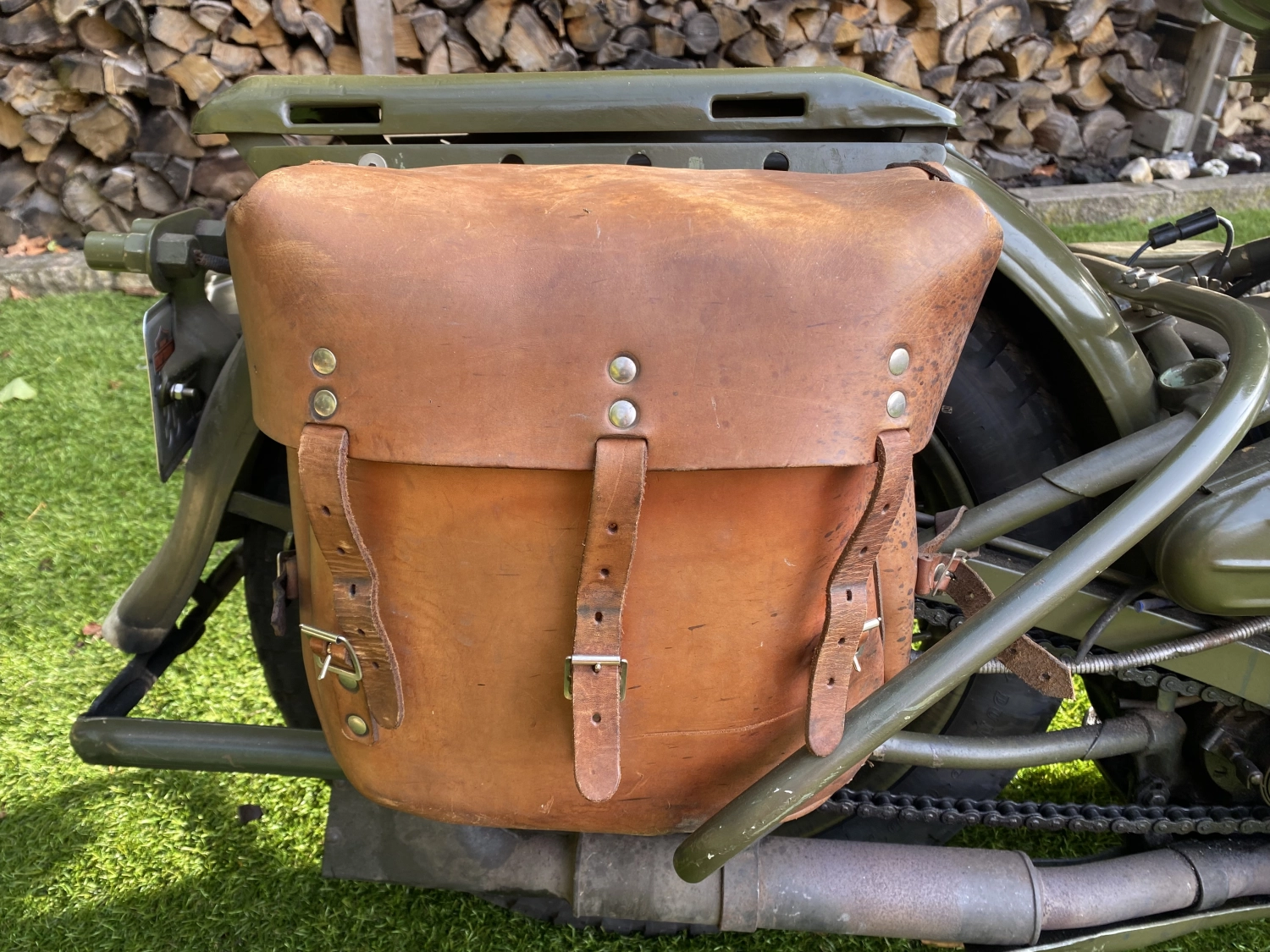
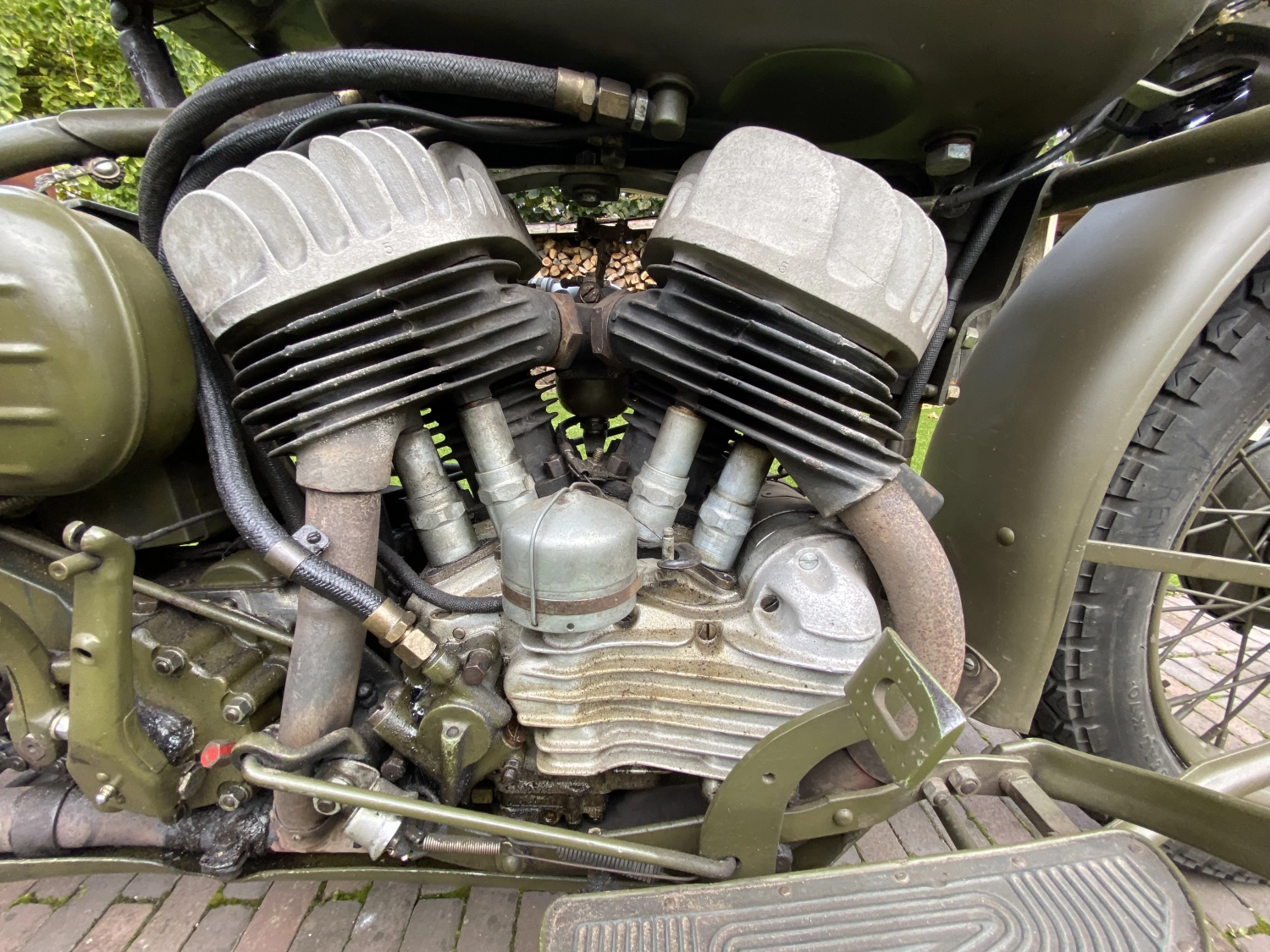
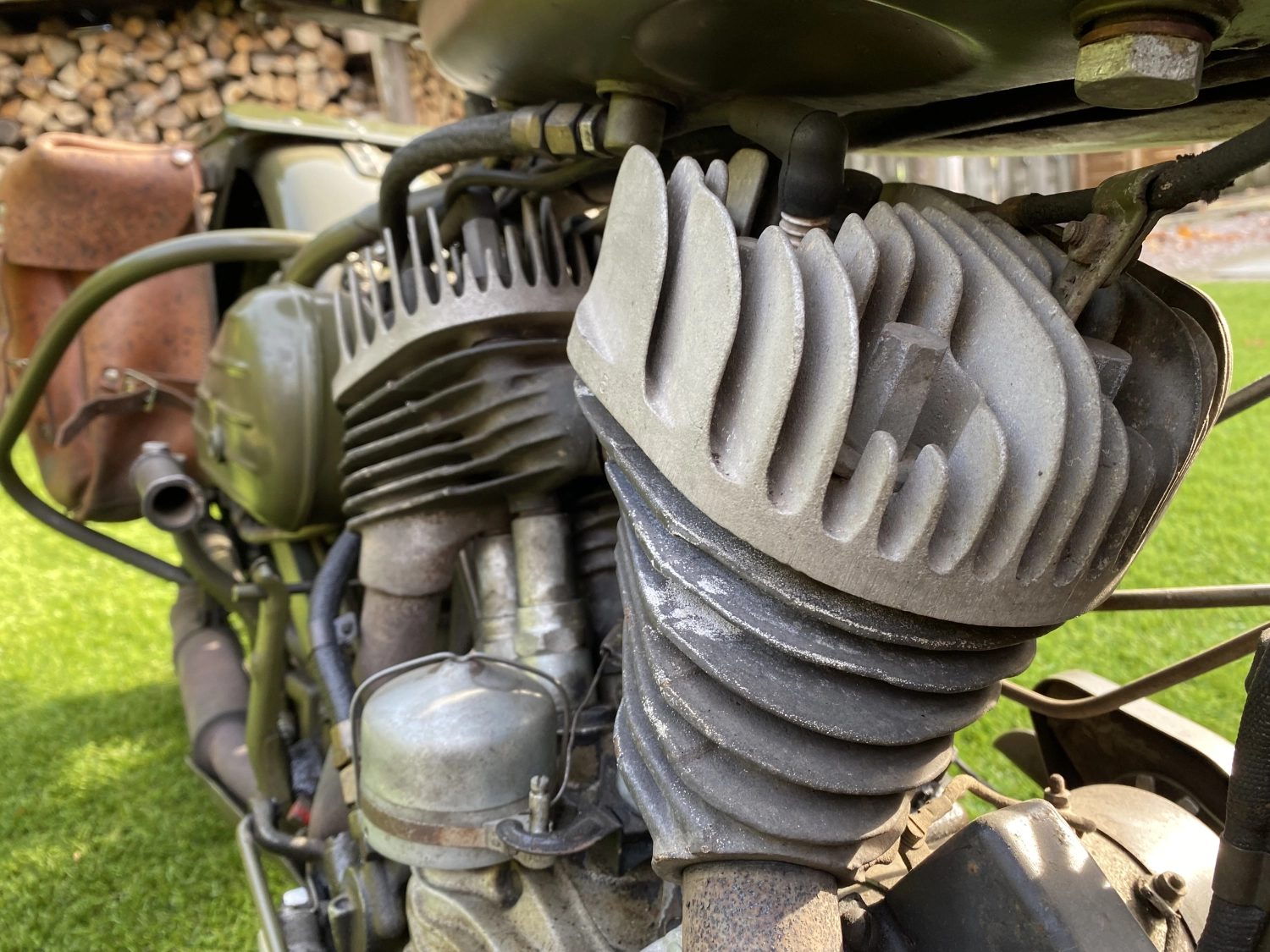
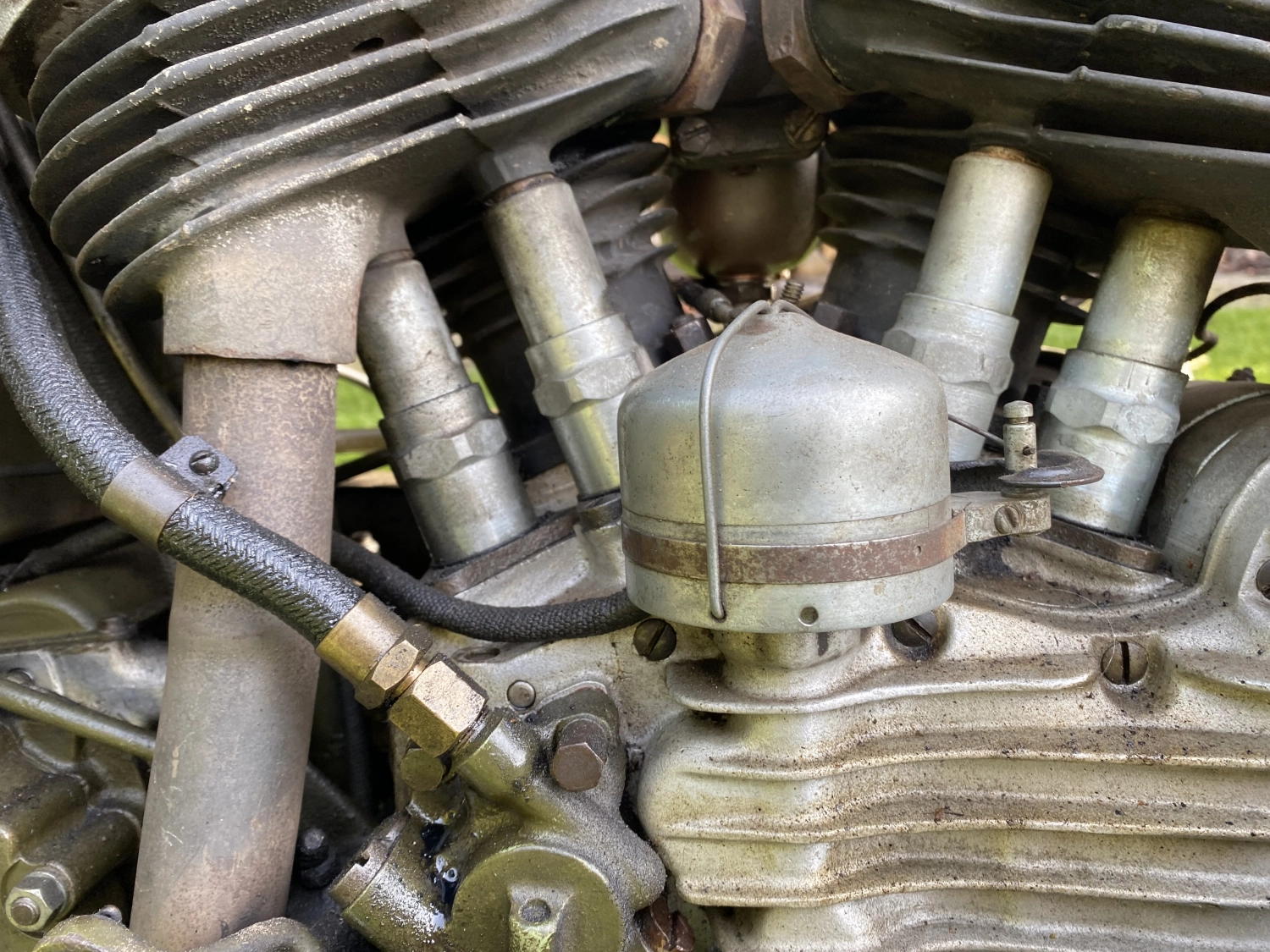
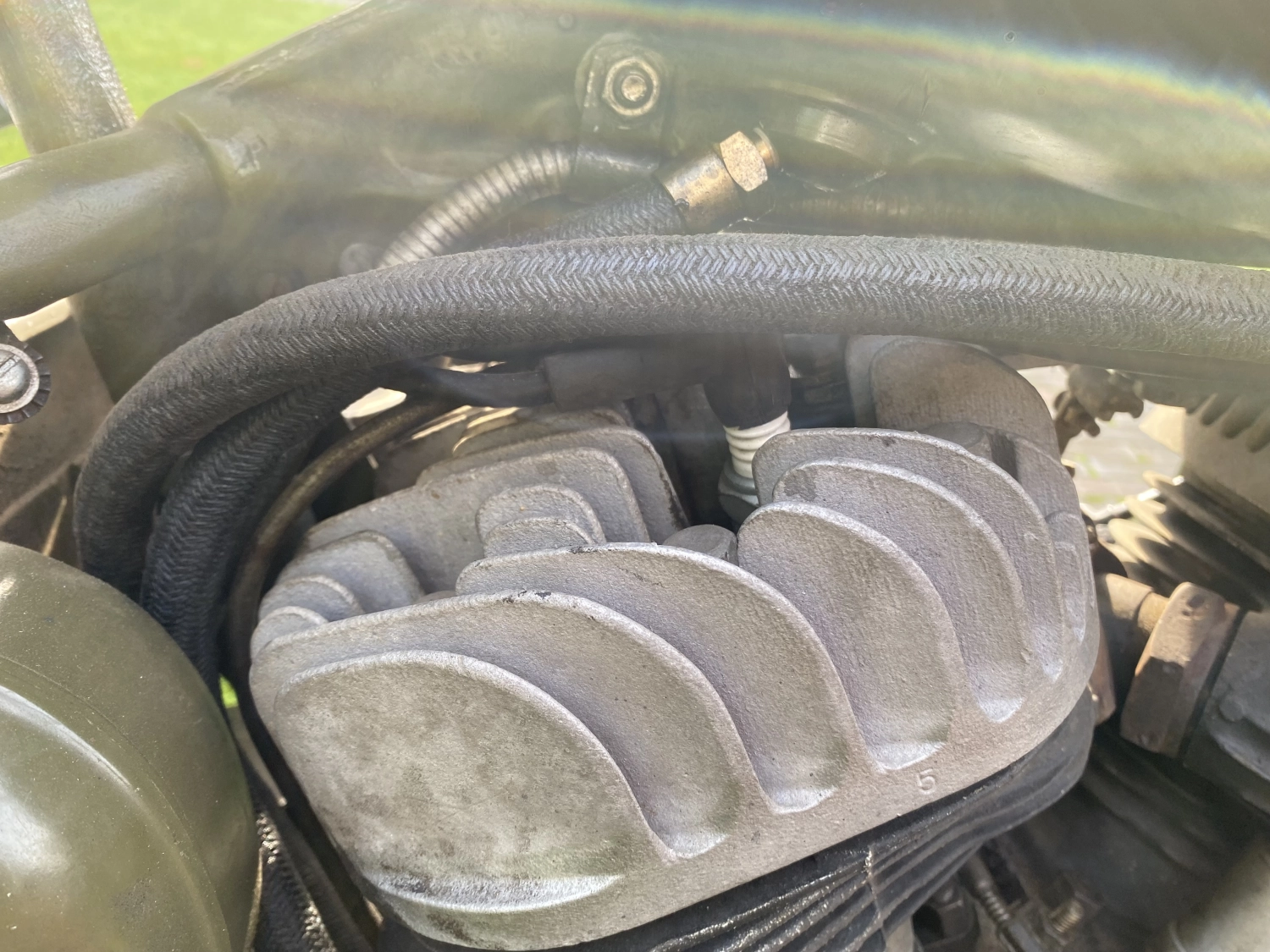
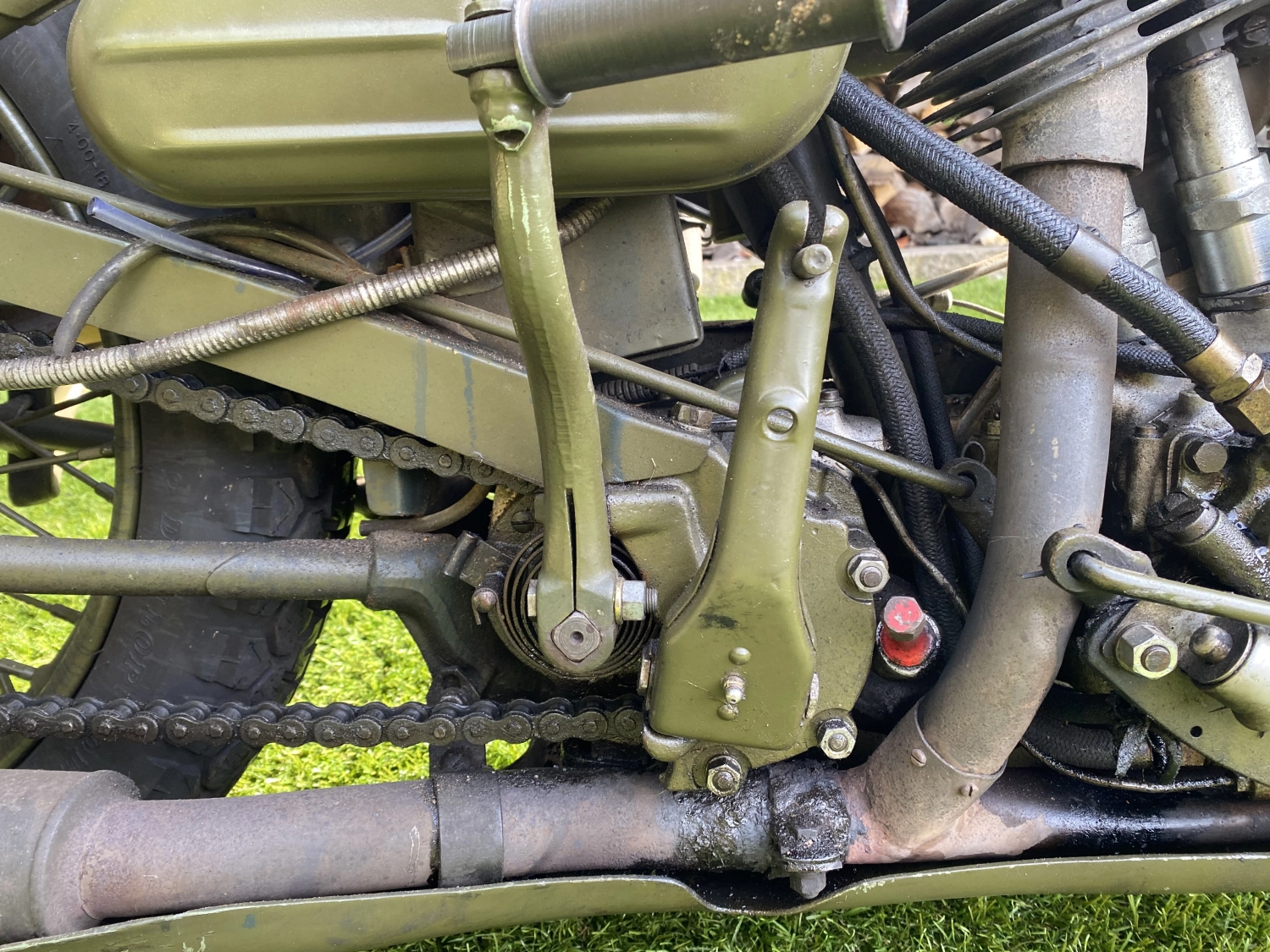
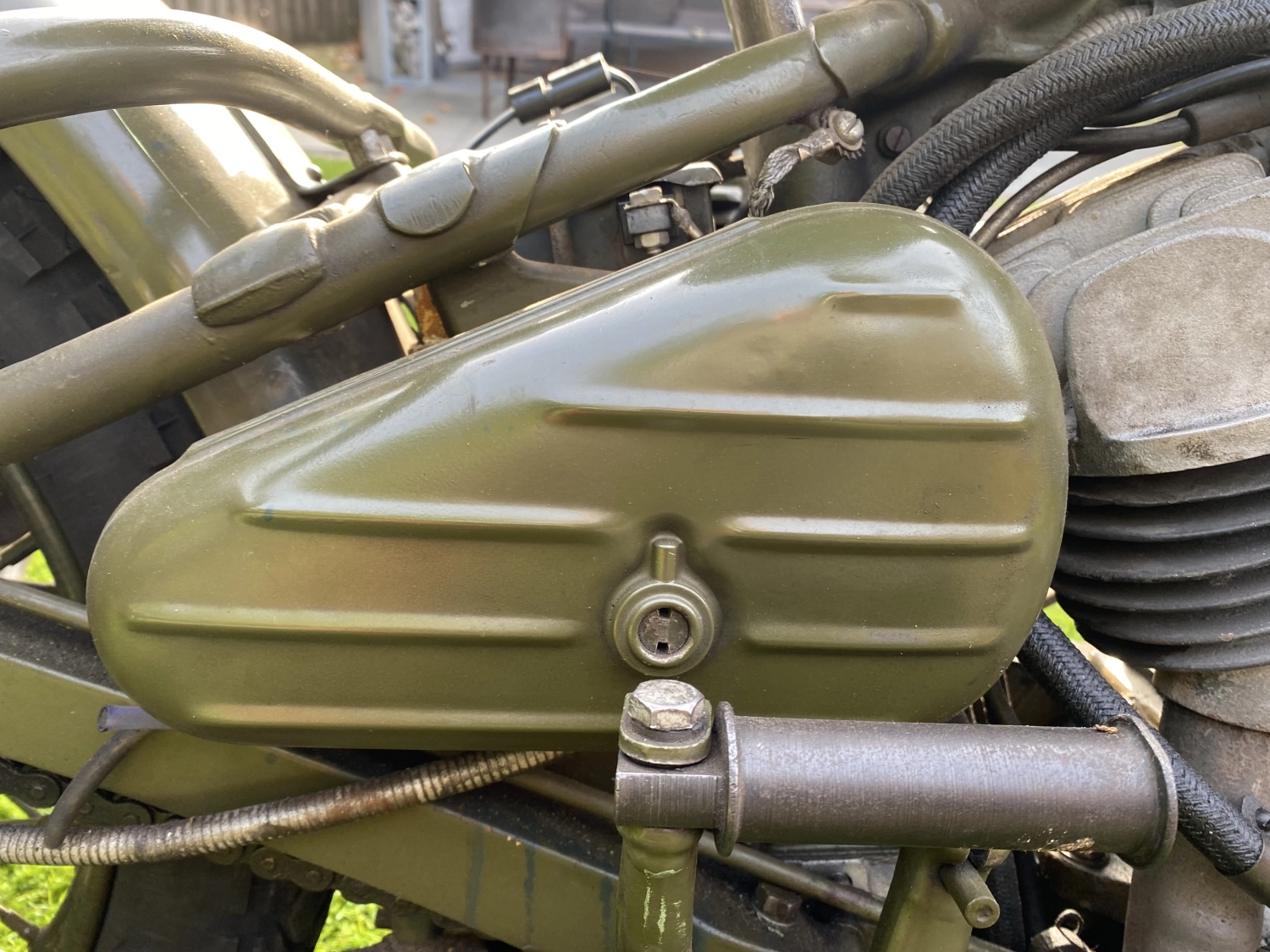
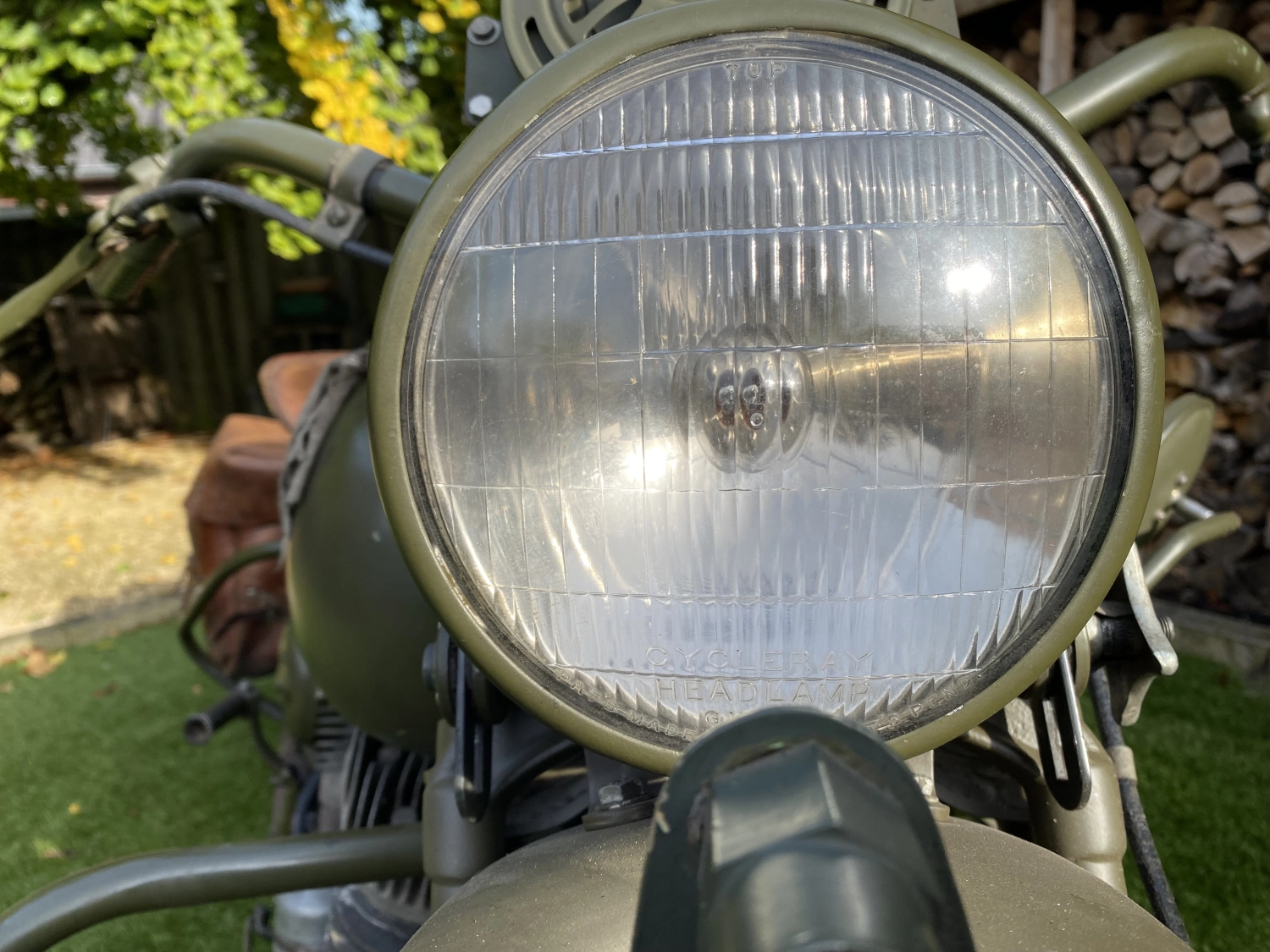
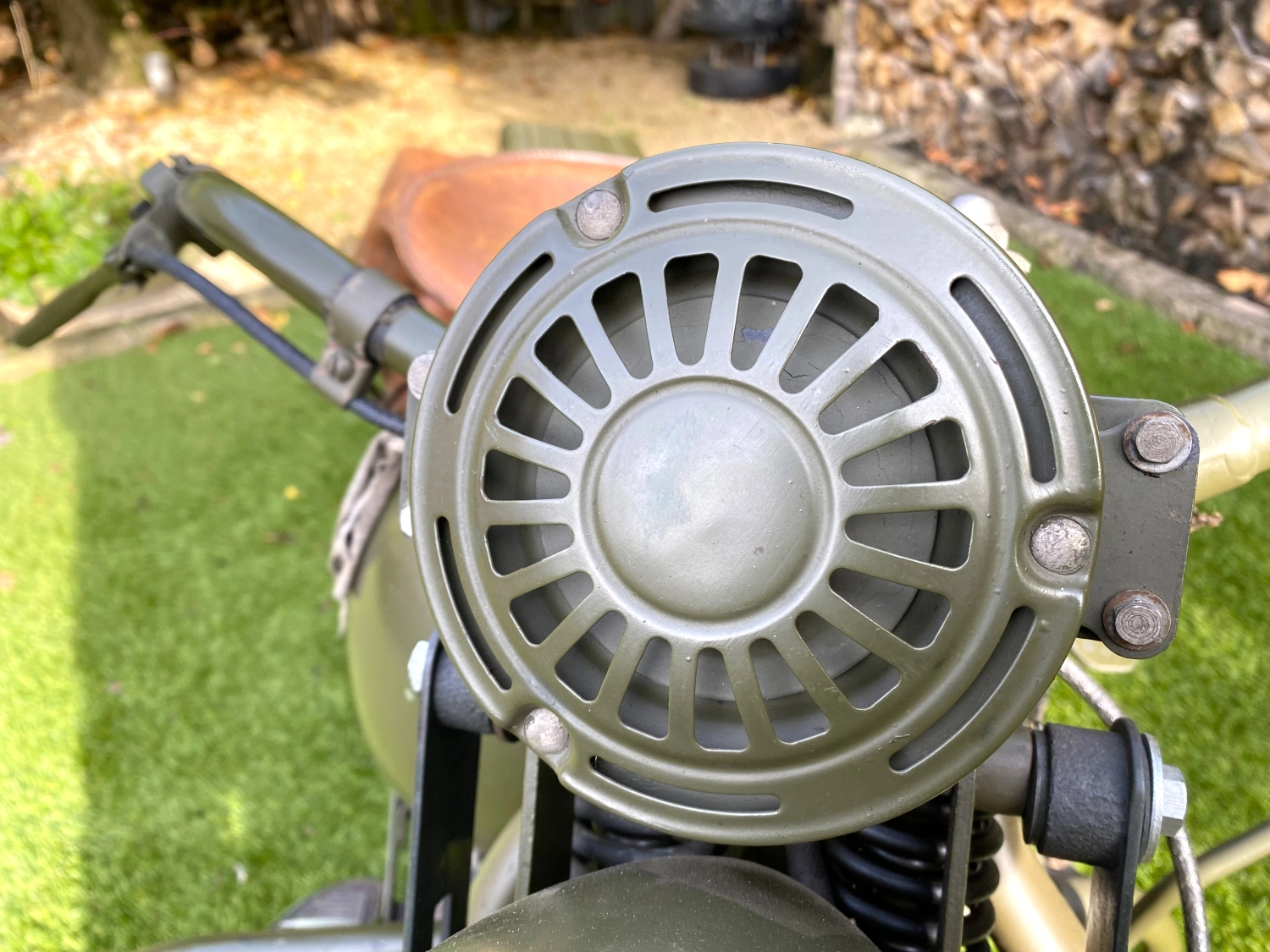
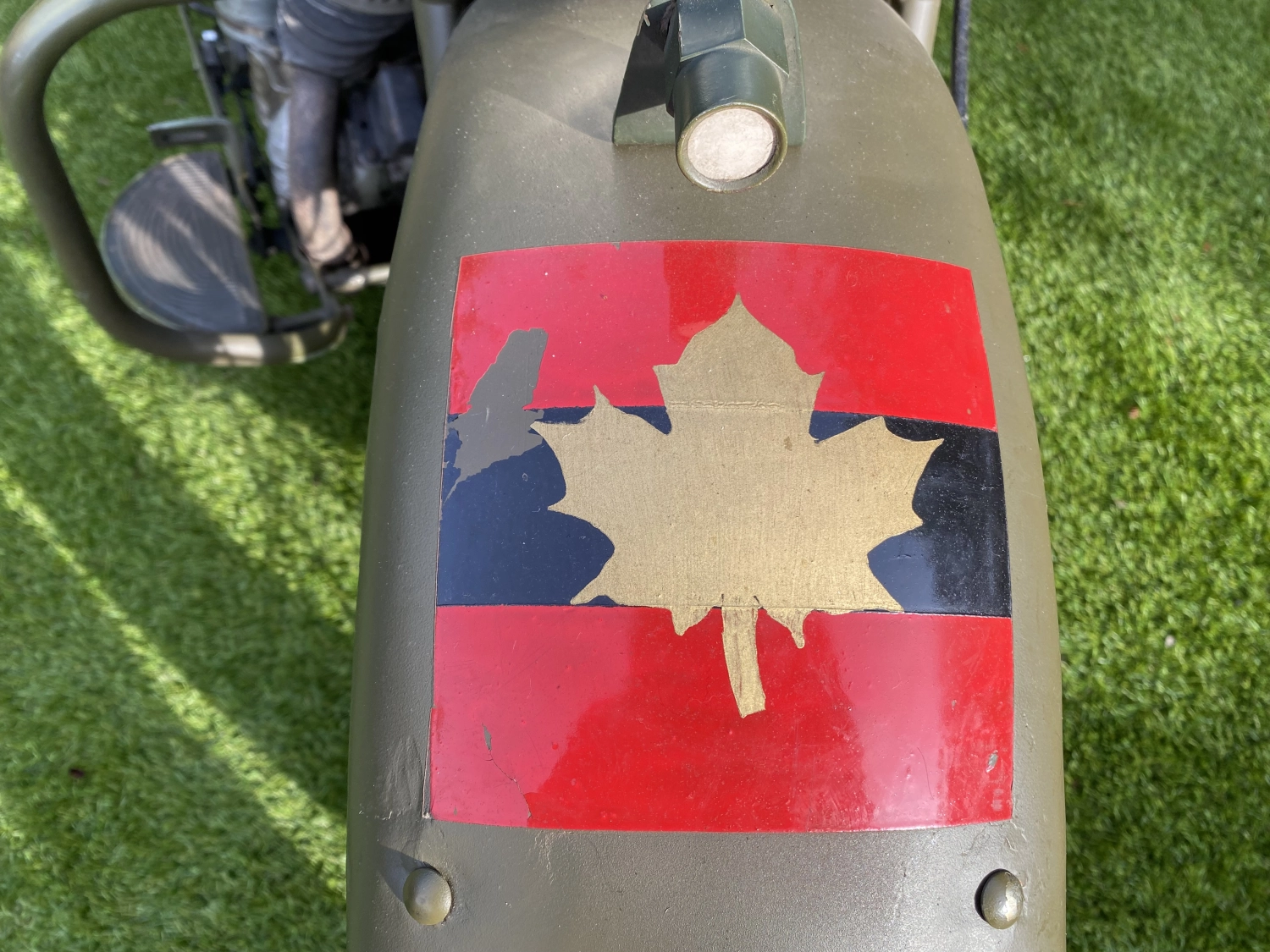
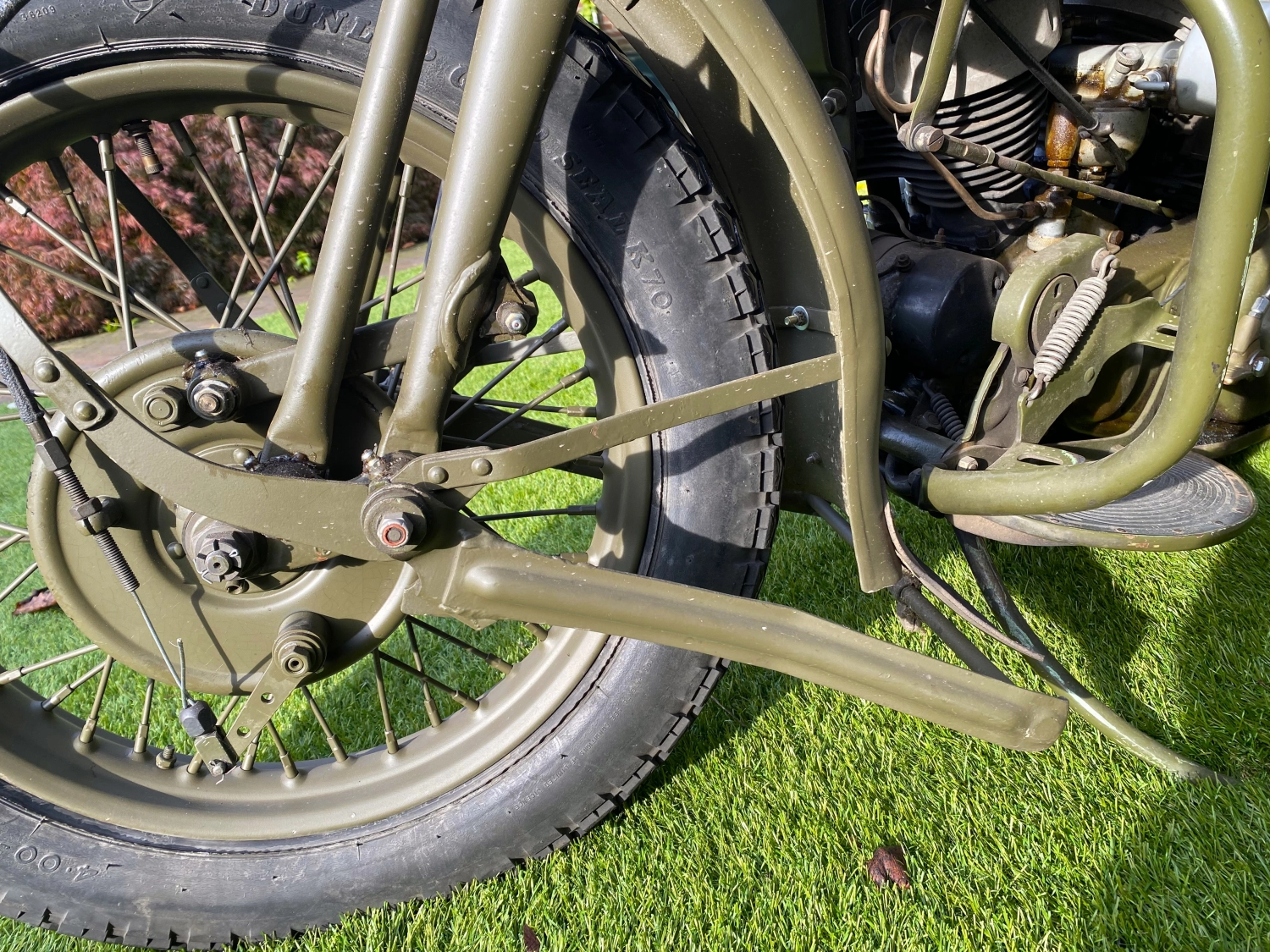
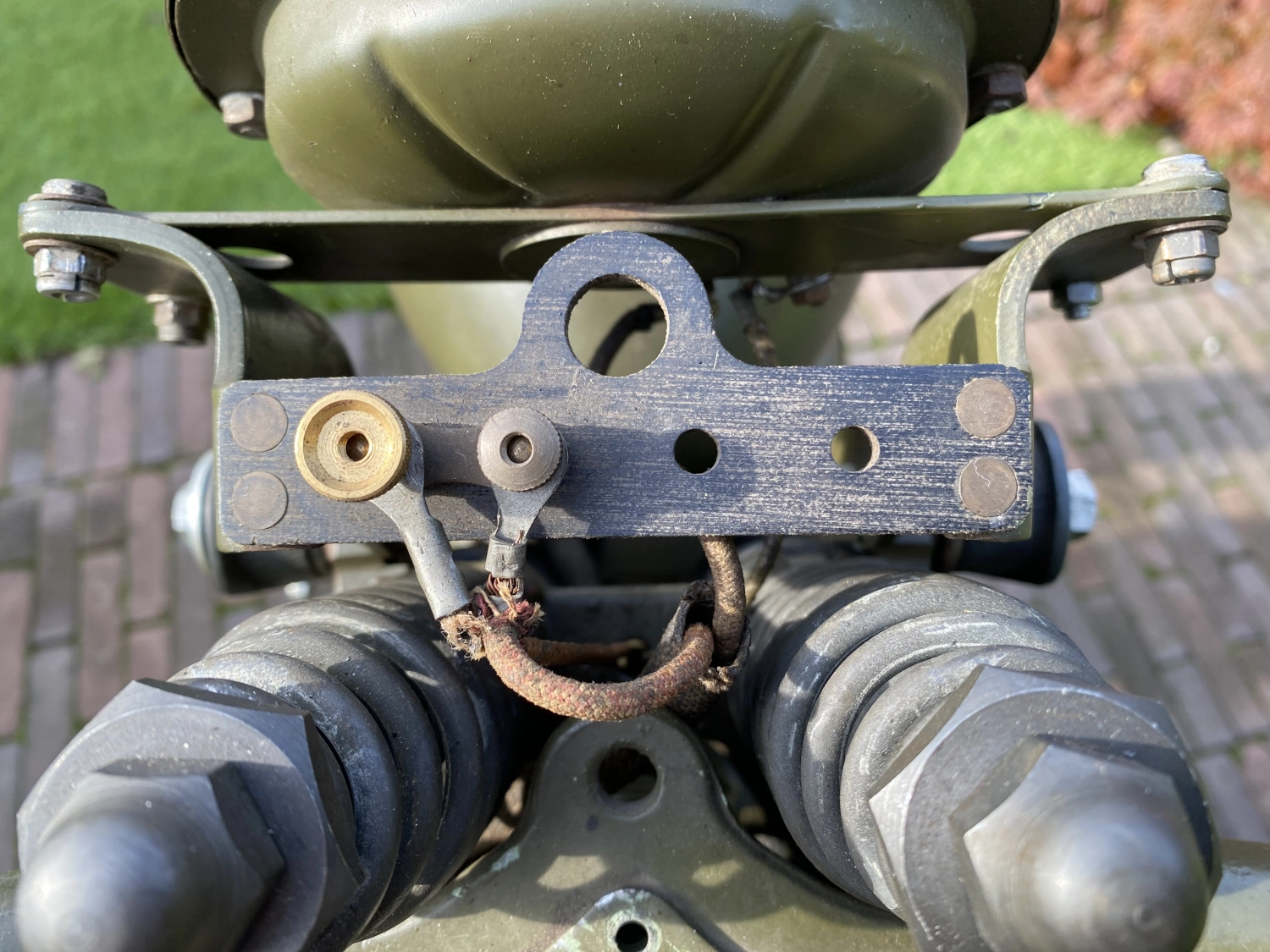
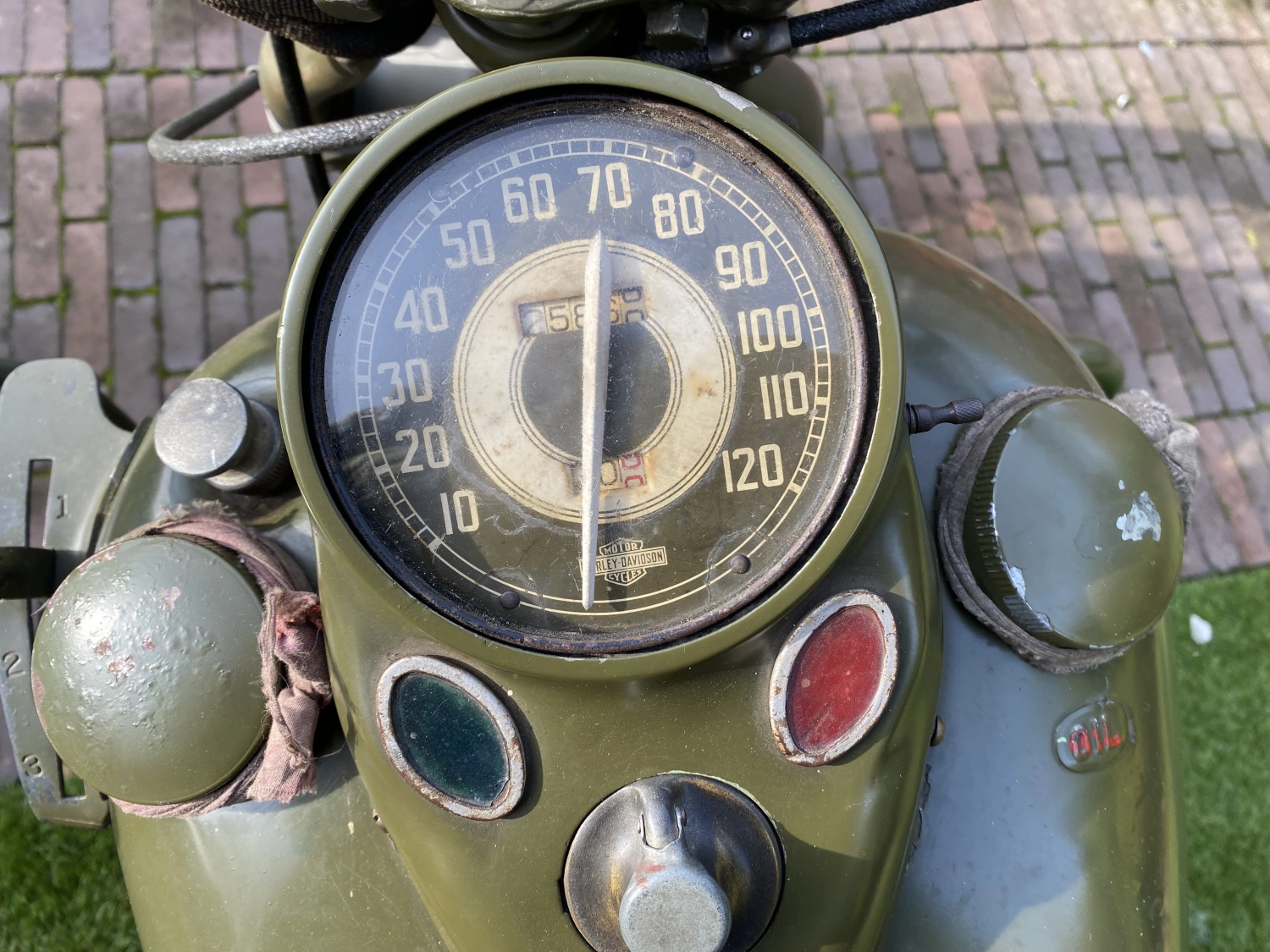
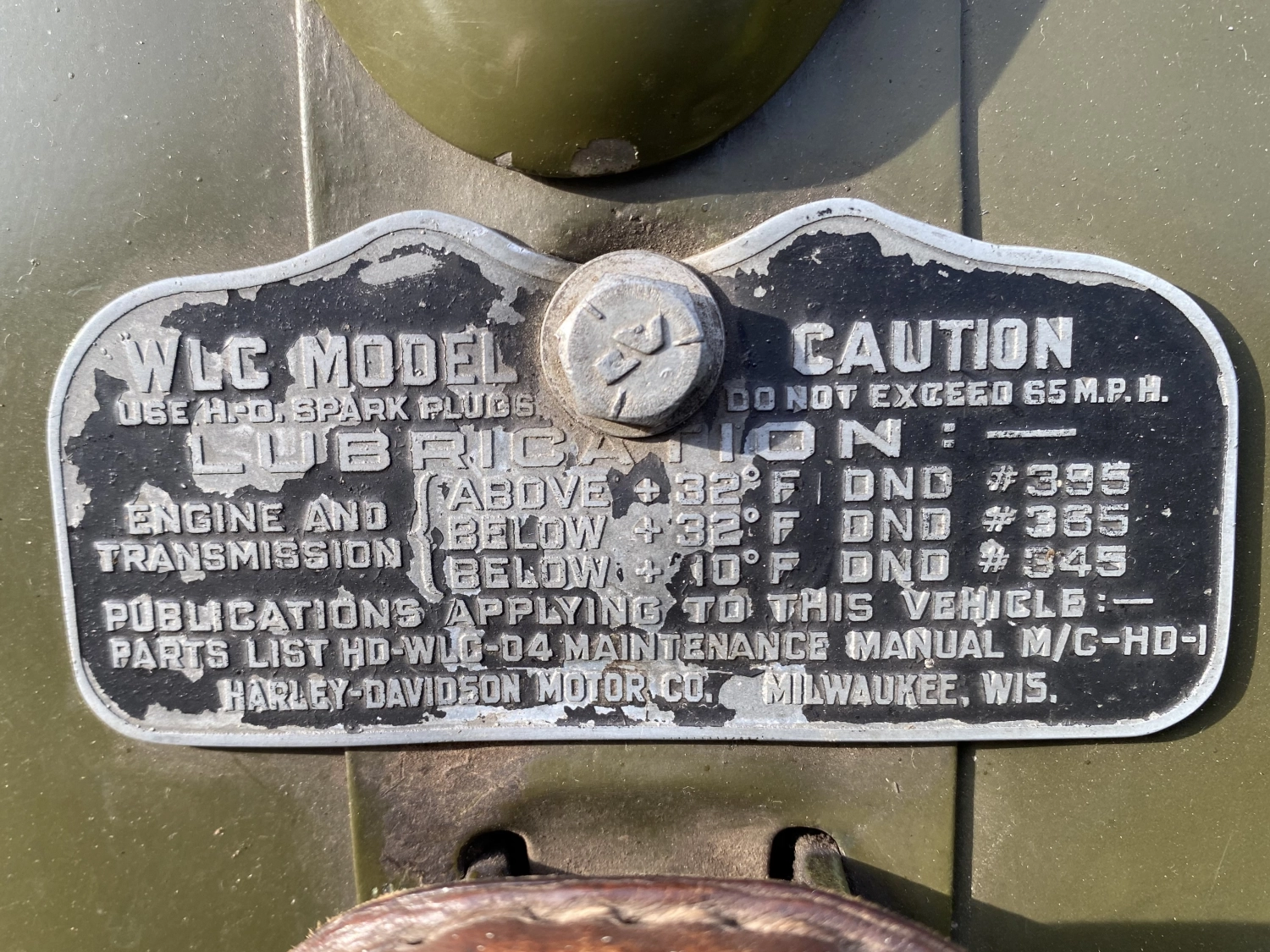
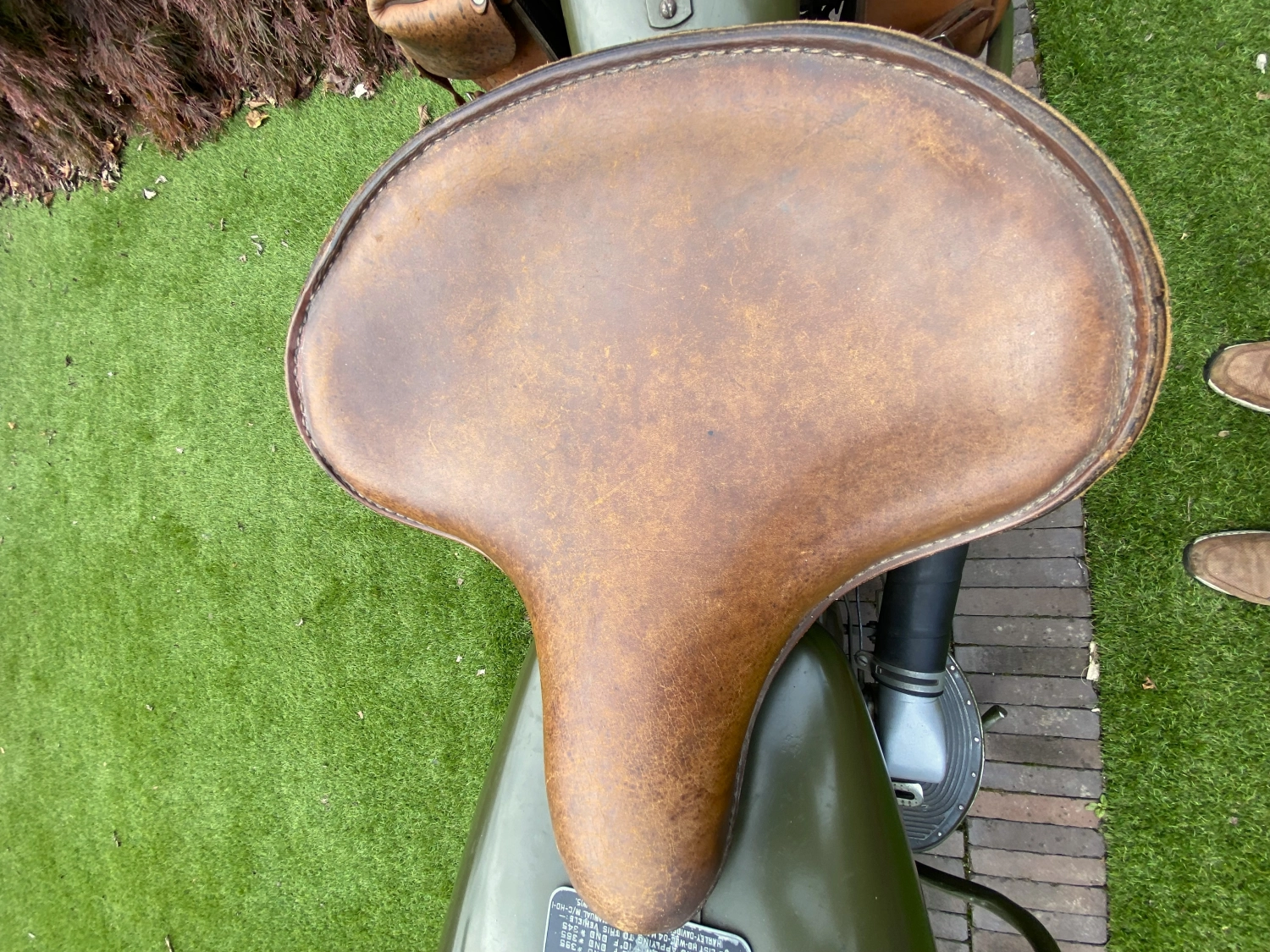
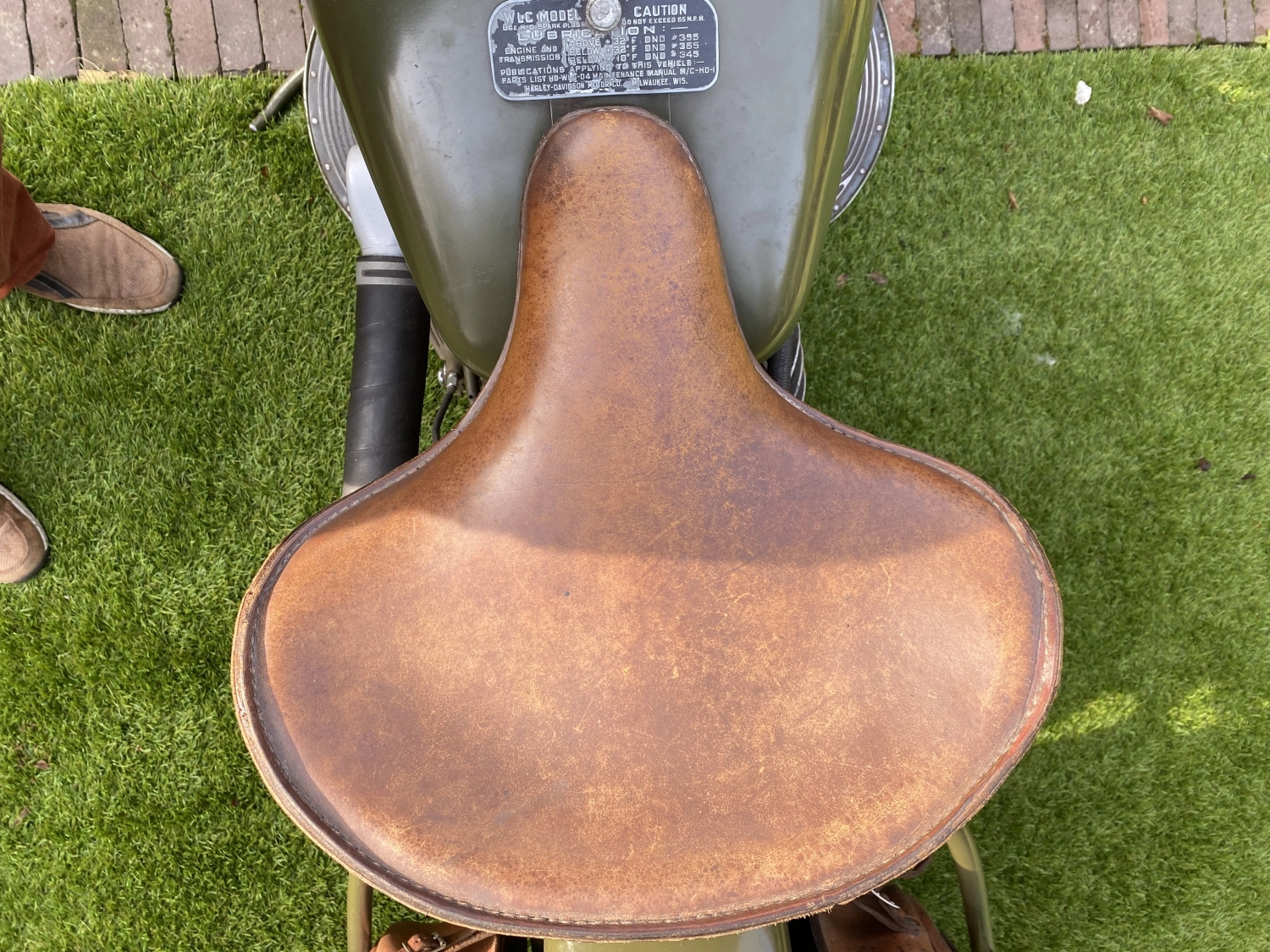
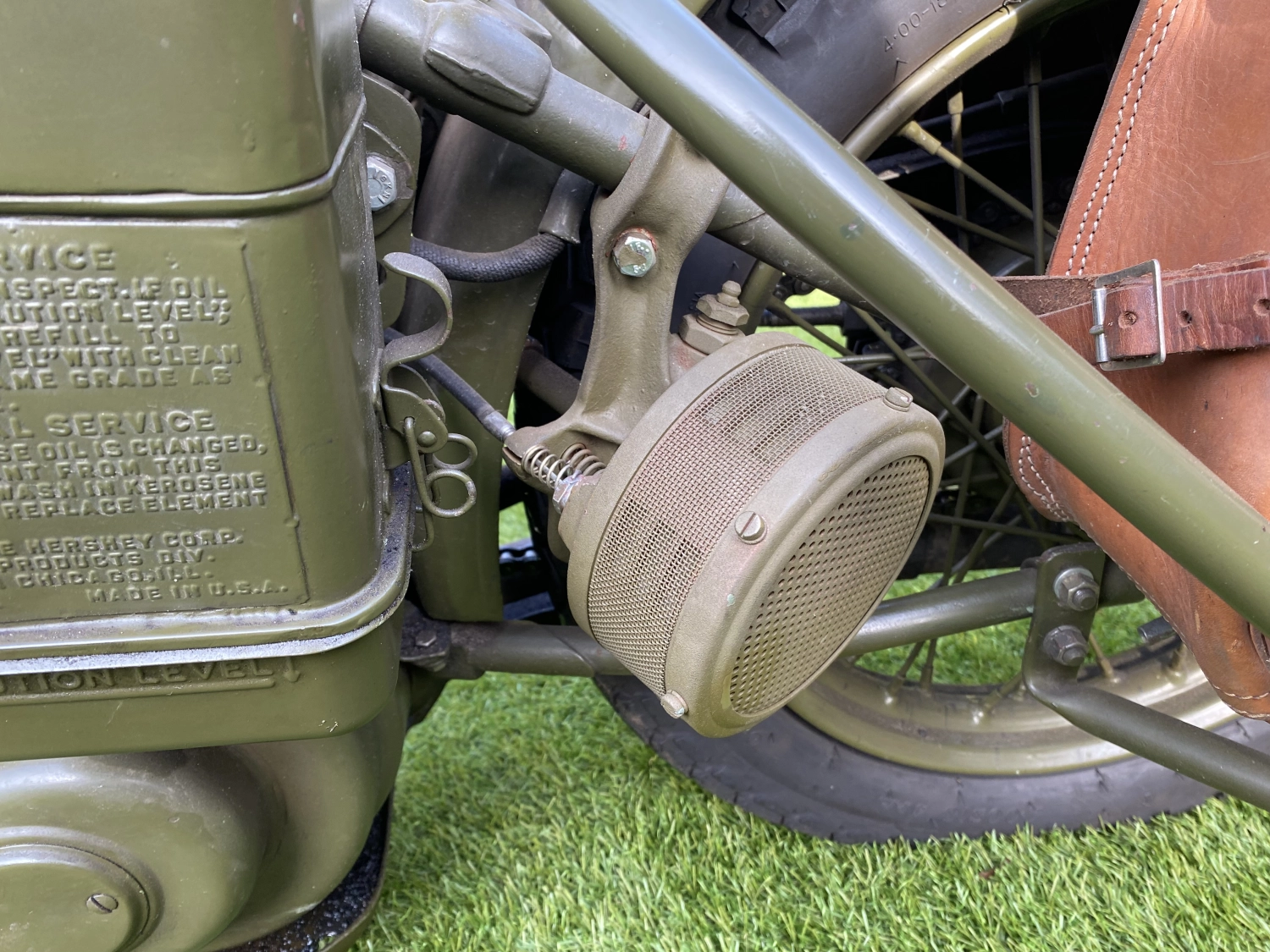
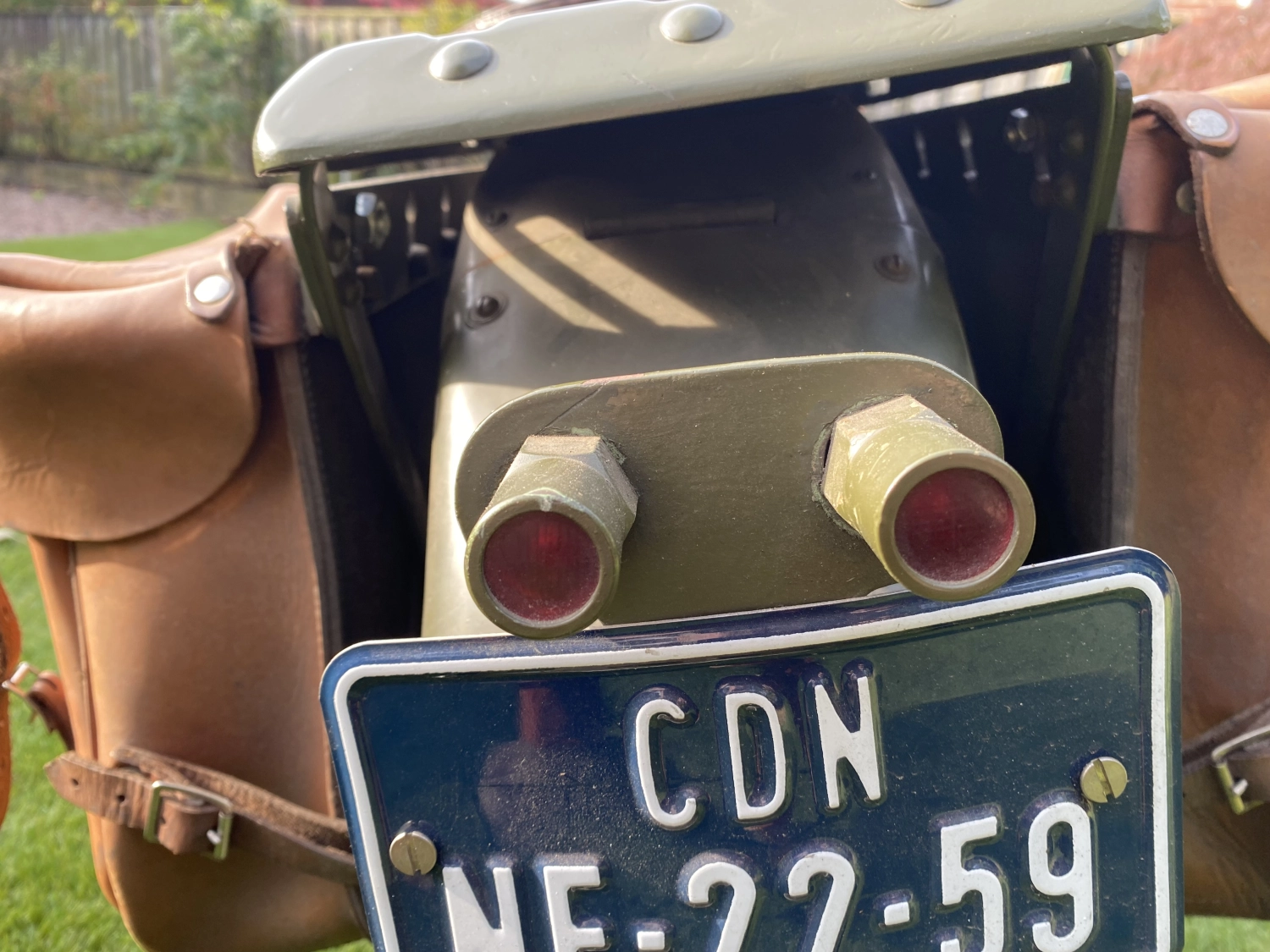
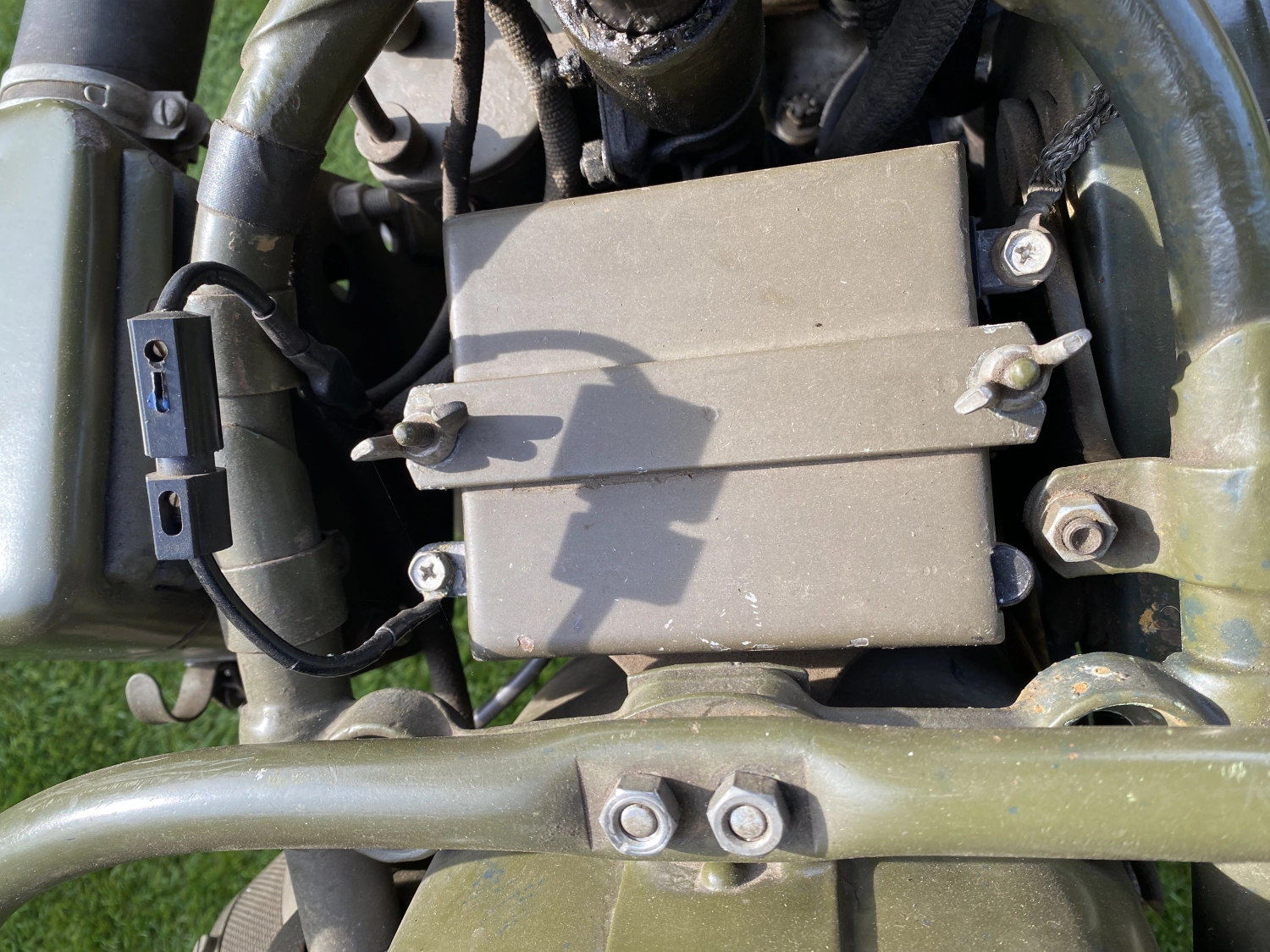
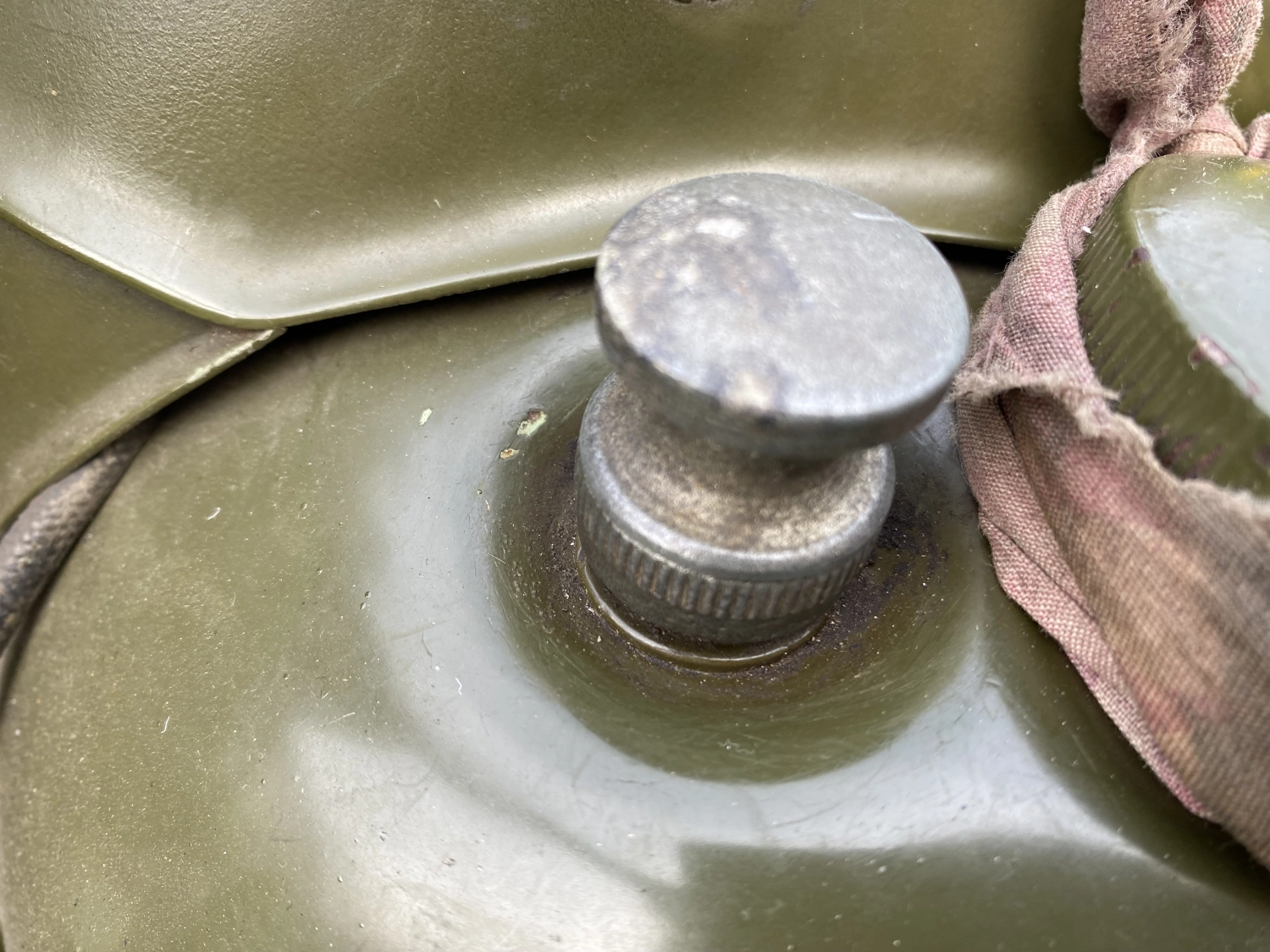
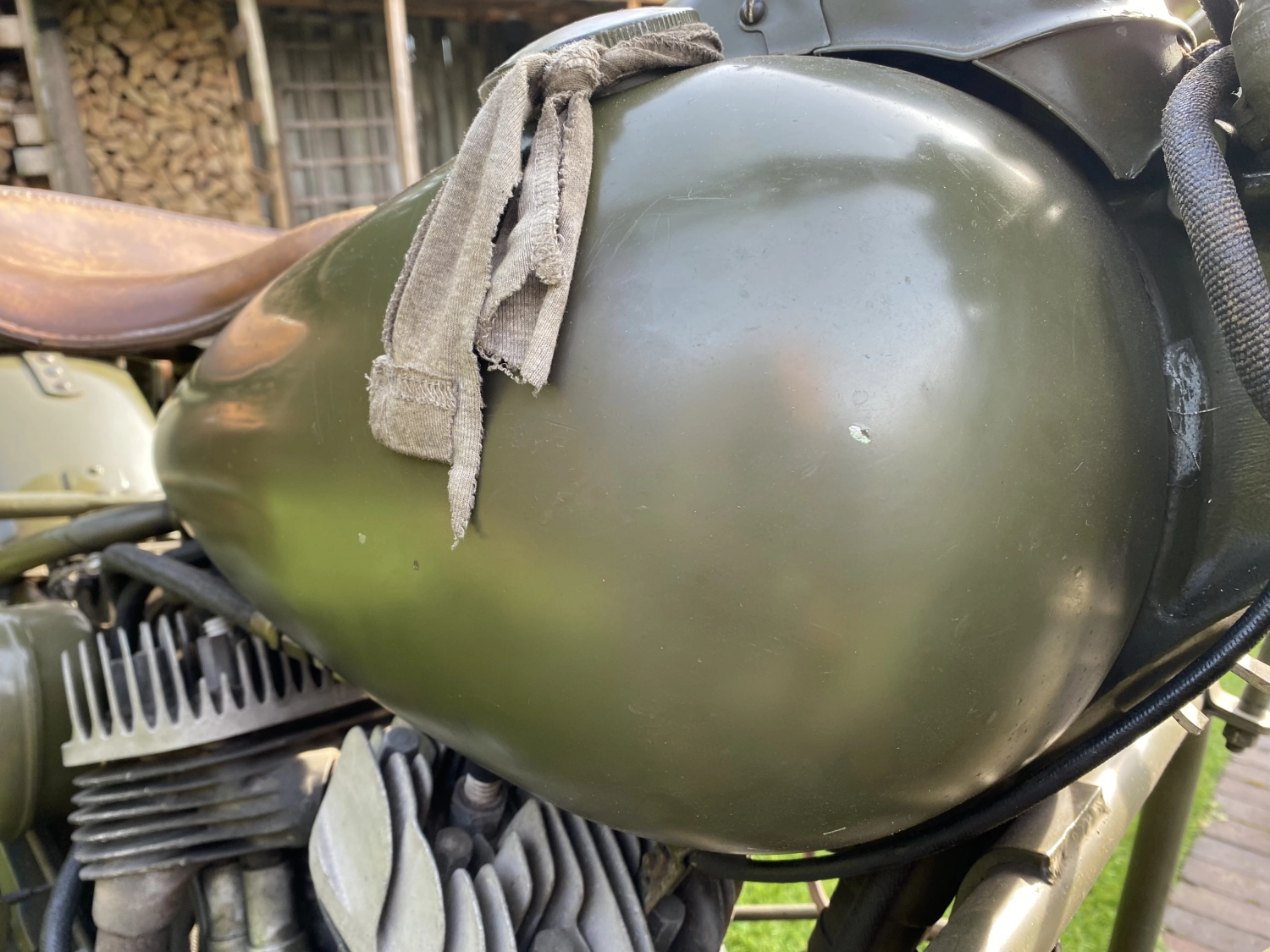
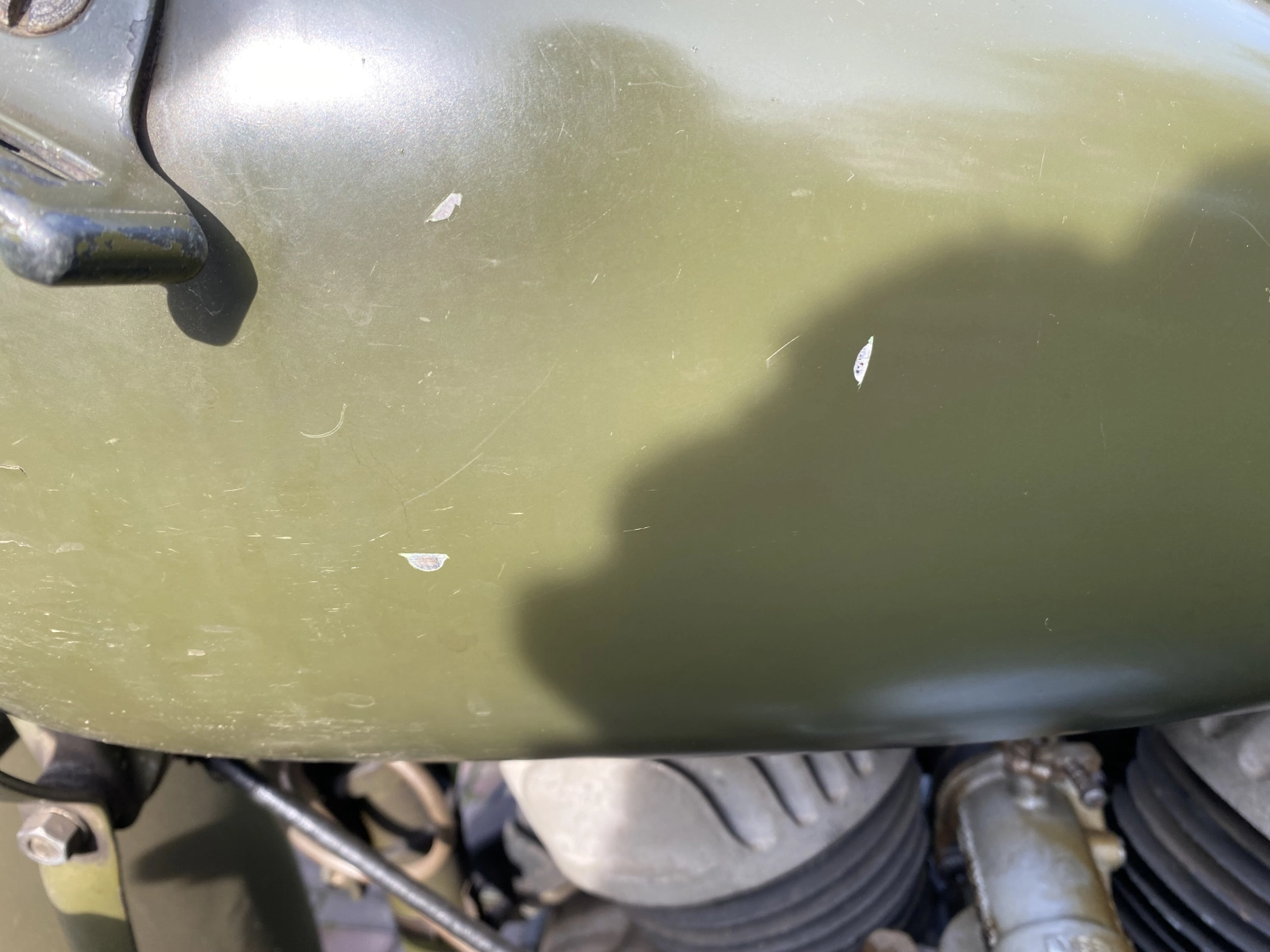
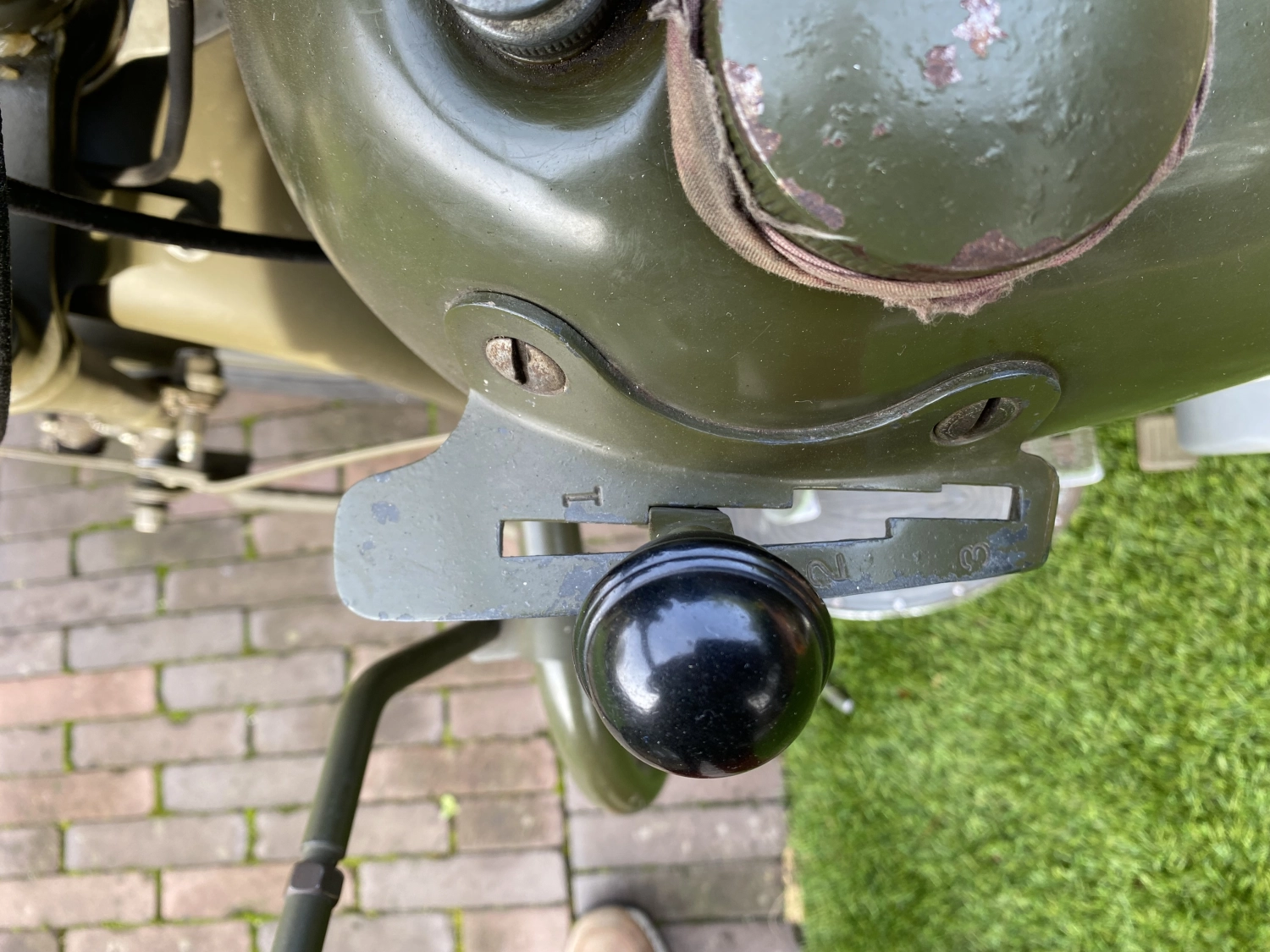
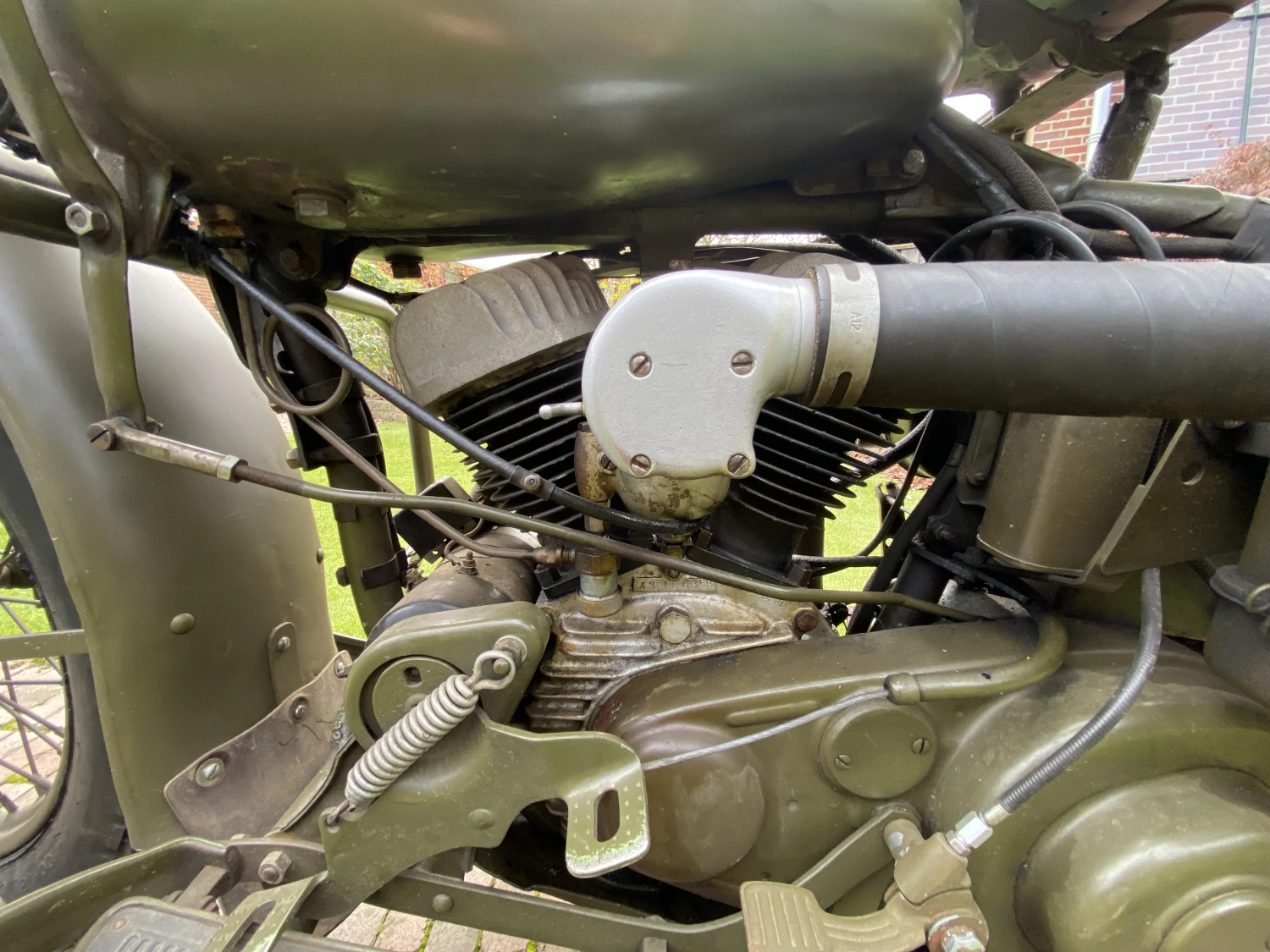
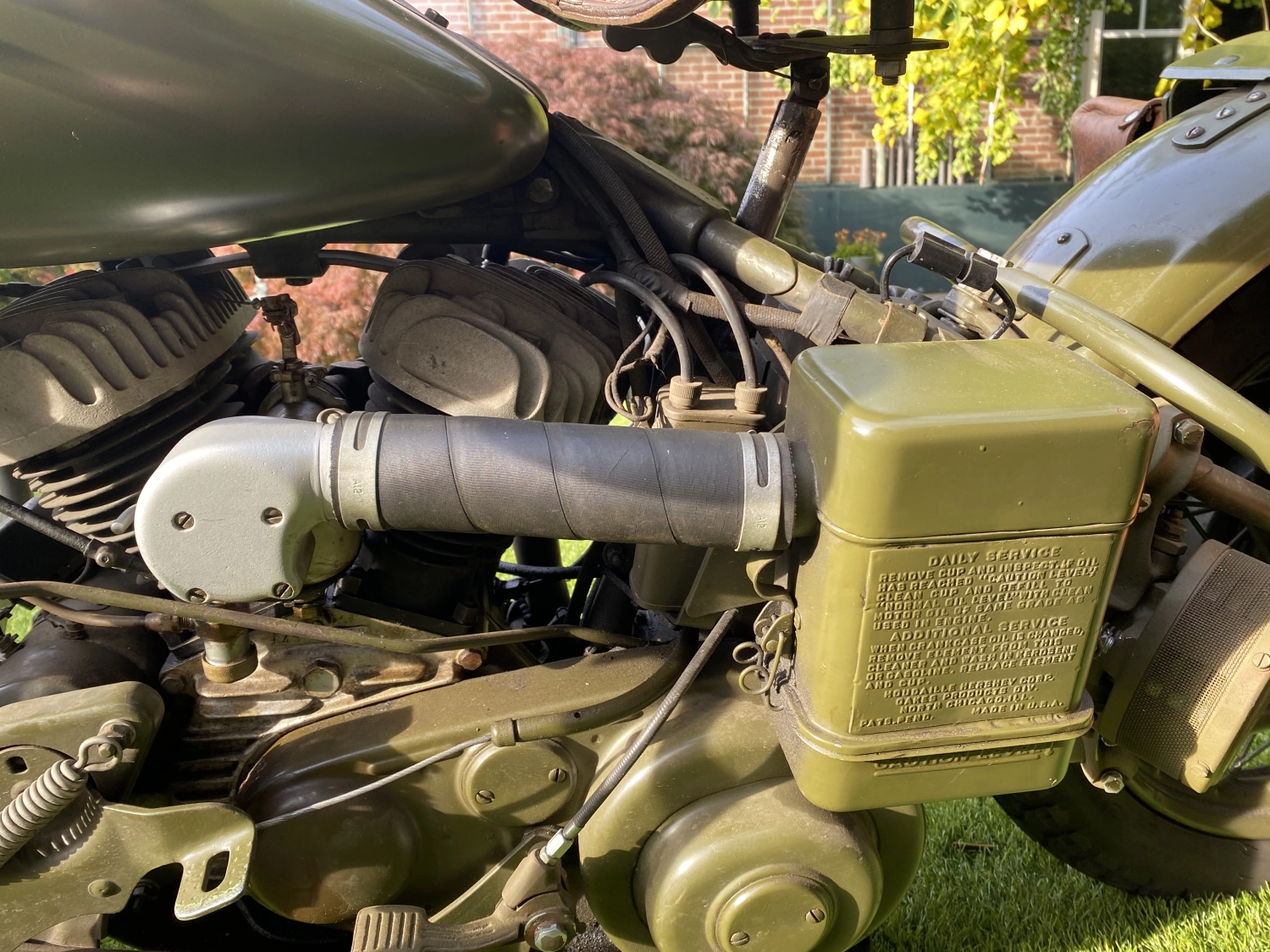
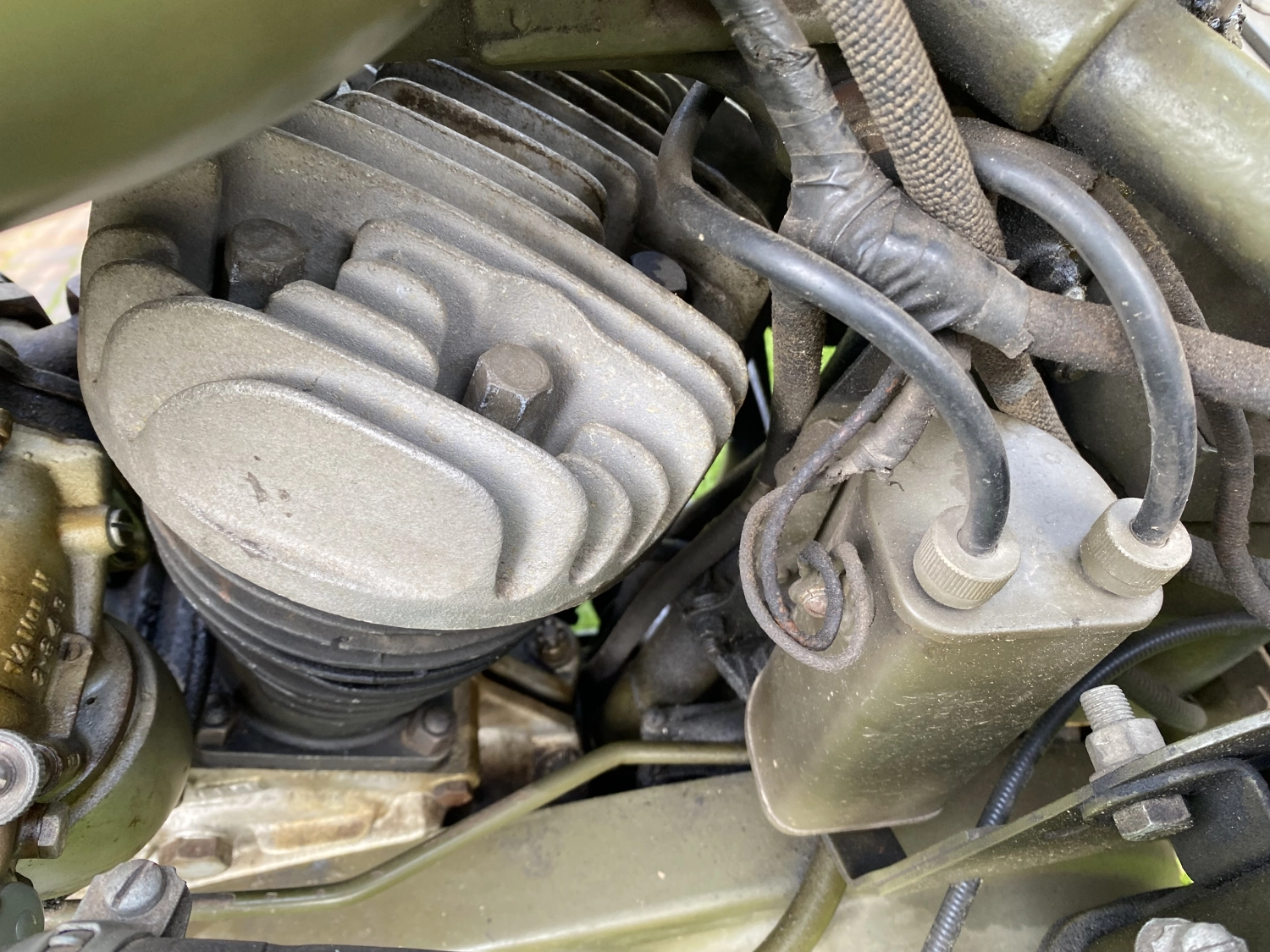
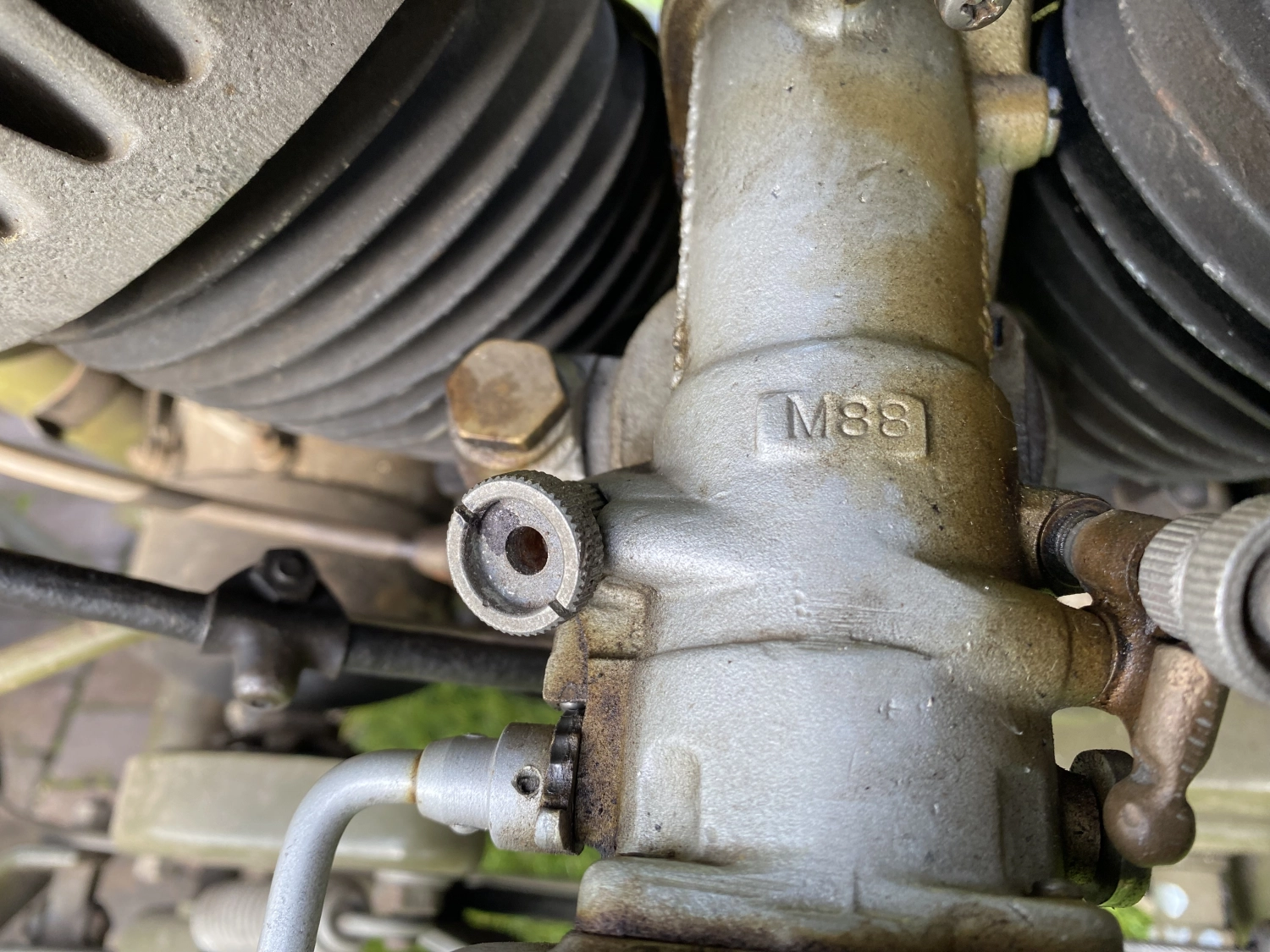
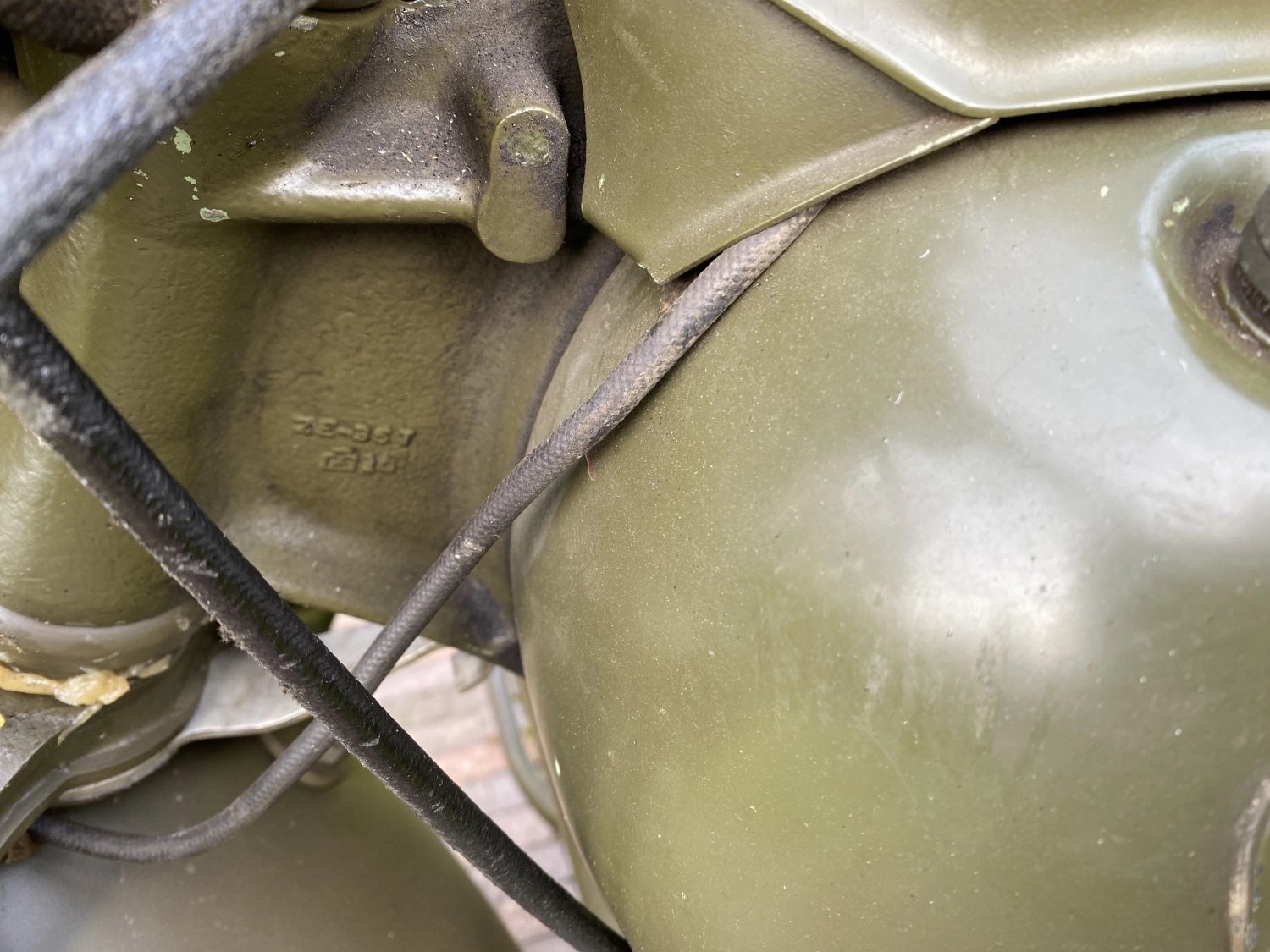
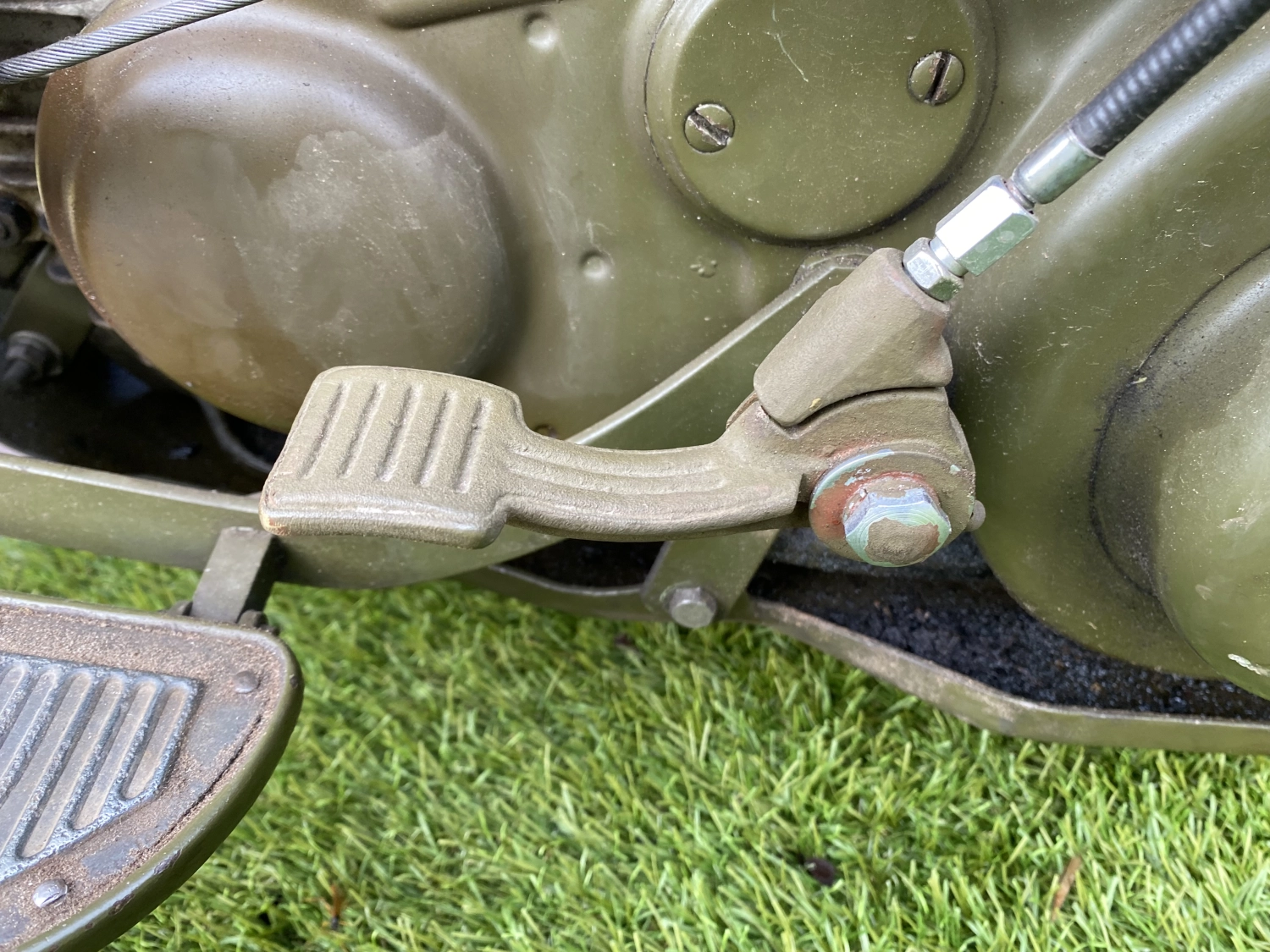
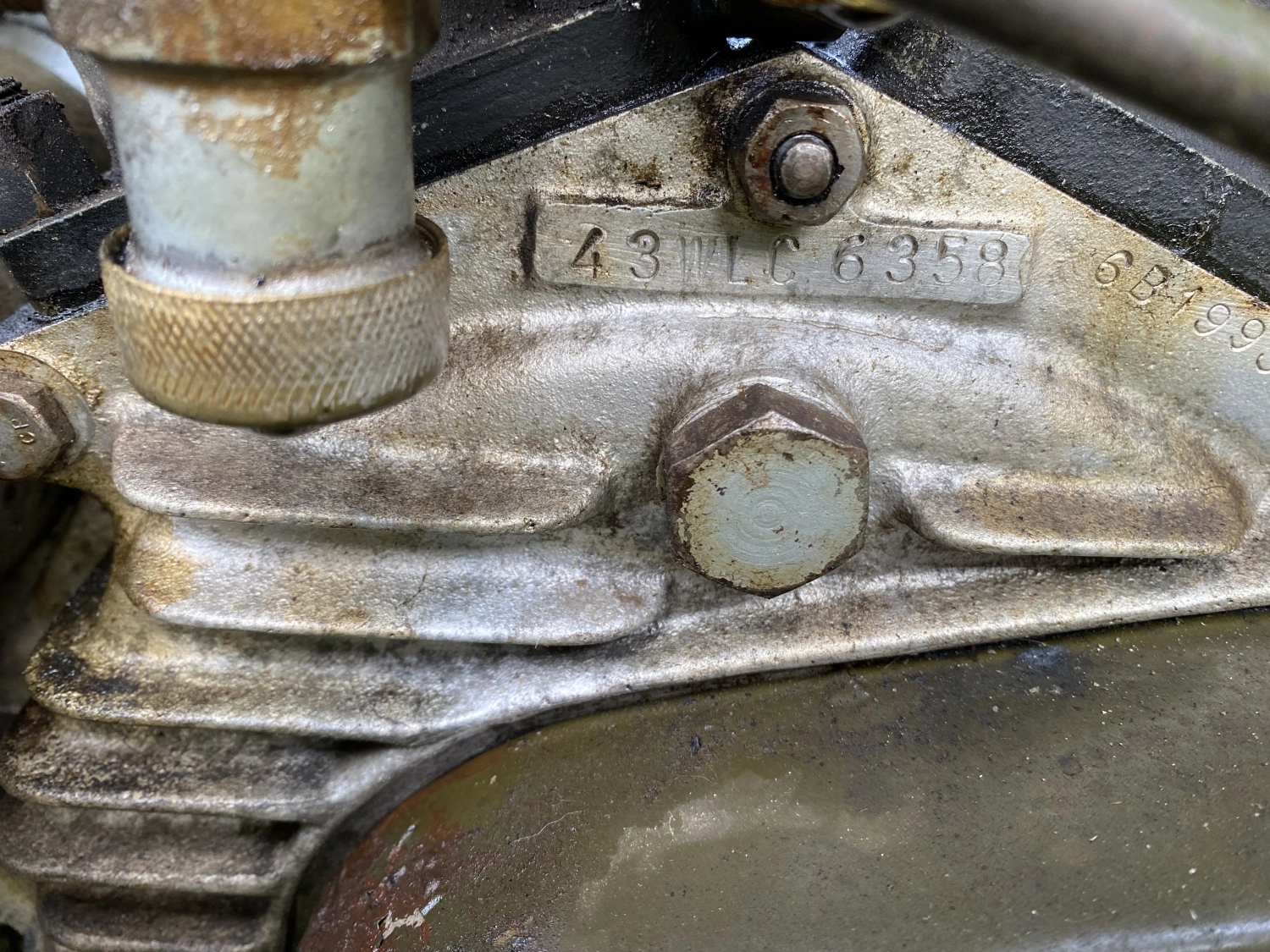
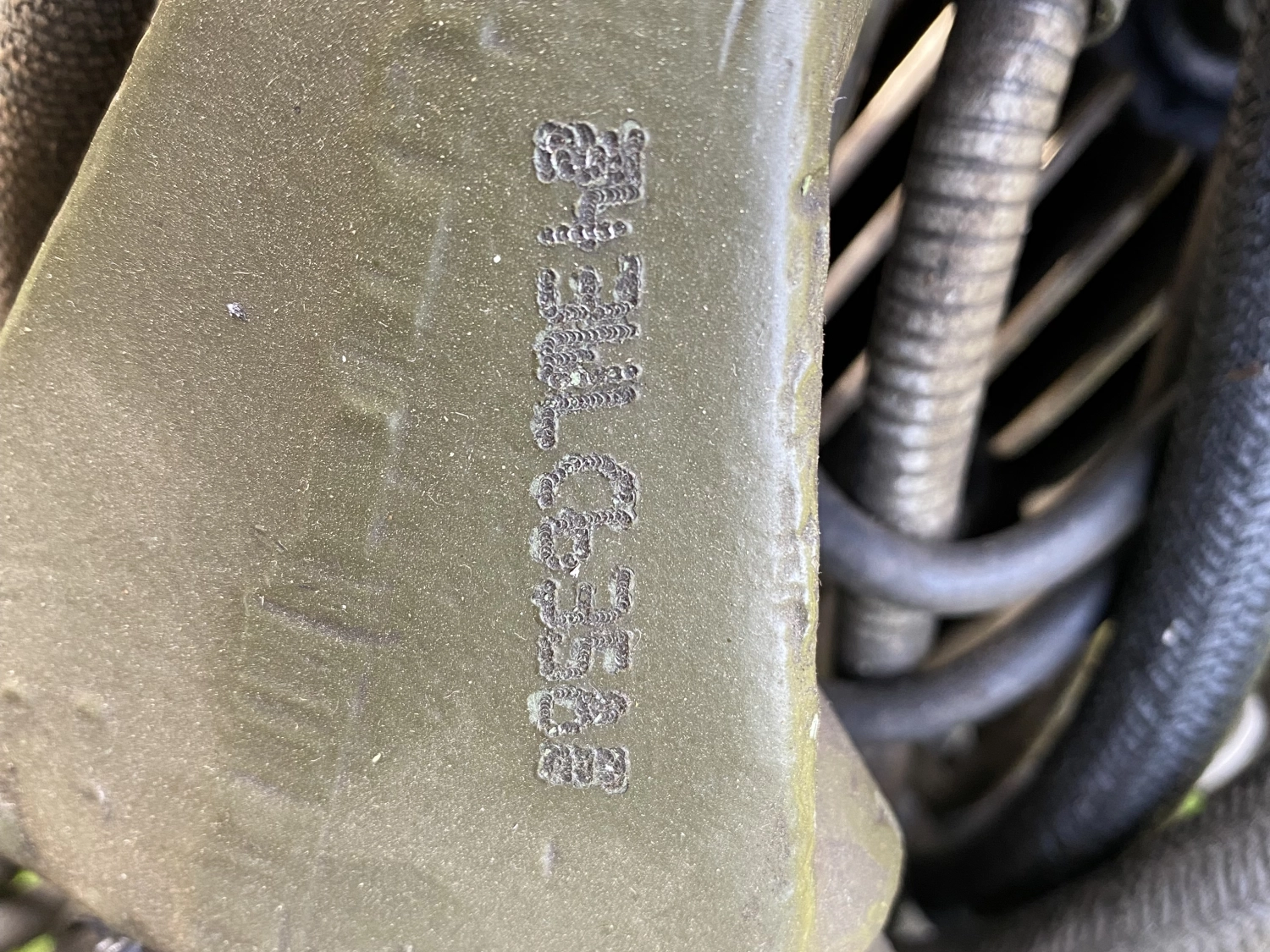
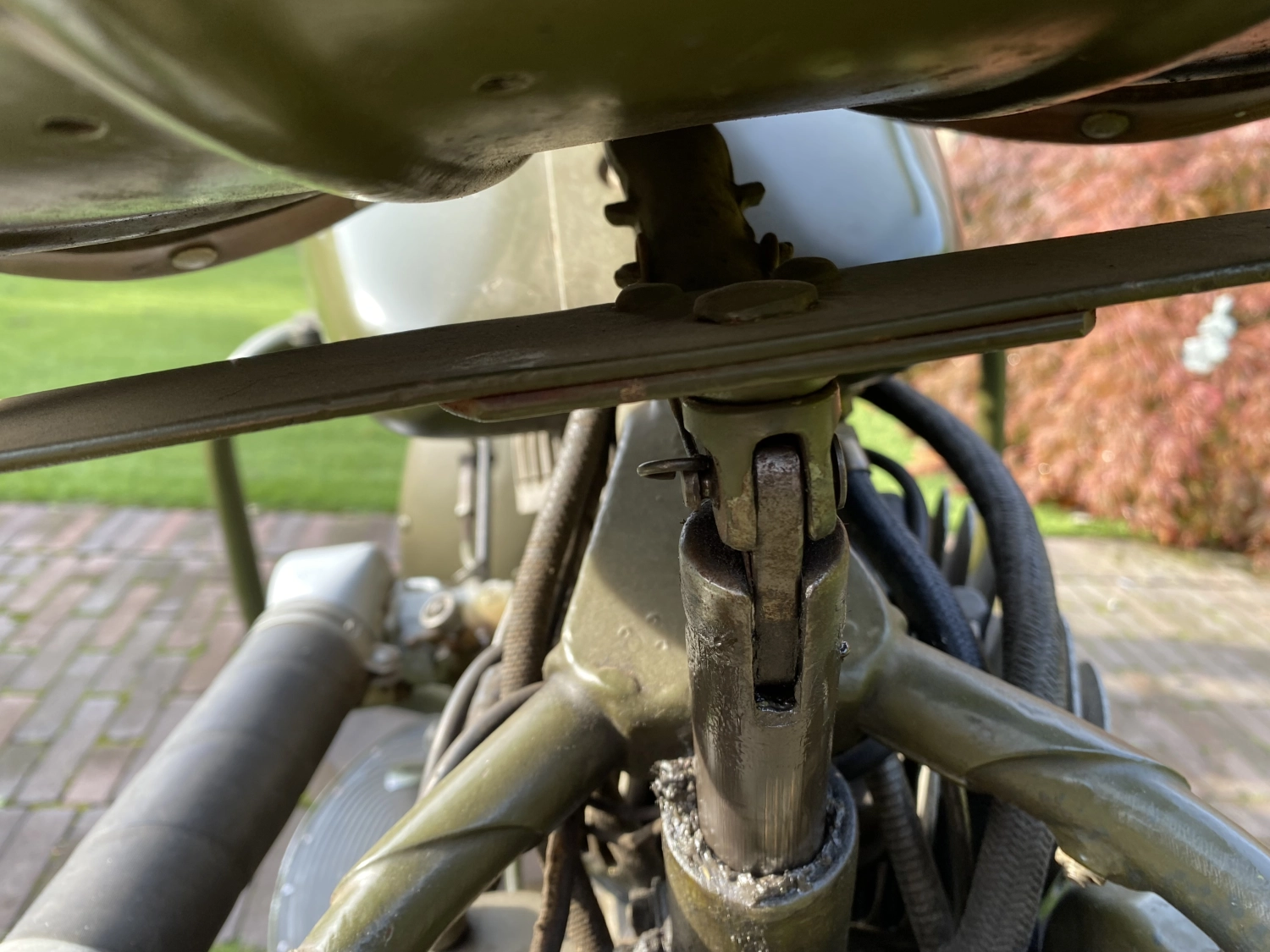
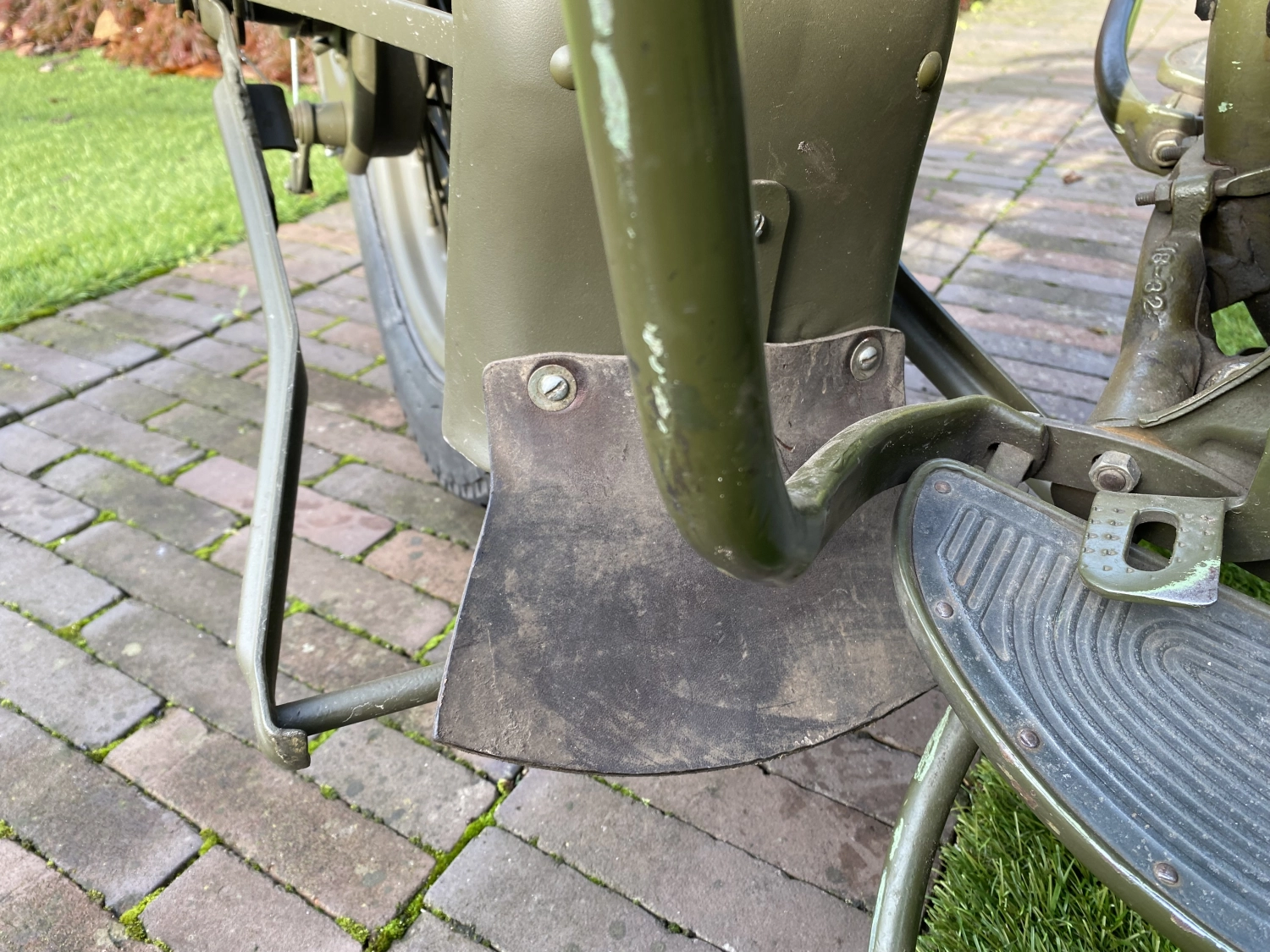
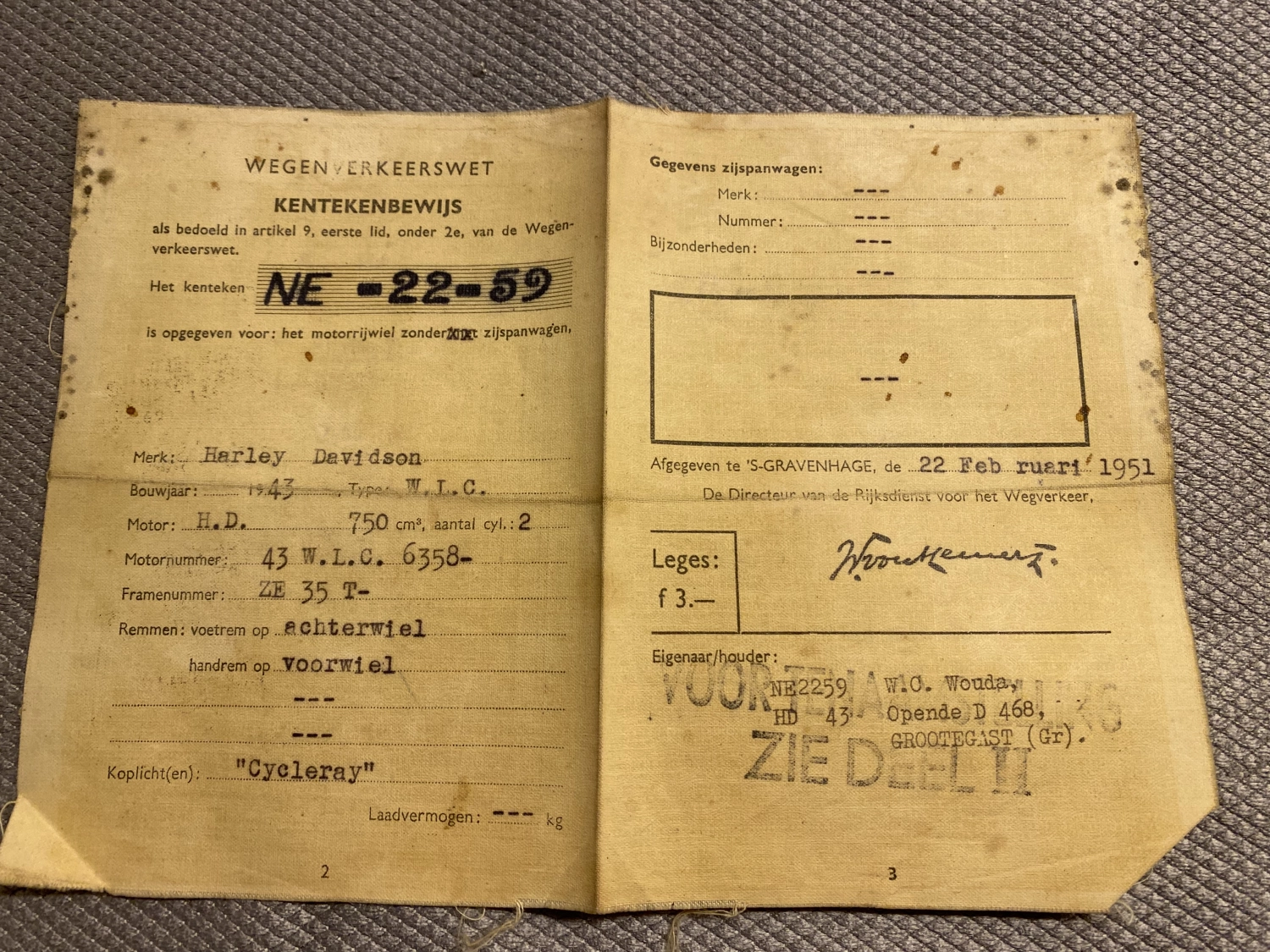
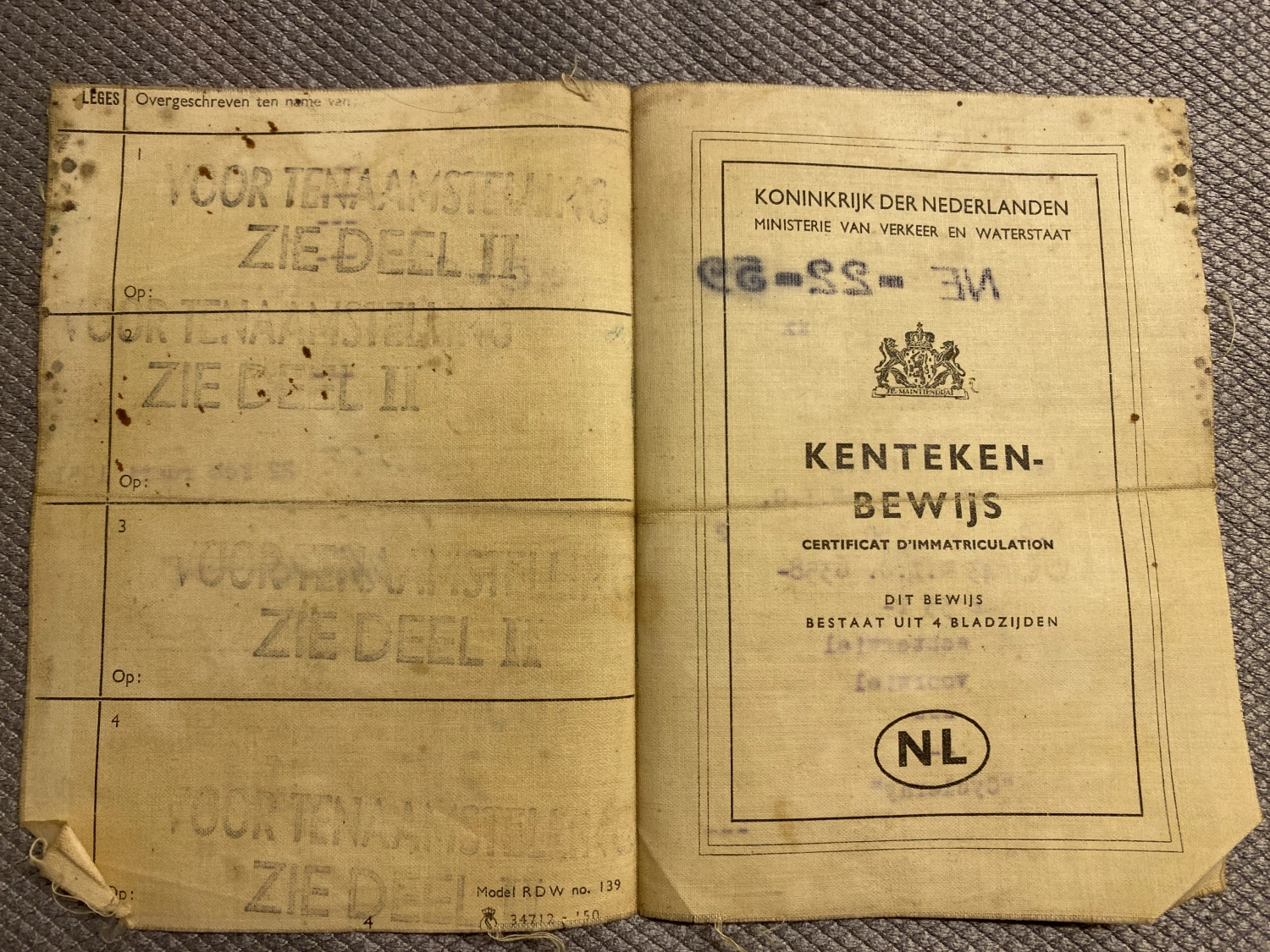


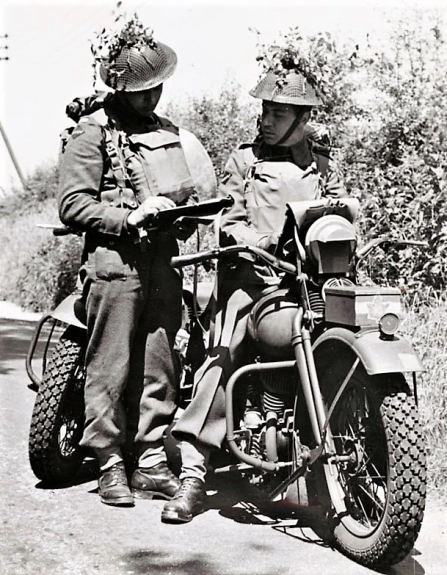
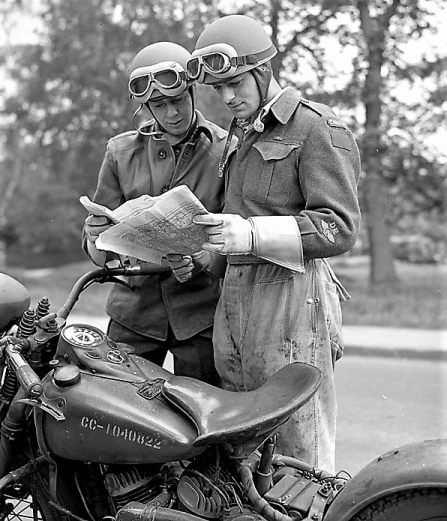
This Harley-Davidson WLC was left behind in northern Netherlands by the Canadian liberators after World War II. In 1951, the motorcycle was registered with a Dutch license plate and remained in the possession of its first owner for a long time. In the early 1980s, it was restored by the second owner. After changing hands a couple of times, the iconic Harley came into the possession of the current owner in 2023. After enjoying many rides, this beautiful WLC is now offered for sale to allow focus on other motorcycles in his collection. This WLC is ready to be kick-started on the very first sunny day.
The WLC starts, shifts, brakes, and rides well. It is largely in its original state and has correct casting numbers. The engine number matches the frame number, and the motorcycle retains its original linen license registration papers from 1951. The Harley is equipped with the almost legendary wheel siren that is highly desired and commonly used by many owners during parades. And it works well!
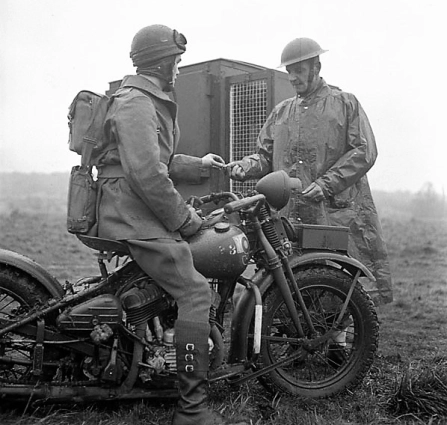
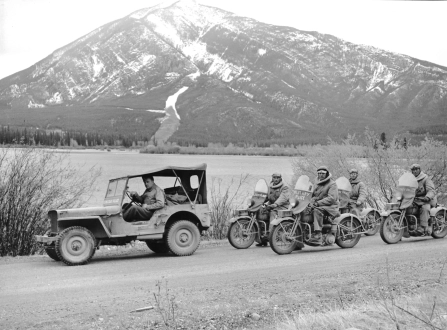
Before World War II, the Canadian Army, also known as the Canadian National Defense Forces, used motorcycles from brands like Norton, BSA, and Indian. This was because they wanted to use the same motorcycles as the British, their Commonwealth partner.
However, as the war progressed, England could not supply enough motorcycles to meet Canada's needs, forcing Canada to seek out other manufacturers. After France surrendered, Britain took over an Indian contract intended for the French army and supplied several Indian Chief models to Canada.
Canada was pleased with these bikes and ordered more Chiefs, along with the 640 Scout models, directly from Indian. But when Indian began to struggle with spare parts orders and technical issues arose with the motorcycles, Canada began looking for another supplier. They found this in Harley-Davidson. Like with Indian, Canada ordered both 45ci Solo models and Big Twins from the Milwaukee factory. These would later be known as the WLC and ELC models.
WLC Production
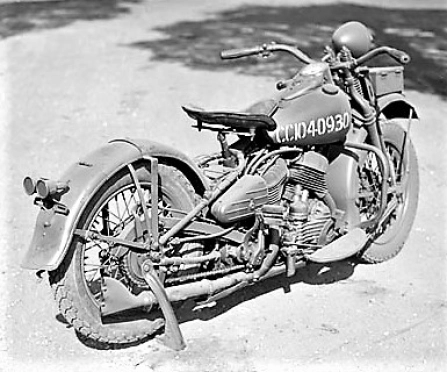
The production of Harley-Davidson WLCs began in late 1941 and continued through 1944. They were released as the Model 42WLC and Model 43WLC. The 43WLC came in two versions: a 'Domestic' model for use in Canada and an 'Export' version for overseas use. Unlike the WLA, the WLC models had two different types of engine numbers, either 42WLCXXXX or 43WLCXXXX.
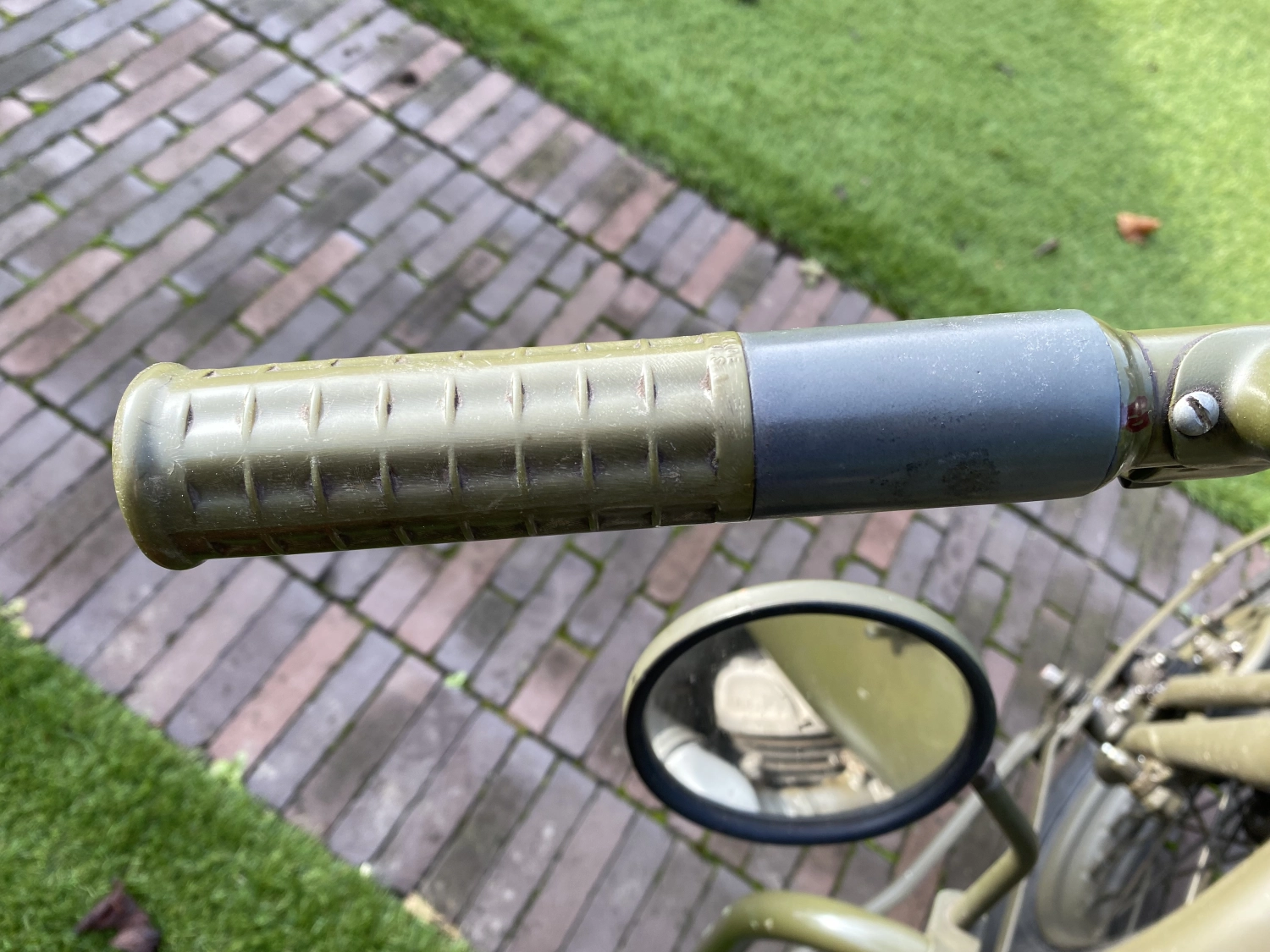
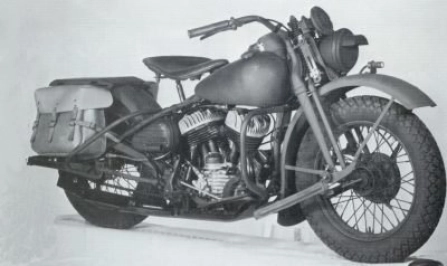
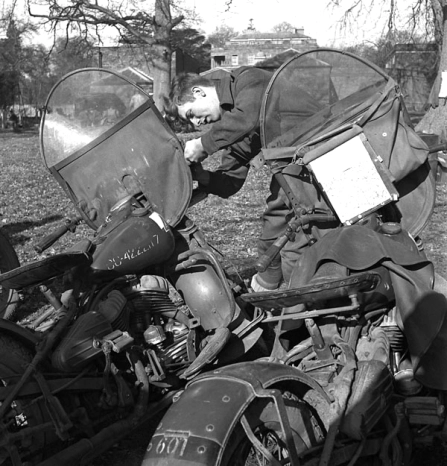
Although the WLC is very similar to the US Army WLA, it differs in several details. The front and rear wheels are interchangeable, the front brake drum is of the 'Big Twin' style, the lighting equipment is different, the throttle is on the left handlebar with the ignition timing on the right, and the oil and gas lines are rubber. An auxiliary clutch lever is provided on the handlebars, and later 43WLC models have green plastic grips. Additionally, the front fork has a ride control, and an extra stand is provided for the front wheel, while the rear stand has 'sand pads.'
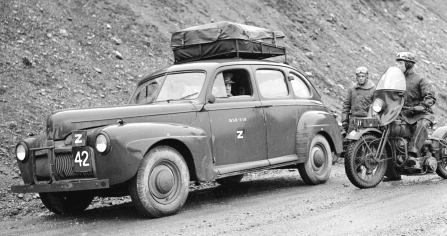
WLCs were not equipped with a submachine gun bracket or an ammo box at the factory. The WLCs were primarily used by the Canadian (and Commonwealth) armies, so a correctly restored WLC should not have US Army markings, just as a restored WLA should not have a WLC-numbered engine (with a few exceptions).


Ivo Rigter Sr.
Founder & Co Owner of BAIV and Tracksandtrade
+31 6 518 22 502 ivosr.rigter@tracksandtrade.com