Ivo Rigter Sr.
Founder & Co Owner of BAIV and Tracksandtrade
+31 6 518 22 502 ivosr.rigter@tracksandtrade.com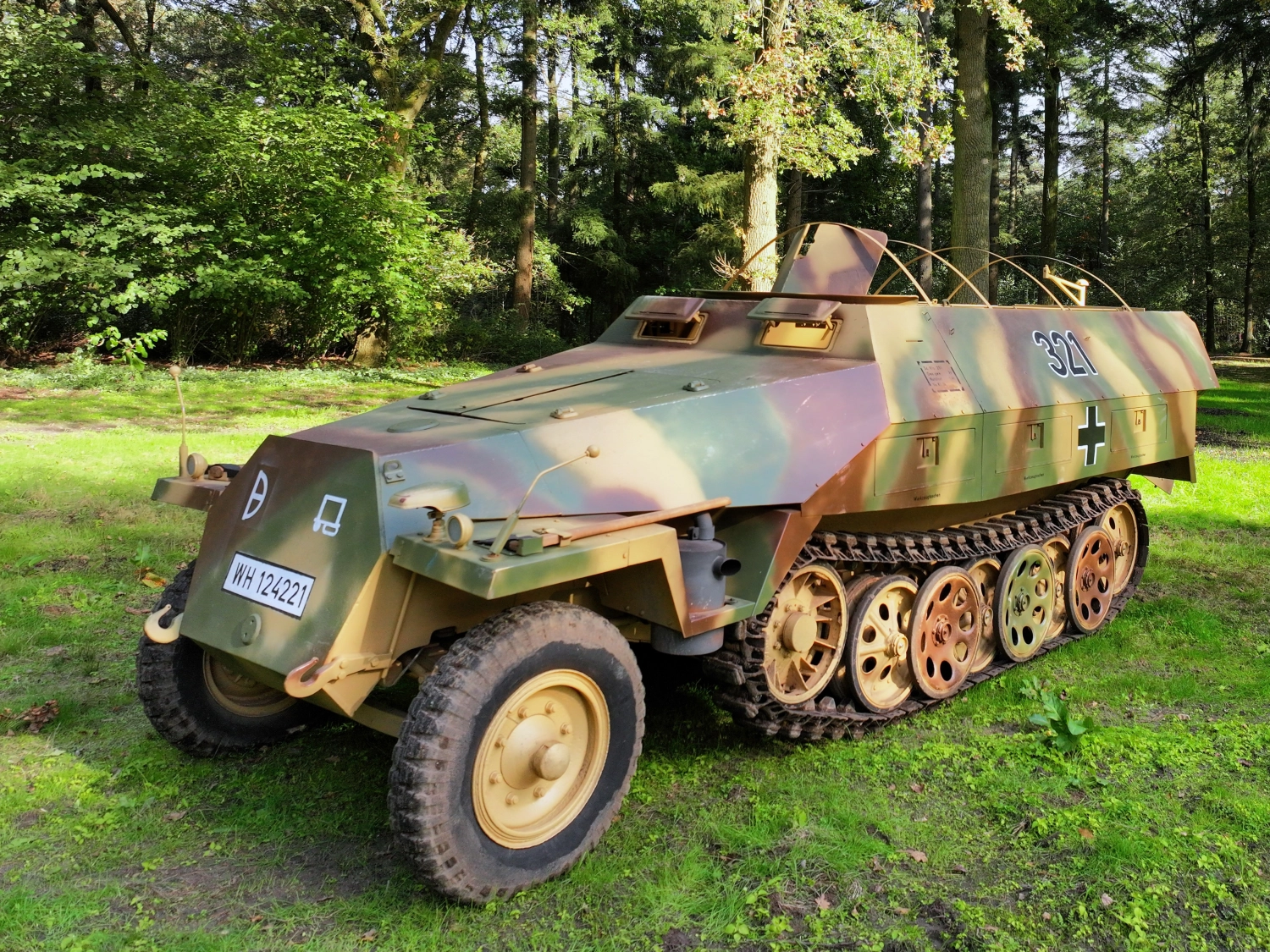


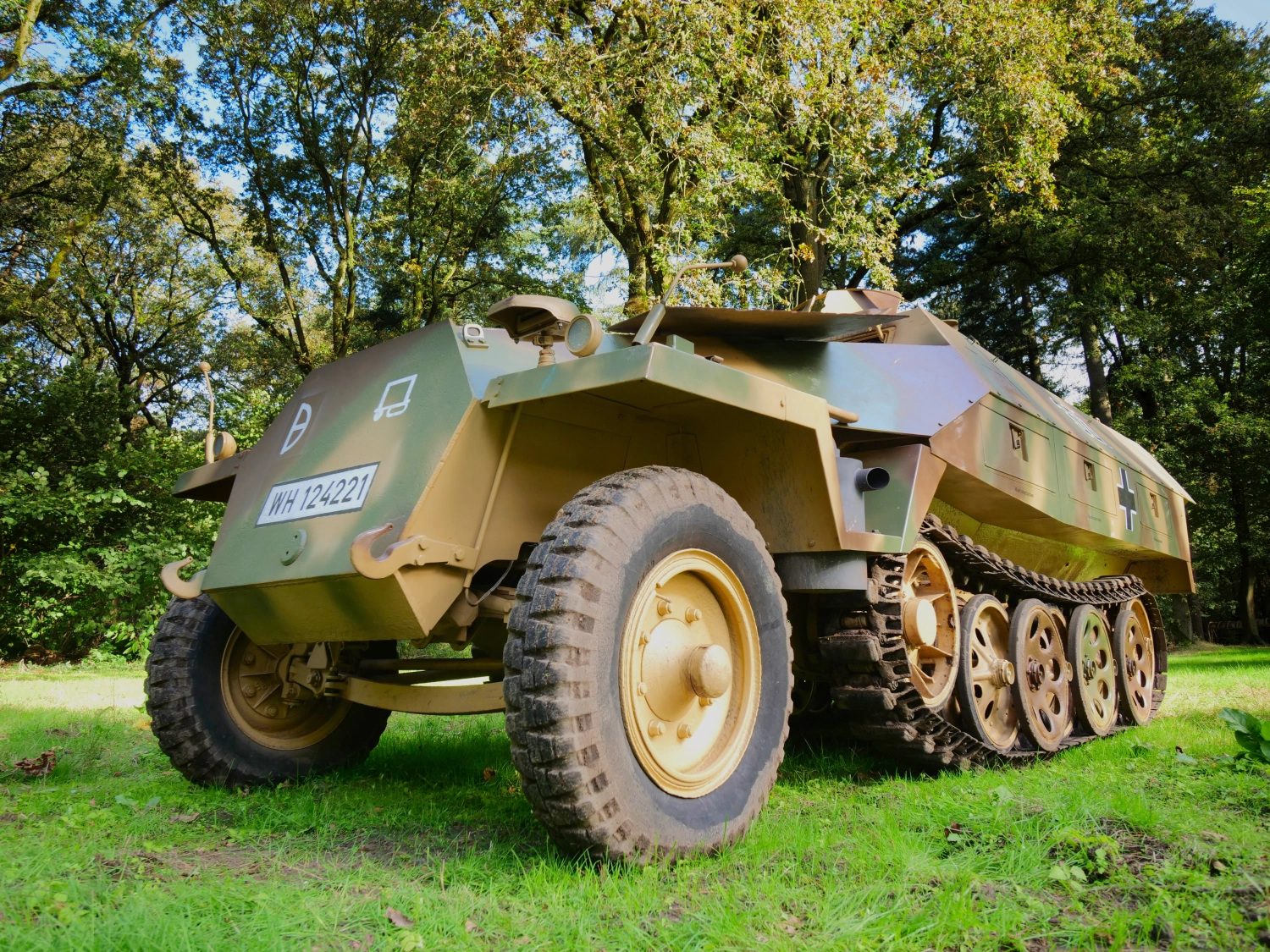


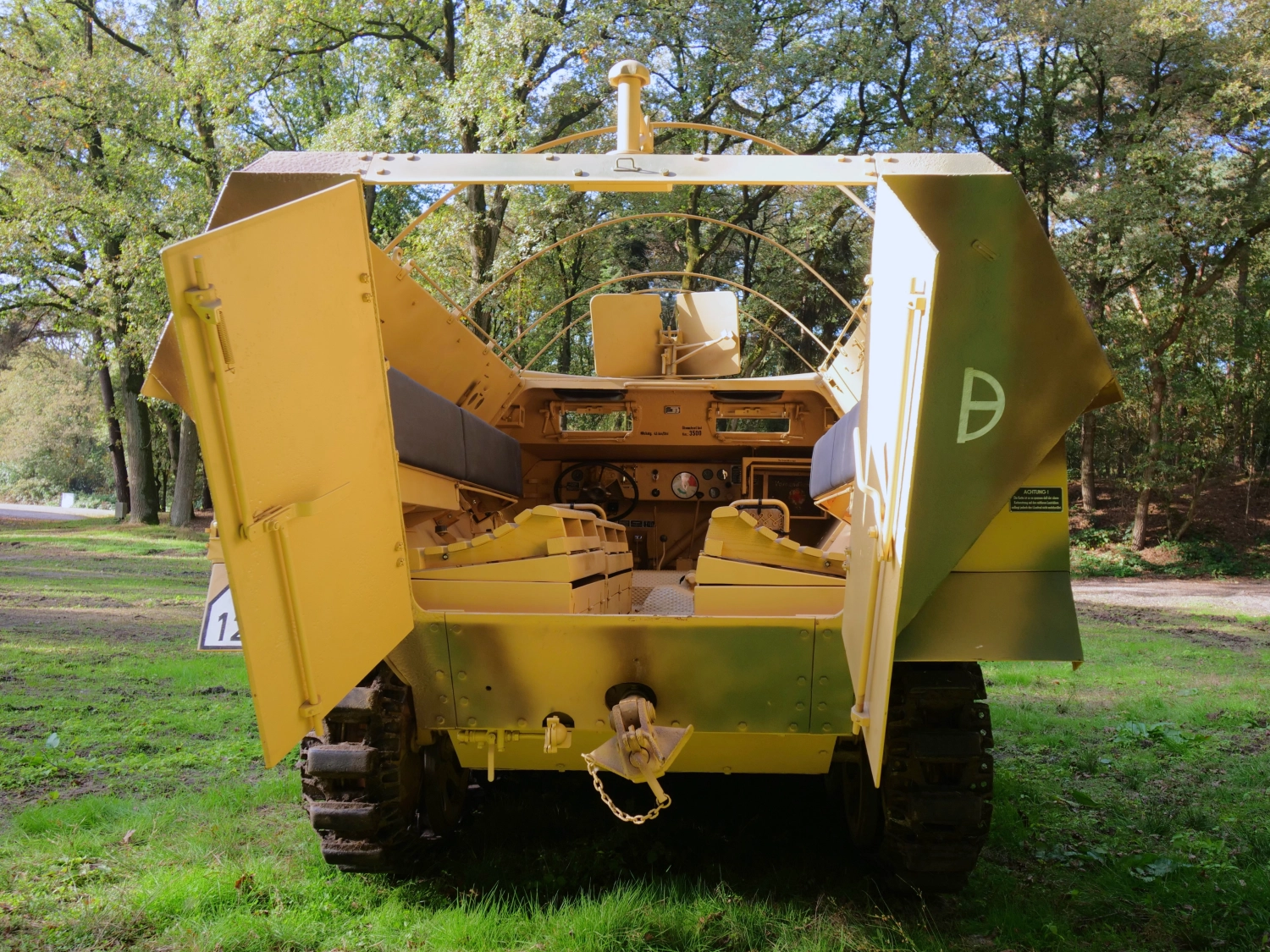


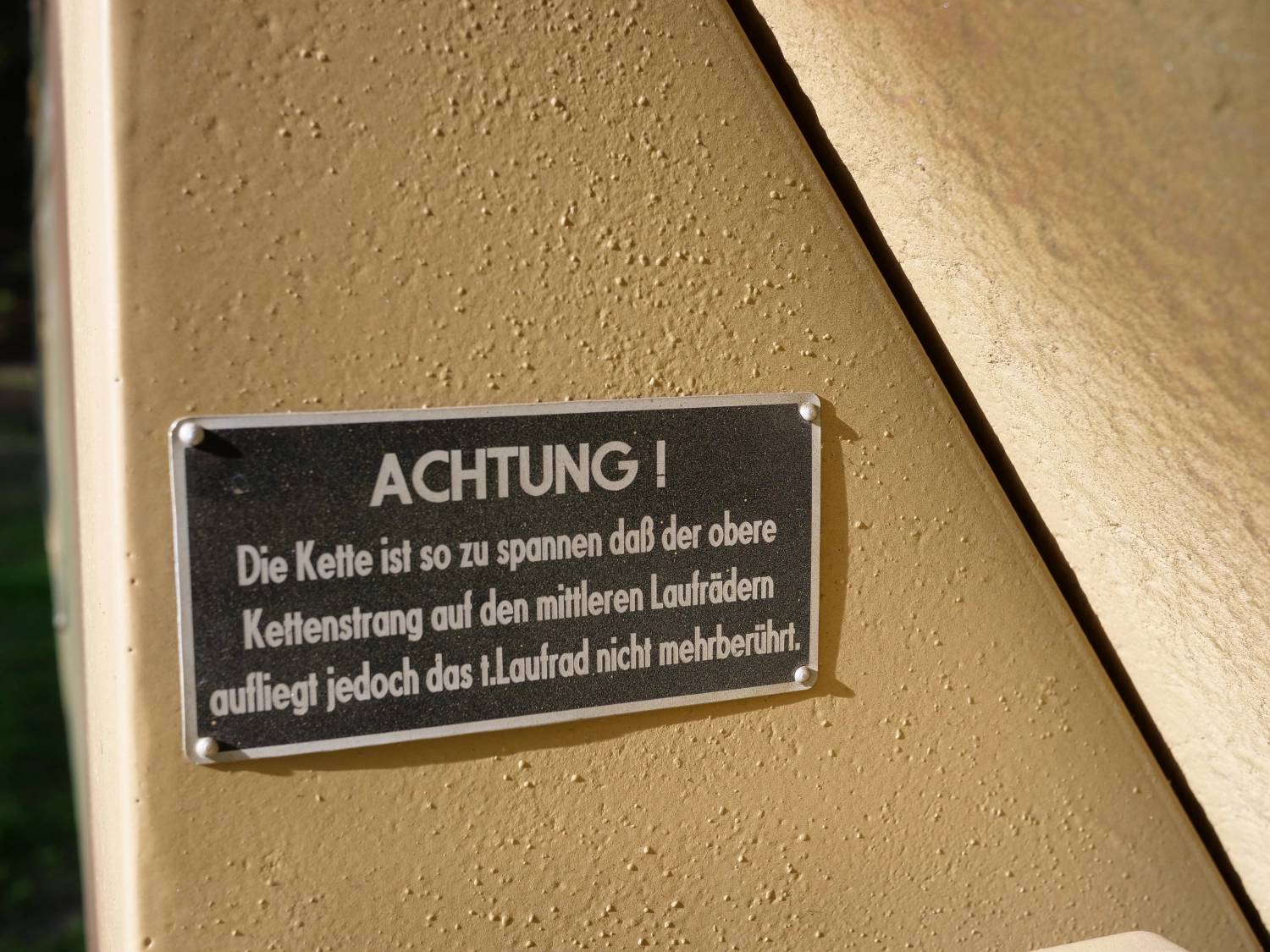
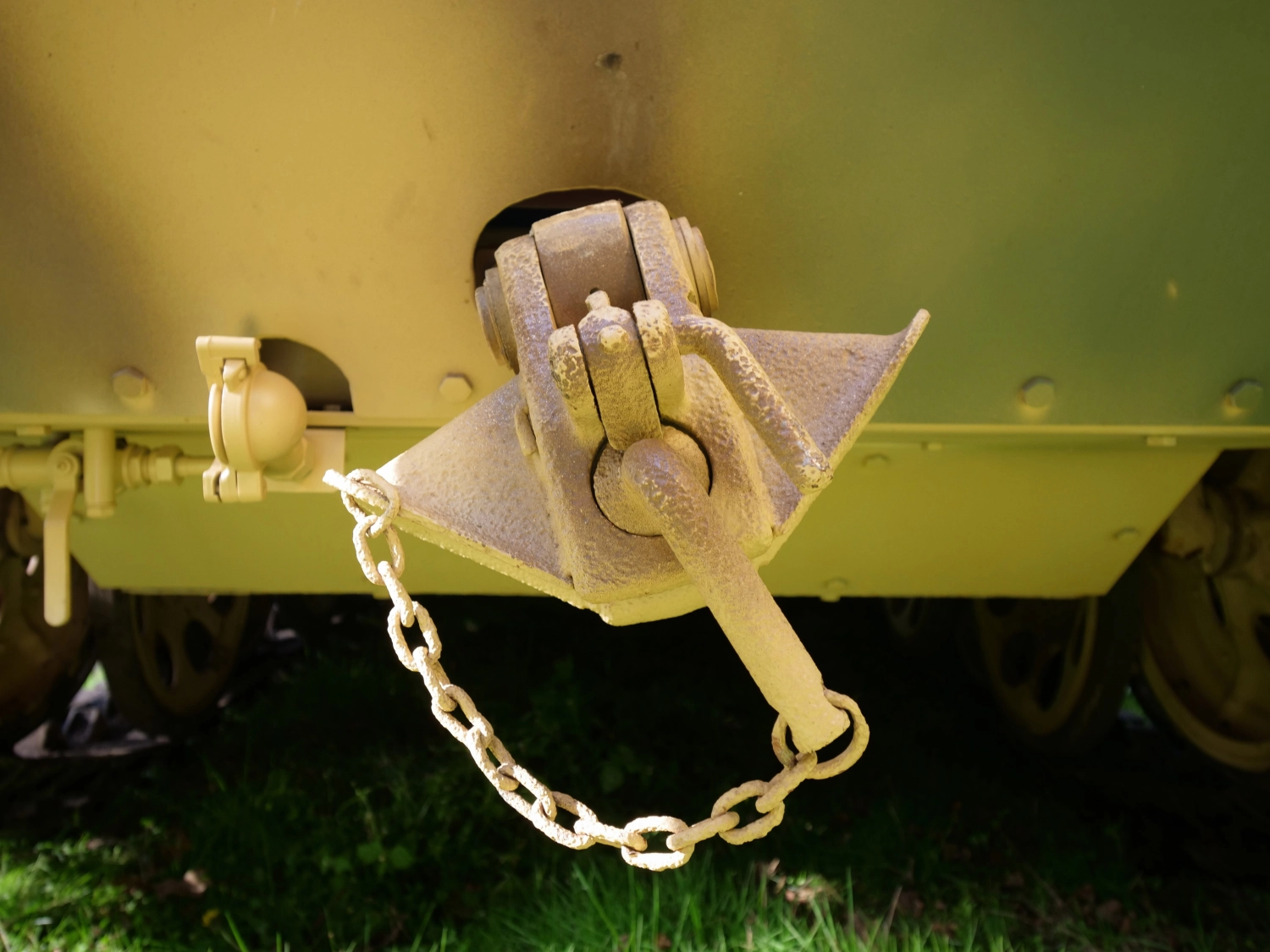


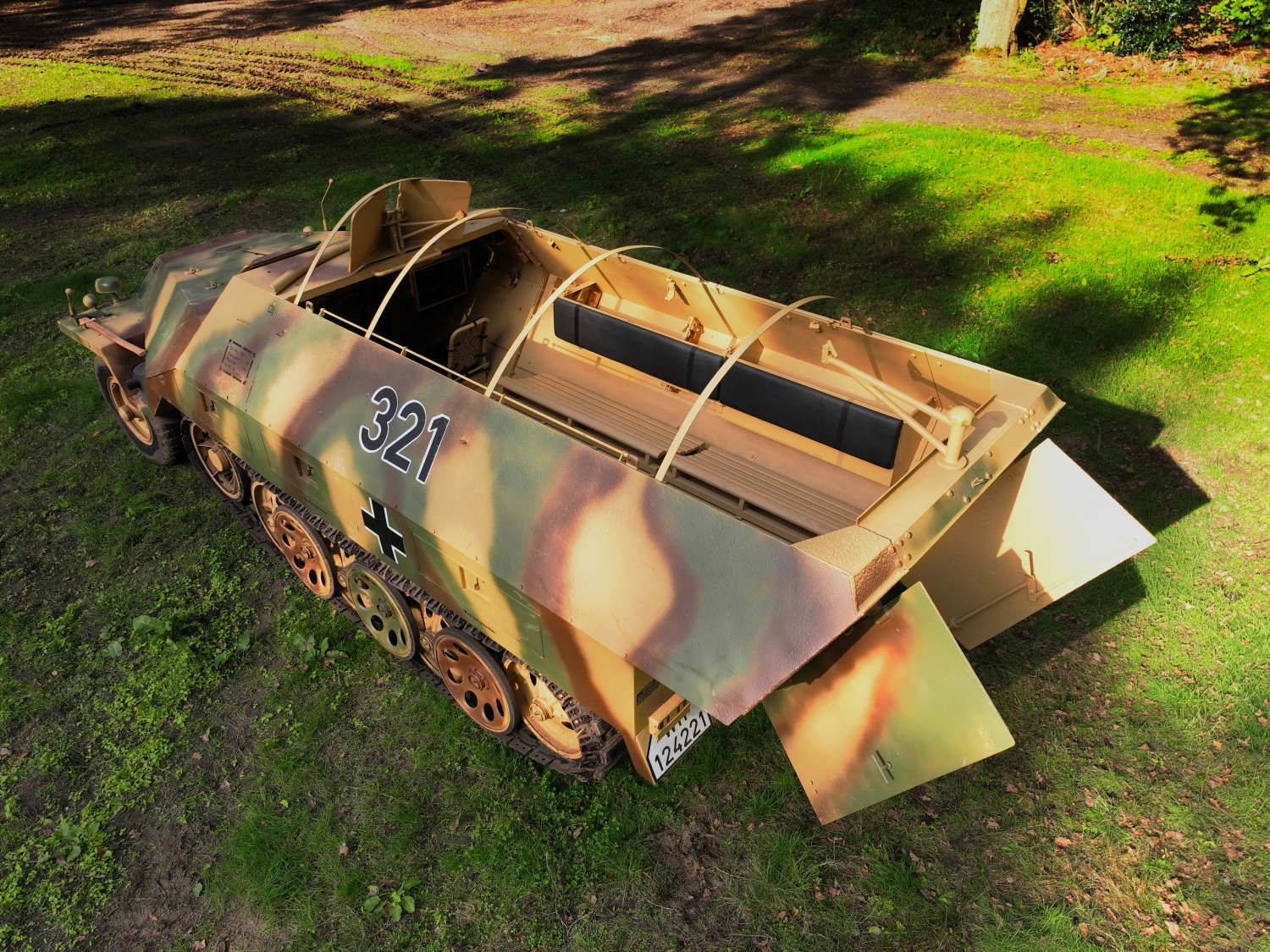


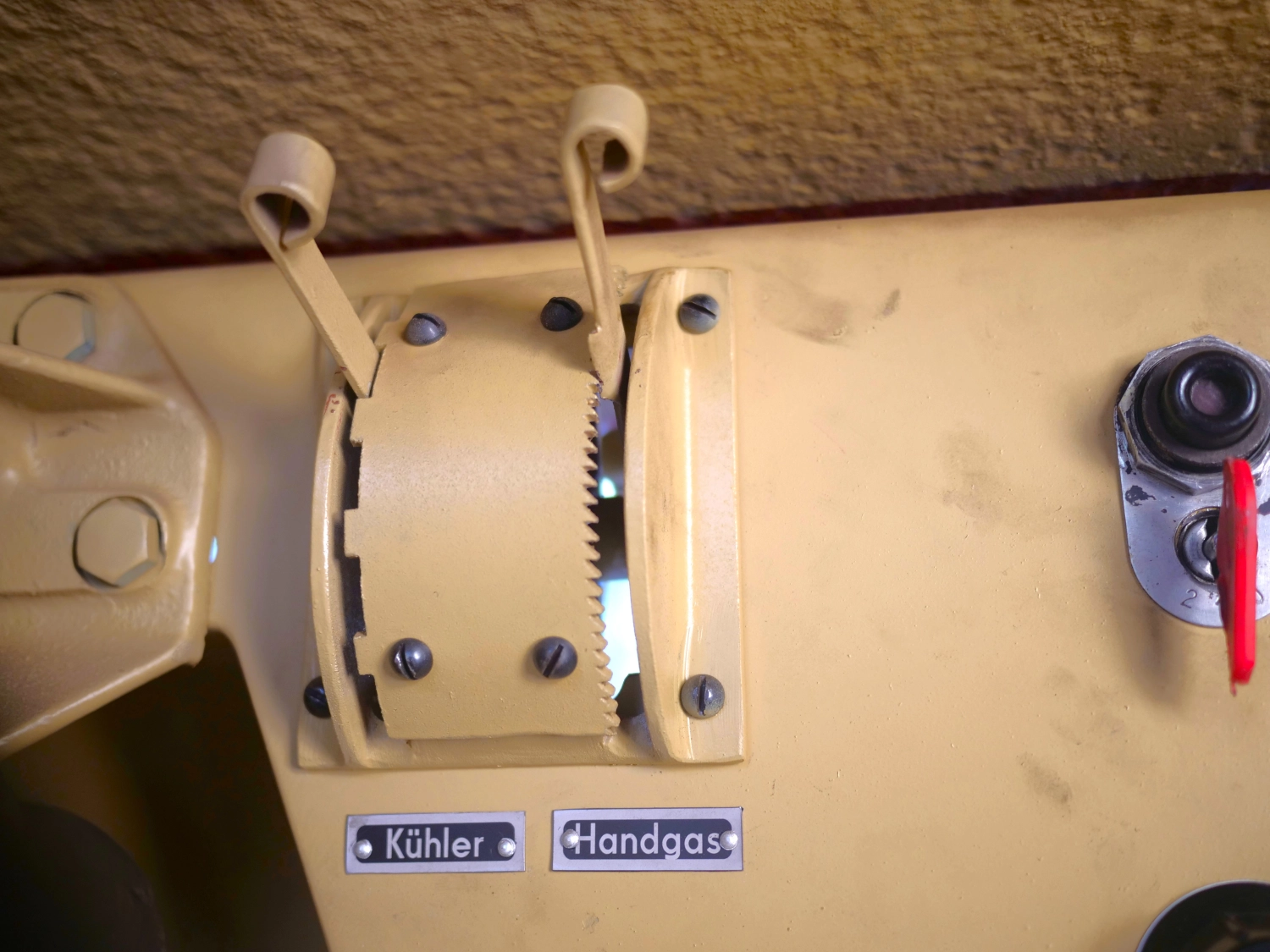


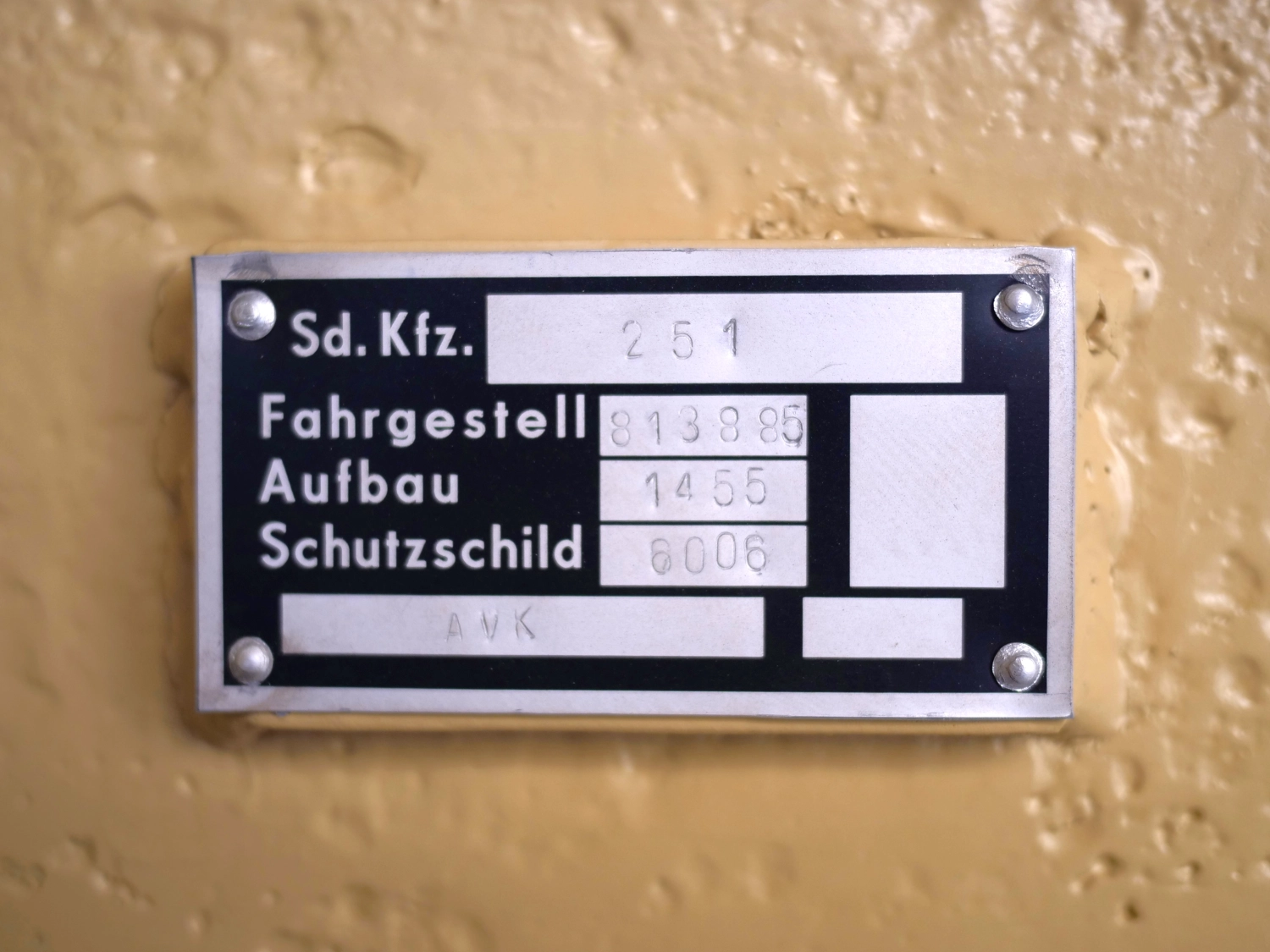


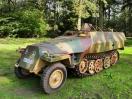
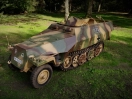
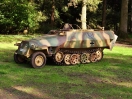
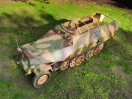
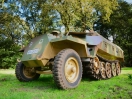
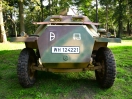
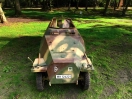
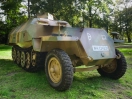
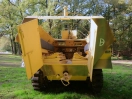
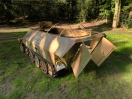
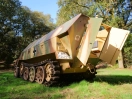
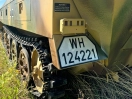
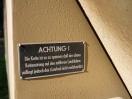
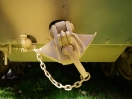
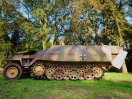
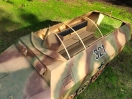
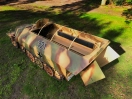
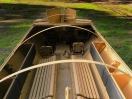
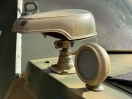
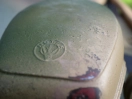

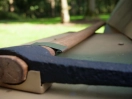
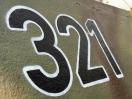

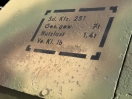
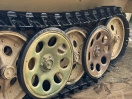
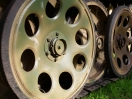
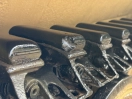
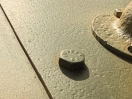
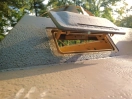
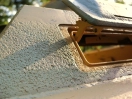
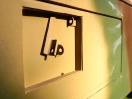
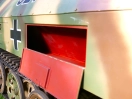
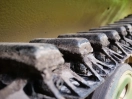
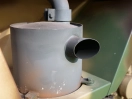
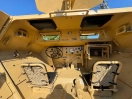
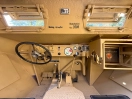
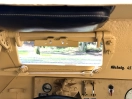
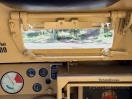
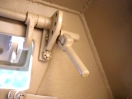
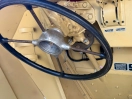
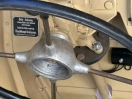

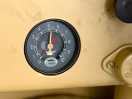
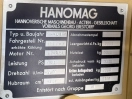
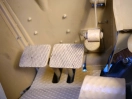
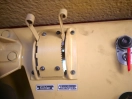
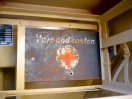
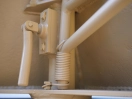
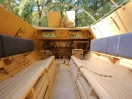
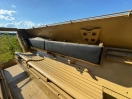
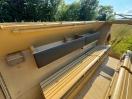
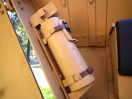
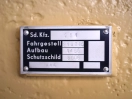
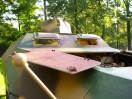
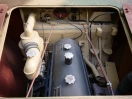
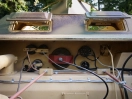
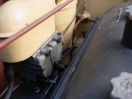
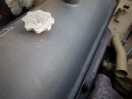
This exceptional Sd.Kfz. 251 is a rare find, with chassis number 813885, produced by Hanomag in 1943. Even more remarkable, it features a matching numbers engine from the same year, maintaining its authenticity throughout. Discovered in the Falaise area of Normandy, this vehicle is believed to have served in the 12th SS Panzer Division during World War II.
The vehicle has undergone a Class A restoration, bringing it back to a "like-new" condition. When properly maintained, this Sd.Kfz. should provide many years of reliable service.
This is a very rare opportunity to own a piece of German World War II history, meticulously restored to its original glory.
This exceptional Sd.Kfz. 251 is a rare find, with chassis number 813885, produced by Hanomag in 1943. Even more remarkable, it features a matching numbers engine from the same year, maintaining its authenticity throughout. Discovered in the Falaise area of Normandy, this vehicle is believed to have served in the 12th SS Panzer Division during World War II.
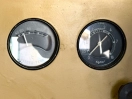
The restoration of this vehicle was a meticulous nut-and-bolt process, using primarily original materials and adhering strictly to wartime standards. Every detail, from the 14mm M8 nuts and bolts to the wartime bolt grades like 8G and 10K, has been faithfully preserved. The electrics and tachometers are built to the exact 1943 specifications, while the interior and exterior have been restored to reflect the vehicle’s wartime condition, including casted tracks with original NOS rubbers and Continental tires from that era. The armor is 80-90% original.
The vehicle has undergone a complete engine, gearbox, and differential rebuild, bringing it back to a "like-new" condition. When properly maintained, this Sd.Kfz. should provide many years of reliable service. This is a very rare opportunity to own a piece of German World War II history, meticulously restored to its original glory. The Sd.Kfz has no road registration.
Note: Our trusted partner, BAIV, is a recognized restoration company with extensive experience in obtaining Dutch vehicle registrations and import/export permits. They can assist with these processes as needed; certain conditions do apply. We recommend contacting Track & Trade before bidding to discuss available options and any potential costs involved.
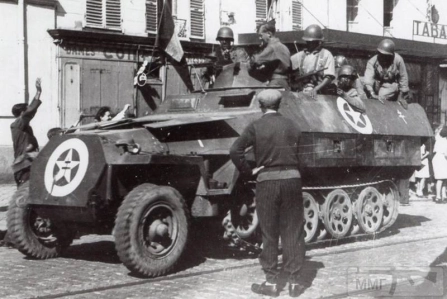
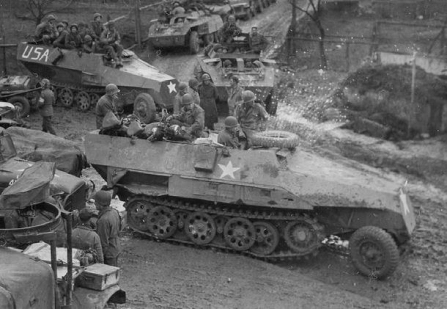
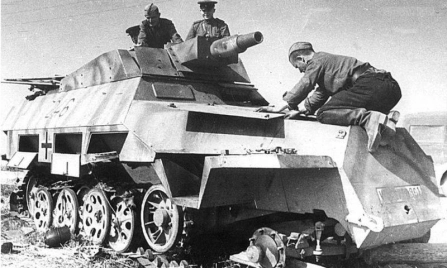
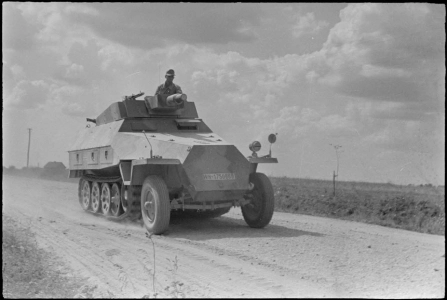
The Sd.Kfz. 251 (Sonderkraftfahrzeug 251) half-track was a World War II German armored personnel carrier designed by the Hanomag company, based on its earlier, unarmored Sd.Kfz. 11 vehicle. The Sd.Kfz. 251 was designed to transport the Panzergrenadier (German mechanized infantry) into battle. Sd.Kfz. 251s were the most widely produced German half-tracks of the war, with at least 15,252 vehicles and variants produced by seven manufacturers. The utility of this vehicle led the German Army to develop the similar looking but shorter and lighter Sd.Kfz. 250 as a supplement.
Design
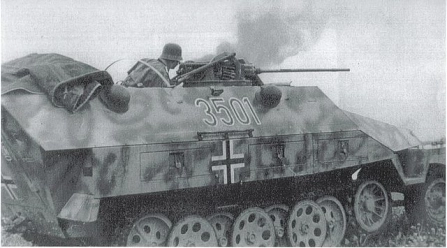
There were four main model modifications (Ausführung A through D), which formed the basis for at least 22 variants. The initial idea was for a vehicle that could be used to transport a single squad of 10 panzergrenadiers to the battlefield protected from enemy small arms fire, and with some protection from artillery fire. In addition, the standard mounting of at least one MG 34 or MG 42 machine gun allowed the vehicle to provide suppressive fire for the rifle squad both while they dismounted and in combat.
Armor
The armor plates were designed to provide protection against standard rifle/ machine gun bullets (like the 7.92×57mm Mauser bullet). The front-facing plates were 14.5mm thick; the sides were steeply angled, V-shape 8mm thick plates. This level of armor provided protection against normal (non-tungsten) rifle AP round, which could pierce about 8mm of vertical armor.
Open top
Positive aspects of the open top included greater situational awareness and faster egress by the infantry, as well as the ability to throw grenades and fire over the top of the fighting compartment as necessary while remaining under good horizontal cover. The downside, as with all armored personnel carriers of the era, was a major vulnerability to all types of plunging fire; this included indirect fire from mortars and field artillery, as well as small arms fire from higher elevated positions, lobbed hand grenades, Molotov cocktails, and strafing by enemy aircraft.
Models
The first two models (Ausf. A and B) were produced in small numbers from 1939. Ausf. A and B models can be identified by the structure of the nose armor, which comprised two trapezoidal armor panels - the lower of which had an engine cooling vent. The B model, which began production in 1940, eliminated the fighting compartment's side vision slits. The C model, which started production in mid-1942, featured a simplified hexagonal-shaped forward armored plate for the engine. Models A through C had rear doors that bulged out. The C model had a large production run, but was quite complex to build, involving many angled plates. From early 1943, the D model was developed with the purpose of halving the number of angled body plates, simplifying the design and thus speeding up the production. D models can be easily recognized by their single piece sloping rear, with flat doors.
Weapons
The standard personnel carrier version was equipped with a 7.92 mm MG 34 or MG 42 machine gun mounted at the front of the open compartment, above and behind the driver. A second machine gun could be mounted at the rear on an anti-aircraft mount. Variants were produced for specialized purposes, including with anti-aircraft guns, light howitzers, anti-tank guns and mortars or even large unguided artillery rockets, as well as a version with an infrared search light used to spot potential targets for associated Panther tanks equipped with infrared detectors.
Half-Track
A strong design feature of the Sd.Kfz. 251 was the large track area, with the characteristic "slack track" design with no return rollers for the upper run of track. The Sd.Kfz. 251 also had the Schachtellaufwerk system of overlapping and interleaved main road wheels common to virtually all German halftracks of the period. This lowered the ground pressure and provided better traction, at the cost of much greater complexity in maintenance. The Sd.Kfz. 251 also had tank steering, whereby the normal steering wheel moved the front wheels, but after more turning of the steering wheel, the tracks are braked to cause turning, like on a tank.

Ivo Rigter Sr.
Founder & Co Owner of BAIV and Tracksandtrade
+31 6 518 22 502 ivosr.rigter@tracksandtrade.com