Ivo Rigter Sr.
Founder & Co Owner of BAIV and Tracksandtrade
+31 6 518 22 502 ivosr.rigter@tracksandtrade.com


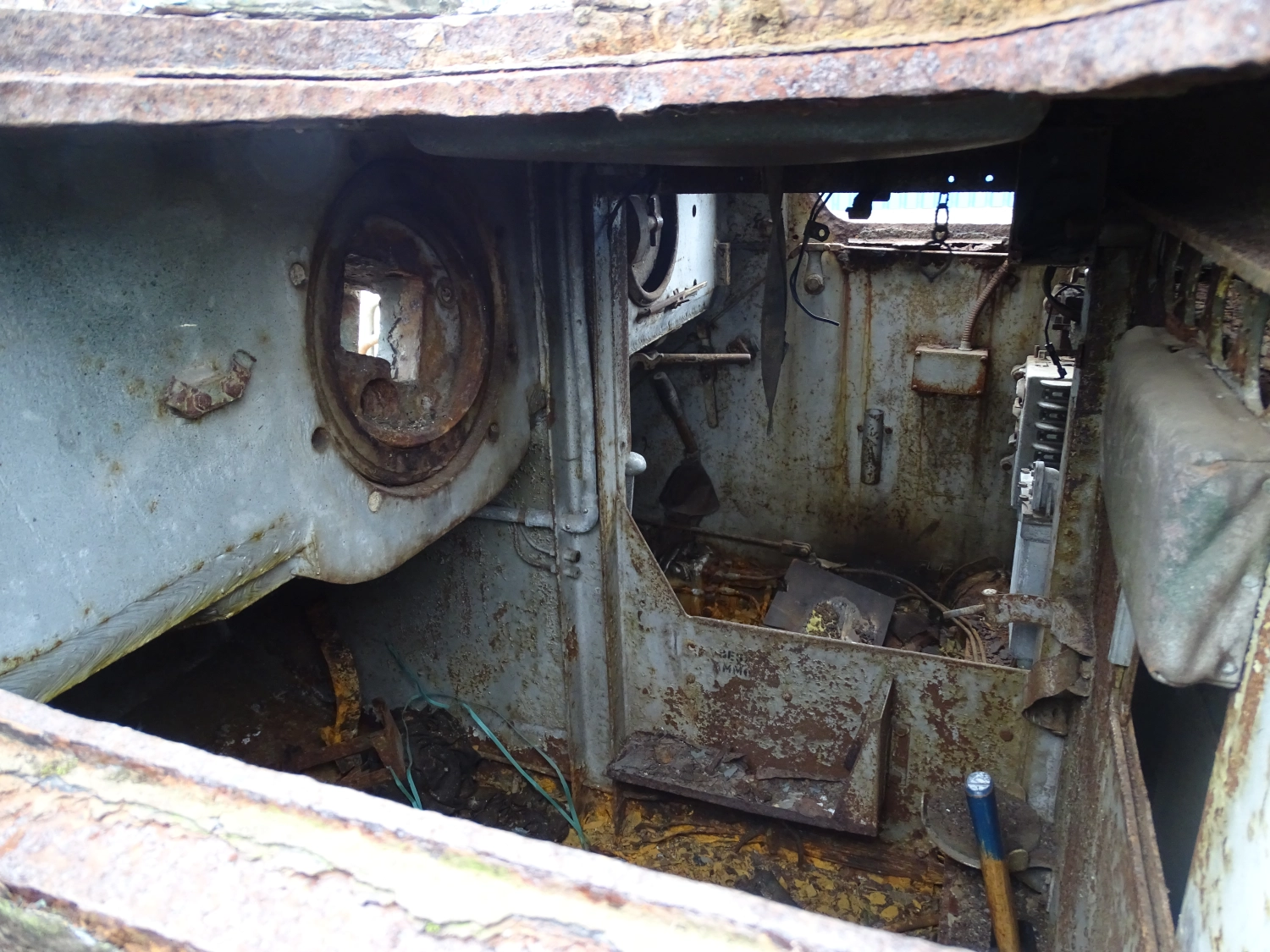


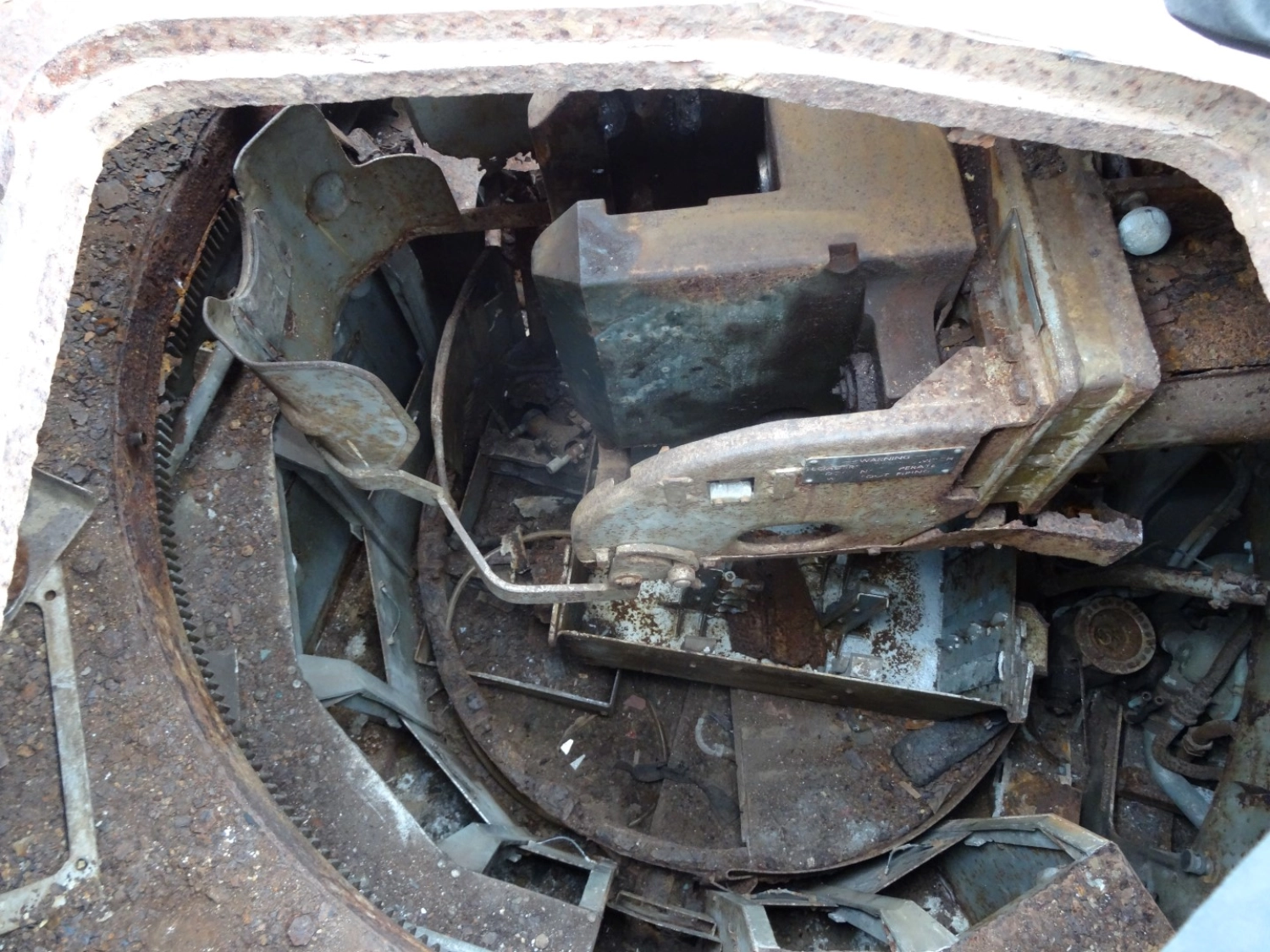


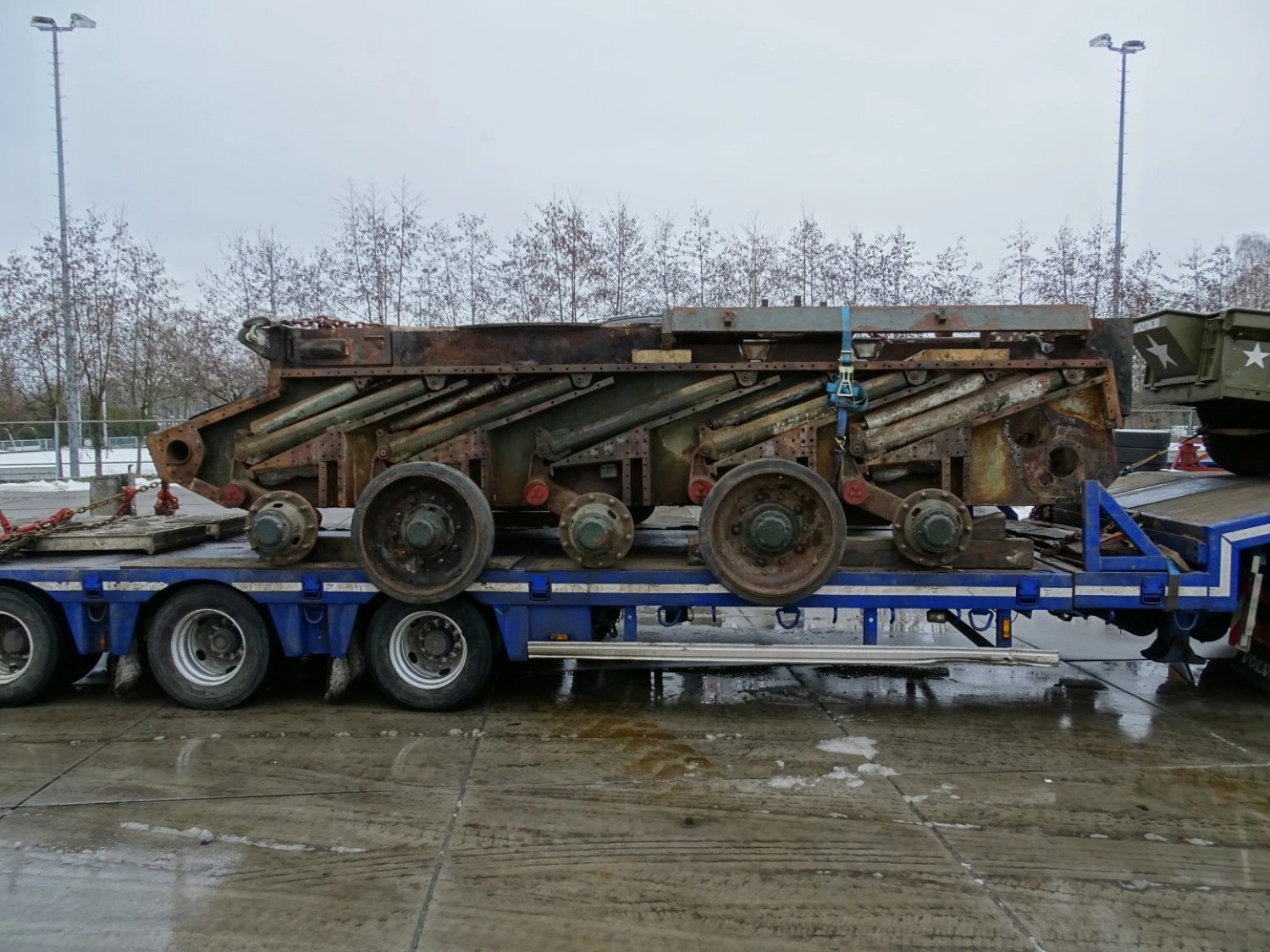


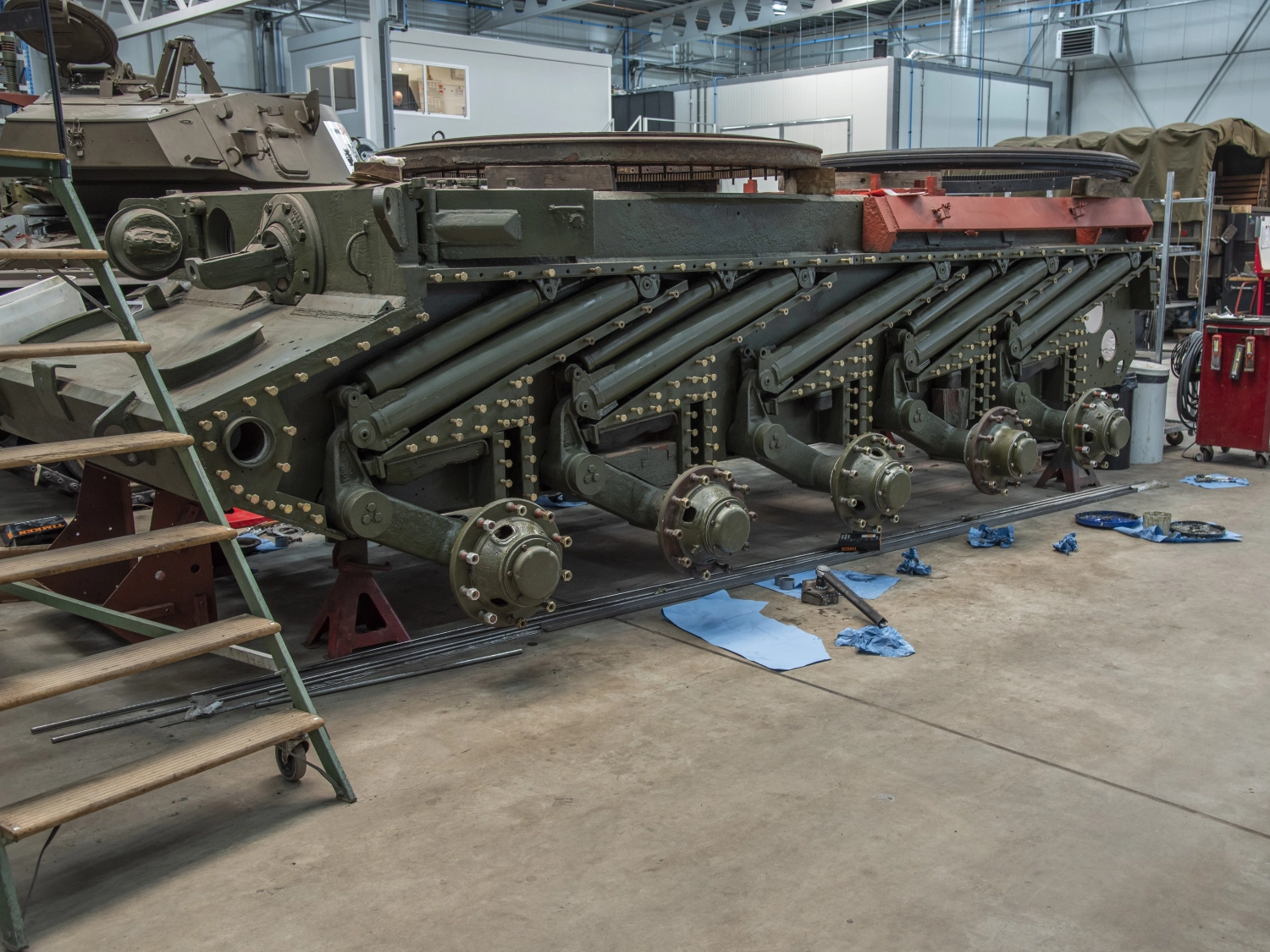


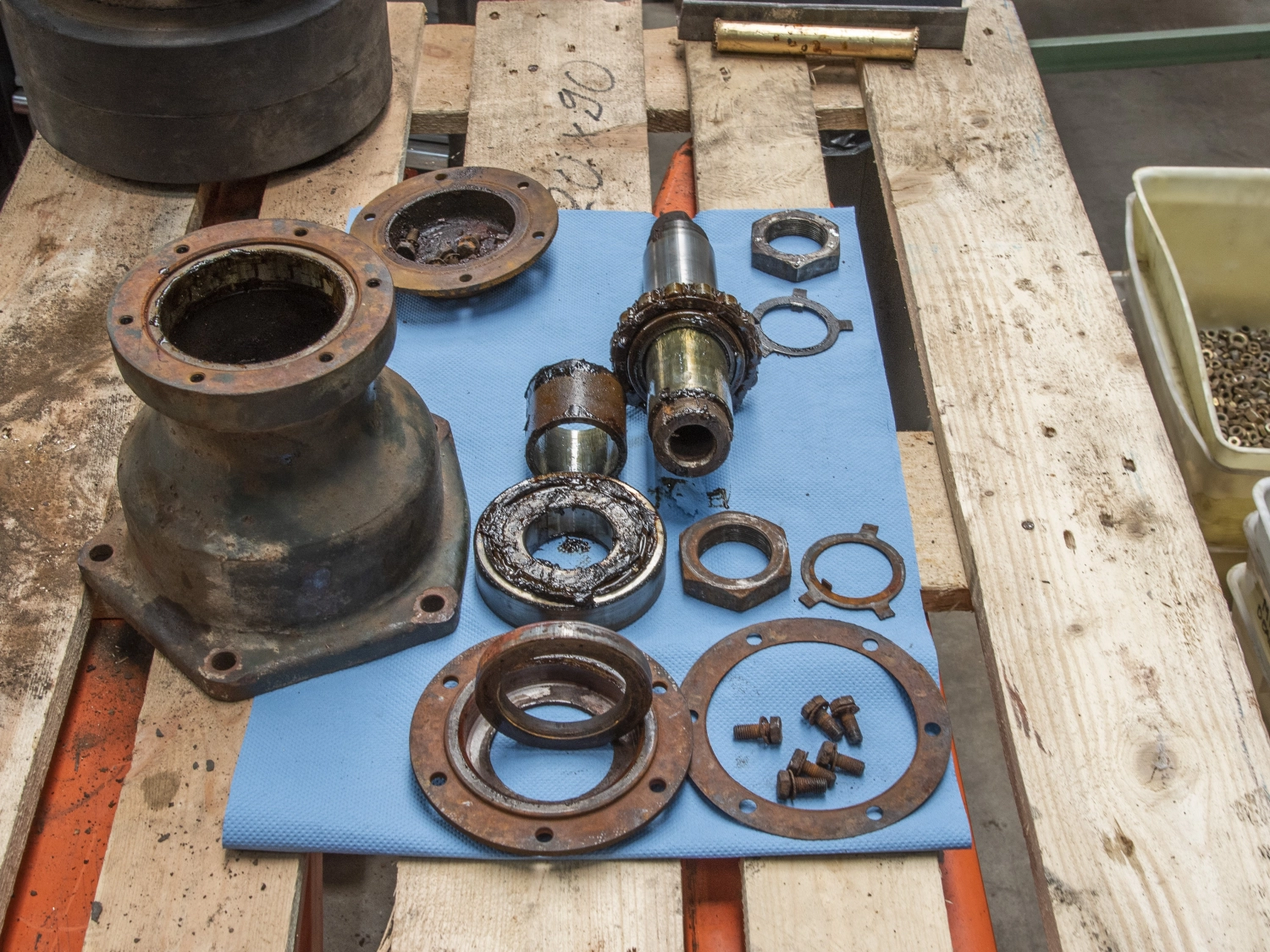


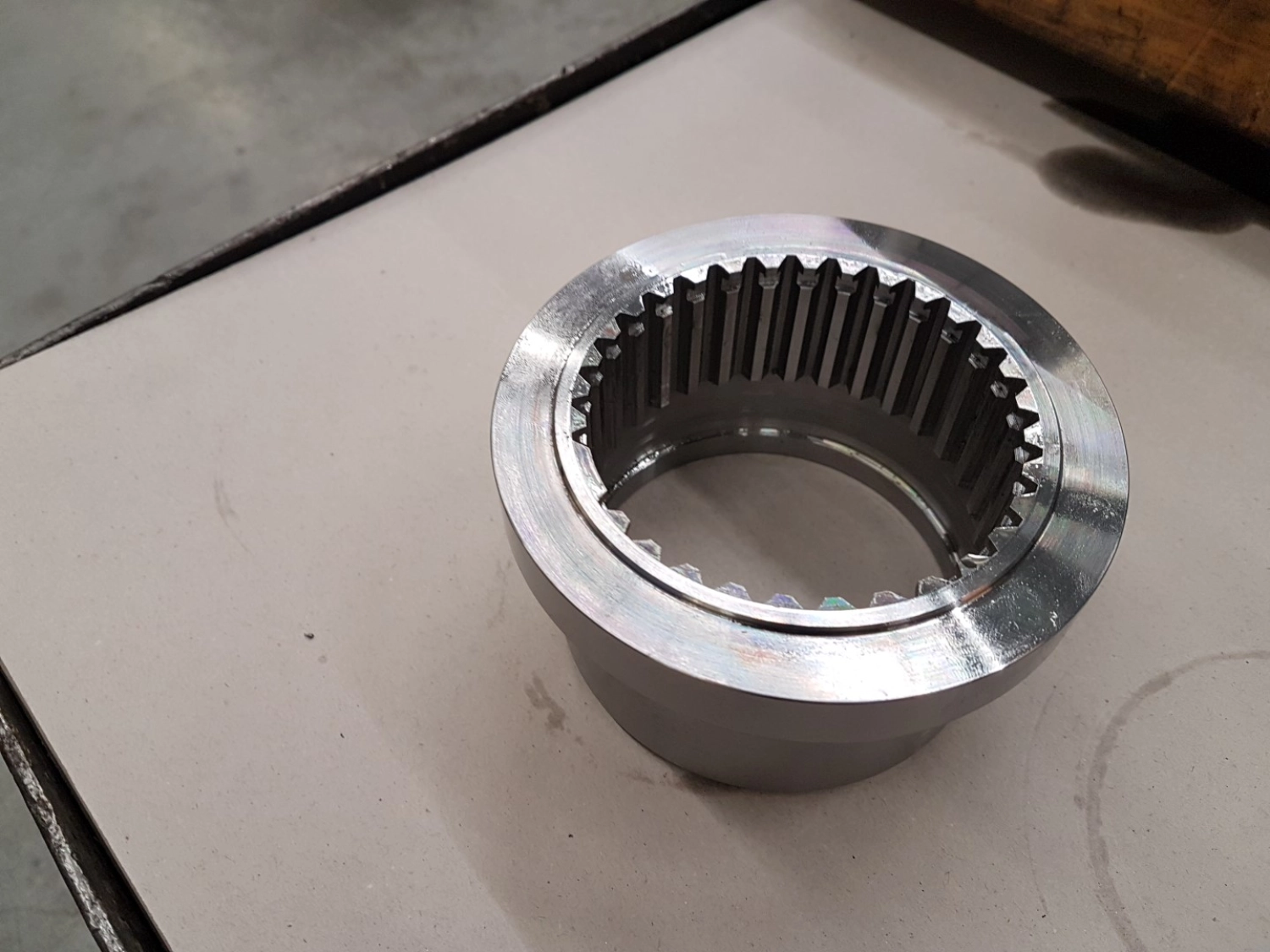




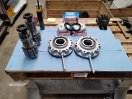


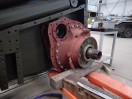


This Comet rolled out of Leyland Motors in November 1944 and entered service the following month. After its active years, it stood guard as a British Army barracks before being preserved for the future.
In 2018, restoration work began at BAIV’ s workshop in the Netherlands. The project was paused by the owner in 2021, and since then, the Comet has been kept in dry storage at BAIV’ s facility.
Unfortunately, the current owner can no longer continue the restoration and has decided to let the project go, creating a great opportunity for the next custodian to bring this fine project to completion.
Browse through over 130 restoration photos and witness the fascinating journey that’s bringing this vehicle back to its proud days of World War II battle glory.
This Comet offers a unique opportunity: Beautiful, already well underway, and remarkably complete. The attached photos provide a first and comprehensive impression. The only major items missing are the engine (which can still be sourced without much difficulty and BAIV has still many parts in stock) and about half a track length (which can now be reproduced quite well). Apart from that, the vehicle is essentially complete including its powerful gun.
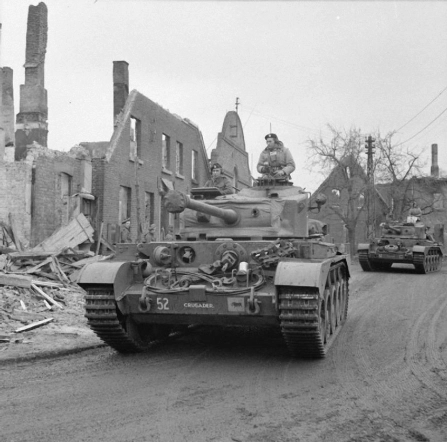
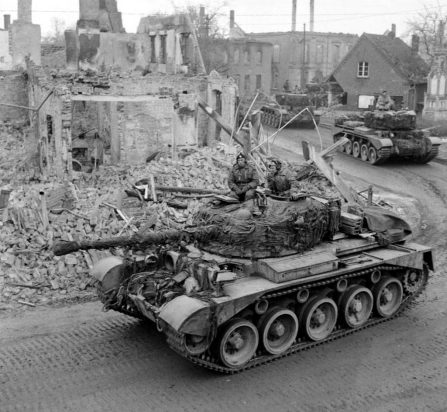
The Comet is truly an iconic British tank. Arguably the finest British design of the Second World War.
This particular example is from an early production run, identifiable by several distinctive features on the turret and hull, which makes it especially noteworthy.
Its hull number, BC 62711-2, confirms it as an A34 Comet Mk I Model A, built by Leyland Motors in November 1944 and accepted in December 1944. Early Comets are exceedingly rare, and only a handful survive worldwide.
If this opportunity speaks to you, we would be delighted to arrange a visit so you can get a full and clear impression of the project. Restoration can be continued independently or entrusted to BAIV, who can tailor the process to your exact requirements, ensuring historical authenticity and the highest craftsmanship as the pictures will already show you. Whether your vision is a museum-grade Class A restoration or a fully functional vehicle for living history events, this Comet provides an exceptional foundation.
The British Comet was essentially an upgraded Cromwell tank. In 1943, it was realized that a new British tank was needed that had a high-velocity gun that could take on and knock out the new Panther and Tiger tanks, but was also fast and had a low profile. The Churchill tank had good armor but was slow and had a weak gun. The Sherman tank was tall. The Cromwell tank was fast and low but its turret could not take a larger gun.
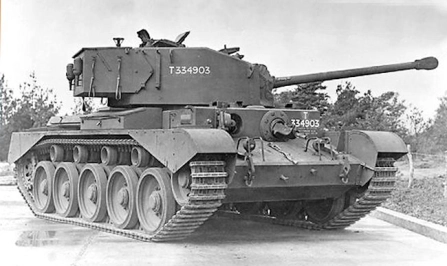
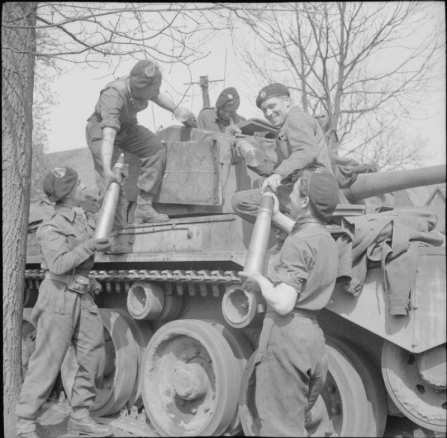
The A43 Centurion tank was under development but it would not be ready until 1945. The British Army needed a stop-gap tank that could quickly be introduced into production. The answer was to fit a new up-armored turret with a high-velocity 77 mm (3.03 in) gun onto late version modified Cromwell chassis. It was called the A.34 Cruiser Tank Comet Mark I Type A.
Design work started in May 1943. The Birmingham Railway Carriage and Wagon Company was the design parent of the British Cromwell Tank and the A.34 Cruiser Tank Comet. Other companies were involved in the construction of this AFV, the biggest being English Electric, Fowlers, Leyland and Metropolitan-Cammell.
The British tank designers had used the Christie suspension system on most of their cruiser tanks used in action during World War Two. The Comet tank was the last to use this system. It gave a fast and smooth ride compared to other tank suspension systems.
Production was dispersed around Britain because of the threat of German bombing. Orders for 3,000 Comet tanks were issued and they were to use chassis numbers in the range T334901 to T337900. The end of the war resulted in the early cancellation of part of this order. Only 1,186 were produced. Only 26 were recorded as lost in action during WW2. Not all Comet tanks used the same components. They were built at different factories around Britain with separate supply chains. Some underwent battlefield modifications.
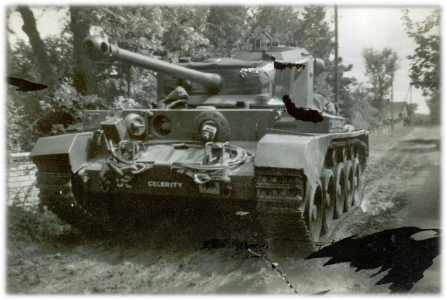
The British A.34 Cruiser Tank Comet Mk.I Type A was used in North West Europe during 1945. After the war, Comet tanks were deployed to the Canal Zone in Egypt and amongst those which were keeping the peace in Palestine. By 1949 Comets were starting to be replaced by Centurion tanks. Comets remained in regular British Army Service in Berlin until 1957 and British Hong Kong until 1959.


Ivo Rigter Sr.
Founder & Co Owner of BAIV and Tracksandtrade
+31 6 518 22 502 ivosr.rigter@tracksandtrade.com