Ivo Rigter Sr.
Founder & Co Owner of BAIV and Tracksandtrade
+31 6 518 22 502 ivosr.rigter@tracksandtrade.com


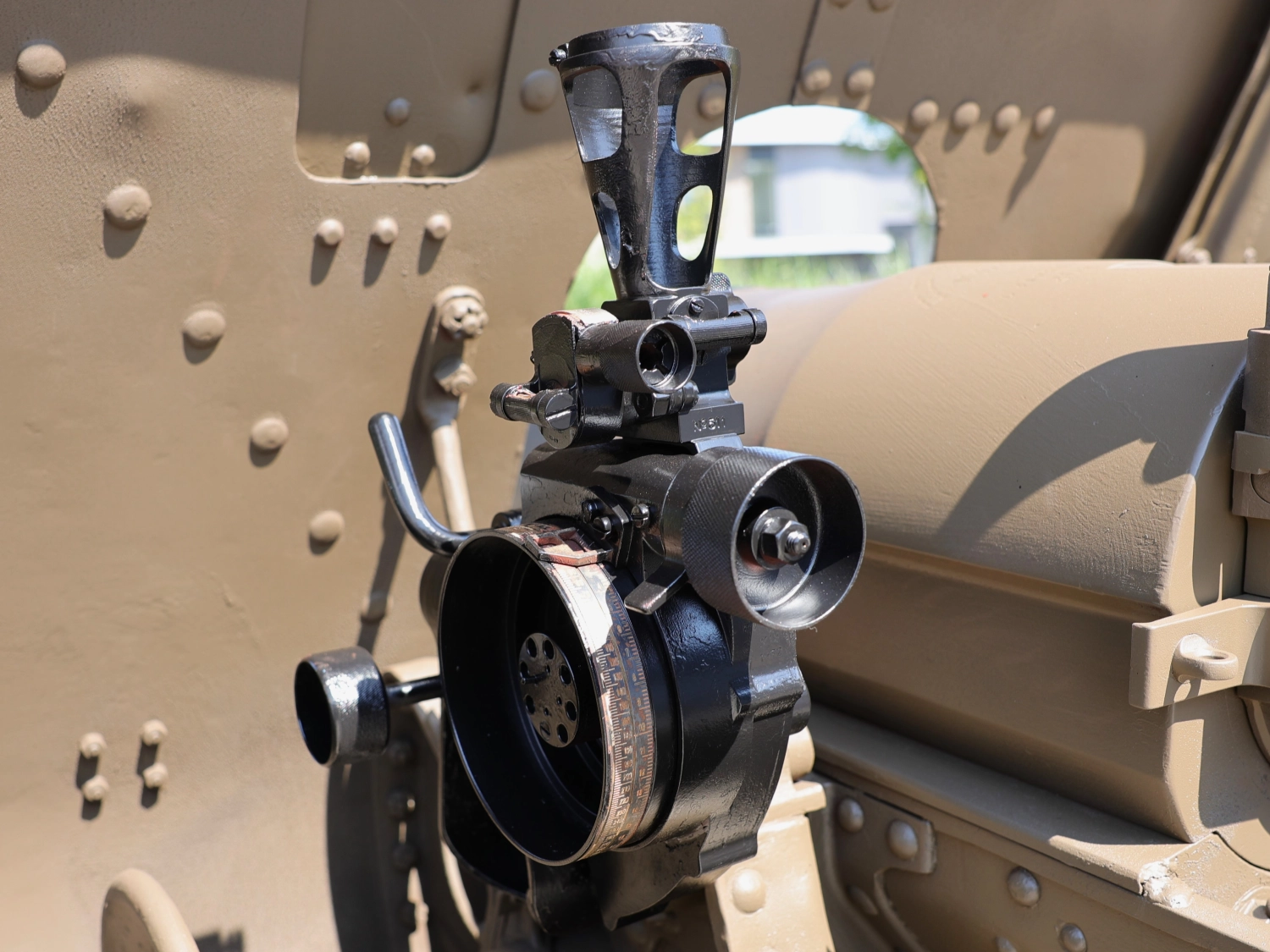





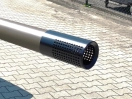

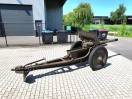
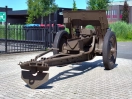

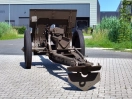

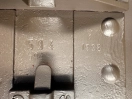
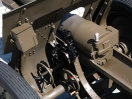
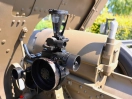
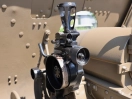
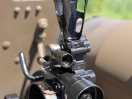


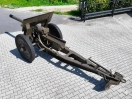
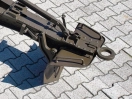
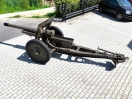

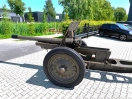

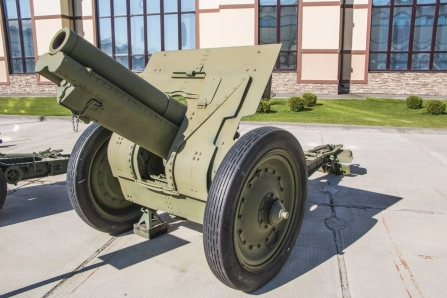
This well-preserved Finnish field gun retains its original character and historic charm. Originally built in 1927 during the Soviet era, it was later redesigned by the Finnish Army in 1943. The piece has received light cosmetic attention, highlighting its authentic details. In its current condition, it is well-suited for static display or to be towed behind a period vehicle.
This Finnish howitzer remains in its original condition and has received some light cosmetic attention (fresh paint job) to enhance its appearance, though it has not undergone a full restoration. In its current state, it is ideal for display purposes or for towing behind a vehicle. The gun is currently live but can be deactivated upon request. A small amount of work is required to ensure that all mechanical functions operate smoothly again.
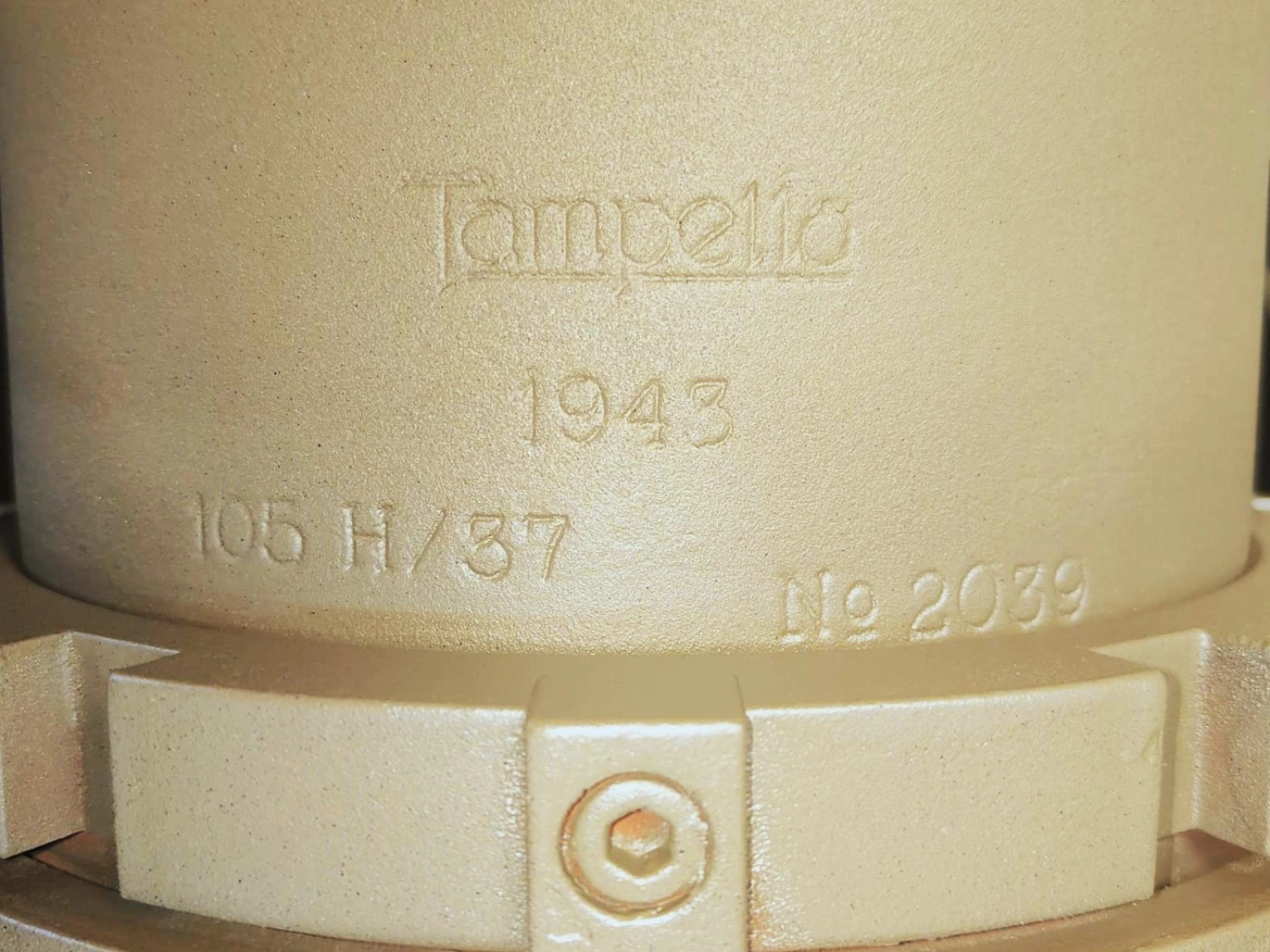
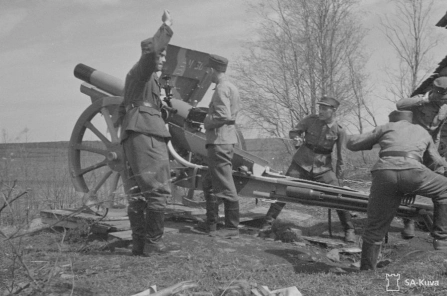
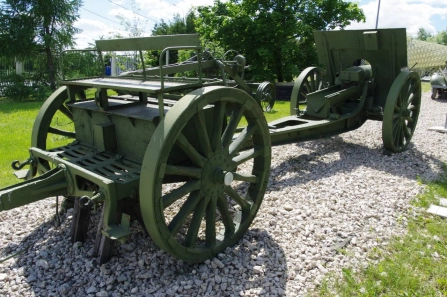
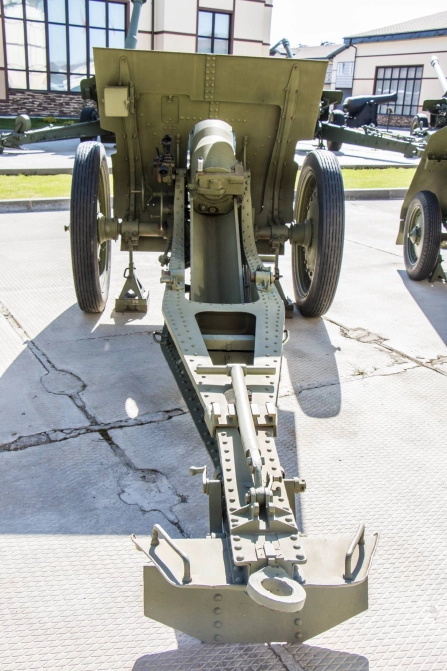
The field gun type 105 H 37-10 is a Finnish hybrid modification based on the Soviet 122mm howitzer model 1910-1930 (122 H/10-30). Modification involved that the inner barrel from 105mm howitzer model 1937 (105 H/37) was installed in the sleeve of the original Soviet barrel modified to use Finnish standard 105-mm howitzer ammunition.
Thus, the complete barrel has two identification numbers: the Soviet one in the sleeve and the number of the inner barrel. The inner barrels were made by a Finnish company Tampella under licence from Swedish company Bofors in years 1943-1945. Originally the howitzer was built by the Perm Plant in the Sovjet Union.
The Finnish Army captured about 30 guns of the type in the Winter War and a further 145 in the Continuation War. An additional 72 were purchased from Germany in 1944. In Finnish service the gun was designated 122 H/10-30. According to Finnish sources, these guns fired 369,744 shells in combat against the Soviet Union; 20 pieces were lost. The howitzer remained in service for some time after the war. The Finns also modernized in a similar way most of the 40 M1910s they possessed since the Civil War, resulting in a gun designated 122 H/10-40. The guns were used in the Continuation War.
The howitzer had split trail with hinged spades, gun shield and originally wooden wheels with steel hoops. Later during the war the old wooden wheels were replaced with new disk wheels covered with sponge rubber. Wheels also had built-in brake system. Recoil system below barrel was the typical pneumatic/hydraulic kind. Breech system with semiautomatic vertical sliding breech block (after firing a shot the system removed used cartridge case and set itself ready for loading the next shot) used in the howitzer allowed quite a high rate of fire - 10 shots/minute. Muzzle of the barrel had been equipped with perforated muzzle brake and the sight system was typical dial sight. Howitzer barrel was autofregated structure (in other words: it did not have sleeves). The howitzer was suitable both to be horse-towed and for motorised towing. Ammunition was cartridge-seated type with 6 propellant charge sizes. The limber used with the howitzer contained four shots.
More information on the M122 in Russian use:
https://en.topwar.ru/142666-artilleriya-krupnyy-kalibr-122-mm-gaubica-obrazca-1910-30-gg-ustarevshiy-geroy-voyny.html

Ivo Rigter Sr.
Founder & Co Owner of BAIV and Tracksandtrade
+31 6 518 22 502 ivosr.rigter@tracksandtrade.com