Ivo Rigter Sr.
Founder & Co Owner of BAIV and Tracksandtrade
+31 6 518 22 502 ivosr.rigter@tracksandtrade.com


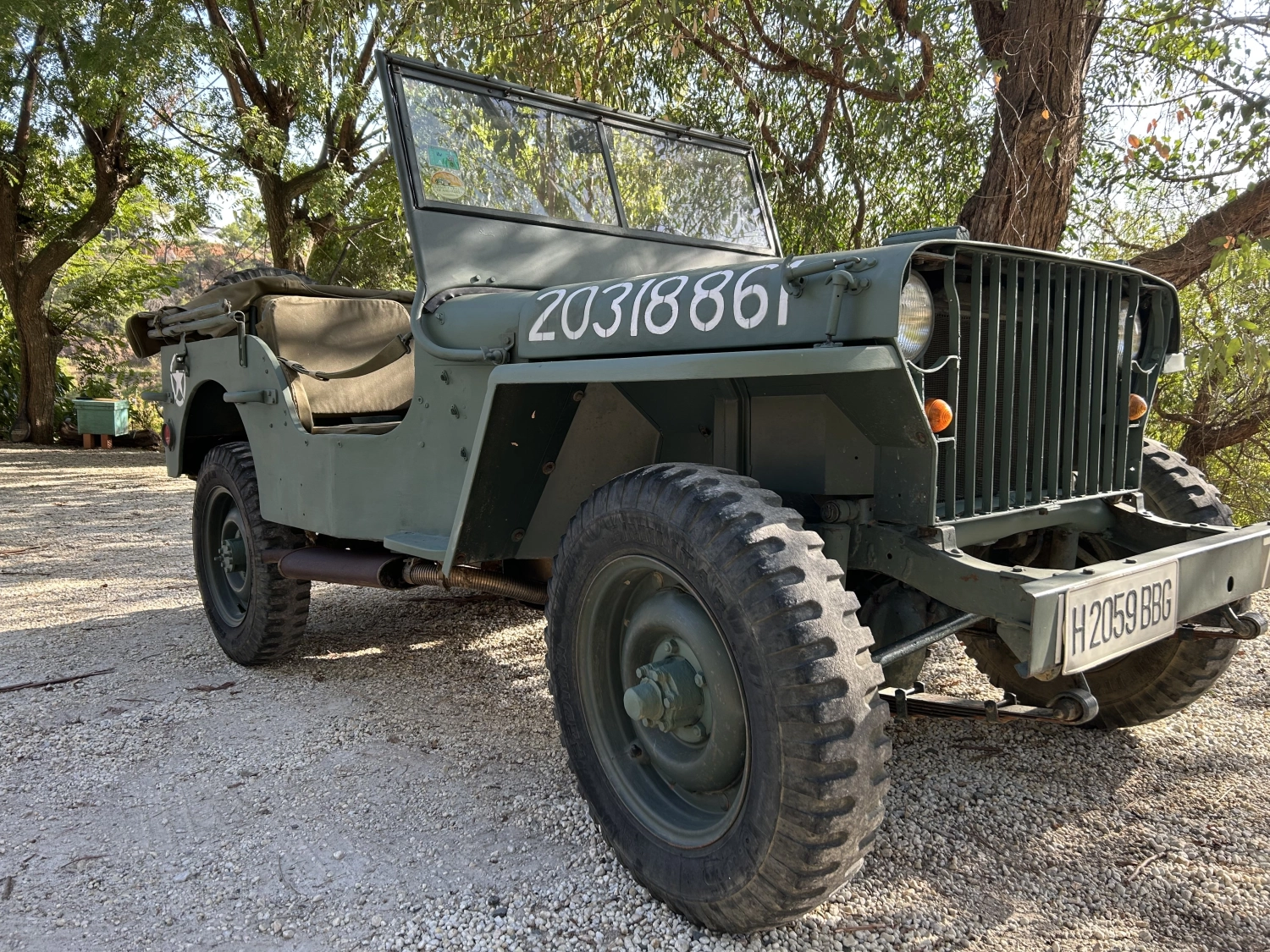


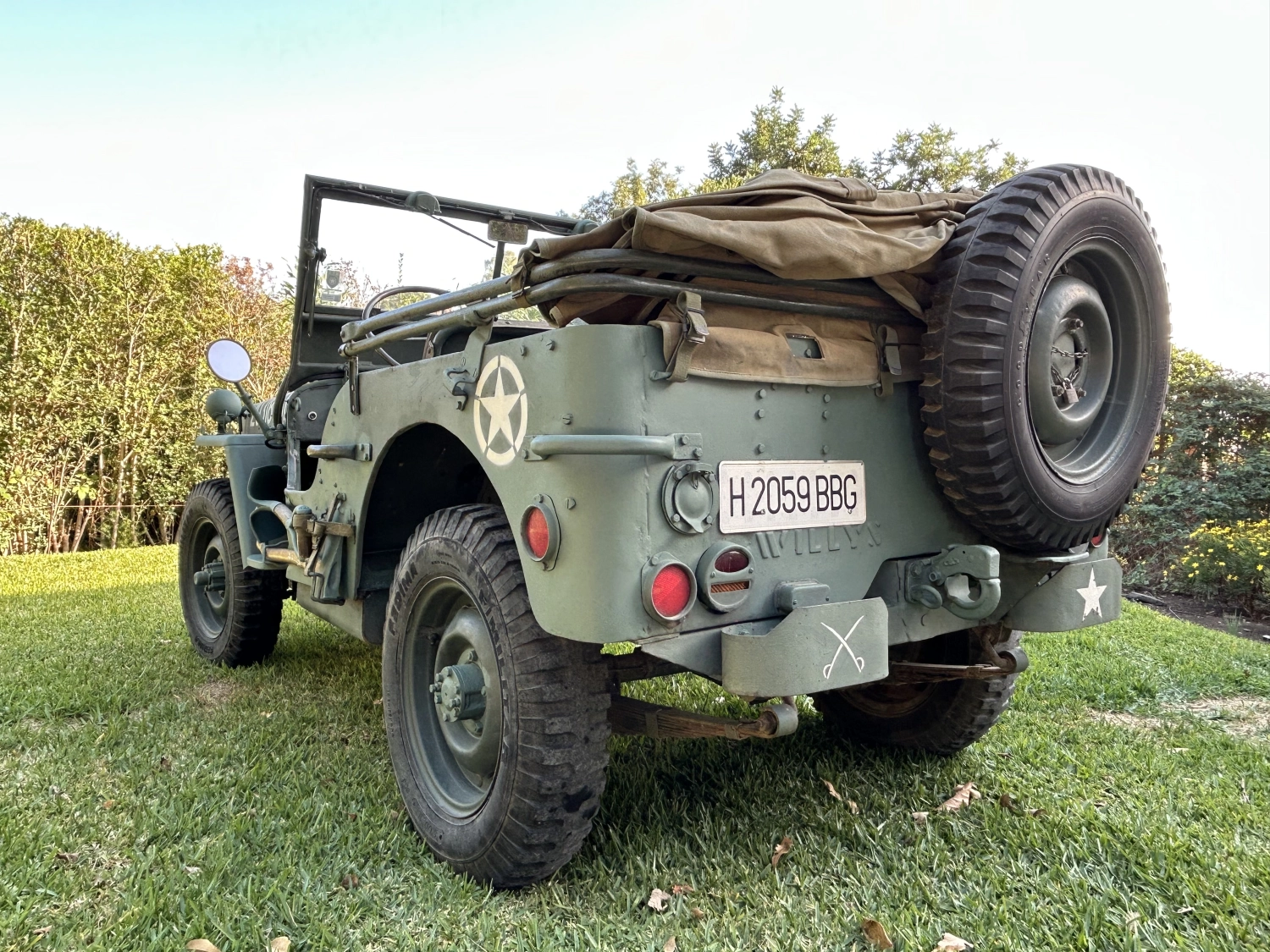


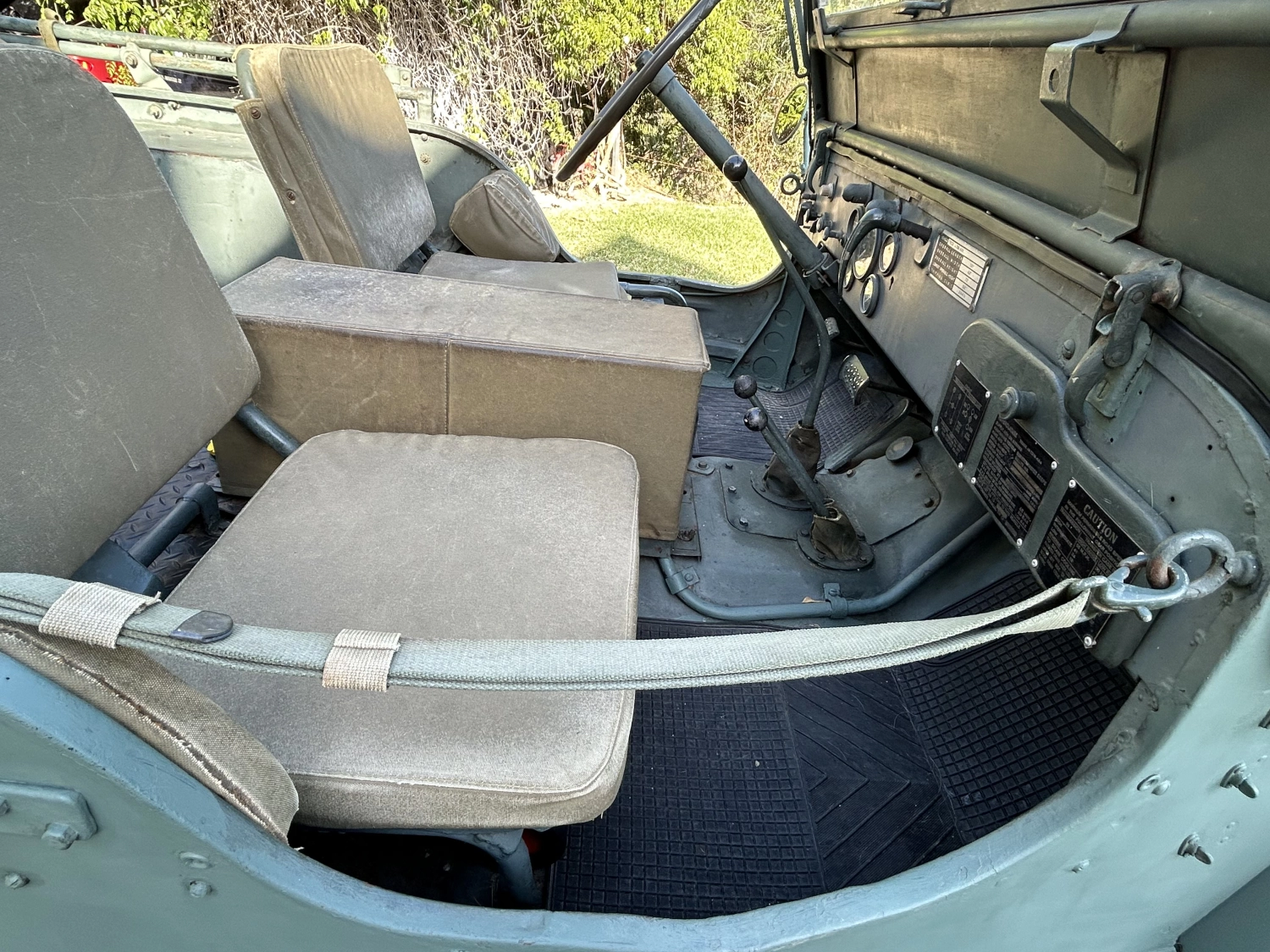


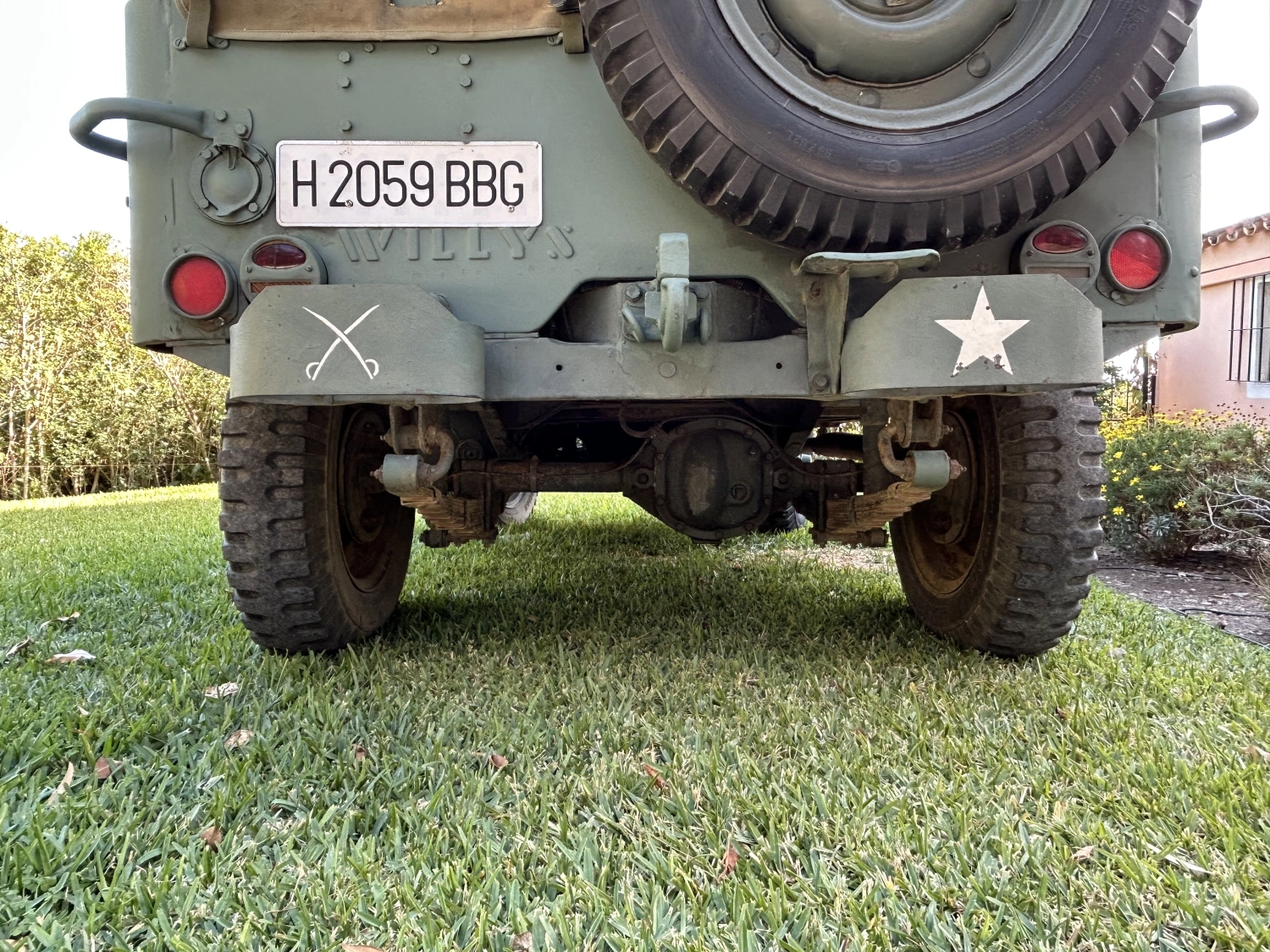


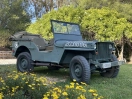


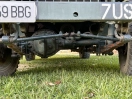


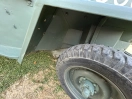


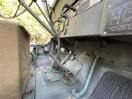
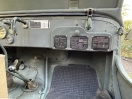


This Willys MB 'glove box slat', proudly residing in sunny Spain, is probably the rarest production Jeep.
Built on 14 February 1942, this Willys Script belongs to the very last series of the iconic “slat grille” models. Unlike the earlier versions, this late-production example is fitted with a glove compartment, making it part of a limited run built only between February and May 1942 with just around 5,000 units produced in this rare configuration.
Lovingly cared for by its current owner for more than 36 years and continues to be regularly driven and enjoyed, so some wear and tear is obviously visible. Although an older restoration, this Willys remains in good condition, both mechanically and structurally.
Overall, the vehicle is in good mechanical and structural condition. While it is not a “showroom” example, it is a very solid and reliable working Jeep that I still use regularly, mostly for everyday outings such as taking the dogs for a walk. Despite this, it has always been properly maintained and kept in top running order. According to the owner the body is exceptionally solid, showing no signs of rot or corrosion, apart from a few minor surface spots that are barely noticeable, including some light oxidation on the axles and springs underneath. Overall, it is remarkably sound, and no bodywork or structural repairs will be needed by the new owner.
The only major task ahead is, if desired, a complete repaint. Since the owner bought the Jeep in 1989 the Jeep has always been finished in NATO Green but over the years since the last respray it has faded in the Spanish sun. A repaint will bring its appearance fully in line with its outstanding condition.
The bodywork is almost entirely original, except for the following parts which have been replaced over time:
The front right wing, replaced due to corrosion of the inner supports (top hat members).
The floor top hat members, which were rebuilt using non-rusting reinforcements to prevent future rot.
The rear tub panel behind the rear seat, which had been poorly repaired and riveted by the Norwegian Army and has since been corrected.
Mechanically, the Jeep is in very good order. The engine was completely rebuilt in 2020, including a new block, pistons, liners, valves, camshaft, timing belt, gaskets, and seals. All parts were supplied by Jeep Sudest in France. The canvases were also fully renewed.
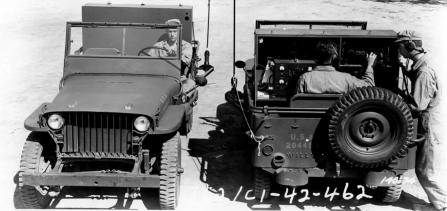
Originally a radio Jeep in the Norwegian Army, it still features the larger generator (dynamo) which meant that the battery had to be relocated from the engine compartment to between the two front seats in its own covered compartment. Non-original items are limited to the front indicator lights (modern replacements for the original blackout sidelights, which I have kept for the next owner). The Norwegian-installed heater has also been removed but retained.
Finally, note that the gearbox label shows it was rebuilt by the U.S. Army Ordnance Depot in occupied Japan; a rather unique historical detail.
WILLY’S REPAIRS & RENOVATIONS
1992–1999
1992: Steering, brakes, and suspension renovated
1997: New muffler
1998: Engine valves, springs, and gaskets replaced
1999: Canvas and small fittings (straps, etc.) renewed
2003–2008
2003: Starter switch replaced
2005: Transmission and steering oil seals, engine mounts replaced; new thermostat
2008: New muffler
2010–2013
2010: Starter switch replaced
2011: New water pump and steering overhaul
2012: Temperature gauge replaced with original; full body restoration (chassis separation, bare metal respray, anti-rust treatment, new top hat members, underseal throughout)
2013: Starter motor and carburettor overhauled
2014–2015
2014: Starter switch replaced
2015: New water pump
2018–2021
2018: Major engine rebuild at 23,754 miles (clutch, camshaft, crankshaft reground & balanced)
2019: New silencer and flexi pipe; front right wing replaced; new thermostat
2020: Brakes renovated; new windscreen frame installed
2021: Tires replaced; new D-Day style canvas top and cushion covers fitted
2025
2025: Cooling system renovated
2025: Vehicle exterior returned to period-correct appearance with the late model pressed grill replaced by a replica early-war slat grill. The later grill is included with the sale.
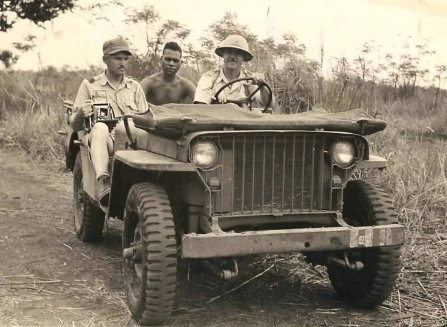
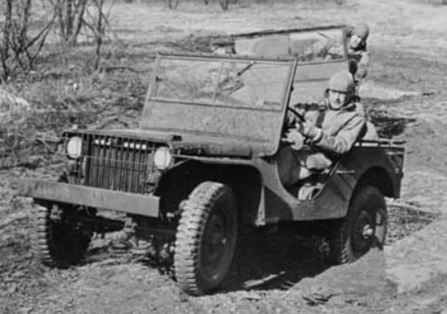
After securing the contract to manufacture the WWII quarter-ton truck, Willys produced the early Willys MA model, which evolved into the Willys MB. These initial MB jeeps, built from November 1941 to March 1942, are recognized for their unique “slat grille” made from iron bar stock. This distinctive feature, limited to the first 25,808 units, was later replaced by Ford's stamped steel grille design, which reduced production time and weight while incorporating airflow deflectors.
Differences
The slat grille MB differed significantly in both structure and functionality compared to later models. Early models lacked a glove box, meaning components like the fire extinguisher were mounted near the passenger side toe board. Early production also used a shorter windshield frame, which was later extended by two inches to accommodate taller drivers. Up to truck no. 164,554, the windshield featured push-button fasteners for the canvas top and uniquely placed hold-down catches to secure the windshield in its folded position. Other distinguishing features included the brass data plates, a solid black plastic steering wheel, and a speedometer graduated in 5 mph increments, along with a fuel gauge labeled “GAS” instead of “FUEL.”
The vehicle's body design included several unique elements, such as two separate small hinges on the toolbox lids instead of a continuous hinge, and locks keyed to match the H700 ignition key. The slat grille MBs were also distinct for their fuel tank well, which was box-shaped rather than rounded as seen in later models. The early jeeps did not include certain accessories, such as trailer light sockets or fuel can carriers, until mid-1943. Another distinctive feature of the slat grille jeeps was the use of rubber parts, including rubber shifter boots, seals around the fuel tank, and rubber hood blocks, which were later replaced with wood as wartime material rationing increased.
Mechanically, early MB models were prone to veer to the left during heavy braking due to the axle-mounted bell crank, which was later corrected with the addition of a torque reaction spring to the driver’s side front spring. The frame and suspension also included early design traits, such as solid disc wheels on pre-standardized units and early Kelsey-Hayes solid wheels used until truck no. 120,700. The AC Spark Plug Co. provided a distinctive “hat style” air filter for these early jeeps, which was later replaced by the Oakes model in subsequent versions.
The slat grille MBs came with various specialized components not found on later models. For instance, the fuel tank was equipped with a narrow neck that required a smaller cap, and the exhaust system initially used a round muffler before switching to an oval design. These jeeps also had a Holland Hitch Co. T-60-A pintle hook without trailer safety chain eye bolts, which were added in later production.
Fun Fact: Grille or Grill?
Collectors and enthusiasts seem to use the two terms interchangeably have you ever wondered which is correct?
Grammatically speaking, “grill” — both as a verb and as a noun— relates to cooking food over a metal structure placed over a fire.
“Grille,” on the other hand, refers to a metal structure of bars built around or across something to ensure its protection.
Based on that, the thing protecting the radiator on either a Willys or Ford Jeep is a "grille."
But if you really want to be correct, Ord 9 SNL G-503, List of Service Parts for Truck, 1/4-ton, 4x4, Command Reconnaissance (Ford Model GPW; Willys, Model MB), refers to that protective piece in front of the radiator as neither. Instead, it labels it as a "guard" (part number WO-A3615).







Ivo Rigter Sr.
Founder & Co Owner of BAIV and Tracksandtrade
+31 6 518 22 502 ivosr.rigter@tracksandtrade.com