Ivo Rigter Sr.
Founder & Co Owner of BAIV and Tracksandtrade
+31 6 518 22 502 ivosr.rigter@tracksandtrade.com


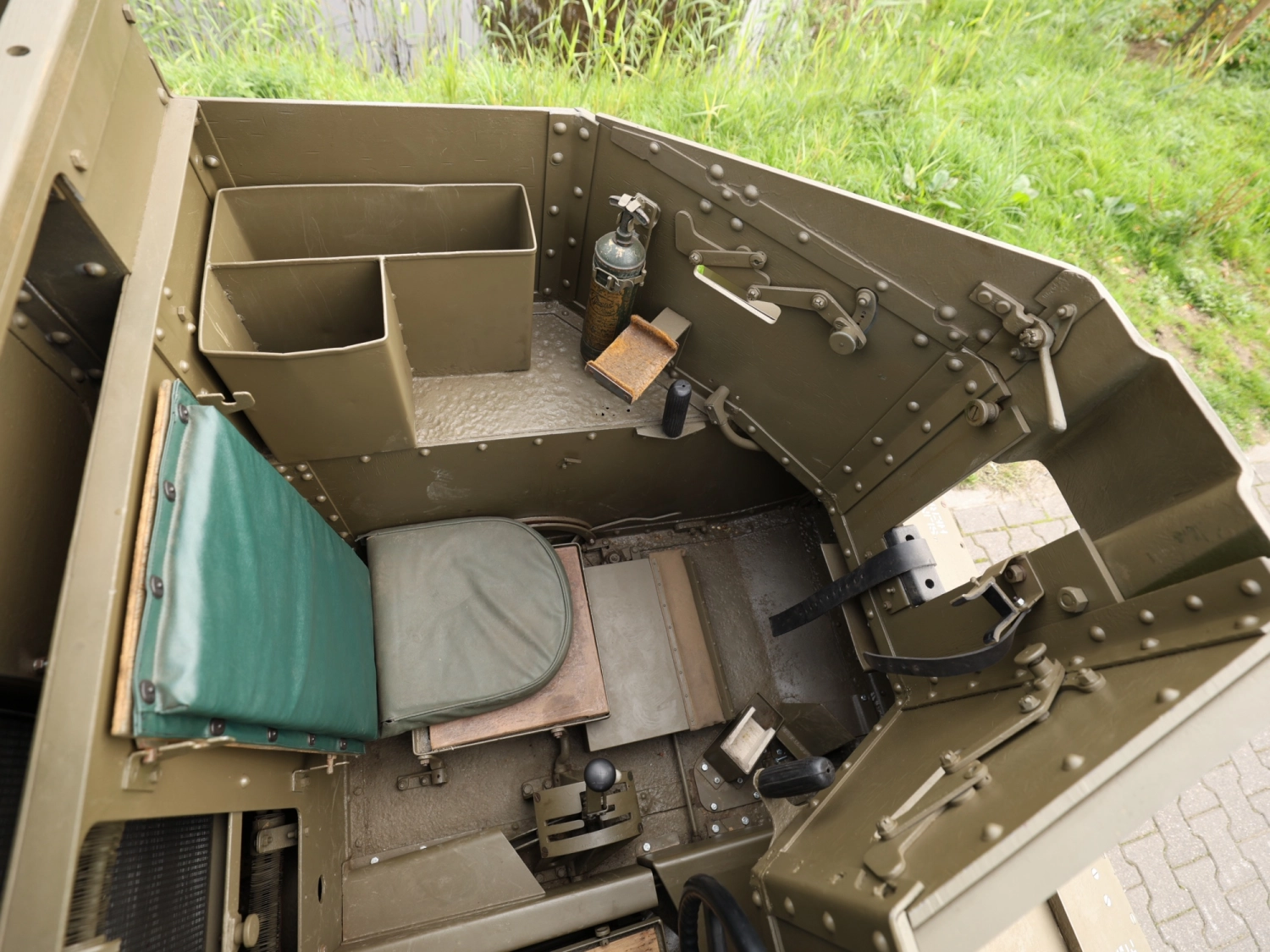


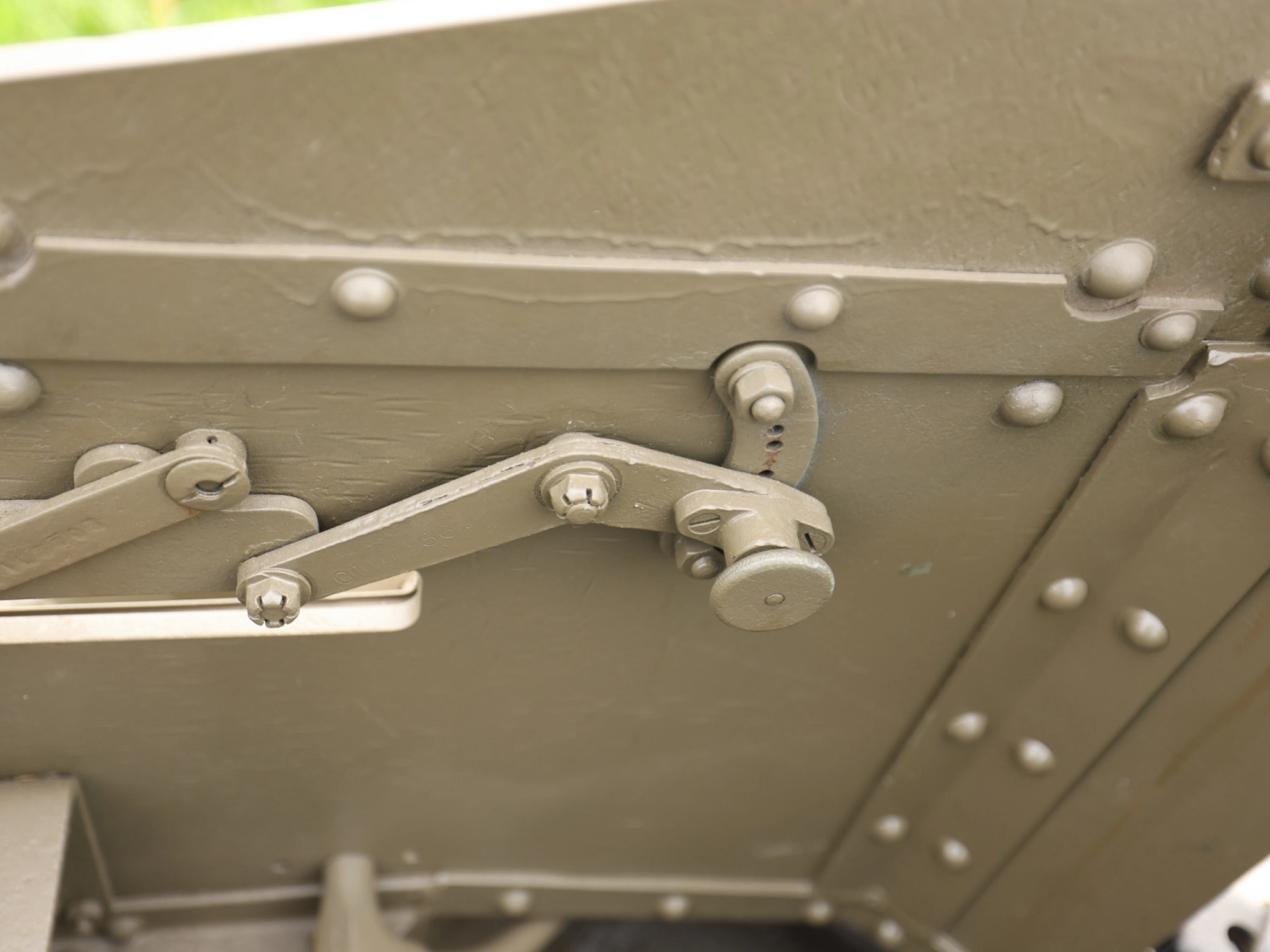
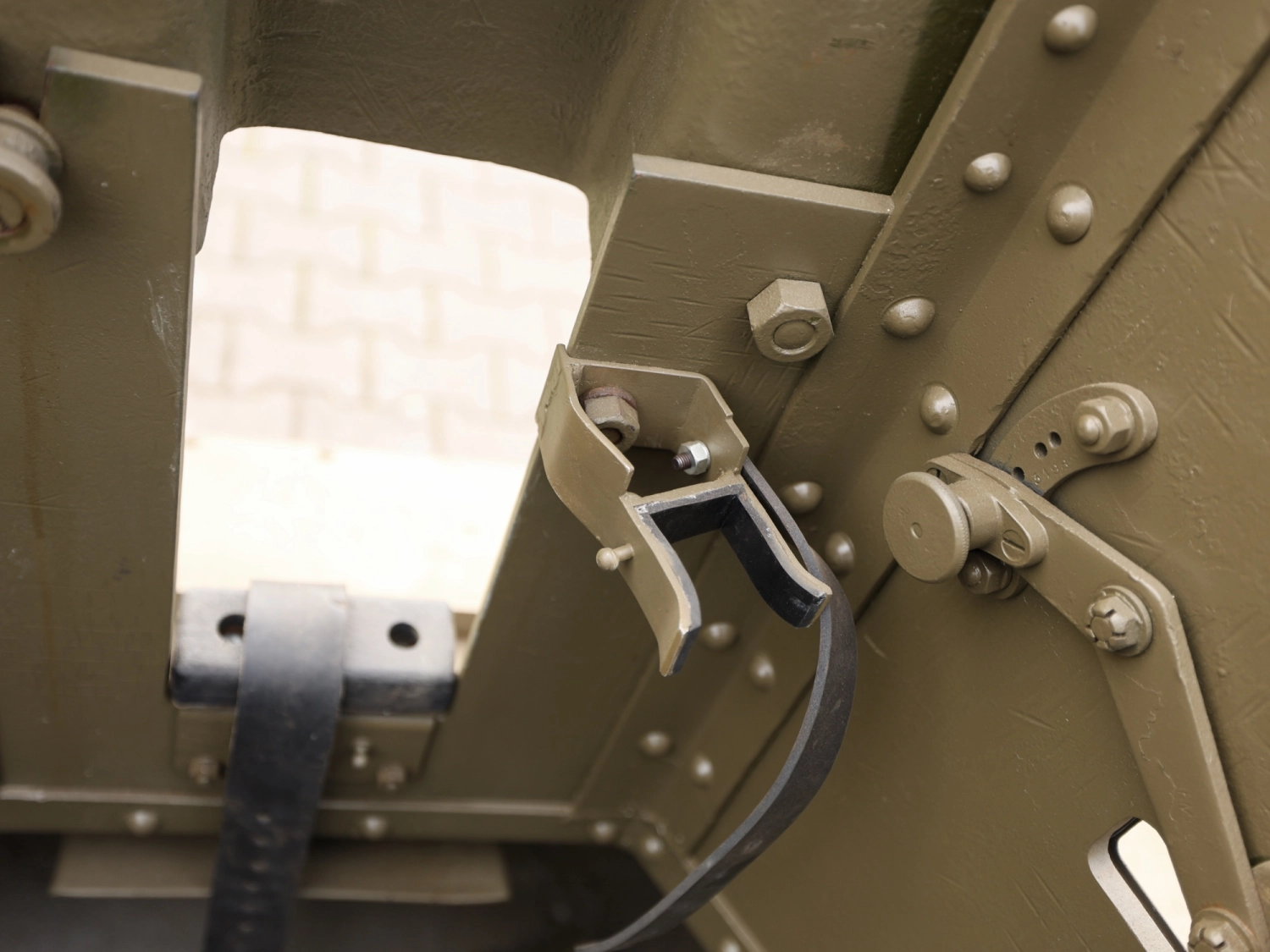


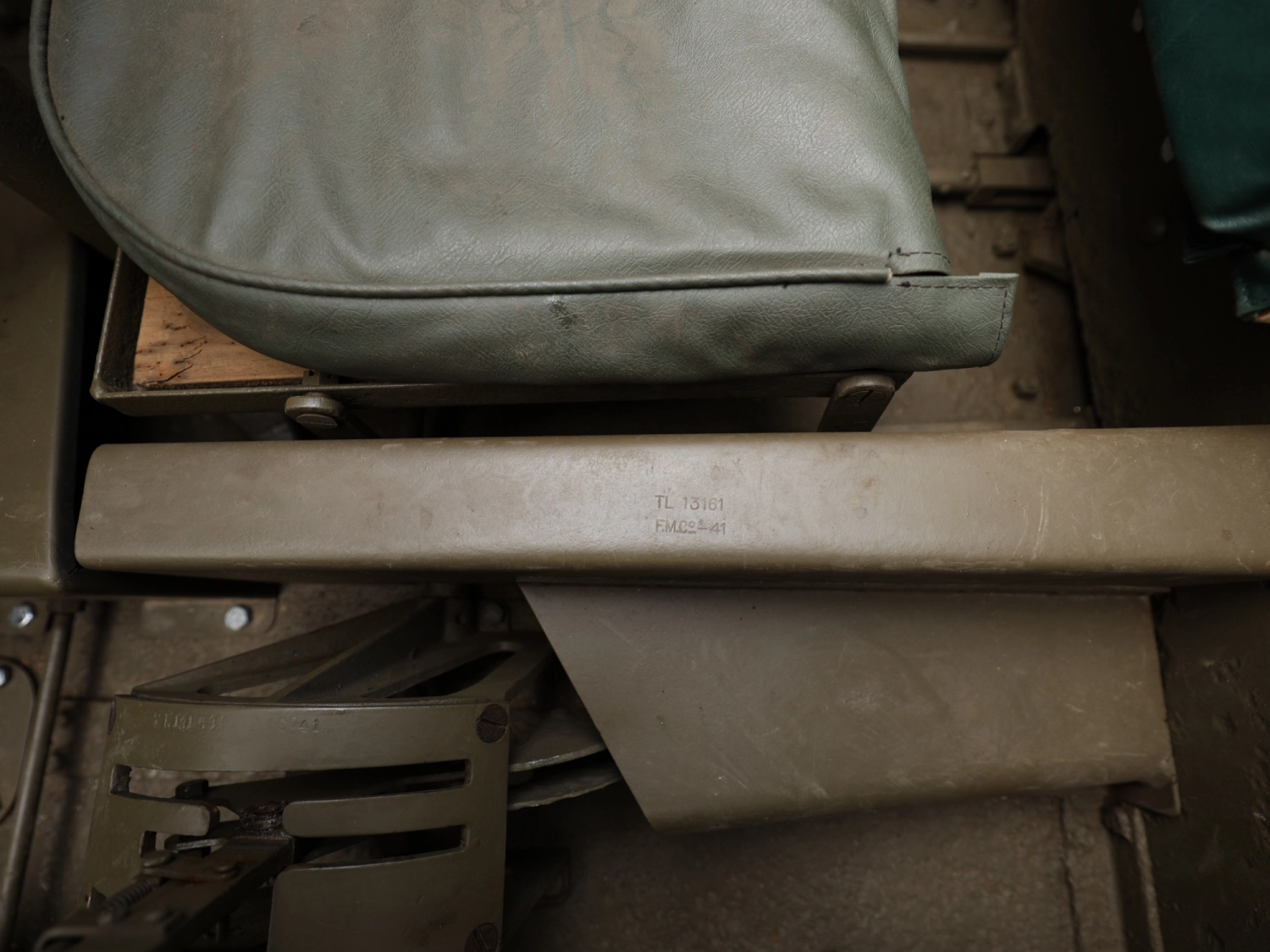


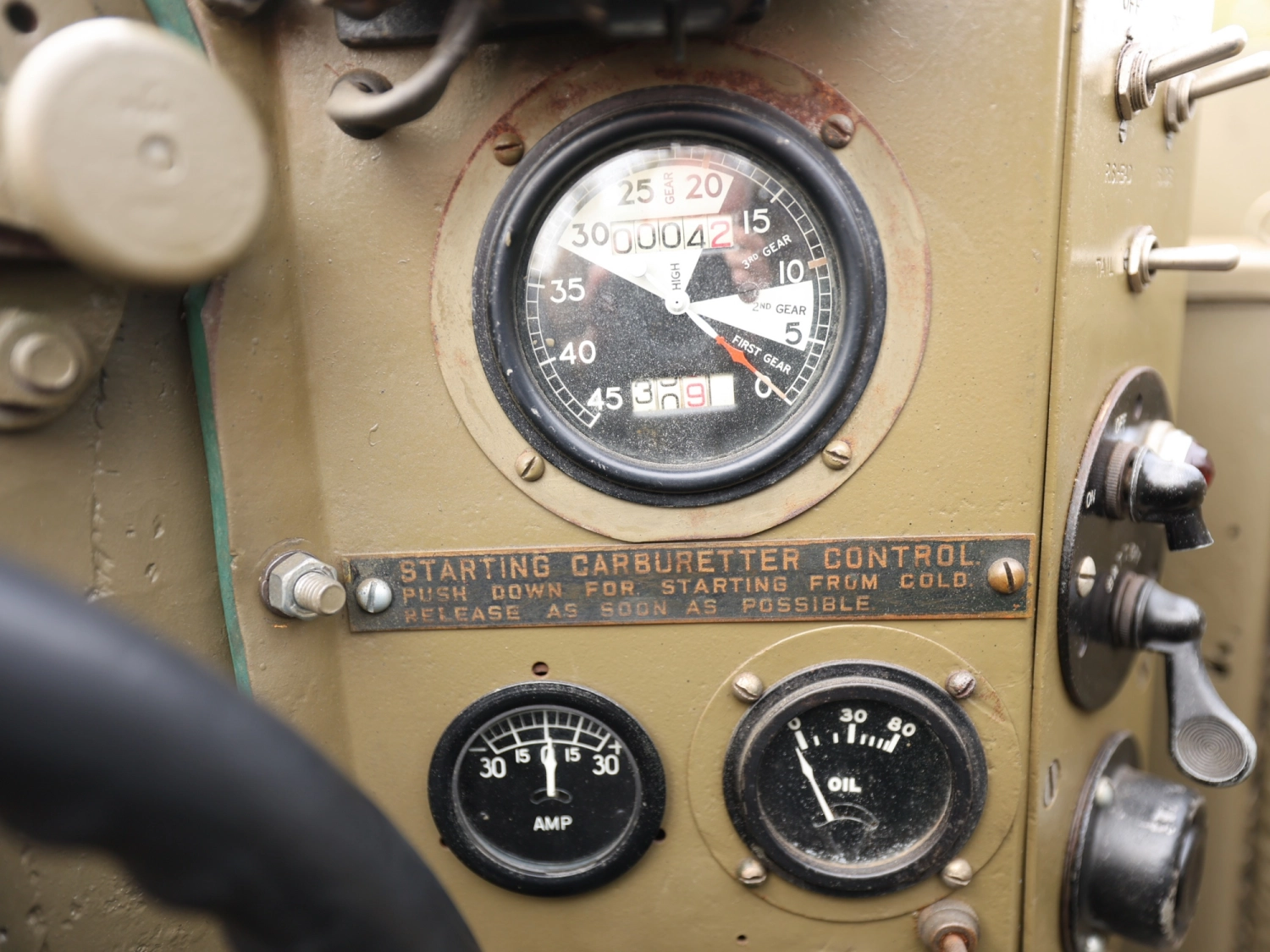
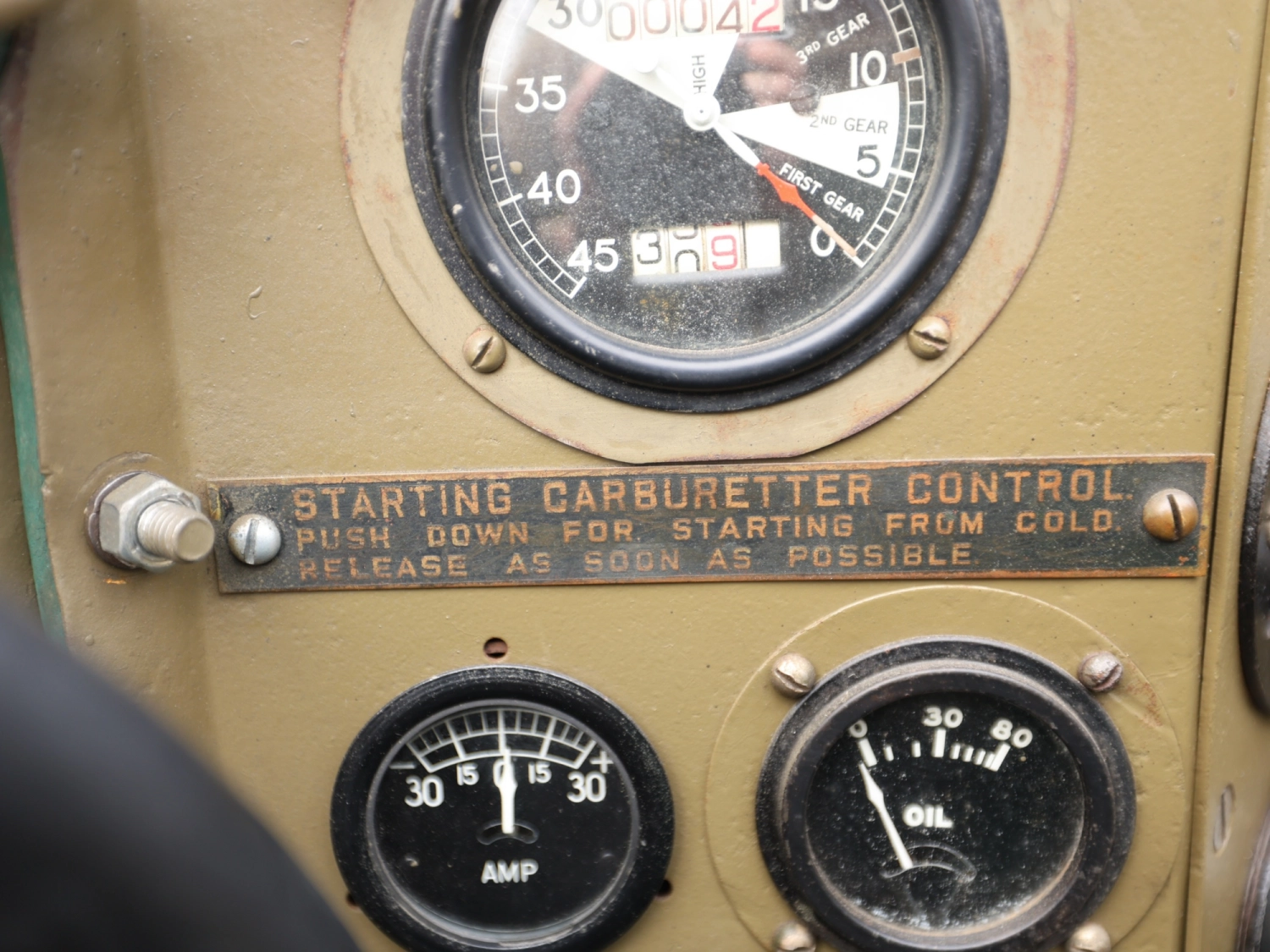


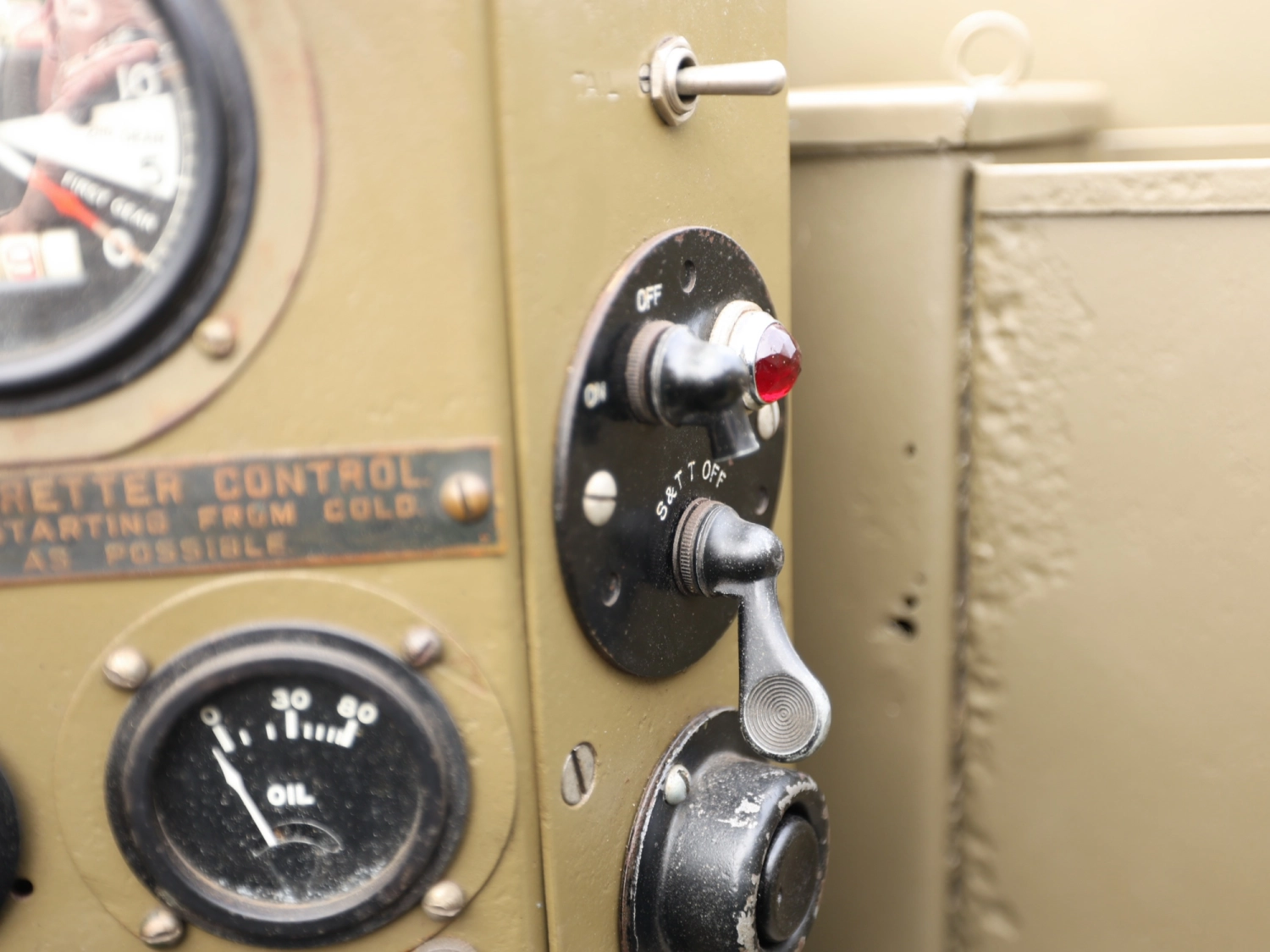
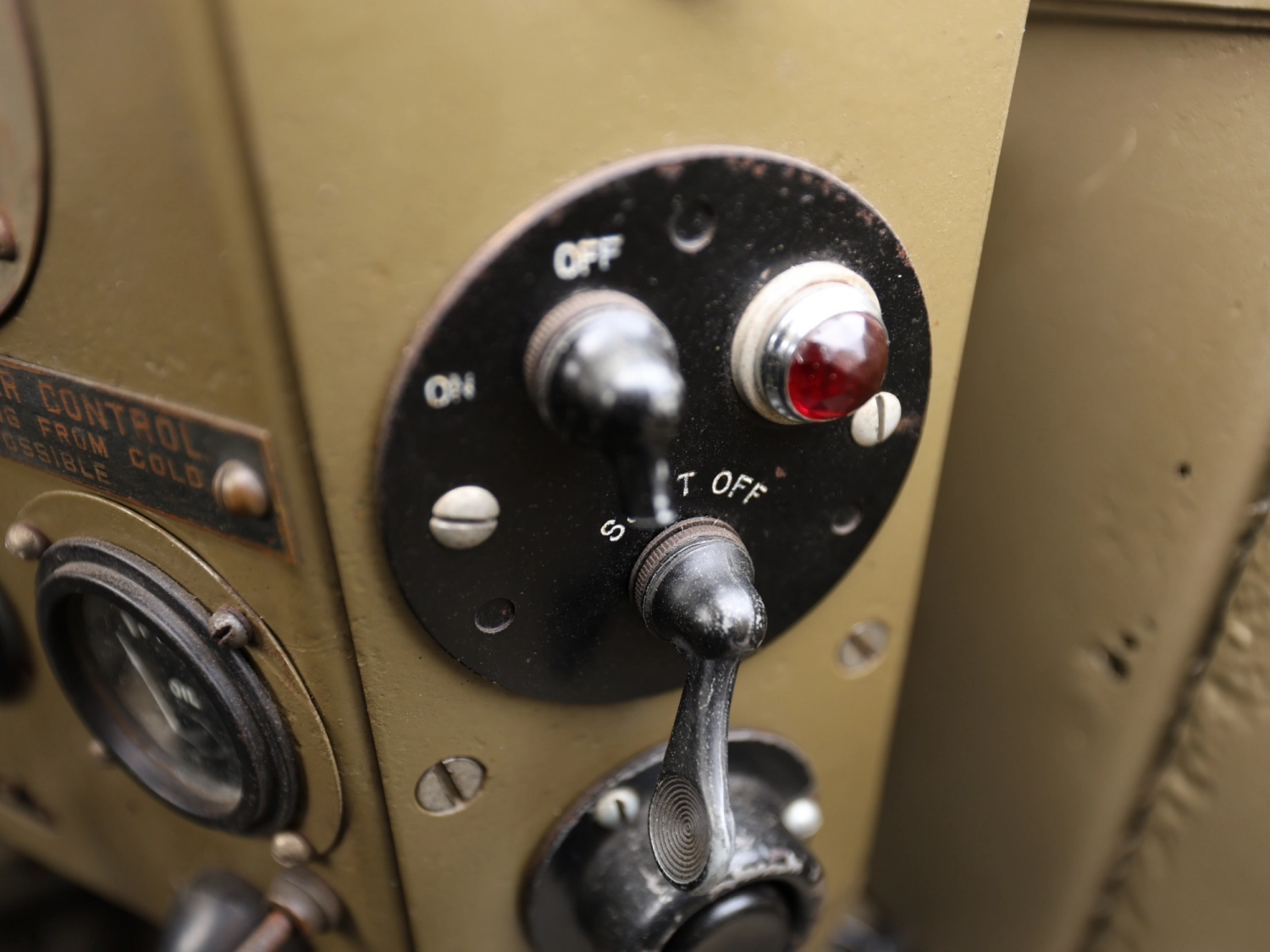
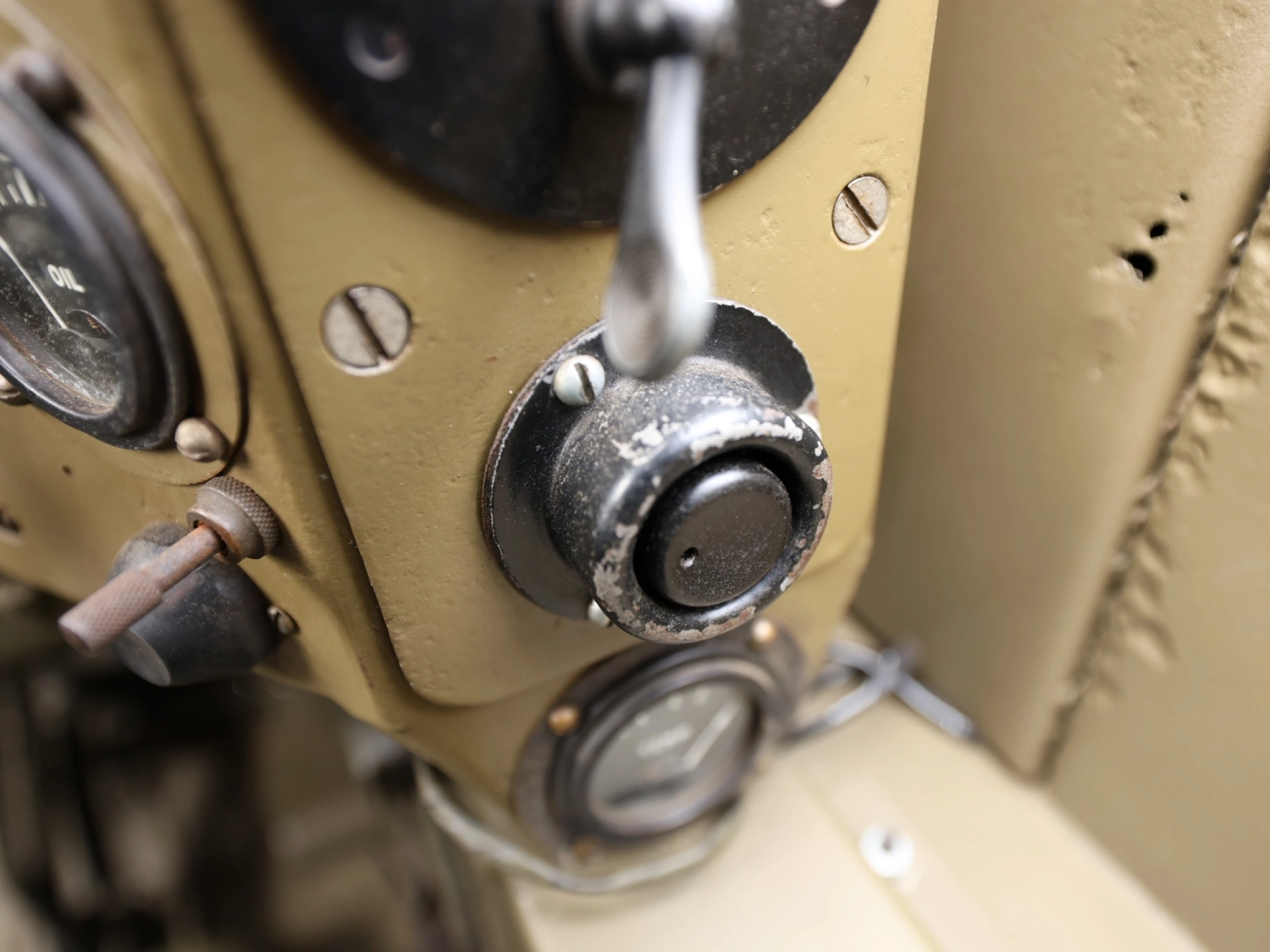


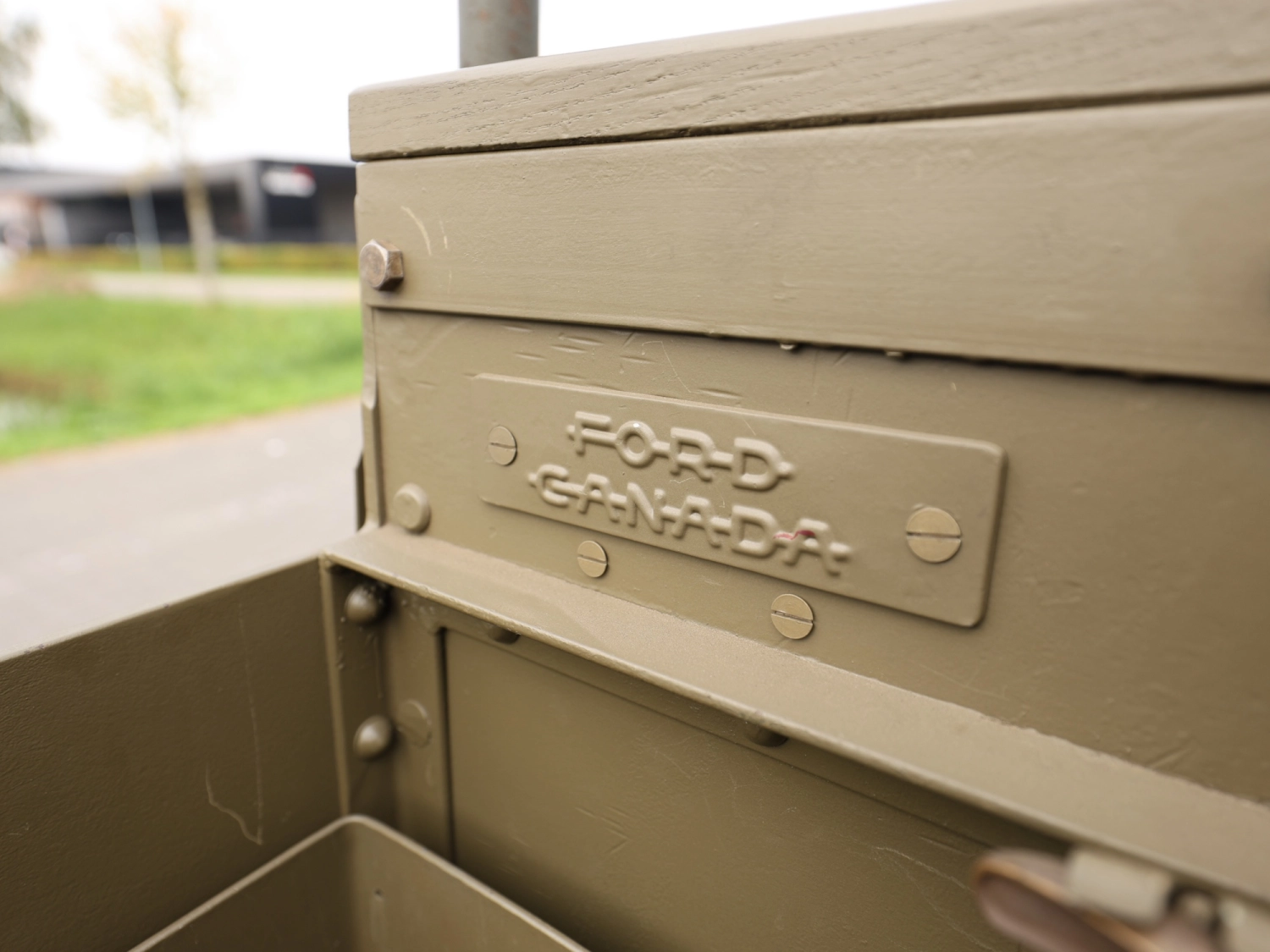


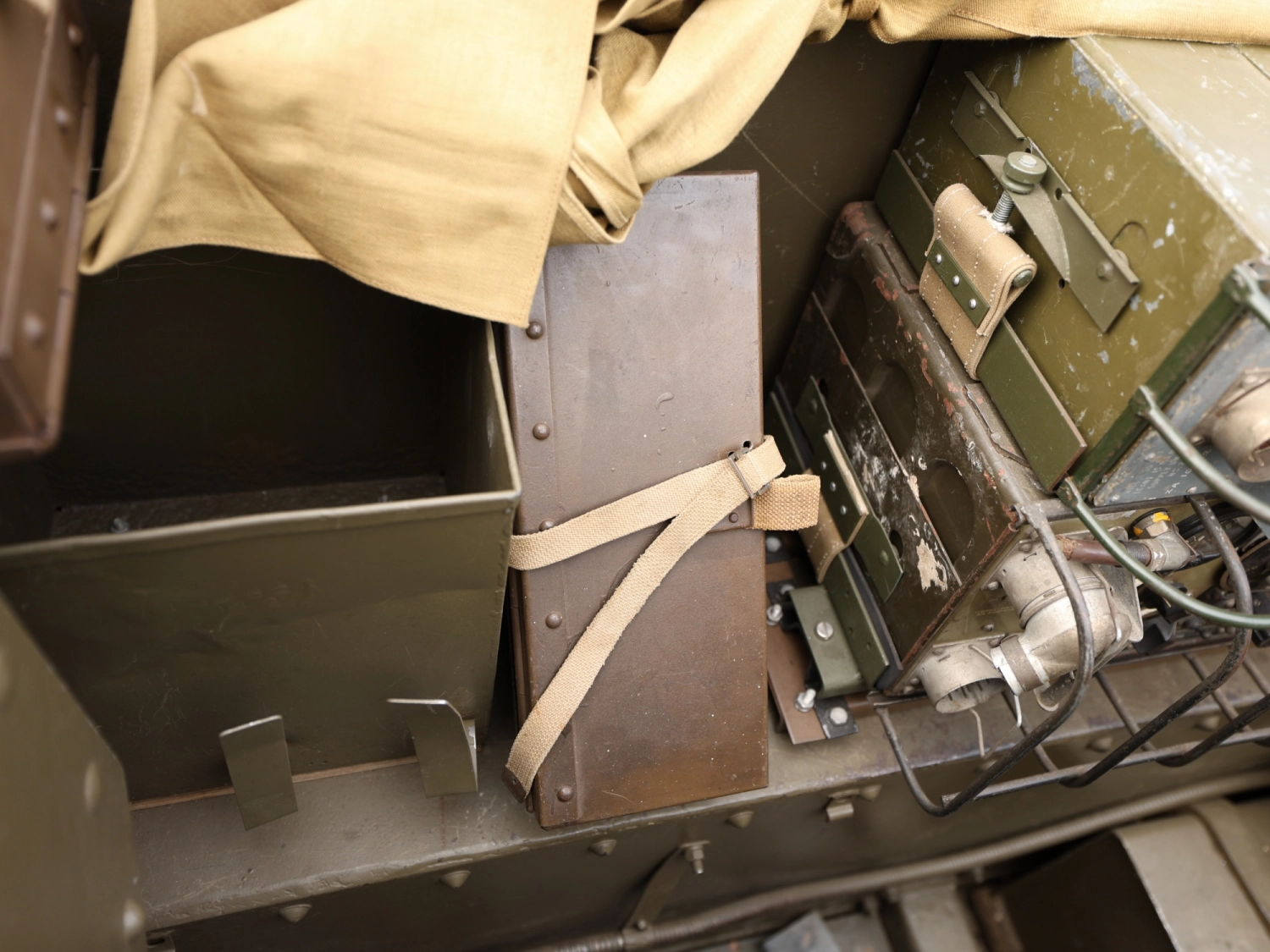


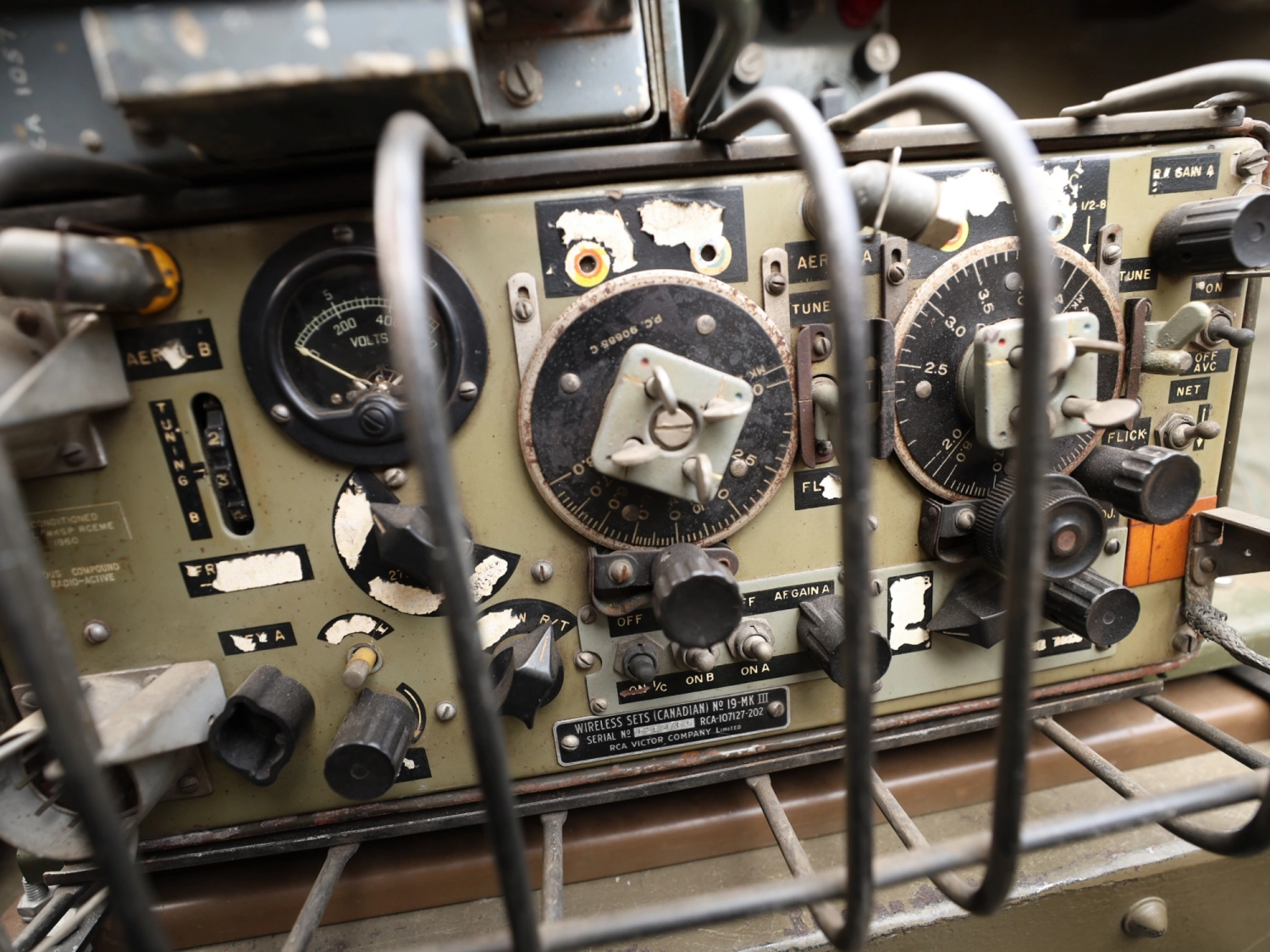


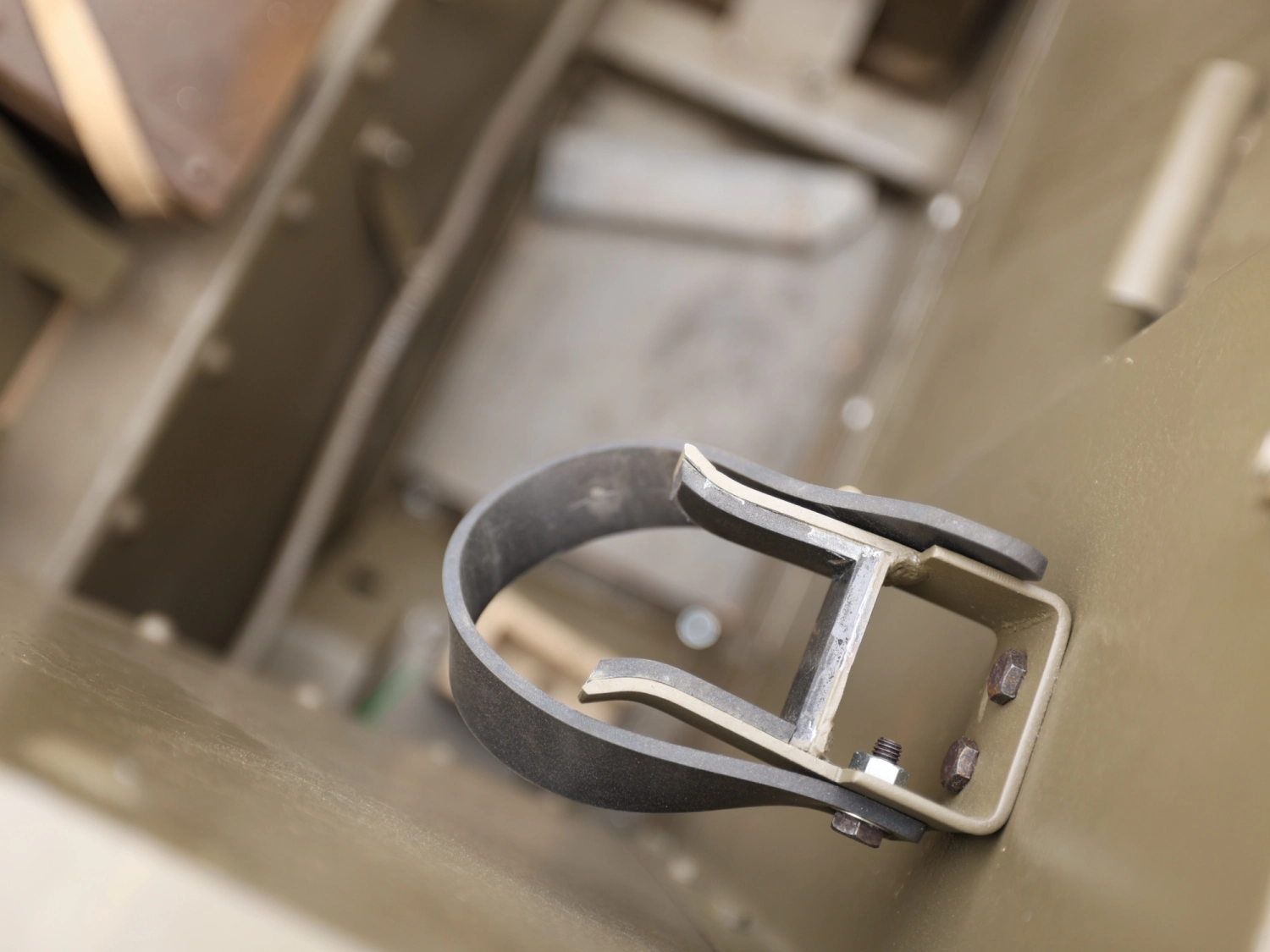


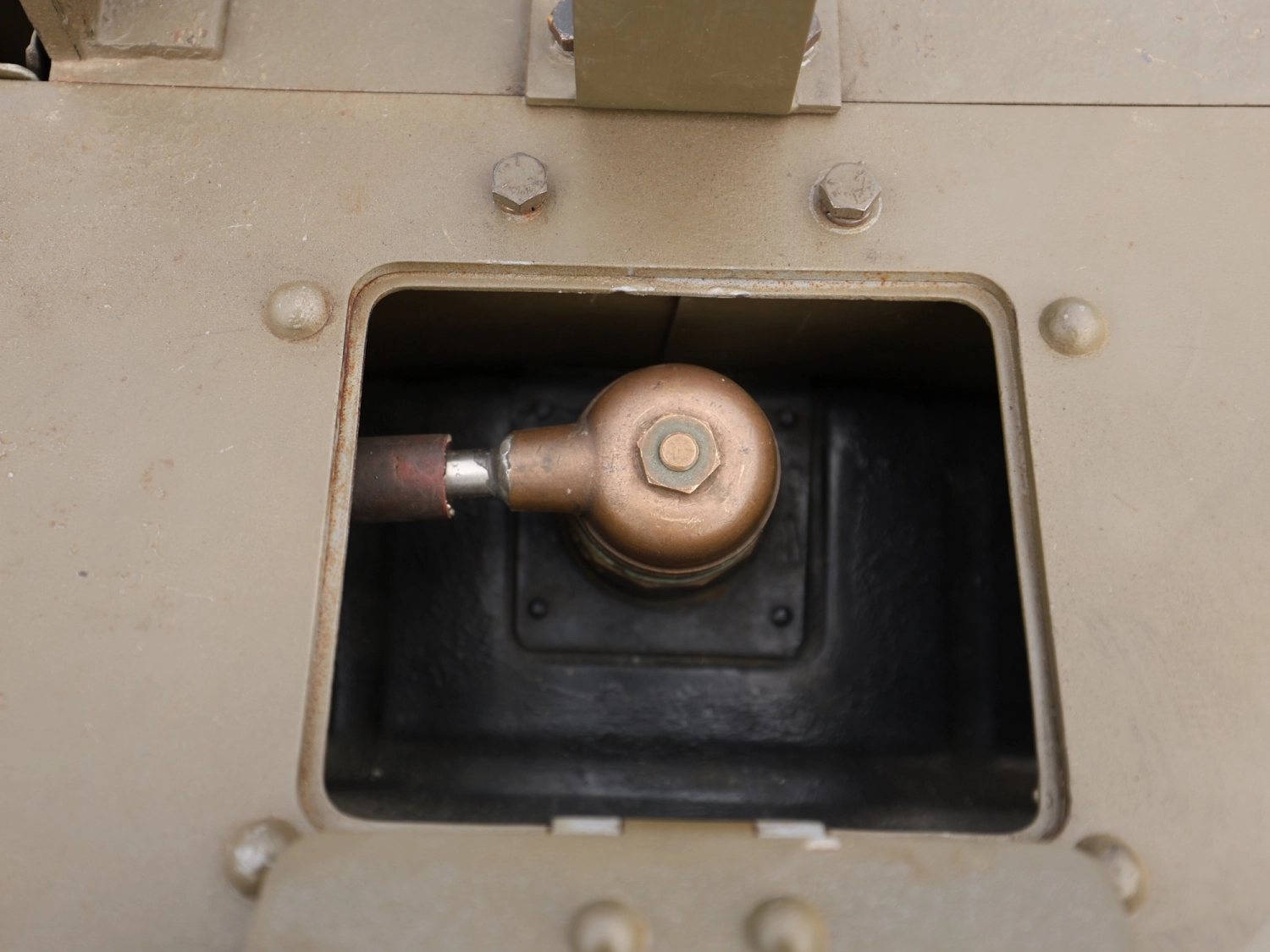
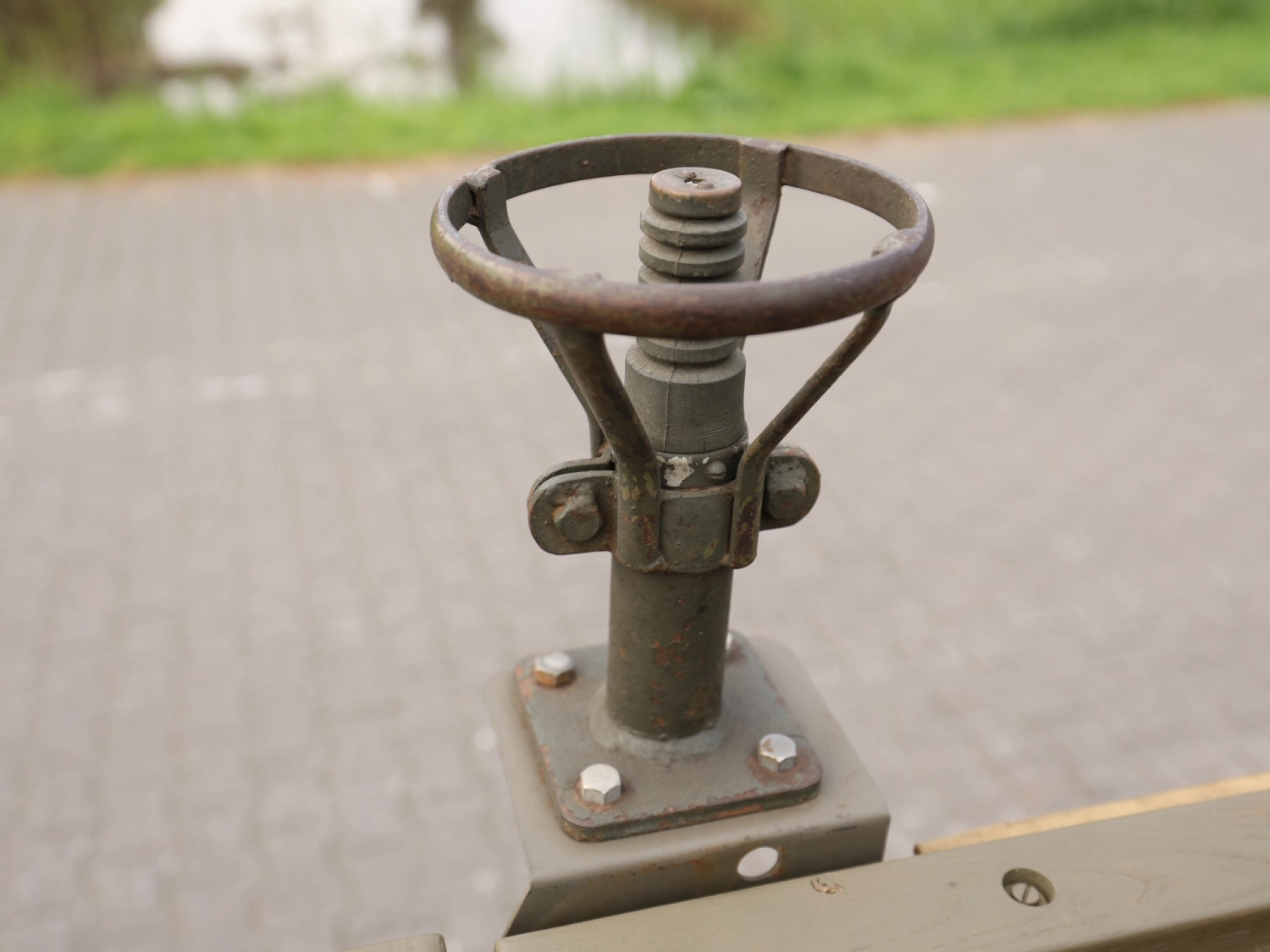
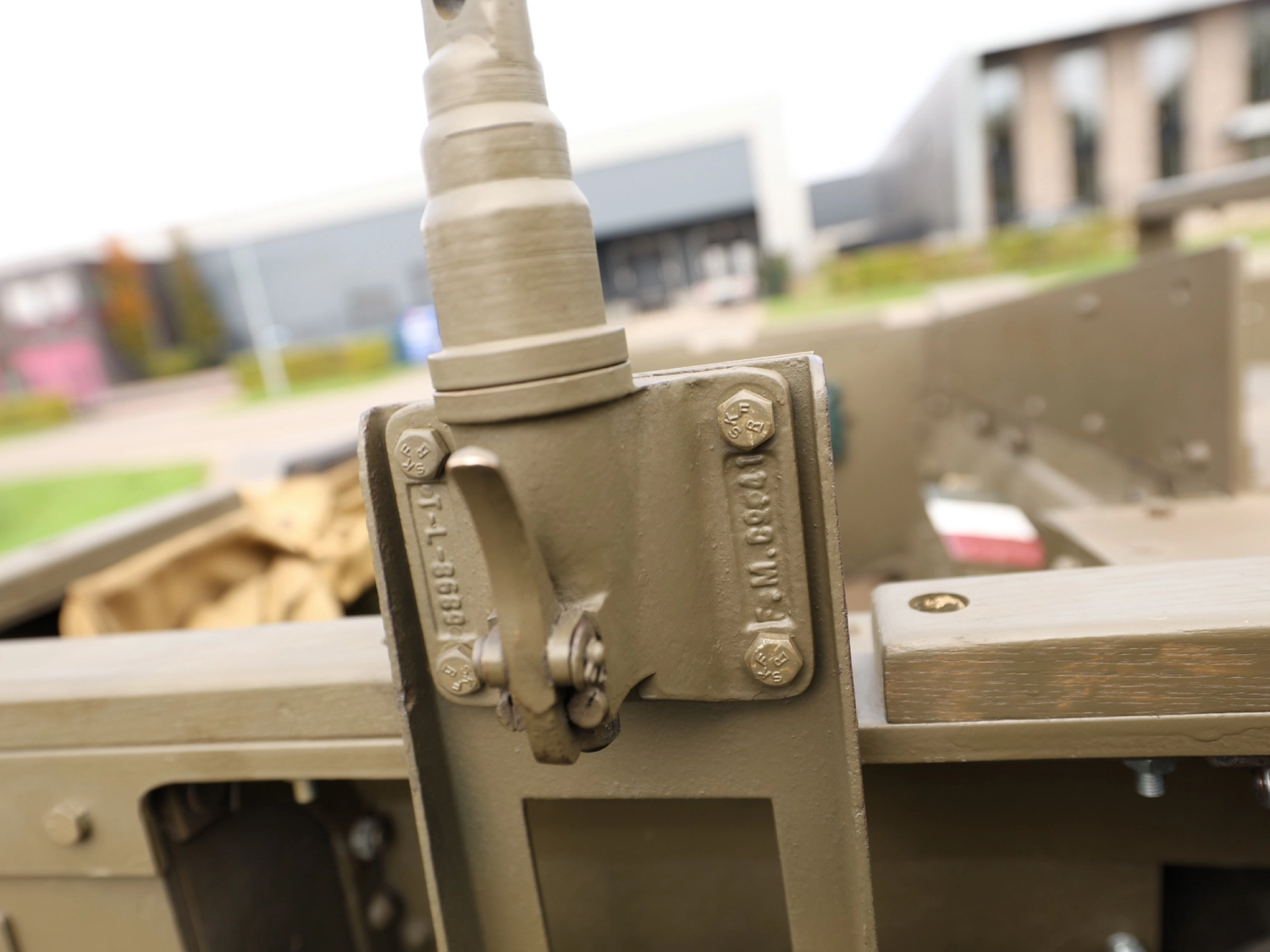


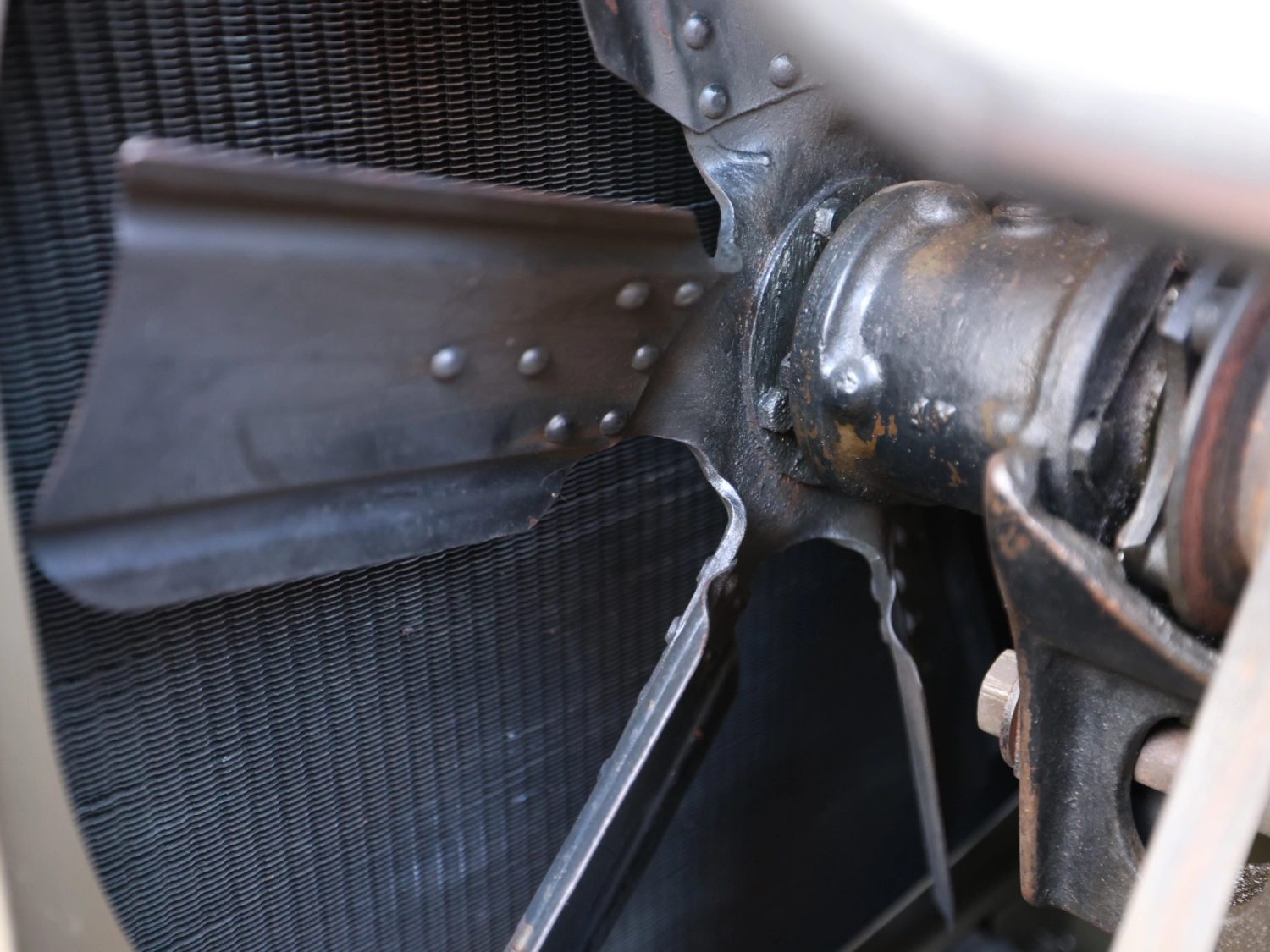


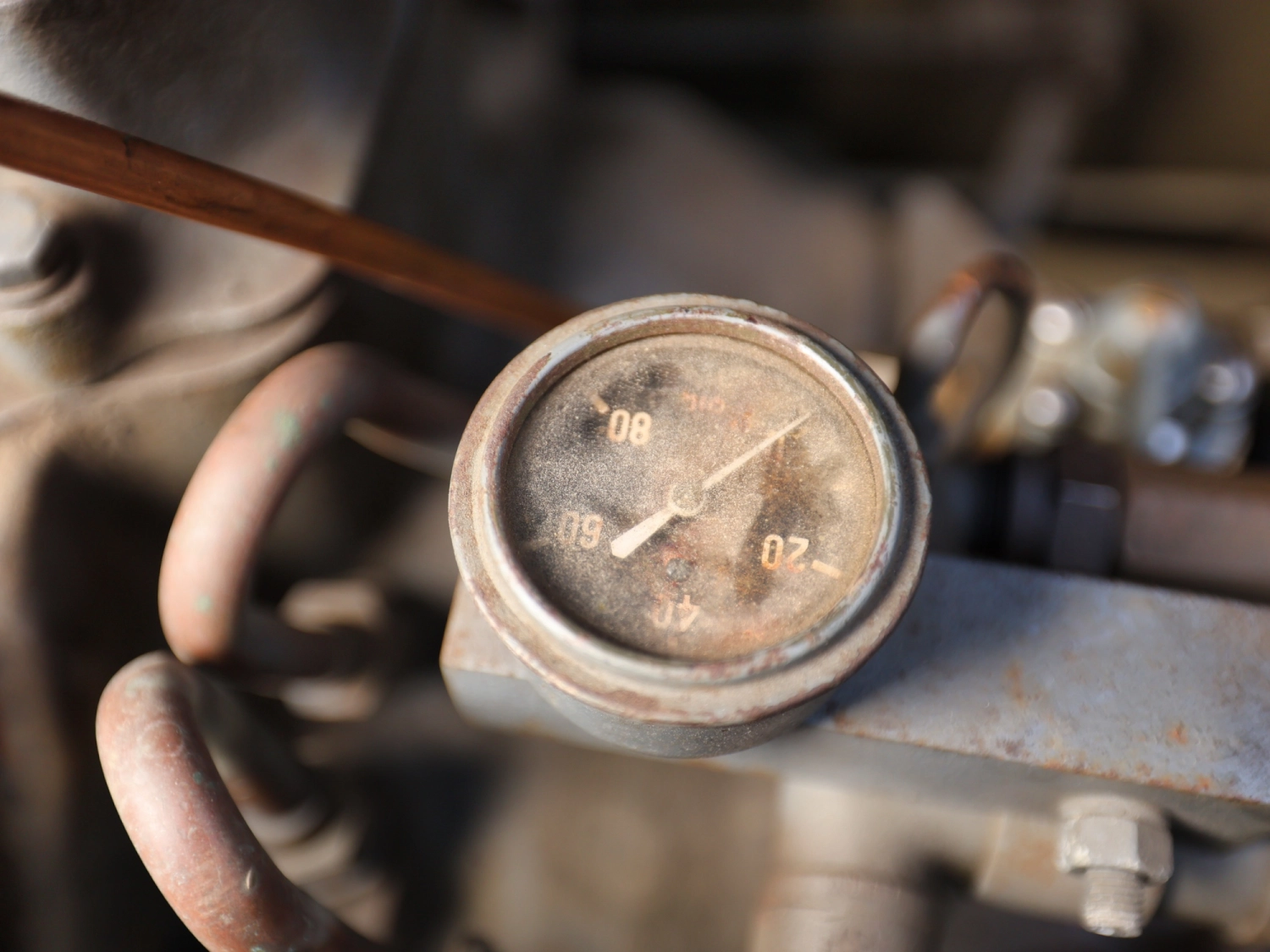


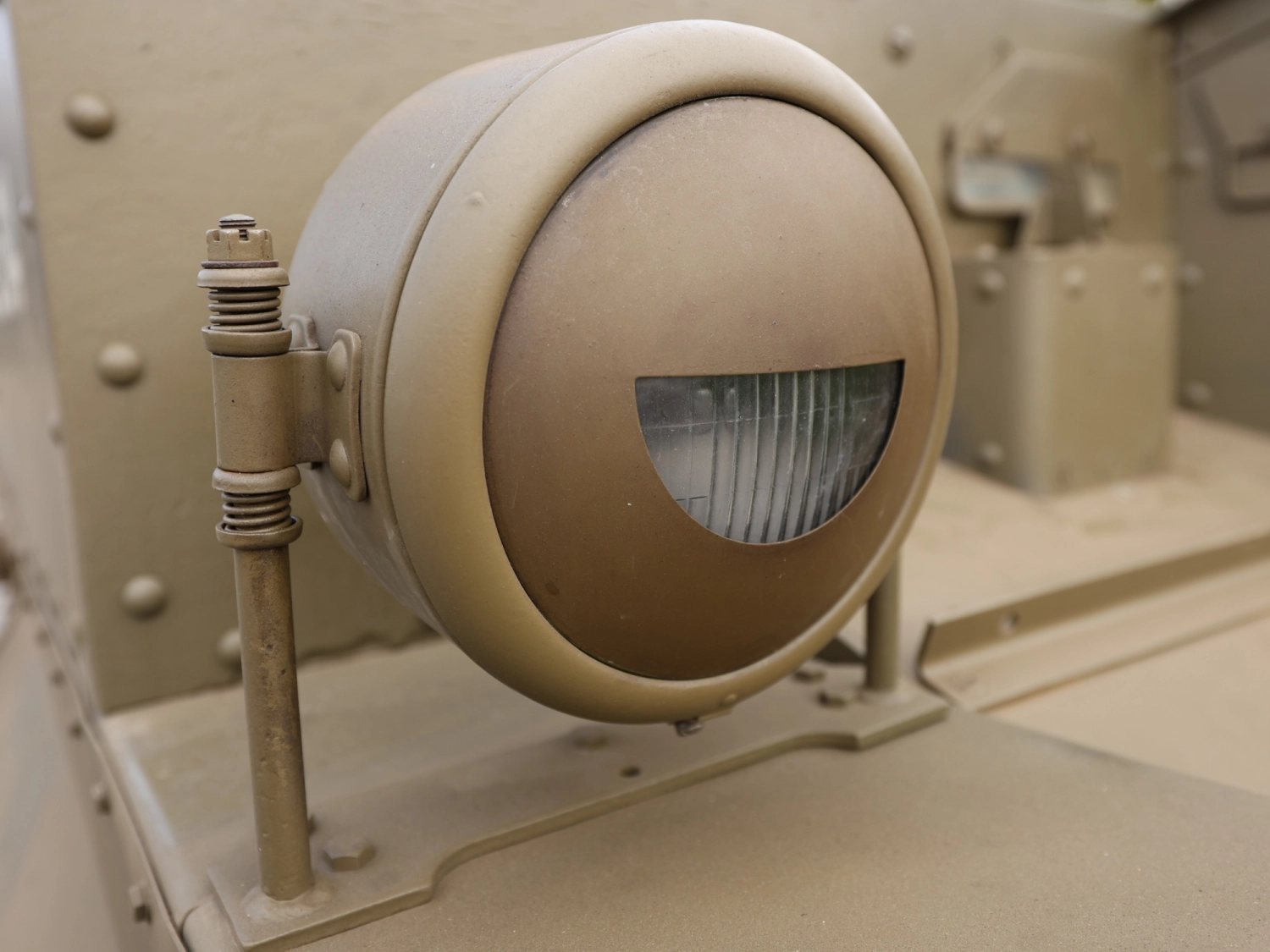


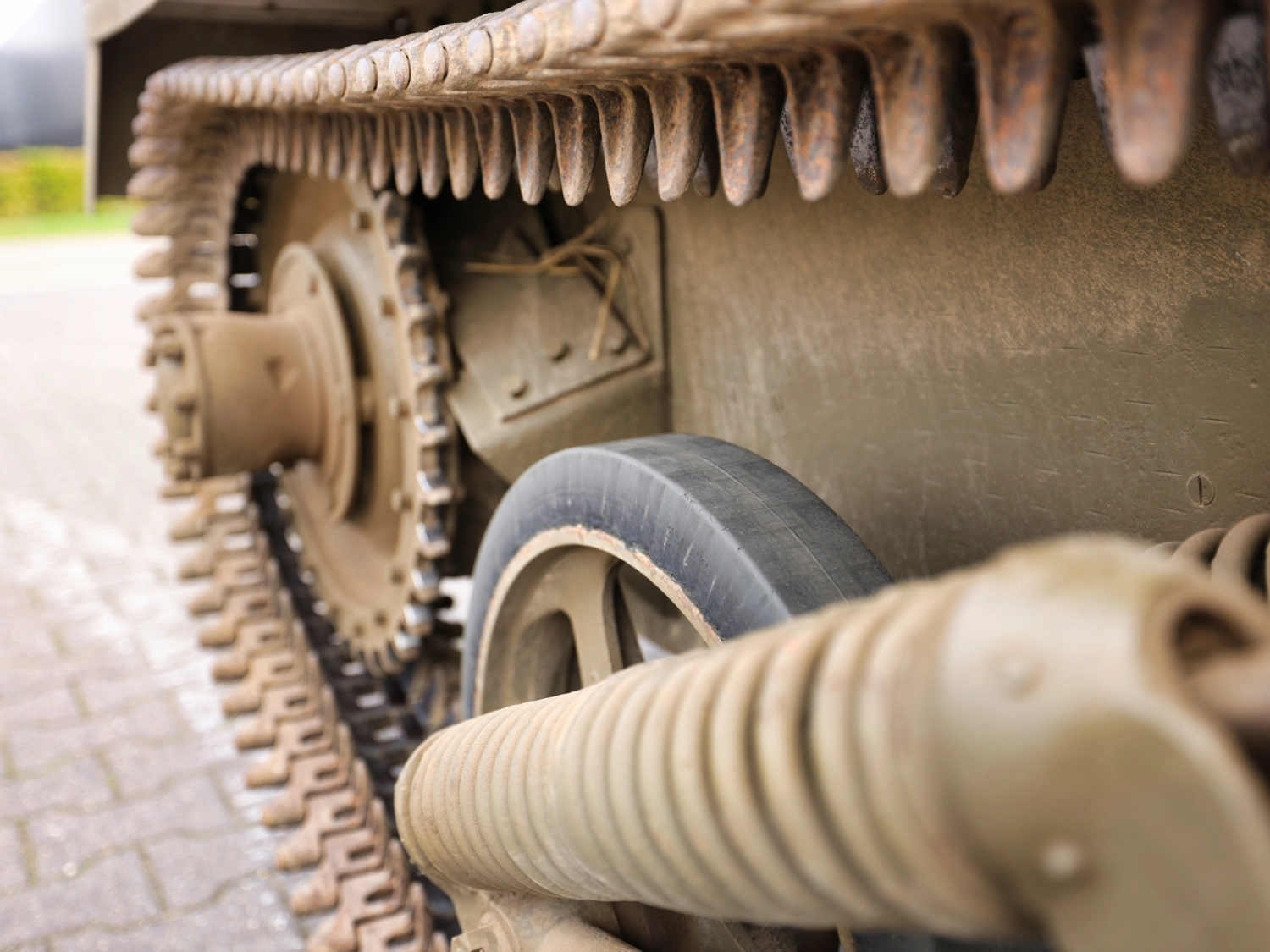


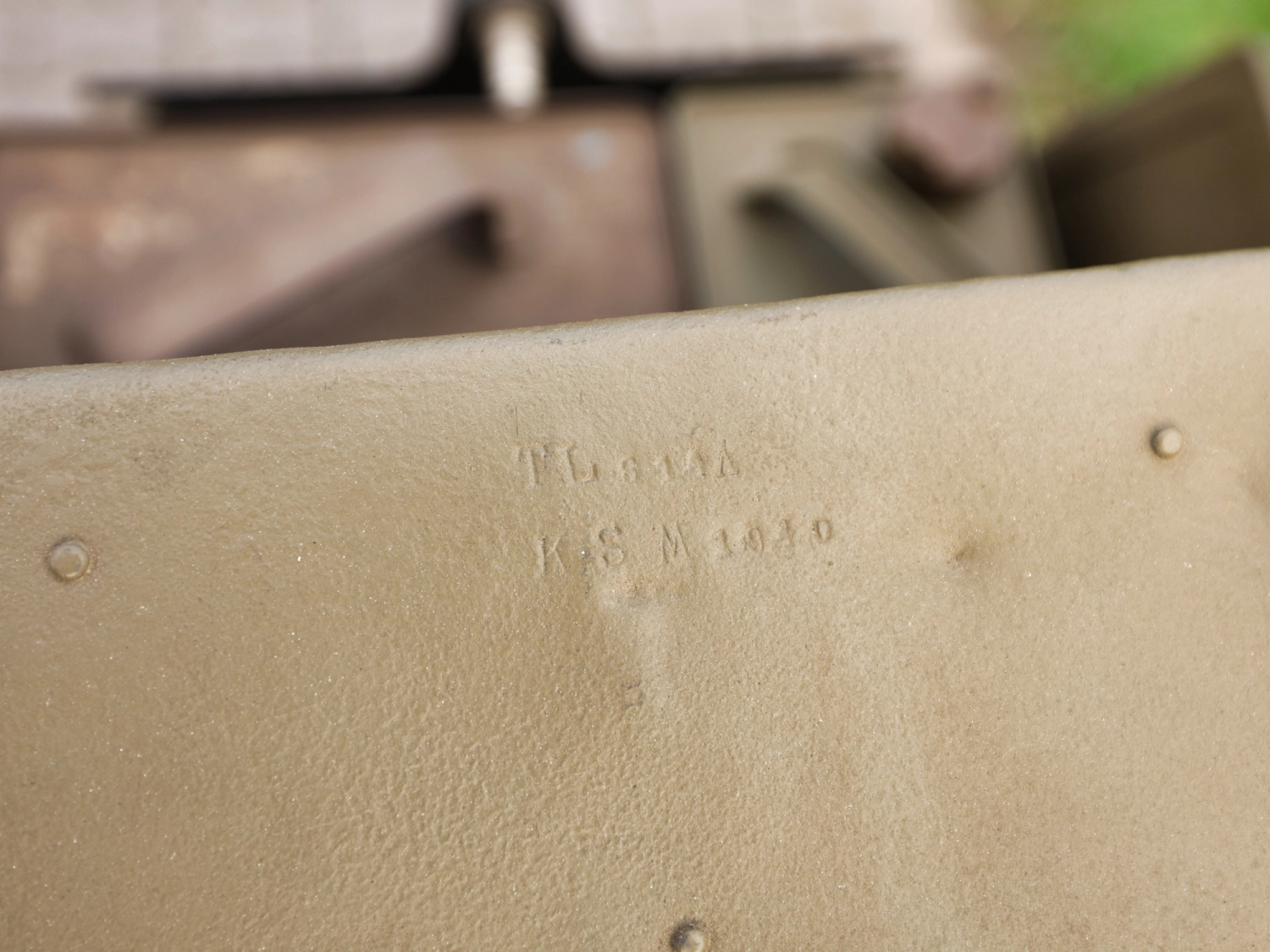


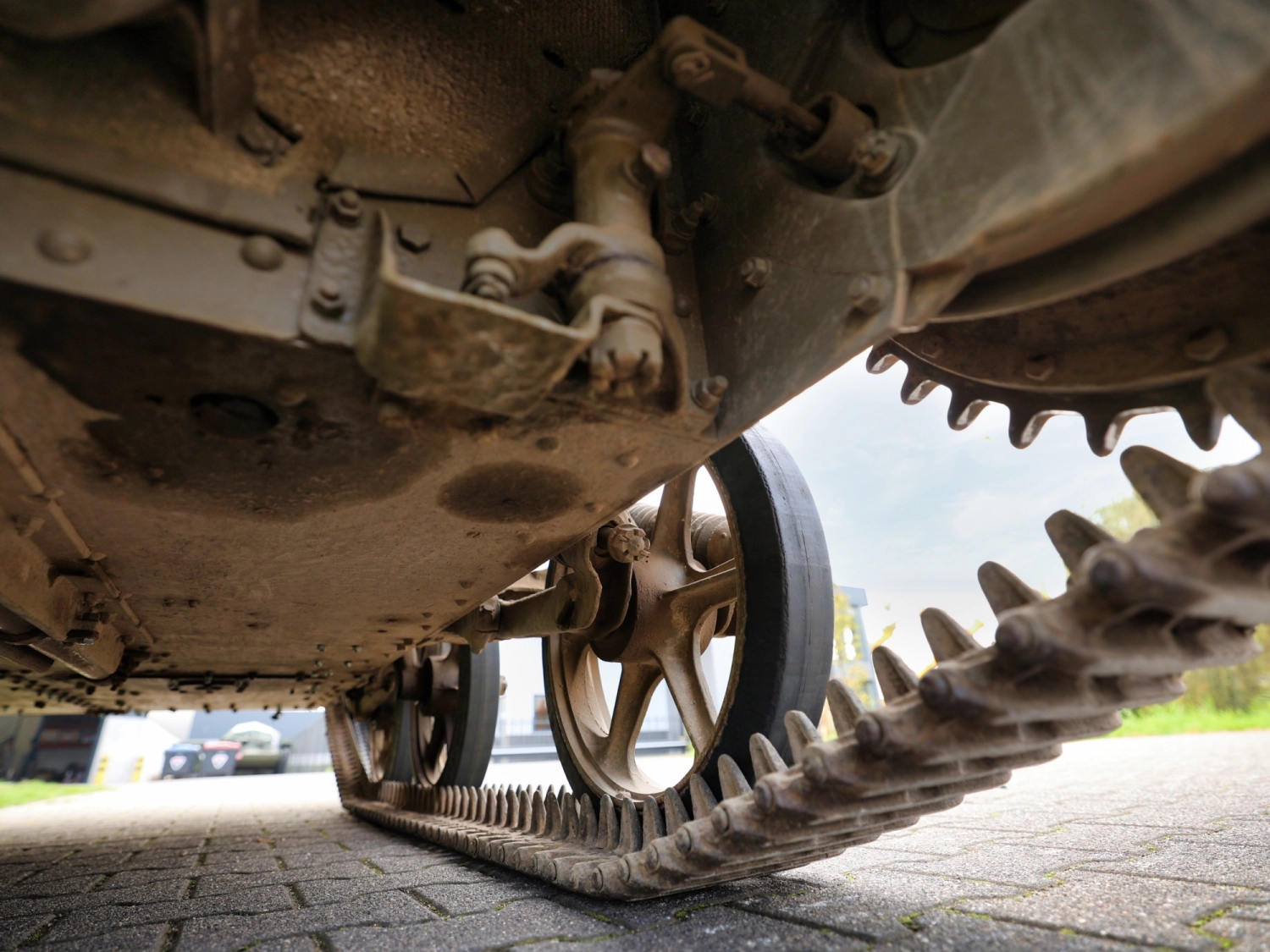


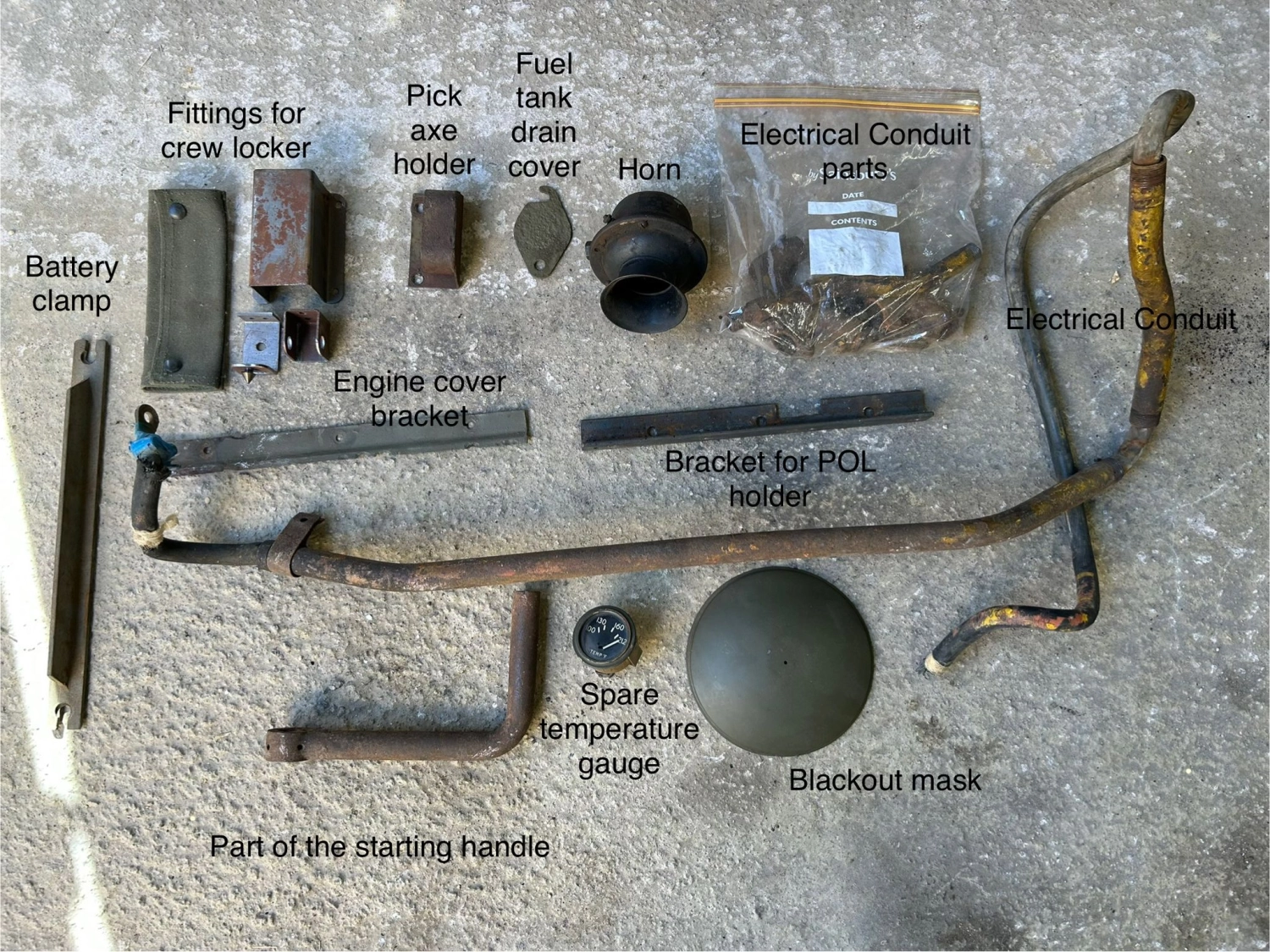



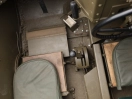


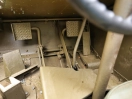


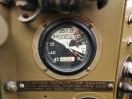
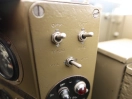


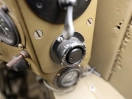

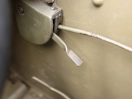


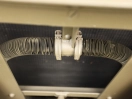


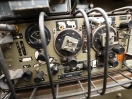

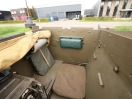
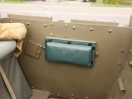


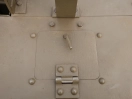

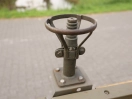
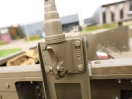


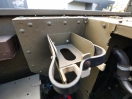


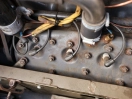


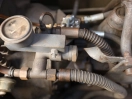



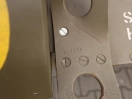

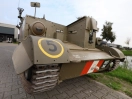



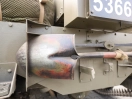




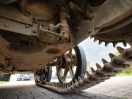


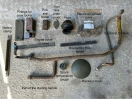

This is a beautiful early Canadian Mk I* Carrier, a rare example of the first production type that is rarely offered for sale. Among all Carrier variants, this early model will stand out during commemorations and reenactment events. Although it is an older restoration, the vehicle presents itself beautifully. It runs and steers very well and is exceptionally well equipped, featuring a no. 19 wireless set and various period accessories.
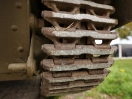
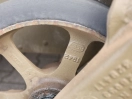
This early Mk I* Carrier originally came from Australia and has undergone a complete restoration. The vehicle was restored using original armor plates and has been converted to a reliable 12-volt electrical system. Many original stowage boxes and some newly manufactured. It is fitted with new NOS road wheels and sprockets, while the fuel tanks and exhaust system have been newly, but period correct, fabricated in stainless steel. Also the tracks are in good condition. Technically, the Carrier is in excellent mechanical condition and performs very well.
The carrier comes equipped with a No. 19 wireless set, which is naturally included in the sale.
The Universal Carrier, also known as the "Bren Gun Carrier," was a versatile tracked vehicle used by the British Army and its allies during World War II. This vehicle was a development of the earlier "Bren Carrier" and was designed to fulfill various roles on the battlefield, such as transporting infantry, machine guns, mortars, and other light weapons.
History and Development
The development of the Universal Carrier began in the 1930s when the British Army sought a light armored vehicle to move weapons and troops quickly and safely across the battlefield. The design was based on earlier, smaller vehicles like the "Carden Loyd Tankette." The Mk I was introduced in 1937.
Application
The Universal Carrier was an extremely versatile vehicle. It was used for a wide range of tasks, including transporting infantry, towing light artillery pieces, carrying ammunition, and serving as a mobile platform for weapons like the Bren light machine gun, which gave it its nickname. The vehicle had a crew of two to four people and could reach speeds of about 50 km/h on roads, making it a fast and flexible transport option on the battlefield.
Use and Distribution
Although the Universal Carrier was originally developed in the United Kingdom, it was produced and deployed by many countries during World War II. In addition to the UK, it was manufactured in Canada, New Zealand, and Australia, leading to its widespread use among the Allies. Countries that used it included Canada, the United States, the Soviet Union (under Lend-Lease), India, and many of the British Commonwealth nations. Canada was responsible for producing a significant number of these vehicles, with over 29,000 units manufactured during the war. Around 3,000 Mk I*'s were used by the Canadian army during WW2.
Use in Wars
The Universal Carrier saw action in nearly every theater of World War II, from North Africa to Europe and Southeast Asia. It was employed by the Allies in major campaigns such as the Battle of France, the North African Campaign, the invasion of Sicily and Italy, and D-Day. After World War II, the vehicle remained in service and was used in other conflicts, including the Korean War. The vehicle remained in service into the 1950s, a testament to its durability and practical design.


Ivo Rigter Sr.
Founder & Co Owner of BAIV and Tracksandtrade
+31 6 518 22 502 ivosr.rigter@tracksandtrade.com